
Breaking Down the Basics of Orthotropics

When it comes to facial development and orthodontic care, orthotropics for adults takes a unique path. Unlike traditional orthodontics that mainly focuses on straight teeth, this approach considers how the entire face grows and develops. The method emphasizes proper oral posture – especially tongue position and breathing through the nose. This makes it particularly appealing for adults who want to improve both their facial appearance and overall health.
Core Principles of Orthotropic Treatment
The way our face develops depends heavily on the soft tissues around it – especially our muscles and how we position our tongue. Think of it this way: when you keep your tongue properly pressed against the roof of your mouth (a practice known as "Mewing"), you're actually encouraging your face to grow upward and forward. Breathing through your nose also plays a big part, as it helps develop proper airways and keeps your jaw in the right position. Understanding these basic concepts helps explain how orthotropics works to create balanced facial features.
How Orthotropics Differs from Traditional Orthodontics
While both methods aim to fix teeth alignment, they go about it quite differently. Traditional braces and aligners mainly work on straightening teeth without much focus on the overall face structure. Orthotropics, on the other hand, tries to influence how your whole face grows and develops to create better overall balance. This different approach means orthotropic treatment usually takes much longer. For example, while regular braces might take 18-24 months, orthotropic treatment often spans 10-15 years and typically costs over $10,000.
The Role of Oral Posture in Facial Development
How you position your tongue, lips, and jaw – both when resting and swallowing – makes a big difference in how your face develops. Think of your tongue as a natural brace that shapes your palate and jaw over time. When your tongue sits at the bottom of your mouth, it can lead to a narrower palate and less defined jawline. But keep it properly positioned against the roof of your mouth, and you're more likely to develop a wider palate, better breathing passages, and more balanced facial features. This understanding of how oral posture affects facial development is what makes orthotropic exercises and devices different from traditional methods, offering adults a way to achieve lasting facial changes.
The Evidence Behind Adult Facial Changes
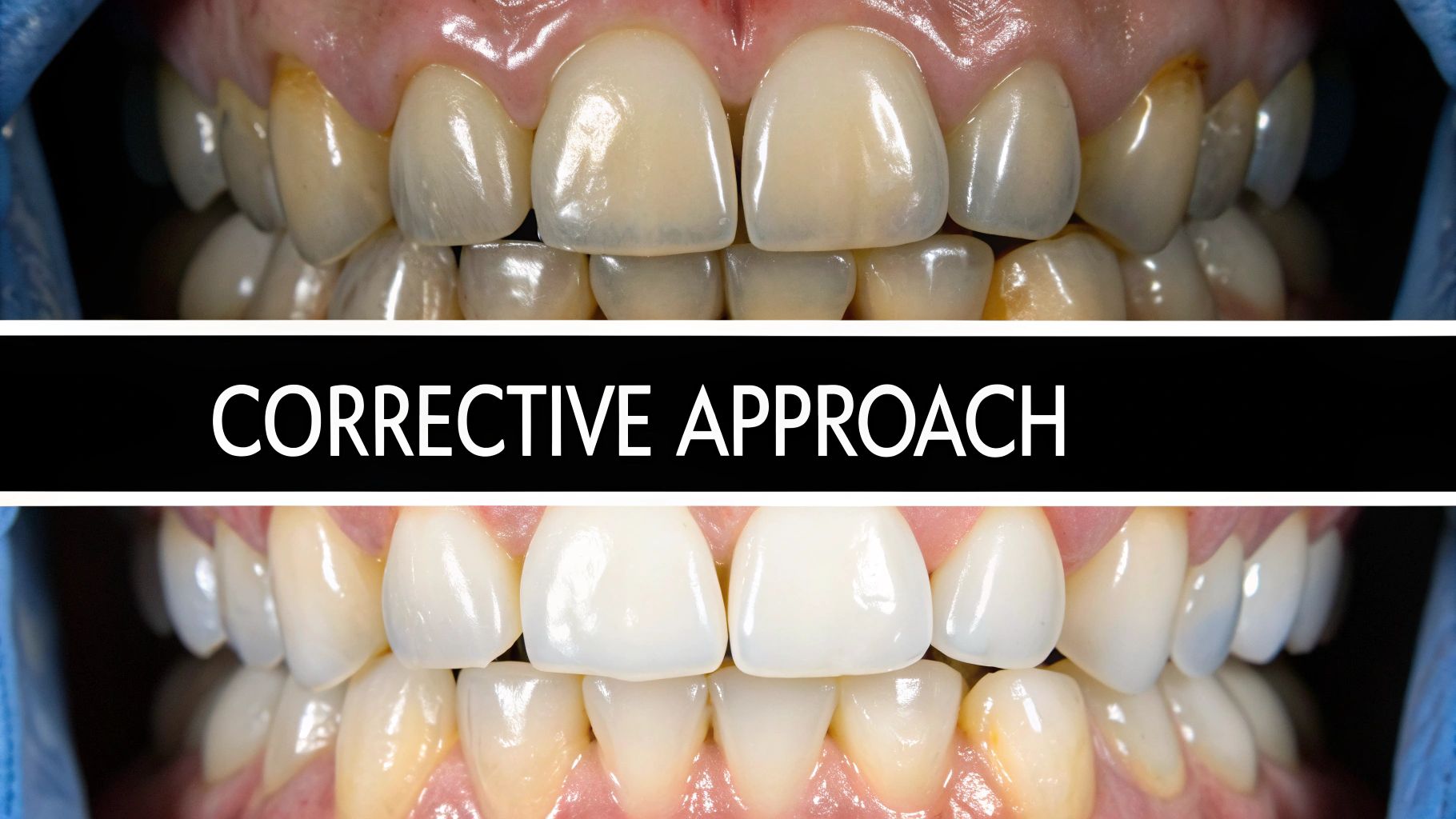
Many people wonder if orthotropics can truly change facial structure in adults. While success stories and before-after photos are interesting, let's examine what scientific research tells us about facial changes in adults using orthotropic techniques.
Examining the Research on Orthotropics for Adults
The most compelling evidence comes from studies of identical twins who received different types of treatment. Since twins share the same genetics, these studies offer a unique window into how different approaches affect facial development. In one notable case, the twin who underwent orthotropic treatment showed better aesthetic outcomes compared to their sibling who had conventional orthodontic work. This suggests that orthotropic methods can positively influence facial appearance even after childhood growth is complete.
Research from the University of Alberta adds another piece to the puzzle. Their study looked at both skeletal and dental changes in patients using a two-phase orthotropic approach. While they found limited changes to the underlying bone structure, they observed significant improvements in tooth positioning. For instance, when patients maintained proper tongue posture as directed, many developed wider palates and better alignment of their front teeth.
Understanding the Limitations and Potential
We should note that research in this field is still developing. Some studies have drawn criticism for their methods or selective reporting. More long-term studies are needed to fully understand how orthotropics affects adults and how permanent these changes are.
Treatment time is also an important consideration. Unlike standard braces that typically take 1.5-2 years, orthotropic treatment often requires a longer commitment of several years. This extended timeline demands dedication and consistent effort from patients.
Weighing the Evidence: What Does it Mean for You?
What should adults considering orthotropics take away from current research? The evidence suggests that while significant bone changes may be limited, improvements in dental alignment and facial aesthetics are possible. Success depends largely on patient commitment given the longer treatment timeline.
Before starting treatment, it's essential to meet with a qualified orthotropic practitioner who can evaluate your specific case. They can help set realistic expectations based on your facial structure and goals, while explaining both the possibilities and limitations of treatment in your situation.
Mapping Your Treatment Journey
Starting orthotropic treatment as an adult is a big step that requires careful planning and dedication. Unlike regular braces that typically take 2 years, this approach to reshaping facial structure and improving oral posture needs more time to achieve lasting results. Let me walk you through what you can expect at each stage of treatment, from your first visit to reaching your goals.
Initial Consultation and Assessment
Your first appointment sets the foundation for success. During this visit, your practitioner will carefully examine your facial structure, jaw position, how your tongue sits in your mouth, and your breathing patterns. They'll talk with you about what you hope to achieve – for example, if you want to improve a weak chin, they might suggest specific exercises to strengthen those muscles. This detailed evaluation helps create a treatment approach that fits your unique needs.
Developing Your Personalized Treatment Plan
After learning about your specific situation, your practitioner creates a plan just for you. They'll recommend a mix of daily exercises, special appliances, and changes to habits that help promote proper tongue position, breathing through your nose, and healthy facial development. Since adult treatment usually takes several years rather than the typical 1.5-2 years for braces, it's important to understand this timeline upfront. This longer approach allows your face and jaw to change gradually and naturally.
The Treatment Process: Milestones and Maintenance
Your treatment journey will have several key phases. You'll likely start by learning the right way to position your tongue and breathe through your nose. As you master these basics, your practitioner may give you special devices to guide your jaw growth and align your teeth. Since this is a long-term process, staying motivated matters. Regular check-ups help track your progress, adjust your plan when needed, and work through any challenges. This ongoing support keeps you moving toward your goals.
Managing Expectations and Investment
It's essential to have a clear picture of what orthotropic treatment can achieve for adults. While some people see dramatic improvements, others notice more subtle changes. Your results depend on factors like your age, starting point, and how well your body responds to treatment. The cost is often higher than traditional braces because treatment takes longer and uses specialized equipment. Having open talks with your practitioner about expected results and costs helps you make good decisions and stay committed. They can guide you through any temporary discomfort or lifestyle changes needed. Remember – this investment of time and effort can lead to better facial appearance, easier breathing, and improved overall health.
Choosing Between Orthotropics and Traditional Options
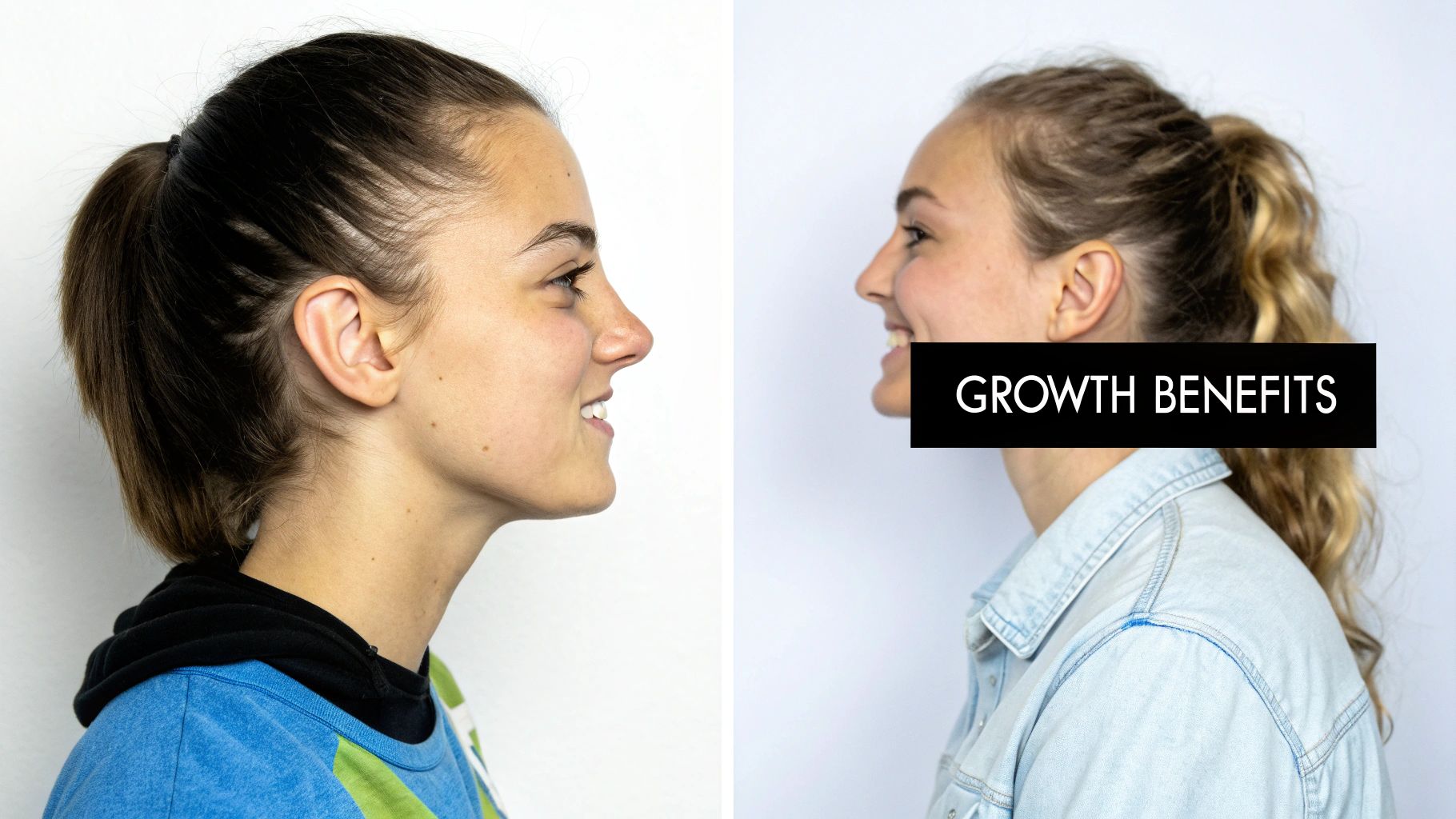
If you're considering orthodontic treatment, you've probably noticed there are two main paths: orthotropics and traditional orthodontics. Both can improve your smile, but they work quite differently. Let's explore how each approach tackles dental alignment so you can make the best choice for your specific needs.
Facial Aesthetics and Breathing Function
Think of traditional orthodontics like rearranging furniture in a room – it focuses mainly on moving teeth into better positions using braces or aligners. Orthotropics, on the other hand, is more like renovating the entire house. It aims to correct underlying issues like poor tongue posture and mouth breathing that affect both your facial appearance and how well you breathe. For instance, orthotropic treatment often leads to a more defined jawline and balanced facial features, while also helping you breathe more easily through your nose. This can mean better sleep and fewer breathing problems.
Treatment Timeline and Cost
Time and money are practical factors to weigh in your decision. Traditional braces typically take about 18-24 months – roughly the time it takes to complete an associate's degree. Orthotropics needs more time to work its magic, often requiring several years since it's actually reshaping facial growth patterns. As you might expect, this longer treatment time comes with a higher price tag – orthotropic treatment can cost upwards of $10,000 due to the specialized equipment and extended care involved.
Long-Term Stability and Relapse
What happens after treatment matters just as much as the treatment itself. Some interesting studies, including those comparing twins where one received orthotropics and the other traditional treatment, suggest orthotropics might offer better lasting results. This makes sense when you think about it – fixing the root causes of misalignment rather than just straightening teeth could prevent problems from recurring. However, we should note that more research is still needed to fully confirm these findings.
Making the Right Choice for You
Your decision really boils down to what matters most to you. If you're mainly looking to straighten your teeth and want results within a couple of years, traditional orthodontics might be your best bet. But if you're interested in improving your overall facial structure and breathing, and don't mind a longer treatment journey, orthotropics could be worth considering.
Here's a simple comparison to help you weigh your options:
| Feature | Orthotropics for Adults | Traditional Orthodontics |
|---|---|---|
| Primary Focus | Facial growth, breathing, and tooth alignment | Tooth alignment |
| Treatment Time | Several years | 18-24 months |
| Cost | Higher | Lower |
| Long-term Stability | Potentially higher | Potentially lower |
The best next step? Schedule consultations with both a traditional orthodontist and an orthotropics specialist. They can examine your specific case and help you understand which approach aligns best with your goals. Remember, this is an investment in your health and appearance that will affect you for years to come, so take your time making this choice.
Understanding Real-World Results
What actually changes when an adult undergoes orthotropic treatment? Let's look at the concrete improvements patients have seen in their faces, breathing, and quality of life when following this unique approach to facial development.
Facial Aesthetics: Beyond Straight Teeth
While traditional orthodontists focus mainly on straightening teeth, orthotropics aims for complete facial balance. Patients often see their jawlines become more defined, their facial features align more symmetrically, and better harmony between their nose, lips and chin. Take someone with a weak chin, for instance – orthotropic treatment can help their lower jaw grow forward, creating a more balanced profile. When the palate expands, it can also enhance the appearance of the middle part of the face. These physical changes often lead to a significant boost in how patients feel about themselves.
Breathing Function: A Breath of Fresh Air
Many adults turn to orthotropics because they struggle to breathe properly due to narrow airways or poor tongue position. Through palate expansion and teaching proper nasal breathing, orthotropic treatment helps open up these restricted airways. Patients frequently report that their snoring decreases or stops completely, their sleep apnea symptoms improve, and they wake up feeling more refreshed. This improved breathing carries over into their daily lives – they have more energy and generally feel better. The benefits clearly go beyond just changing how someone looks.
Patient Experiences: Stories of Transformation
The best way to understand orthotropics' real impact is through actual patient stories. Some describe finally overcoming years of breathing through their mouth, leading to better sleep and sharper focus at work. Others share how their improved facial appearance gave them the confidence to be more outgoing socially. Of course, everyone's journey is different – what works wonderfully for one person may bring more modest changes for another.
Maintaining Results: A Lifelong Commitment
Getting good results with orthotropics requires sticking with it for the long haul, just like staying physically fit. Patients need to maintain proper tongue position (known as "mewing") and good breathing habits even after the active treatment phase ends. This might mean wearing retainers or doing specific exercises to keep the improvements stable. Think of it like going to the gym – you have to keep up the work to maintain the results. This ongoing dedication helps ensure that both the aesthetic and functional improvements last, making orthotropics a true lifestyle change rather than just a temporary fix.
Making Your Treatment Decision

Deciding whether orthotropics is right for you requires careful consideration of several key factors. Let's explore what you need to know before starting treatment, from finding the right doctor to understanding costs and expected outcomes.
Finding the Right Orthotropics Practitioner
The success of your orthotropics treatment depends heavily on choosing the right practitioner. Look for someone with specific training and proven results working with adult patients. While traditional orthodontists are skilled professionals, orthotropics requires additional expertise in oral posture and facial development. When researching providers, ask to see before-and-after photos of adult cases and inquire about their experience treating patients in your age group.
Understanding the Financial Commitment
Be prepared for a significant investment of both time and money. Adult orthotropics typically costs over $10,000 and takes considerably longer than traditional orthodontics. For example, while standard braces treatment wraps up in about 2 years, orthotropic changes often develop over 10-15 years of consistent work. These higher costs reflect the specialized nature of treatment, custom appliances, and extended care period. Consider payment plans and financing options when planning your budget.
Assessing Your Candidacy for Orthotropics
Results vary significantly from person to person. Your age, current jaw alignment, and dedication to the treatment process all impact potential outcomes. For instance, if you have minor dental crowding, you may see more dramatic improvements than someone with severe skeletal issues. Schedule consultations with multiple providers to get realistic assessments of what changes are possible in your specific case.
Preparing for Your Orthotropic Journey
Success requires preparation and commitment. Here's what to focus on:
- Provider Selection: Meet with several orthotropics specialists to find someone whose approach and communication style works for you
- Financial Planning: Create a detailed budget accounting for all treatment costs over multiple years
- Lifestyle Changes: Commit to daily exercises and proper oral posture, including techniques like maintaining correct tongue position. Your consistency with these practices directly affects your results.
Take time to thoroughly evaluate these factors before beginning treatment. Have detailed discussions with potential providers about your goals and concerns. Understanding what to expect helps ensure you start treatment feeling confident and prepared for the journey ahead.
Ready to explore personalized myofunctional therapy? Myohab offers targeted exercises and professional guidance for TMJ disorders, sleep apnea, breathing problems, and facial aesthetics improvement. Visit myohab.com to learn more about achieving better breathing, sleep quality, and facial harmony.

