
Understanding Your TMJ Pain: Beyond the Basics
Connecting Jaw Issues to Head Pain
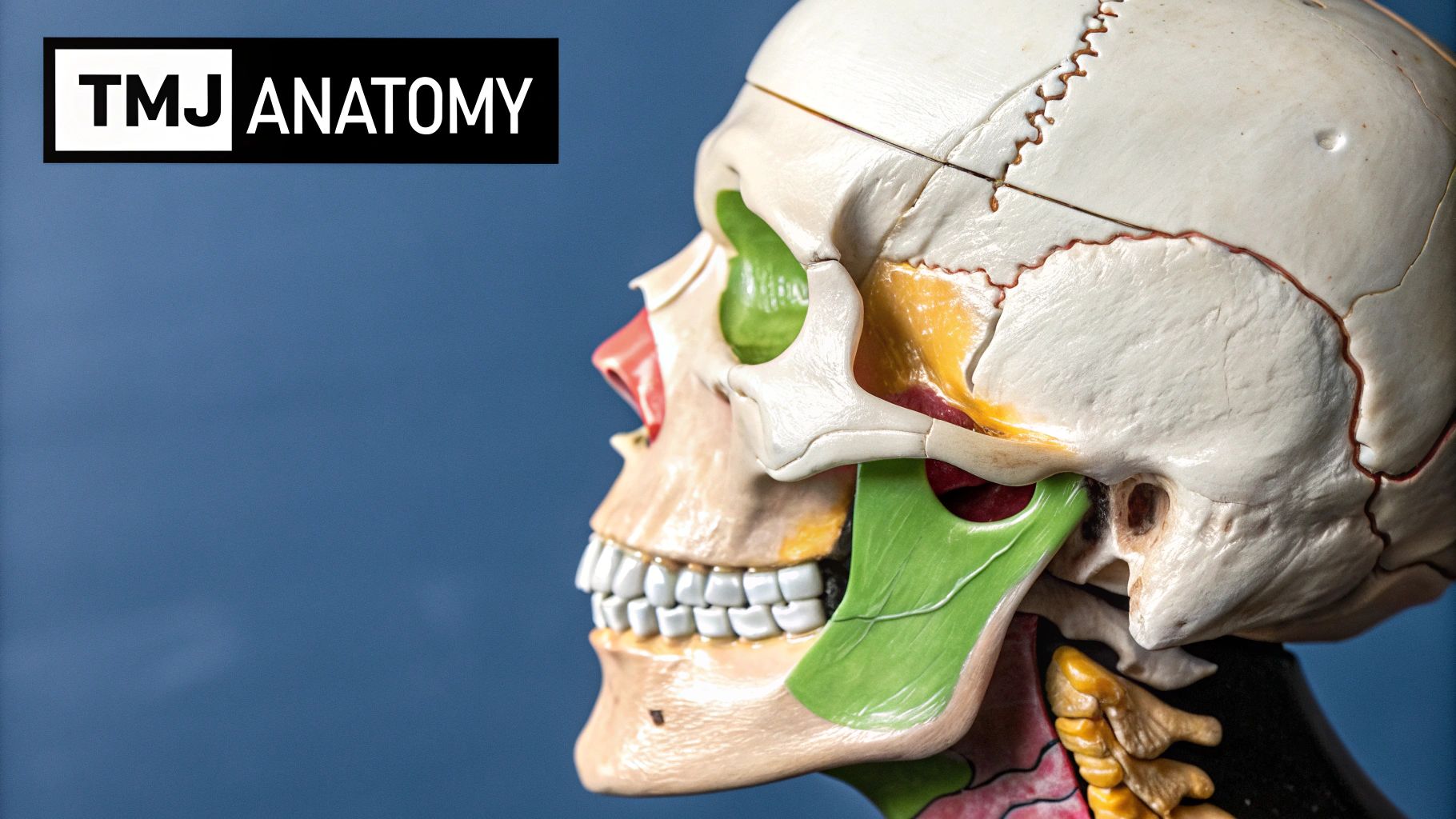
The temporomandibular joint (TMJ) is a unique hinge that joins your jawbone to your skull. Think of it as a complex system – like a door hinge, but with muscles and ligaments that let you speak, eat, and yawn. When something goes wrong with this system, you might feel pain not just in your jaw, but surprisingly, in the back of your head too. Much like dropping a pebble in still water creates ripples that spread outward, problems with your TMJ can send waves of pain from your jaw through the surrounding muscles and nerves, eventually reaching your head. This means that what feels like an ordinary headache might actually start with your jaw.
The Role of Muscle Tension and Referral Pain
Your jaw muscles work together with muscles in your head and neck, like a well-coordinated team. When the TMJ isn't working right, it can set off a chain reaction of muscle tension. This tension can spread beyond the jaw area, causing pain in places that seem unconnected – a process called referred pain. Studies back this up – about 47% of people with TMJ disorders get headaches, often feeling pain in the back of their heads. This shows just how closely TMJ problems and head pain are linked.
Anatomical Pathways of Pain
The way TMJ pain travels to the back of your head comes down to your nerve networks. The trigeminal nerve, which handles sensation in your face, has branches that reach to your temples, forehead, and the back of your head. When TMJ problems irritate or squeeze this nerve, pain signals can travel along these branches. It's similar to how a pinched nerve in your wrist from carpal tunnel syndrome can make your fingers tingle and hurt.
Understanding the Complexity
Head pain from TMJ issues isn't simple – it's like solving a puzzle with multiple pieces. While tight muscles and irritated nerves play big roles, other factors like inflammation and stress can add to your discomfort. That's why it's so important to talk to a healthcare provider if you think your head pain might be coming from your jaw. Getting the right diagnosis helps pinpoint the real cause and leads to better treatment. When you understand how all these factors work together, you can take better steps to manage your pain and find real relief that lasts.
Recognizing the Signs: When TMJ Is the Hidden Culprit

TMJ problems can cause pain that extends far beyond just jaw discomfort. Let's explore the specific signs that suggest TMJ might be causing your head pain and what you can do about it.
Key Indicators of TMJ-Related Head Pain
Head pain is incredibly common, but certain patterns point to TMJ as the underlying cause. While jaw discomfort often accompanies these symptoms, you can have TMJ-related head pain even without significant jaw issues. Here are the main signs to watch for:
- Location: The pain typically starts at the base of your skull and radiates upward from your neck and jaw area. You may also feel it in your temples.
- Type of Pain: People describe it various ways – as a dull constant ache, sharp stabbing sensations, or persistent throbbing that feels like a tension headache that won't ease up.
- Associated Jaw Symptoms: Listen for clicking or popping when you move your jaw, difficulty opening wide or closing fully, and tenderness around the jaw joint. These additional symptoms help confirm a TMJ connection.
- Other Symptoms: You might experience ear pain, ringing in your ears, dizziness, or notice changes in how your teeth fit together. These seemingly unconnected symptoms often make diagnosis tricky.
Why Women Experience TMJ Pain More Often
Studies show women are almost twice as likely as men to develop TMJ problems, including related head pain. While researchers don't fully understand this gender difference, hormones likely play a key role. Women often notice their TMJ symptoms get worse during hormone fluctuations like menstruation and pregnancy.
Differentiating TMJ Head Pain from Other Headaches
While TMJ head pain can feel similar to migraines or tension headaches, a few key features set it apart. The most telling sign is jaw dysfunction – things like clicking, popping or locking that you don't typically see with other headache types. The pain's location is also distinctive, usually concentrated at the base of the skull and spreading from the jaw area.
Documenting Your Symptoms for Effective Diagnosis
If you think TMJ might be causing your head pain, start keeping detailed notes. Write down when the pain occurs, how intense it feels, where exactly it hurts, and any jaw symptoms or triggers you notice. This information helps doctors understand your specific situation and make an accurate diagnosis – the critical first step toward finding relief. Good documentation also makes it easier to tell TMJ pain apart from other conditions so you can get the most effective treatment.
Living With TMJ: Real Solutions for Daily Challenges
Managing TMJ and the associated head pain takes commitment and smart daily choices. By incorporating practical strategies into your routine, you can minimize discomfort and get back to enjoying life's activities.
Managing Morning Pain and Stiffness
For many people with TMJ, mornings bring heightened pain and stiffness, often from teeth grinding during sleep that leads to pain in the back of the head. Starting your day with gentle jaw stretches and applying warmth to sore areas can provide quick relief. Deep breathing exercises can also help release muscle tension and set a more relaxed tone for the day ahead.
Navigating Workday Stress and Flare-Ups
A busy workday often brings stress that can trigger TMJ symptoms. When you feel yourself clenching your jaw or tensing up, take short breaks to stretch, practice relaxation techniques, or simply sit quietly for a few minutes. Good posture at your desk also makes a big difference – proper ergonomics reduce strain on your jaw and neck muscles.
Maintaining an Active Social Life
Don't let TMJ stop you from spending time with friends and family. While activities like extended conversations or chewing gum can worsen symptoms, you can adapt and still participate fully. At social gatherings, take speaking breaks when needed and choose foods that are easier to chew. Planning ahead helps you enjoy events without aggravating your TMJ pain.
Learning From Others: Real-World Coping Strategies
Connecting with fellow TMJ patients provides both emotional support and practical wisdom. Many long-term sufferers have discovered effective ways to manage daily challenges through specific exercises, relaxation methods, diet changes, and helpful tips. Support groups and online communities offer great spaces to share experiences and learn new management techniques.
Integrating Myofunctional Therapy for Long-Term Relief
While daily management is key, addressing TMJ's root causes leads to lasting improvement. Myohab offers myofunctional therapy that retrains facial and mouth muscles to improve jaw function and reduce head pain. The personalized exercises can be done at home, making it convenient to build better muscle patterns over time. This therapy works alongside daily coping strategies for complete TMJ care.
Finding Your Path to Professional Treatment

When TMJ pain radiates to the back of your head, it can make daily activities challenging and affect your overall wellbeing. The good news is that several treatment options can help address this complex condition. Let's explore how to find the right treatment approach for your specific situation.
Initial Diagnosis and Assessment
Getting an accurate diagnosis is the essential first step. Schedule an appointment with a qualified healthcare provider – this could be a dentist who focuses on TMJ disorders, an oral surgeon, or a physician. During your first visit, the doctor will carefully examine your jaw, head, and neck while discussing your symptoms. They'll check how your jaw moves, listening for clicking or popping sounds, and testing your range of motion when opening and closing your mouth. The doctor will also check the muscles around your jaw and head to find tender spots. This detailed evaluation helps pinpoint what's causing your TMJ pain to reach the back of your head so they can create the right treatment plan for you.
Conservative Treatment Options
Most people find relief through non-invasive treatments that reduce inflammation, relax muscles, and help the jaw work better:
- Self-Care Practices: Simple steps like using hot or cold packs on sore areas, doing gentle jaw stretches, and avoiding hard foods can help. Learning to manage stress through breathing exercises or meditation may also ease muscle tension that makes TMJ pain worse.
- Physical Therapy: A trained physical therapist can teach you specific exercises to build strength and flexibility in your jaw and neck muscles. They might also use hands-on techniques like massage to improve how your jaw moves and reduce pain.
- Oral Appliances: Custom-fitted mouth guards or splints can shift your jaw into a better position and stop teeth grinding, which often makes TMJ pain spread to the back of your head.
These basic approaches help many people feel better. But if you're still having problems, you may need to try other options.
Advanced Treatment Interventions
When basic treatments aren't enough, your doctor might suggest:
- Medications: These could include muscle relaxants, pain relievers, or anti-inflammatory drugs to manage pain and swelling.
- Injections: Some patients benefit from corticosteroid or Botox shots into the jaw muscles. These can temporarily ease pain and stop muscle spasms, making it easier to do physical therapy and self-care.
- Surgery: Doctors usually only recommend surgery if you have structural problems in your jaw joint and nothing else has worked.
The key to successful treatment is working closely with your healthcare provider to find what works best for you. Don't hesitate to ask questions or share concerns about different treatment options. Your doctor can help you understand the pros and cons of each choice and guide you toward the most effective way to manage your TMJ pain and get back to enjoying life.
Mastering Self-Care Strategies That Actually Work

While professional treatment forms the foundation for managing TMJ pain, daily self-care practices make a real difference in controlling discomfort that spreads to the back of your head. By combining the right self-care approaches with your doctor's recommendations, you can take charge of your symptoms.
Targeted Exercises for TMJ Pain in Back of Head
Simple exercises can help ease tight jaw muscles and improve movement, reducing pain that travels up to your head. The chin tuck is one key exercise – gently pull your chin straight back to create a slight double chin, hold briefly, then release. This strengthens the neck muscles that help keep your jaw properly aligned. Another helpful movement is resisted jaw opening – place your thumb under your chin and provide light resistance as you open your mouth. This improves flexibility and decreases stiffness.
Lifestyle Modifications for Long-Term Relief
Small changes to your daily habits can have a big impact on TMJ pain in your head. Since stress often makes symptoms worse, spending just 5 minutes on deep breathing or meditation can help relax tense jaw muscles. Good posture is also essential – being mindful of how you hold your head and neck throughout the day helps reduce strain on your jaw. These simple adjustments add up to make a noticeable difference.
Utilizing Heat Therapy and Self-Massage
Heat and gentle massage offer quick relief for tense muscles causing TMJ pain. Apply a warm compress to your jaw and neck for 15-20 minutes to increase blood flow and promote muscle relaxation. This is especially soothing when pain radiates to the back of your head. Follow up with light finger massage around your jaw, temples and base of skull to further release tight spots and ease discomfort.
Dietary Adjustments to Minimize TMJ Strain
Your food choices affect your TMJ symptoms. Skip hard, crunchy items like nuts and candies that overwork your jaw. Avoid excessive chewing from gum and chewy foods that can trigger pain. Instead, focus on soft, nutritious options like steamed vegetables, soups, and smoothies. Foods rich in omega-3s like salmon and leafy greens help fight inflammation that can worsen TMJ pain in the back of your head.
Creating a Personalized Daily Routine
The key to seeing results is sticking to a consistent self-care plan. Build a daily routine that includes:
- Morning: Gentle jaw stretches and heat therapy
- Throughout the day: Posture checks, stress-reduction techniques, and dietary awareness
- Evening: Self-massage and relaxation exercises
Following these practices regularly can lead to real improvements in your TMJ symptoms and overall wellbeing. Just be sure to check with your healthcare provider about which approaches are right for your specific situation. They can help you develop a personalized plan that targets the root causes of your TMJ pain in the back of your head.
Building Your Long-Term Relief Strategy
Living with TMJ pain that radiates to the back of your head isn't just frustrating – it can affect every aspect of your daily life. The good news is that long-term relief is within reach. By combining professional care with smart self-management strategies, you can create an effective plan to reduce pain and improve your quality of life. Let's explore how to build a sustainable approach that works for you.
Identifying and Managing Your Unique Pain Triggers
Before you can effectively manage TMJ pain, you need to understand what makes it worse. Just like a detective gathering clues, start by keeping a detailed pain journal. Write down when your TMJ pain flares up in the back of your head, what activities you were doing, what you ate, and your stress levels at the time. This simple practice can reveal clear patterns. For example, you might notice that your pain intensifies after long hours at your computer, suggesting that improving your posture and workstation setup could make a real difference.
Strategies for Stress Management and Sleep Optimization
Stress and TMJ pain often go hand in hand. When we're stressed, many of us clench our jaw without realizing it, leading to increased muscle tension and pain. Simple practices like deep breathing exercises, meditation, or gentle yoga can help relax tense muscles and calm your mind. Your sleep setup matters too – using a supportive pillow that keeps your neck properly aligned can prevent morning stiffness. Many people also find relief using a custom night guard to prevent teeth grinding during sleep, which can significantly reduce TMJ symptoms.
Lifestyle Modifications That Stick
Making lasting changes doesn't mean overhauling your entire routine overnight. Instead, focus on small, doable adjustments that you can maintain long-term. For instance, if you regularly chew gum, try sipping herbal tea instead to give your jaw muscles a break. Pay attention to your posture throughout the day – keeping your head and neck aligned reduces strain on your jaw muscles and can prevent pain from developing. Think of good posture as the foundation that supports everything else.
Monitoring Your Progress and Seeking Support
Keeping track of your improvement helps you stay motivated and shows what's working. Use a simple 1-10 pain scale to rate your discomfort each day. Don't get discouraged by occasional setbacks – they're a normal part of recovery. When flare-ups happen, review your pain journal to spot possible triggers and adjust your approach. Remember that it's okay to ask for help. If your pain persists or gets worse despite your best efforts, check in with your healthcare provider or TMJ specialist for additional guidance and treatment options.
Specialized treatments like myofunctional therapy can be valuable additions to your relief plan. Myohab offers targeted exercises to retrain your jaw muscles and improve function. When you combine professional treatments with consistent self-care practices, you create a strong foundation for managing TMJ pain and enjoying better jaw health over time.

