
The Science Behind Swallowing: What's Really Happening
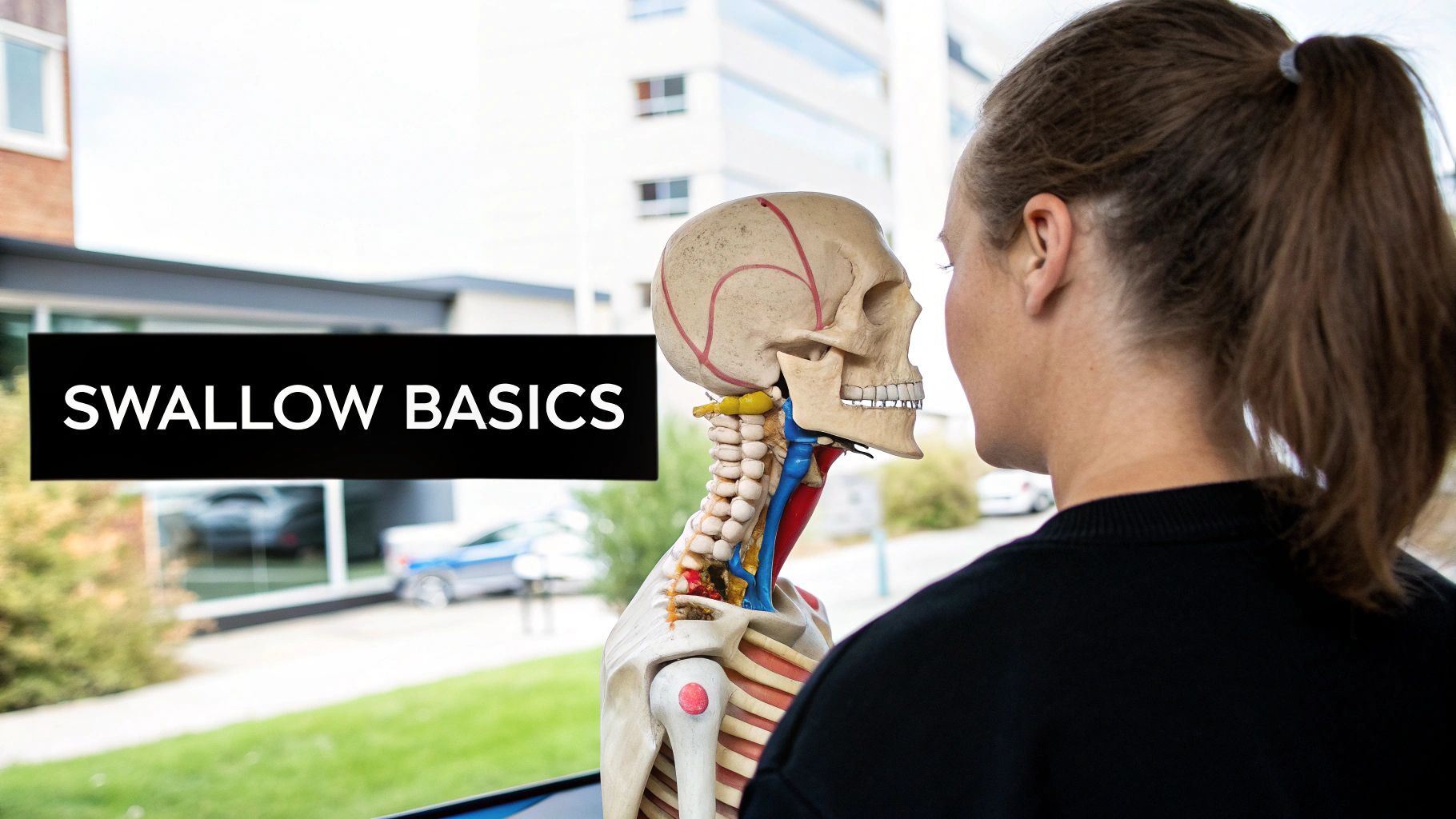
Before we delve into the best swallowing practices, let's take a look at the fascinating process itself. Swallowing is a surprisingly complex act involving the coordinated effort of over 50 pairs of muscles. This intricate interplay highlights the remarkable capabilities of the human body. Understanding how this system functions is key to optimizing its performance.
The Three Phases of Swallowing
The swallowing process is typically broken down into three key phases: the oral phase, the pharyngeal phase, and the esophageal phase. The oral phase stands out as the only voluntary stage, meaning you consciously control this part of the process.
This initial phase involves preparing the food or liquid by forming it into a bolus, a small, rounded mass. This is achieved through chewing and manipulating the food with your tongue. Once formed, the bolus is positioned for the next stage.
The pharyngeal phase follows the oral phase. This is a completely involuntary, reflex action triggered when the bolus reaches the back of your throat. This phase is crucial for protecting your airway.
During this rapid, involuntary sequence, several actions occur simultaneously. The soft palate elevates, sealing off the nasal cavity. The vocal cords close. The epiglottis covers the trachea, effectively preventing food from entering the lungs. At the same time, the pharyngeal muscles contract, propelling the bolus downward.
With the airway secured and the bolus moving downwards, the final stage, the esophageal phase, begins. This involuntary phase focuses on the passage of the bolus down the esophagus into the stomach. Peristalsis, a series of wave-like muscle contractions, pushes the bolus toward the stomach. This complex process underscores the intricate mechanisms at work every time we swallow.
The Impact of Age and Swallowing
Age plays a significant role in swallowing physiology. Many healthy older adults report swallowing difficulties. These difficulties often stem from age-related decline in muscle mass and function.
By the age of 60, many individuals experience noticeable changes in swallowing mechanics and function. These changes can increase the risk of dysphagia, or difficulty swallowing. Learn more about aging and swallowing. Understanding this connection is vital for maintaining healthy swallowing habits throughout life.
Knowing the mechanics of swallowing, from the conscious oral phase to the involuntary esophageal phase, provides a solid foundation for refining your swallowing technique and improving overall well-being. Now that we've explored the science, let's examine some common swallowing mistakes.
Swallowing Mistakes You're Making Without Realizing It

Swallowing might seem simple, but many of us unknowingly make mistakes that affect our comfort and possibly our health. These subtle habits can have surprising long-term consequences. Let's explore some common errors and their impact on swallowing correctly.
Rushing Through Meals
Modern life often has us rushing through meals. This seemingly harmless habit can disrupt the coordination needed for proper swallowing. Inhaling food without chewing creates larger pieces, increasing the risk of choking. Rushed eating also leads to swallowing air, causing bloating and discomfort. Mindful eating is key for optimal swallowing.
Incorrect Head Positioning
Head posture significantly impacts effective swallowing. Tilting your head back disrupts the natural food flow, potentially leading to aspiration, where food enters the airway. Tilting your chin down protects the airway and promotes smoother swallowing. This small adjustment can make a big difference.
Swallowing Air
Many unknowingly swallow air while eating or drinking, a condition called aerophagia. Habits like talking while eating, chewing gum, or drinking carbonated beverages contribute to this. Excess air leads to bloating, belching, and abdominal pain. Mindfulness of these habits is crucial for better swallowing and digestive comfort. Swallowing and overall well-being are interconnected.
Not Chewing Your Food Thoroughly
Proper chewing is the cornerstone of healthy digestion and safe swallowing. Insufficient chewing creates larger boluses of food, making them harder to swallow and increasing the risk of choking. It also puts extra strain on the digestive system. Aim for 20-30 chews per bite, especially with fibrous foods.
Drinking Too Quickly
Just as with eating, gulping down drinks can also pose problems. Drinking too fast can lead to choking and aspiration. It's best to take small sips and allow time for the liquid to flow down the esophagus smoothly.
Talking While Eating
Talking while eating is a common culprit for both swallowing air and choking. When we talk, our airway is open, increasing the chance of food or liquid entering the trachea. Focusing on eating before speaking can significantly improve swallowing safety and reduce aerophagia.
To understand these mistakes and their effects better, let's look at the following table:
Common Swallowing Mistakes and Their Effects: This table outlines frequent incorrect swallowing habits and the potential health issues they may cause.
| Swallowing Mistake | Potential Consequences | Risk Level |
|---|---|---|
| Rushing through meals | Choking, indigestion, aerophagia | Medium |
| Incorrect head position | Aspiration, discomfort | High |
| Swallowing air | Bloating, belching, abdominal pain | Low |
| Not chewing enough | Difficulty swallowing, indigestion | Medium |
| Drinking too quickly | Choking, aspiration | Medium |
| Talking while eating | Choking, aerophagia | Medium |
This table highlights the various risks associated with common swallowing mistakes. From mild discomfort to the serious risk of aspiration, it's clear that paying attention to how we swallow is essential.
By understanding these common mistakes and consciously adjusting our habits, we can significantly improve our swallowing function and safeguard our health. Learning to swallow correctly is an investment in long-term well-being, giving us control over this vital bodily function.
Mastering Correct Swallowing: Your Step-by-Step Guide

Now that we’ve identified common swallowing mistakes, let's explore the correct techniques for safe and efficient swallowing. This step-by-step guide, based on the expertise of swallowing specialists, will help you take control of this essential bodily function.
Preparing For The Swallow
Before you even take a bite, preparation is key. Sit upright with your feet flat on the floor. This optimal posture positions your body for effective swallowing. Take a moment to relax and focus on your meal. This mindfulness helps prepare your muscles for coordinated action.
The Chewing Technique
Chewing may seem simple, but there's a technique to it. Chew each bite thoroughly, breaking it down into smaller pieces. The ideal number of chews depends on the food’s texture. For softer foods, 10-15 chews is usually sufficient. For tougher foods like meat and vegetables, aim for 20-30 chews. This creates a cohesive bolus, making swallowing easier and reducing choking risks.
Tongue Positioning And Propulsion
After chewing, your tongue propels the bolus toward your throat. Place your tongue's tip against the ridge behind your upper teeth (the alveolar ridge). When swallowing, use your tongue to move the bolus backward and upward against the roof of your mouth (the palate). This generates the pressure needed to move the food toward the pharynx. This precise tongue action ensures a smooth transition to the next swallowing phase.
Breathing Coordination
Coordinated breathing is essential for safe swallowing. Before swallowing, inhale and hold your breath. This protects your airway during the pharyngeal phase, preventing food from entering the trachea. After swallowing, exhale gently. This controlled breathing reduces the risk of choking and aspiration.
For those with swallowing difficulties, techniques like the effortful swallow can help. This maneuver increases tongue-to-palate pressure, improving bolus propulsion. Studies show significant pressure increases during the effortful swallow compared to regular swallowing, benefiting individuals with dysphagia. Learn more about the effortful swallow here.
Swallowing Different Consistencies
Different food consistencies require adjustments. For liquids, take small sips, letting them flow to the back of your tongue before swallowing. Thicker liquids like yogurt may require a more forceful tongue movement. With practice, adapting to various consistencies becomes natural.
Practice And Muscle Memory
Mastering correct swallowing builds muscle memory. Regularly practicing these techniques, even without eating, reinforces proper form. Pay attention to your swallowing during meals to integrate these habits. This consistent effort leads to effortless and safe swallowing, promoting long-term health and well-being.
Strengthen Your Swallow: Evidence-Based Exercises

Mastering the basics of swallowing is an important first step. But specific exercises can significantly improve your swallowing function. These exercises, commonly used by speech-language pathologists, strengthen the muscles involved in swallowing, making the process safer and more efficient. Let's explore some of these effective techniques.
The Mendelsohn Maneuver
The Mendelsohn maneuver helps strengthen the muscles that open the upper esophageal sphincter (UES). During a swallow, you hold your Adam's apple (larynx) at its highest point for a few seconds. This extended elevation helps the UES open more effectively, leading to smoother swallowing. Typically, this exercise is performed 5-10 repetitions, several times per day.
The Masako Technique
The Masako technique, sometimes called the tongue-hold maneuver, strengthens the posterior pharyngeal wall muscles. To perform this exercise, hold the front of your tongue between your teeth while swallowing. This action engages and strengthens the pharyngeal muscles, improving how food moves through your throat and minimizing residue. Aim for 5-10 repetitions several times a day.
The Shaker Exercise
The Shaker exercise, also known as the head-lift exercise, targets the suprahyoid muscles, crucial for laryngeal elevation. Lie flat on your back and lift your head to look at your toes, holding the position briefly. This repeated lifting motion strengthens the muscles responsible for lifting the larynx during swallowing.
Building a Daily Exercise Program
Consistently incorporating these exercises into your daily routine can lead to substantial improvement. Begin with a comfortable number of repetitions for each exercise and gradually increase them as you gain strength and coordination. Swallowing exercises are especially important for individuals with dysphagia, particularly those recovering from a stroke. A study revealed that stroke patients participating in swallowing rehabilitation performed a median of 44.5 repetitions per session, usually 2-3 times a week for 3 weeks. For more information about swallowing exercise dosages in stroke rehabilitation, see this study.
The table below outlines a sample daily program that you can adapt to your needs. It provides a detailed breakdown of each exercise, including the technique, recommended repetitions, and the primary benefit.
Swallowing Exercise Program
| Exercise Name | Technique | Repetitions | Primary Benefit |
|---|---|---|---|
| Mendelsohn Maneuver | Hold your Adam's apple up during a swallow | 5-10 | Improves UES opening |
| Masako Technique | Hold the front of your tongue between your teeth while swallowing | 5-10 | Strengthens posterior pharyngeal wall muscles |
| Shaker Exercise | Lie flat and lift your head to look at your toes, hold, then lower | 5-10 | Strengthens suprahyoid muscles for laryngeal elevation |
This structured program allows for steady progress and helps build muscle memory for effective swallowing. Remember, consistency is essential for achieving noticeable results.
Adapting Your Technique: Food-Specific Swallowing Strategies
Just as we adjust our posture and breathing for correct swallowing, different foods require specific strategies. This helps ensure safe and efficient swallowing, regardless of what you're eating. Let's explore some common food types and the best ways to approach them.
The Challenge of Pills
Swallowing pills can be surprisingly difficult. Many people find that tilting their head back, a common instinct, actually makes it harder. A more effective technique involves tilting the chin slightly downward. This helps direct the pill towards the back of the throat, making it easier to swallow.
Mixed Textures: A Recipe for Difficulty
Mixed-texture foods, like soups with chunks of vegetables, can present swallowing challenges. These varied consistencies require careful coordination of the tongue and throat muscles. Focusing on chewing thoroughly and taking smaller bites can significantly lessen the risk of choking.
Temperature Considerations
The temperature of your food impacts swallowing safety. Extremely hot or cold foods can reduce sensation in the mouth and throat. This decreased sensitivity makes it harder to judge the food's position and increases the risk of burns or aspiration. Allowing food to reach a moderate temperature is crucial before swallowing.
Liquid Swallowing: A Hidden Danger
Liquids, while seemingly easier to swallow than solids, can often be more problematic for individuals with swallowing difficulties. Thin liquids can move quickly, increasing the risk of aspiration. Thickening liquids or adopting techniques like small sips and controlled swallows can dramatically reduce this risk.
Mindful Eating: A Natural Aid
Mindful eating, the practice of paying close attention to the sensory experience of eating, can naturally improve swallowing function. Focusing on each bite, from the initial taste to the final swallow, enhances coordination and control. This conscious awareness promotes safer and more efficient swallowing.
Social Dining Strategies
Maintaining good swallowing technique in social situations can be challenging. Distractions and conversations often lead to rushed eating and impaired swallowing. Remember to pause between bites, concentrate on chewing thoroughly, and avoid talking with food in your mouth. This focused approach supports better digestion and reduces the risk of choking or coughing. By consciously applying these food-specific techniques, you can make every meal a safe and enjoyable one.
When to Seek Help: Recognizing Serious Swallowing Issues
While practicing good swallowing habits can often improve minor difficulties, some swallowing problems need professional attention. Knowing the difference between normal variations and more serious issues is essential. This section helps you identify warning signs that require immediate action.
Recognizing the Red Flags
Certain symptoms signal a potentially serious swallowing disorder, known as dysphagia. These red flags shouldn't be ignored:
- Coughing or choking while eating or drinking: This may indicate that food or liquid is going down the wrong pipe and entering your airway.
- Frequent throat clearing: Constantly clearing your throat can be a sign of food lingering in the throat after swallowing.
- A sensation of food sticking in the throat or chest: This feeling, called globus sensation, can point to esophageal dysphagia.
- Unexplained weight loss: Swallowing difficulties can make it hard to consume enough calories and nutrients, resulting in unintended weight loss.
- Changes in voice quality after swallowing: A wet or gurgly voice after swallowing can be a sign of aspiration, where food or liquid enters the lungs.
- Recurrent chest infections: Aspiration can introduce bacteria into the lungs, increasing the risk of infections like pneumonia.
- Drooling: This can indicate weakened oral muscles, which are vital for effective swallowing.
Seeking Professional Evaluation
If you experience any of these symptoms, it's important to seek professional help. Begin by consulting your primary care physician. They might refer you to specialists like a speech-language pathologist (SLP) or an otolaryngologist (ENT). An SLP specializes in diagnosing and treating swallowing disorders, while an ENT doctor can evaluate the structure of your throat and esophagus.
The Evaluation Process
A typical swallowing evaluation starts with a detailed review of your symptoms. The SLP might conduct a clinical swallowing examination, checking your oral motor skills and observing how you swallow different food textures. Additional tests may include a videofluoroscopic swallow study (VFSS) or a fiberoptic endoscopic evaluation of swallowing (FEES). These tests create images of the swallowing process to pinpoint specific problems.
Treatment Approaches
Treatment for dysphagia varies depending on the underlying cause and severity. Your SLP will create a personalized plan, which might include targeted swallowing exercises, dietary modifications, compensatory strategies, or other therapies. Swallowing exercises are especially beneficial for individuals recovering from a stroke. Over 40% of stroke survivors experience dysphagia, highlighting the importance of early intervention and consistent therapy.
Early recognition and prompt treatment are crucial to prevent serious complications from untreated swallowing disorders. If you have concerns about your swallowing ability, don't hesitate to seek professional guidance.
Are you struggling with swallowing or other myofunctional issues? myohab offers personalized therapy exercises to address a range of problems, including swallowing difficulties, sleep apnea, and TMJ disorders. We connect you with expert myofunctional therapists and provide a complete set of guided exercises you can do at home. Take control of your health and improve your quality of life. Visit myohab today.

