
Understanding the Impact of Orofacial Disorders

When it comes to orofacial disorders, the effects often go far beyond what meets the eye. These conditions, which affect the mouth and face, can make everyday activities like speaking, eating, breathing, and sleeping surprisingly challenging. For people living with these disorders and the professionals who help them, understanding these impacts is key to finding effective solutions.
The Ripple Effect of Orofacial Myofunctional Disorders
Children are particularly affected by orofacial myofunctional disorders (OMDs), which often show up as speech difficulties. Research shows these disorders are remarkably common – they affect up to half of all children in speech therapy programs. Take tongue thrust, for example. When a child's tongue moves forward instead of up during swallowing, it can make pronouncing sounds like /s/ and /z/ quite tricky. This is why speech therapy that focuses on muscle function plays such an important role in helping these kids communicate clearly.
Challenges Beyond Speech
While speech problems might be the most noticeable sign of OMDs, they're just the tip of the iceberg. These disorders can affect how a child's face develops, cause dental problems, and even make social situations uncomfortable. Eating becomes more than just a daily activity – it can turn into a real challenge. Picture a child who has trouble chewing properly because their facial muscles are weak or misaligned. They might start avoiding certain foods, which could lead to poor nutrition and other health issues. That's why effective speech therapy needs to look at the whole picture, not just speech alone.
Recognizing the Subtle Signs and Seeking Professional Guidance
Spotting orofacial disorders takes a keen eye and professional know-how. Some early warning signs might seem harmless at first – like breathing through the mouth instead of the nose, having trouble chewing, or continuing to suck their thumb past the typical age. But these small habits can point to bigger problems with how the mouth and face muscles work together. If these issues aren't addressed early on, they can cause more serious problems down the road.
Think of the tongue, facial muscles, and speech as parts of one complex system. Speech therapy that focuses on muscle function works to strengthen this entire system – it's not just about making sounds clearer. When these muscles work better together, it can help with breathing, swallowing, and even sleeping. This is why it's so important to notice these signs early and get help from a professional who understands how all these pieces fit together. The sooner these issues are addressed, the better the chances of preventing long-term problems.
"Breaking Down the Science of Success" section:
Breaking Down the Science of Success
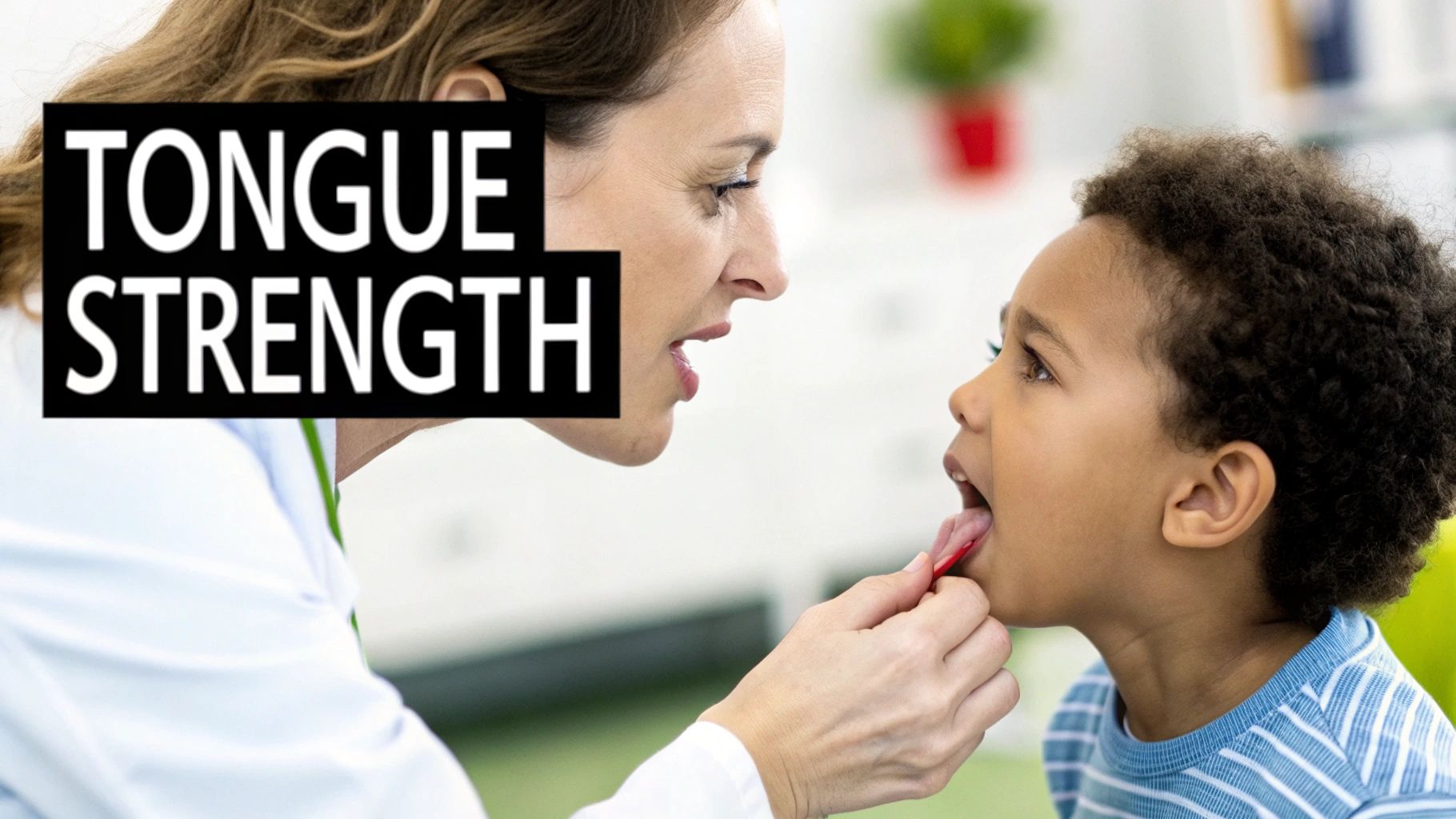
Getting real results with orofacial disorders requires more than just doing exercises – you need to understand the science behind them. When therapists know how facial muscles work together, they can pick the right exercises to help each person. Take speech sound errors, for example. By understanding exactly how the tongue, lips and jaw coordinate, therapists can help patients make clearer sounds. Let's explore what makes myofunctional speech therapy actually work.
The Role of Specific Muscle Groups in Speech
Think of your face and mouth muscles like members of a band – each one needs to play its part at just the right time to make speech sound good. These muscles do more than just help us talk – they're essential for swallowing, chewing and breathing too. When one muscle isn't pulling its weight, like if your tongue sits in the wrong spot, you might develop issues like a lisp when making /s/ and /z/ sounds. Getting all these muscles to work together smoothly is key.
Why Certain Therapeutic Approaches Work Better
Different therapy methods target different muscle problems. Some focus on building strength, while others help improve coordination and control. Many therapists use feedback tools to help patients become more aware of their muscle movements. The key is matching the right approach to each person's specific needs. That's why a good evaluation at the start makes such a big difference in getting results.
Neuroplasticity: The Brain's Ability to Change
Your brain is amazing at learning new tricks – even as an adult. This ability, called neuroplasticity, helps make speech therapy work. It's like learning guitar – at first it feels awkward, but with practice your brain creates new pathways that make the movements feel natural. This means you can change speech patterns you've had for years if you stick with the right exercises. Want to learn more? Check out our guide on How to master….
Practical Applications for Breakthrough Results
The best therapists use what we know about muscles and brain plasticity to help their patients make real progress. Instead of just treating symptoms, they focus on creating lasting changes in how muscles work together. They might use exercises to improve tongue position and movement, which helps both speech and swallowing. Other activities boost awareness and control of facial muscles. By understanding how different muscles affect each other, therapists can create personalized plans that target the root causes of speech problems. This leads to improvements that really last.
Transformative Treatment Approaches for Complex Cases
Myofunctional speech therapy has proven remarkably effective at helping people overcome challenging speech and oral motor difficulties. Let's explore how this approach works in practice through real patient outcomes and treatment methods that have helped change lives.
Success Stories: Demonstrating the Power of Myofunctional Speech Therapy
Take patients with cerebral palsy, for instance. Research shows that focused myofunctional therapy programs can substantially improve their speech clarity and oral function. Even in cases where traditional speech therapy had limited impact, this specialized approach has helped patients make meaningful progress. Similar positive results appear across various complex conditions, as customized exercises help patients tap into new communication abilities they didn't know they had.
Innovative Assessment and Treatment Protocols
The most effective speech therapists look beyond surface-level symptoms to understand the root muscular causes of communication challenges. They carefully evaluate tongue, lip and jaw movements while also assessing breathing patterns and swallowing function. Modern tools like biofeedback devices and ultrasound imaging provide detailed measurements that guide targeted treatments. You might be interested in: How to master…
Adapting Treatments for Individual Needs
No two patients face exactly the same challenges, so treatment plans must be customized accordingly. This often means adjusting exercise routines, changing session frequency, or incorporating helpful technologies based on individual needs and progress. For patients with complex medical histories, speech therapists frequently collaborate with dentists, orthodontists, and occupational therapists to provide comprehensive care.
Measuring Progress and Maintaining Motivation
Regular progress tracking through standardized assessments and detailed observations helps ensure patients stay on course toward their communication goals. Since therapy can be demanding, speech therapists use several approaches to keep patients engaged – setting achievable milestones, offering encouragement, and including family members in the process. Celebrating improvements, even small ones, builds confidence and determination. By combining proven techniques with personalized attention and support, myofunctional speech therapy can help patients with complex needs make remarkable progress in their communication abilities.
New Advances in Neurological Speech Recovery

Recent progress in myofunctional therapy has opened up exciting possibilities for people with neurological speech disorders. For those struggling with conditions like dysarthria and apraxia after a stroke or due to cerebral palsy, these advances offer real hope for better communication. The focused muscle retraining in myofunctional speech therapy provides specific help for these complex speech challenges.
How Muscle Function Affects Neurological Speech Disorders
When neurological conditions disrupt speech, they often affect the precise muscle movements needed to form words clearly. Take dysarthria, which commonly occurs after stroke – it can weaken or limit control of the muscles we use to speak, making words sound slurred or unclear. Myofunctional speech therapy tackles this head-on by working directly with the affected muscles. Through targeted exercises, patients can build back strength and improve their control over their tongue, lips, and jaw movements.
A Fresh Take on Speech Therapy
Rather than just drilling sound patterns like traditional speech therapy might do, myofunctional therapy takes a broader view. It combines exercises that build muscle strength with techniques to improve movement range and coordination. This approach gets to the root of speech difficulties by addressing the underlying muscle issues. Many programs also use tools like biofeedback devices and gentle electrical stimulation to help patients make faster progress.
Real Results: Better Speech Clarity
Studies back up what speech therapists are seeing in practice – myofunctional therapy helps people with neurological speech disorders communicate more clearly. Research shows that people with cerebral palsy and dysarthria speak more intelligibly after completing these programs. For example, one study found that patients gained much better control over their lip movements and tongue placement after focused myofunctional therapy sessions. These improvements help people participate more fully in daily conversations and activities.
Tracking Progress in Speech Therapy
Success in myofunctional speech therapy depends on careful assessment and progress tracking. Speech therapists use standard tests to check oral motor skills, muscle function, and how well others can understand the patient's speech. They also note what they observe during sessions and get feedback from patients about their experience. This careful monitoring helps therapists adjust their approach based on what's working best for each person. Regular progress checks keep both therapist and patient motivated and moving toward their communication goals.
Building Your Dream Team for Optimal Results
Getting great results from myofunctional speech therapy takes teamwork. While the therapist-patient relationship is central, bringing together a group of professionals who understand how oral function, speech, and overall health connect can make a real difference in treatment outcomes.
Identifying Key Players in Myofunctional Speech Therapy
At the heart of the team is a speech-language pathologist who specializes in orofacial myofunctional disorders. But they don't work alone. A dentist or orthodontist plays a vital role by addressing structural issues like misaligned teeth or tongue tie that can get in the way of clear speech. Medical doctors – especially pediatricians and ear, nose and throat specialists – often need to be involved too, particularly when underlying health conditions are affecting speech. This team approach makes sense because orofacial myofunctional disorders tend to impact multiple aspects of health beyond just speech.
Coordinating Care for Comprehensive Treatment
Good teamwork depends on clear communication and carefully coordinated care between all providers. Each team member needs to understand not just their own role, but how their work fits into the bigger treatment picture. Regular progress updates and team check-ins help keep everyone aligned. For example, when a speech therapist notices something about how a patient's tongue moves during sessions, sharing that insight with the orthodontist can help inform decisions about adjusting appliances. This kind of collaboration prevents fragmented care and helps each intervention work better.
Choosing the Right Specialists and Maintaining Professional Relationships
The foundation of a strong team starts with selecting qualified professionals who really understand orofacial issues. Look for practitioners who have solid experience with myofunctional speech therapy and genuinely enjoy collaborating with others. Their expertise in this specialized area, combined with a team-oriented mindset, sets the stage for success. Just as important is maintaining positive relationships between team members through mutual respect, open dialogue, and shared dedication to helping patients. This creates an environment where everyone can work together effectively to support those receiving therapy.
Practical Strategies for Effective Communication
Like any successful team effort, good communication makes all the difference. Setting up systems to keep information flowing smoothly helps ensure everyone stays focused on the same goals. This might mean using shared online documentation, scheduling regular team meetings, or simply creating an atmosphere where people feel comfortable speaking up. These practices give the team a complete view of how patients are progressing and allow for adjusting treatment plans when needed. Given that about half of children in speech therapy show signs of orofacial myofunctional disorders, taking this collaborative approach is especially important for getting the best possible results. By bringing together different specialists' knowledge and skills, teams can create treatment plans that truly address each person's specific needs.
The Future of Myofunctional Therapy
Myofunctional therapy has come a long way in helping people improve their speech, swallowing, and breathing. As our understanding of the connections between muscles, brain function, and behavior grows deeper, exciting new developments are expanding what's possible in this field. These advances are creating more effective ways to help people overcome orofacial muscle disorders and improve their quality of life.
Emerging Treatment Modalities in Myofunctional Speech Therapy
Therapists are finding creative ways to help patients make faster progress. For instance, some now use biofeedback devices that show patients exactly how their muscles are working during exercises. This real-time feedback helps people understand and control their muscle movements better. Another major change is the growth of online therapy sessions. This means that people who live far from specialists or have trouble traveling can now get the help they need from home. As a result, more people than ever can access this valuable treatment.
Technological Advancements Enhancing Myofunctional Therapy
New tools are giving therapists and patients better ways to work together. For example, 3D ultrasound imaging lets therapists see exactly how a patient's tongue moves during speech and swallowing. This detailed view helps create more effective exercise plans. Phone apps and computer programs are also making it easier for patients to practice at home between sessions. These tools make exercises more engaging and help people stick to their treatment plans.
Integrating Traditional Wisdom With Modern Approaches
Even as new technology reshapes myofunctional therapy, the basic principles remain crucial. Smart therapists combine tried-and-true hands-on techniques with new tools to give each patient the best possible care. This balanced approach means patients benefit from years of proven methods while also taking advantage of new developments. For example, therapists might use traditional tongue exercises alongside modern tracking apps to monitor progress. You can learn more about different treatment approaches in our article about different approaches.
Evaluating New Treatment Options and Evidence-Based Innovations
As new treatments emerge, careful testing ensures they actually work. Research and real-world results guide which new methods become part of regular practice. Another positive trend is increased teamwork between different types of healthcare providers – speech therapists, dentists, orthodontists, and others now work together more closely than ever. This team approach leads to better results, especially considering that about half of all children in speech therapy have some type of orofacial muscle disorder.
Are you dealing with sleep apnea, snoring, TMJ pain, or tongue tie? Looking to improve your breathing, posture, or facial appearance? Myohab can help with personalized exercises and expert guidance. Our professional therapists create custom exercise plans you can follow at home. Visit our website to learn how we can help you feel better.

