
Understanding Orofacial Disorders: Beyond the Basics

When we talk about the mouth and face (the "orofacial" region), we're looking at much more than just teeth cleaning. Think of it as a complex dance between muscles, nerves, and tissues that help us breathe, eat, talk, and sleep. Without these working properly, our daily life can become quite challenging.
What Causes Orofacial Disorders?
Many things can throw off this delicate system. Some kids are born with conditions like tongue-tie that make it hard to feed or speak clearly. Bad habits picked up in childhood – like thumb sucking or using pacifiers too long – can create problems too. And let's not forget about jaw joint issues (TMJ), which can make simple things like chewing a real pain. Finding out what's causing the problem is the first step to fixing it.
Common Signs and Symptoms
Keep an eye out for warning signs – they're like your body's way of waving a red flag. Maybe you're having trouble chewing your food, or words aren't coming out quite right. Some folks breathe through their mouth all the time or deal with constant jaw pain. These could point to orofacial myofunctional disorders (OMDs), which affect people of all ages. Want to know more? Check out this detailed guide from ASHA about orofacial myofunctional disorders.
The Importance of Orofacial Health
Your orofacial health affects more than just eating and talking – it can shape how you feel about yourself and interact with others. Think about a kid who struggles with speech – they might shy away from raising their hand in class or joining in at recess. The good news? Most orofacial issues can get better with proper care. If something doesn't feel right, don't wait to get it checked out. A small step now could make a big difference in the long run.
The Gender Factor: Why Women Experience Orofacial Pain Differently
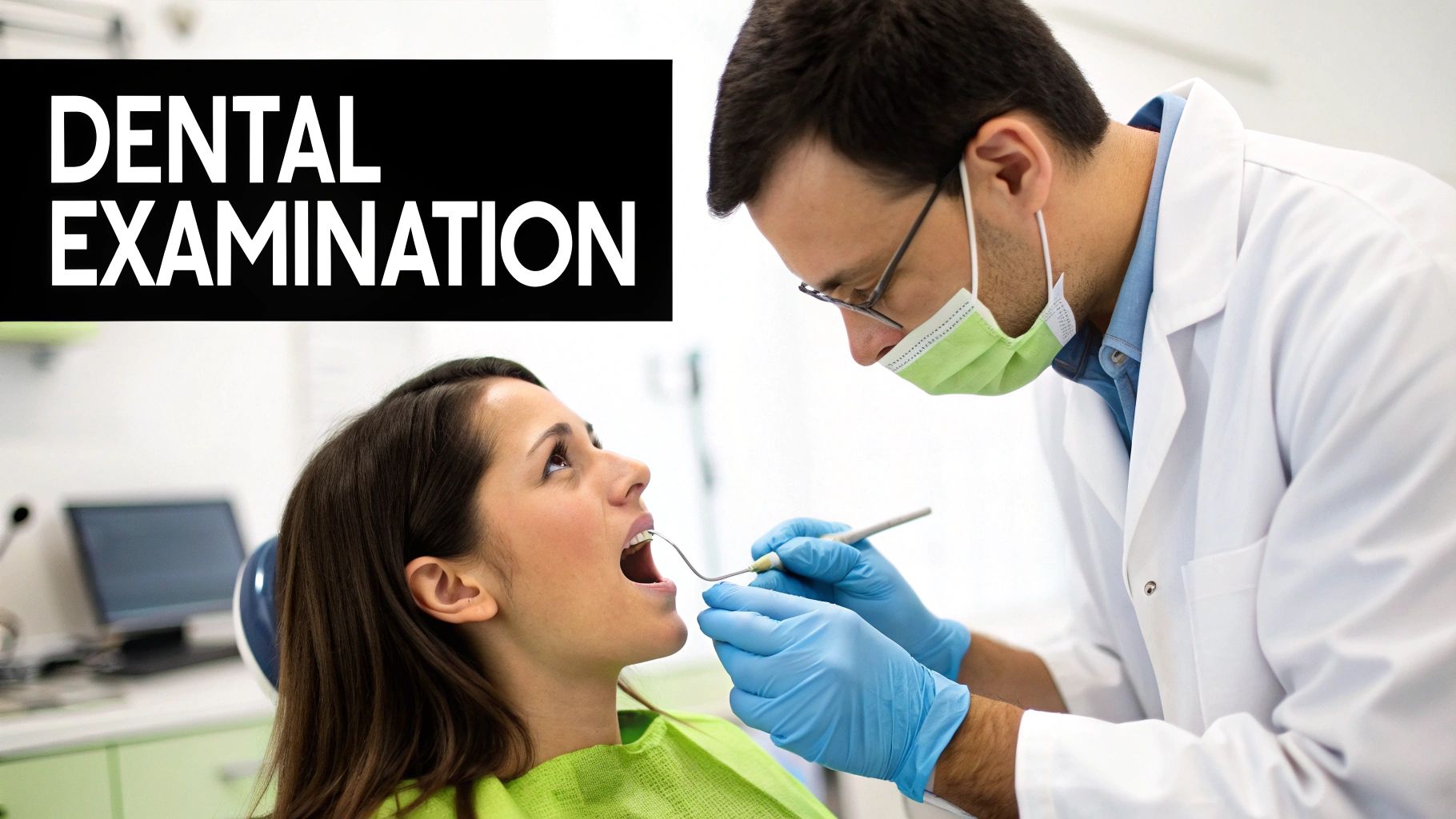
Pain in the face, mouth and jaw affects everyone differently – but research shows clear patterns in how men and women experience these conditions. Understanding these differences isn't just academic – it directly impacts how we diagnose and treat orofacial pain effectively.
Hormones Make a Big Difference
The monthly ebb and flow of female hormones plays a major role. When estrogen and progesterone levels shift during menstruation, pregnancy, and menopause, women often feel pain more intensely. These hormonal changes can also affect the jaw joint, potentially leading to temporomandibular disorders (TMD). This helps explain why women tend to experience more orofacial pain at certain times.
It's Also About Physical Differences
Physical traits matter too. Women typically have smaller jaws and thinner cartilage in their temporomandibular joints compared to men. Think of it like having a smaller shock absorber – it can make the joint less stable and more prone to pain. Scientists are still studying how these structural differences work together with other factors.
The numbers tell a clear story about TMD-related facial pain. A Swedish study spanning 2010-2017 found that 2.5% of women developed TMD pain each year, compared to just 1.2% of men. Women also tended to have longer-lasting pain. Read the full research here.
Mind and Society Matter Too
Mental health and social factors shape how we experience pain. Women are more likely to deal with anxiety and depression, which can make pain feel worse. Social expectations about how women "should" handle pain might affect whether they speak up about it or seek help. These complex factors all influence treatment outcomes.
Treatment Should Fit the Individual
Cookie-cutter treatments don't work well for orofacial pain. Each person needs care that considers their specific situation – their hormone patterns, physical traits, and mental health. When doctors account for these differences, patients have better chances of managing their pain and getting back to normal life.
Mapping the Landscape of Orofacial Pain Conditions

Pain in your face, mouth or jaw can really disrupt daily life. These orofacial pain conditions come in many forms, each with unique symptoms and challenges. Let's break down the different types of facial pain to help you better understand what might be causing your discomfort.
Common Orofacial Pain Conditions
The temporomandibular joint (TMJ) causes problems for many people when it's not working right. You might notice your jaw clicking, feeling stiff, or hurting when you eat or talk. Teeth grinding (bruxism) is another frequent issue – many people do this while sleeping without realizing it, leading to sore jaws and worn-down teeth. And let's not forget about headaches – from tension headaches to migraines, these can make your whole face feel miserable.
Less Common But Important Conditions
Some facial pain conditions are rare but pack a serious punch. Burning mouth syndrome makes people feel like their mouth is on fire, even when nothing looks wrong. Trigeminal neuralgia brings sharp, shocking facial pain that even a light touch can set off. Atypical facial pain sticks around with no clear cause, making it tough for doctors to pin down. Even common problems like sinusitis or ear infections can spread pain across your face.
Prevalence and Impact of Orofacial Pain
The numbers tell an interesting story about how many people deal with facial pain. While only about 1.12% of adults get Burning Mouth Syndrome, up to 80.80% of cancer patients experience facial pain during treatment. For kids, the range is huge – from just 0.20% having TMJ joint problems to 83% getting headaches. These stats show why we need better ways to help people with facial pain. Check out more details in this research article.
Recognizing Warning Signs and Seeking Care
Knowing what to look for helps you catch problems early. If you notice ongoing pain, trouble chewing, problems talking, or changes in how your jaw moves, it's time to see a doctor. Getting help early can make a big difference in how well treatments work and help you feel better faster.
Breaking Free From Chronic Pain: Advanced Management Strategies
Living with chronic orofacial pain can make simple daily activities feel impossible. Whether it's enjoying a meal, having a conversation, or getting restful sleep – the persistent discomfort can take over your life. But there's good news: with the right management approach, you can take back control and find relief.
Understanding the Complexity of Chronic Orofacial Pain
The tricky thing about facial pain is that it rarely has a single cause. For some people, the source is their temporomandibular joint (TMJ) – that crucial hinge connecting jaw to skull. Others deal with myofascial pain from tight spots in their facial muscles. And here's a surprising fact: this condition hits women especially hard. Research shows that 82.4% of patients are female, and many endure the pain for a median of four years. Simple things like chewing or talking can set it off. You can learn more about ongoing facial pain here: Science.gov Orofacial Pain Resources
Integrating Traditional and Innovative Therapies
Getting better usually means trying several approaches at once. Think of it like building a toolkit: you might need pain medication, exercises from physical therapy, and even some counseling to handle the mental load of chronic pain. What works best? Usually, it's a mix of treatments tailored to your specific situation.
Building a Supportive Healthcare Team
You shouldn't face chronic pain alone. Building a solid support network of healthcare pros makes a huge difference. Your team might include your regular doctor, dentist, physical therapist, and maybe a counselor – all working together to create your personal recovery plan. They'll look at both the physical pain and how it affects your mental health.
Practical Techniques for Pain Reduction
There's plenty you can do at home to feel better too. Try heat packs when you're stiff, ice when you're sore, and take time to breathe deeply when stress kicks in. Gentle jaw stretches can keep you mobile and pain-free. And here's something cool: myofunctional therapy – special exercises for your face and mouth muscles – can really help. These exercises strengthen your tongue and teach better breathing patterns to ease jaw tension. Check out MyoHab for guided exercises and expert support.
Understanding your pain and actively working to manage it can open the door to better days ahead. While chronic orofacial pain is tough, you've got options – and hope – for real relief.
Global Health Crisis: The Hidden Impact of Orofacial Conditions
Orofacial conditions affecting the mouth, face, and jaw represent a major public health issue that often flies under the radar. While these disorders may not make headlines, they deeply impact both personal wellbeing and healthcare systems across the globe. Let's explore why these conditions matter and how they shape public health worldwide.
The Global Burden of Orofacial Disease
The numbers paint a stark picture – oral diseases affect nearly 3.5 billion people globally according to the World Health Organization's 2022 report. Oro-dental trauma alone impacts roughly 1 billion people, with children being especially vulnerable. About 20% of kids under 12 experience these injuries. Birth defects like orofacial clefts occur in 1 out of every 1,000-1,500 births worldwide. These statistics highlight an urgent need for better oral healthcare access and prevention.
Economic and Social Impacts
The effects of orofacial conditions reach far beyond medical costs. When people struggle with eating, speaking, or chronic pain, their work productivity drops significantly. Many face social isolation and reduced quality of life, making it harder to succeed at work, school, or in relationships. This makes orofacial health both a medical and social priority.
Accessibility Challenges and Solutions
Quality orofacial care remains out of reach for many people, especially in lower-income regions where even basic dental services are scarce. This gap in care hits vulnerable populations hardest. However, new approaches offer hope – mobile dental clinics bring care directly to communities, while telemedicine connects patients with specialists remotely. Local health programs also help expand basic services to underserved areas.
Preventive Strategies and Public Health Initiatives
Prevention remains the most effective way to reduce orofacial disease burden. Key strategies include:
- Teaching proper oral hygiene from childhood
- Running school-based education programs
- Promoting healthy eating habits
- Discouraging tobacco use
- Ensuring early screening and treatment
When communities invest in prevention and early care, they can dramatically improve health outcomes and reduce the long-term impact of orofacial conditions. Public health campaigns play a vital role in spreading awareness and encouraging proactive oral health habits.
The Future of Orofacial Care: Breakthrough Innovations
Major advances in orofacial care are opening new possibilities for patients. Recent developments in technology and research methods have enabled more accurate diagnosis and customized treatment plans. These improvements bring real benefits to people dealing with orofacial conditions in their daily lives.
AI and the Orofacial Future
Artificial intelligence is bringing significant improvements to orofacial healthcare. AI systems can now scan medical images with remarkable accuracy, helping doctors spot subtle issues that could be easily missed. This means patients can get the right treatment sooner, leading to better results. AI also helps create personalized treatment plans by analyzing each patient's unique health data, including their medical background and genetic factors, to find the most effective approach.
Advances in Pain Management
Living with chronic orofacial pain is challenging, but new treatments are showing promising results. Myofunctional therapy helps patients retrain their facial muscles through specific exercises that improve breathing and swallowing while reducing jaw tension. Simple practices like tongue strengthening and nose breathing exercises have helped many people find relief from TMJ pain. New targeted medication delivery systems are also making a difference by focusing treatment exactly where it's needed, especially helpful for conditions like trigeminal neuralgia.
Modern Surgical Methods
Surgery for orofacial conditions has become much gentler and more precise. Smaller incisions and robot-assisted procedures mean patients recover faster and experience less discomfort. Surgeons can now perform complex operations with better accuracy, causing minimal damage to surrounding tissues. 3D printing technology has also improved reconstructive surgery by allowing doctors to create custom-fitted implants that match each patient's unique facial structure.
New Research and Treatment Options
Many research studies are testing fresh approaches to treating orofacial conditions. Scientists are exploring gene therapy to address inherited disorders that affect the face and mouth. Other research focuses on new medications that target specific types of pain and inflammation. These studies show the ongoing work to find better solutions for patients.
Preparing for the Next Generation of Orofacial Care
Knowing about these new treatments helps patients make better choices about their care. MyoHab offers easy access to myofunctional therapy exercises and expert advice. By combining new methods with proven treatments, people can take charge of their orofacial health.
Looking to try personalized myofunctional therapy? Find out how MyoHab can help improve your breathing, reduce pain, and boost your overall health. Visit MyoHab to learn more and begin your path to better orofacial health.

