
The Reality of Living with Crohn's Disease
Having Crohn's disease means facing daily challenges that affect nearly every aspect of life. While around 780,000 Americans currently live with this inflammatory bowel disease (IBD), each person's experience is deeply personal and complex. The condition demands constant attention to medical needs, lifestyle changes, and emotional wellbeing – making it much more than just a set of physical symptoms to manage.
The Daily Impact of Crohn's
Living with Crohn's means dealing with more than just digestive problems. Simple activities like going out with friends or handling work commitments become complex puzzles when you need to factor in potential bathroom emergencies or sudden energy crashes. The physical discomfort of inflammation can make ordinary tasks feel like major hurdles. Beyond the physical toll, many people struggle with feelings of anxiety, loneliness, and frustration. This highlights why support needs to address both the physical symptoms and mental health aspects of living with Crohn's.
Understanding the Rising Diagnosis Rates
More people, especially young adults in developed countries, are being diagnosed with Crohn's disease each year. Scientists still don't fully understand why this is happening, but they're studying several possible factors. For instance, research shows that genetics play a role, while diet, stress levels, and environmental factors might also contribute to who develops the condition. As diagnosis rates continue to climb, medical researchers are working hard to develop better treatments and find ways to prevent the disease. Their work is essential for improving life quality for people with Crohn's and reducing its impact on public health.
Navigating the Complexities of Treatment
Finding effective treatment for Crohn's often feels like solving a puzzle with many pieces. Most people need a mix of medications, dietary changes, and lifestyle adjustments to manage their symptoms. What works for one person might not help another – some find relief with just medications, while others need several different approaches working together. This is why close partnerships between patients and their doctors are so important. Staying informed about new research and treatment options helps patients take an active role in their care decisions.
The Importance of Support and Understanding
Having strong support makes a big difference when living with Crohn's disease. Connecting with others who face similar challenges can provide both practical advice and emotional comfort. Support groups, online communities, and patient organizations create spaces where people can share their experiences and feel less alone. When families, workplaces, and communities better understand Crohn's disease, it helps reduce stigma and creates more supportive environments. This understanding can make day-to-day life easier for people managing this chronic condition.
Recognizing Your Body's Warning Signs
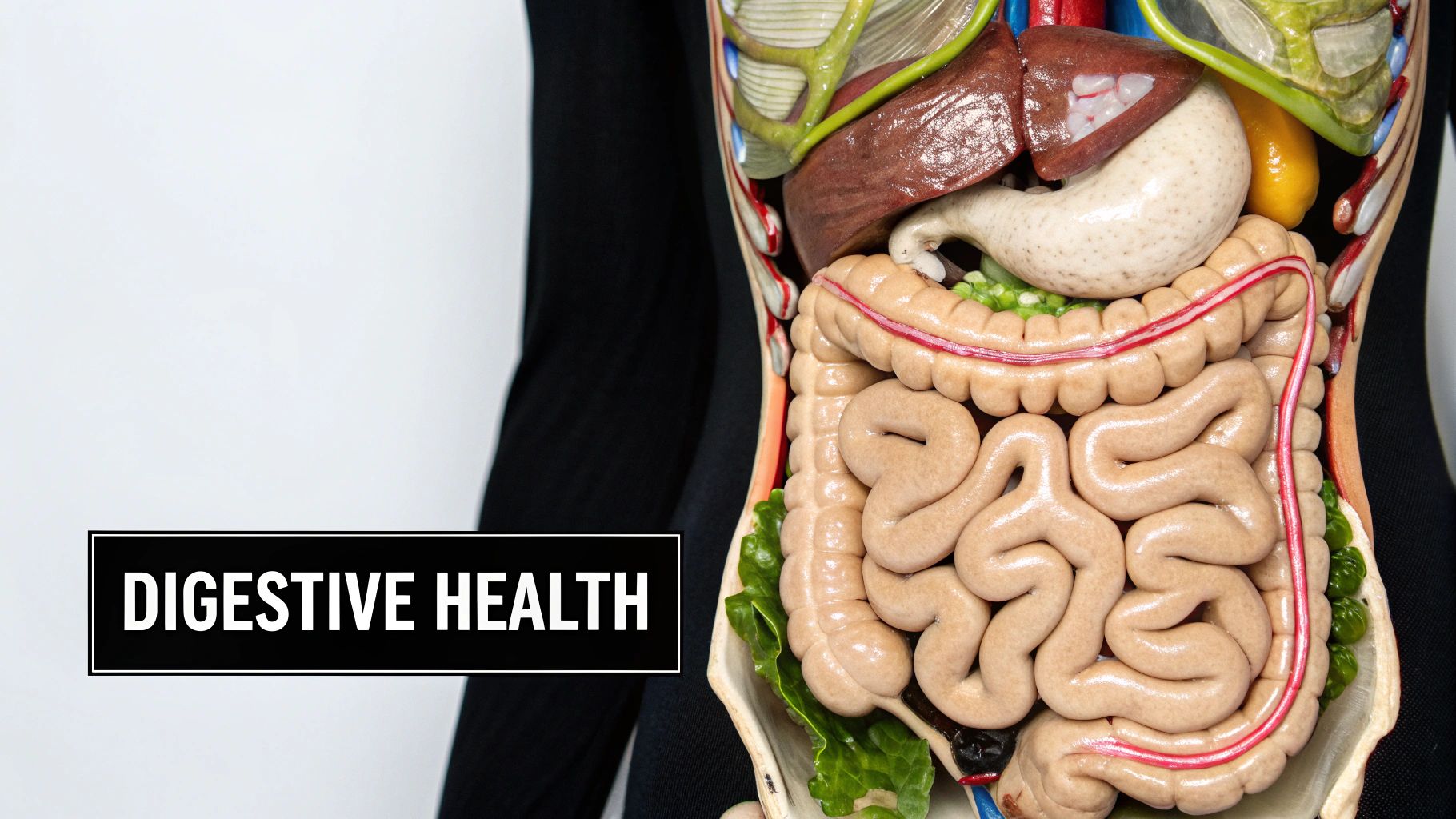
Living with Crohn's disease involves much more than most people realize. While digestive problems are well-known symptoms, this chronic condition affects nearly 780,000 Americans in many unexpected ways. Understanding these diverse signs is key to getting diagnosed and treated early.
Beyond the Gut: Extraintestinal Manifestations
When you have Crohn's disease, the effects can show up far from your digestive system. Joint pain might flare up in your knees or hands. Skin rashes could appear seemingly out of nowhere. Even your eyes might become red and irritated. These symptoms, called extraintestinal manifestations, often puzzle both patients and doctors since they seem unrelated to digestion. Many people also deal with constant tiredness and unexplained weight loss, making it tough to connect these scattered symptoms back to Crohn's disease.
The Variability of Symptoms
No two people experience Crohn's disease exactly the same way. One person might rush to the bathroom frequently with severe stomach pain, while another mainly struggles with exhaustion and achy joints. This wide range of symptoms often makes it hard for doctors to diagnose Crohn's quickly – the pieces don't always fit together obviously at first. Understanding this variety helps both medical professionals and patients work together to find the right treatment approach for each person's unique situation.
Identifying Subtle Clues and Patterns
Sometimes the early signs of Crohn's disease are easy to brush off. A low fever that comes and goes, mouth sores that keep returning, or gradual changes in bathroom habits might not seem serious at first. That's why keeping track of these subtle signs is so important. Writing down your symptoms in a daily journal, including when they happen and how long they last, helps spot patterns over time. This detailed record becomes valuable information for your healthcare team to understand your specific case.
Communicating Effectively with Your Doctor
Clear communication with your doctor makes a big difference in managing Crohn's disease. Be specific when describing your symptoms – when did they start? How bad do they get? What makes them better or worse? Share any patterns you've noticed, like certain foods that upset your stomach or if stress seems to trigger flare-ups. Don't hold back from asking questions or raising concerns during appointments. Working closely with your healthcare team helps ensure your treatment plan fits your needs and leads to better results.
Building Your Personal Treatment Strategy
Managing Crohn's disease is highly individual. Since the condition affects nearly 780,000 Americans differently, there's no standard treatment that works for everyone. Creating an effective plan requires working closely with your gastroenterologist to develop an approach specifically suited to your symptoms and goals.
Understanding Your Crohn's Disease
Getting to know your specific form of Crohn's disease is the crucial first step. Your doctor will carefully evaluate where inflammation occurs in your digestive tract and how severe it is. Some people primarily experience issues in the ileum (the end portion of the small intestine), while others have inflammation in their colon. The intensity can range from mild to severe cases. This detailed assessment helps create the foundation for your treatment strategy.
Medication Options for Crohn's Disease
Medications are central to managing Crohn's symptoms effectively. The main types include aminosalicylates, corticosteroids, immunomodulators, and biologics. Each works in different ways to control inflammation. For example, medications like prednisone help quickly calm severe flare-ups, while others like azathioprine work over time to keep your immune system in check. Your doctor will recommend specific medications based on where your disease occurs, how severe it is, your overall health, and how you've responded to past treatments.
The Role of Complementary Therapies
Beyond standard medical treatments, many people find additional relief through complementary approaches. This might include specific dietary changes, stress reduction techniques, or regular exercise. However, it's essential to discuss any complementary treatments with your doctor first. What helps one person might not work for another, especially since Crohn's can affect other parts of the body – up to 46% of patients experience symptoms outside their digestive system.
Advocating for Your Needs
Success in managing Crohn's depends on clear communication with your healthcare team. Don't hesitate to ask questions about your medications, their side effects, or your treatment goals. Being honest about your experiences and any difficulties you face helps ensure your treatment plan fits your daily life and personal values. This open dialogue helps you and your medical team work toward long-term symptom relief and better quality of life. Remember that managing Crohn's is ongoing – your treatment plan may need adjustments as your condition changes, making it vital to stay involved in your care decisions.
Mastering Diet and Lifestyle Management

Living well with Crohn's disease requires more than medications alone. The key is finding the right mix of diet choices, stress relief, and physical activity that works for your body. When you understand how these factors affect your symptoms, you can make informed decisions to feel your best each day.
Identifying Trigger Foods and Planning Nutritious Meals
Finding your food triggers takes some detective work, but it's worth the effort. Rather than eliminating whole food groups right away, start by keeping a detailed food diary. Write down everything you eat and any symptoms that follow – from stomach discomfort to energy changes. This helps you spot patterns over time. For instance, you might notice dairy products cause issues, in which case you could try lactose-free options to see if they sit better with you. Working with a registered dietitian who knows Crohn's disease can help you build meal plans that avoid trigger foods while getting all the nutrients you need.
The Power of Stress Management in Crohn's Disease
We know stress can set off Crohn's symptoms, so having ways to stay calm is essential. Simple practices like taking five deep breaths when you feel overwhelmed or doing gentle stretches can help settle your nervous system. Many people find relief through meditation, yoga, or just taking quiet time to themselves. Talking with others who understand – whether friends, family, or a counselor – also helps process the emotional side of living with Crohn's. When you manage stress effectively, you often notice improvements in your physical symptoms too.
Incorporating Exercise for Overall Health
Moving your body regularly helps both mind and body, even during flare-ups – it's just about finding the right activities. Walking, swimming, and bike riding are great options since they're gentle on your system while still providing benefits like stronger muscles and better circulation. The key is listening to your body's signals. On good days, you might enjoy a longer workout, while during flares, a short walk around the block might be plenty. Check with your doctor about what exercises make sense for you. Regular movement, done carefully and consistently, can really boost your quality of life with Crohn's disease.
Preventing and Managing Complications
Living with Crohn's disease requires more than just managing daily symptoms – it's essential to understand and address potential long-term complications that can arise. By taking the right steps early on, you can help prevent these issues from developing or catch them before they become severe.
Common Complications of Crohn's Disease
Among the nearly 780,000 Americans with Crohn's disease, several complications can develop over time. One of the most frequent issues is strictures – narrow sections in the intestine caused by ongoing inflammation that leads to scarring. When these develop, they can block food from moving through normally, causing pain, cramping and vomiting. Fistulas are another concern – these are abnormal tunnels that form between different parts of the intestine or connect to other organs nearby, often leading to infections. The disease can also interfere with your body's ability to absorb nutrients properly, putting you at risk for problems like anemia, weak bones, and other health issues tied to nutritional deficiencies.
Recognizing Early Warning Signs
Catching complications early makes a big difference in how well they can be treated. Keep an eye out for any lasting changes in your bathroom habits, increasing belly pain, or unexplained fevers – these could point to a developing stricture or fistula. Don't ignore subtle signs of poor nutrition either, like feeling extra tired, looking pale, or having brittle nails. These seemingly small changes often signal that something bigger is going on underneath. Make sure to tell your doctor about any new symptoms, even if they seem minor.
Proactive Prevention Strategies
You can take several steps to lower your risk of complications. The most important is sticking to your medication schedule exactly as prescribed – this helps keep inflammation under control at its source. What you eat matters too. Working with a registered dietitian can help you plan meals that give your body what it needs while avoiding foods that might trigger symptoms. Finding healthy ways to handle stress, whether through quiet meditation or regular workouts, can also help reduce flare-ups and keep complications at bay.
Working with Your Healthcare Team
Building a strong relationship with your medical team is crucial for staying ahead of potential problems. Regular check-ups give your doctors the chance to spot issues early, and being open about how you're feeling helps them adjust your treatment plan as needed. Don't be shy about asking questions – understanding your condition helps you make better choices about your care. Your healthcare providers are there to guide you through the ups and downs of managing Crohn's disease and help you stay as healthy as possible. Taking an active role in your treatment, together with your medical team, gives you the best shot at preventing complications and living well with Crohn's disease.
Thriving Beyond the Diagnosis

Getting a Crohn's disease diagnosis can feel like your world has been turned upside down. But here's the truth – while Crohn's may be part of your story, it doesn't have to be the whole story. Many people live rich, active lives while managing this condition. Let's explore practical ways to thrive, not just survive, with Crohn's disease.
Building a Support System
Having people in your corner makes all the difference when living with Crohn's disease. The right support network can help you handle both everyday challenges and difficult days.
- Online Communities: Connect with others through forums and social media groups where you can share experiences, get advice, and find encouragement from people who truly get it.
- Local Support Groups: Meeting others face-to-face in your area creates meaningful connections and practical support networks. These groups often share local resources and tips.
- Family and Friends: Help your loved ones understand Crohn's by explaining your needs clearly. When they know more, they can support you better – whether that's being flexible with plans or just lending an ear.
Maintaining a Fulfilling Career
Your career goals don't have to take a backseat to Crohn's disease. Success at work comes down to smart planning and clear communication.
- Flexible Work Options: Consider discussing remote work or flexible scheduling with your employer to better manage appointments and unexpected flares.
- Know Your Rights: Learn about workplace disability laws and reasonable accommodations – this knowledge helps you advocate for yourself effectively.
- Self-Care at Work: Make your workday more comfortable by taking regular breaks, staying hydrated, and keeping healthy snacks on hand.
Navigating Social Situations and Travel
Don't let Crohn's keep you from enjoying life's adventures. With some preparation, both socializing and traveling become much more manageable.
- Plan Ahead: Map out restroom locations when traveling, pack extra supplies, and consider travel insurance. For social events, scout restaurants with good facilities and have backup plans ready.
- Be Open About Your Needs: Let friends know what works for you – they'll often be happy to pick restaurants or plan activities that fit your needs.
- Keep Living: Focus on making memories and having fun. Crohn's might mean making adjustments, but it shouldn't stop you from enjoying time with people you care about.
Cultivating Emotional Resilience
Managing Crohn's takes emotional strength. Building resilience helps you bounce back from tough days and maintain a positive outlook.
- Mindfulness and Meditation: These practices help reduce stress, which often affects Crohn's symptoms. Even five minutes of quiet reflection can make a difference.
- Therapy and Counseling: Working with a therapist who understands chronic illness can give you tools to handle challenges better.
- Positive Self-Talk: Remind yourself of your strengths and achievements. Bad days don't define you – they're just part of the journey.
Living well with Crohn's means finding your own path forward. It takes time to figure out what works best for you, but you've got this. For those dealing with related breathing, sleep, or TMJ issues, check out myohab for helpful myofunctional therapy exercises. Remember – you're stronger than you think, and there are always people and resources ready to help you thrive.

