
Recognizing Early Warning Signs of SIBO

If you've been experiencing ongoing digestive issues, you might be wondering if Small Intestinal Bacterial Overgrowth (SIBO) could be the cause. Learning to spot the early signs of SIBO can help you get proper care sooner rather than later. Let's explore the key symptoms to watch for.
Common Gastrointestinal Symptoms
The main signs of SIBO show up in your digestive system. Many people notice bloating as one of the first symptoms – that uncomfortable, swollen feeling in your belly that gets worse as the day goes on, even if you've only eaten small meals. Gas is another major clue – you might find yourself burping more often, dealing with flatulence, or hearing lots of gurgling sounds in your stomach. This extra gas happens because the overgrown bacteria are busy fermenting food in your small intestine.
Stomach pain is also common with SIBO. You might feel anything from mild cramping to sharp pains in your abdomen. Your bathroom habits may change too – some people get diarrhea, others become constipated, and many switch back and forth between the two. These changes happen because the excess bacteria interfere with how your body normally processes food.
Less Common, but Important Indicators
While the digestive symptoms are most obvious, SIBO can cause other issues you might not expect. Some people feel nauseous or throw up after eating because their body struggles to handle food properly. You might lose weight without trying, since SIBO can prevent your body from absorbing nutrients from food. Feeling tired all the time is another sneaky symptom – your body uses up extra energy trying to cope with SIBO's effects on digestion.
Differentiating SIBO Symptoms from Other Conditions
Since SIBO symptoms look similar to other digestive problems, paying attention to specific patterns can help identify what's really going on. For instance, if you notice bloating and gas shortly after eating foods with carbs, that's a potential SIBO red flag. But if your bloating isn't connected to eating, something else might be the cause.
Writing down your symptoms can make a big difference. Note what you eat, when problems occur, and how bad they are. This information helps your doctor figure out what's happening. Also watch for unusual symptoms beyond digestion – things like skin problems, achy joints, or mental fog might point to SIBO or related issues. Having these details ready when you see your doctor will help you get the right diagnosis and treatment plan.
Navigating the SIBO-IBS Connection

Living with digestive issues can feel like solving a complex puzzle, especially when it comes to small intestinal bacterial overgrowth (SIBO) and irritable bowel syndrome (IBS). These two conditions share many symptoms, making it tricky for both patients and doctors to pinpoint what's really going on. Let's explore how these conditions intersect and what that means for getting proper care.
Why SIBO and IBS Symptoms Overlap
If you've dealt with bloating, gas, stomach pain, or irregular bowel movements, you might wonder whether you have SIBO or IBS – or possibly both. The reason these conditions are often confused is simple: they cause remarkably similar symptoms. When bacteria overgrow in the small intestine with SIBO, they produce gas that leads to bloating and discomfort – the same feelings many IBS patients experience daily. This similarity often leads to confusion in the doctor's office.
The Impact on Diagnosis and Treatment
Getting the right diagnosis is crucial for feeling better, but it's not always straightforward. Some people might have just SIBO, others only IBS, and some could be dealing with both conditions at once. This means that treating one condition might not solve all your digestive troubles if you're actually facing both issues. That's why working with a doctor who can thoroughly evaluate your symptoms is so important – they can help figure out exactly what's going on in your gut.
How Gastroenterologists Approach the SIBO-IBS Overlap
Doctors who specialize in digestive health know they need to look at the bigger picture. They typically use breath tests to check for SIBO while also considering whether your symptoms match the standard criteria for IBS. Many also dig deeper to understand if there might be underlying issues, like problems with how food moves through your digestive system, that could be contributing to both conditions.
The Current Research Landscape
Scientists are working hard to better understand how SIBO and IBS connect. Their research focuses on several key areas: the communities of bacteria living in our guts, how our intestines move food through our bodies, and how our immune systems affect these conditions. Some studies have found that treating SIBO can help reduce IBS symptoms in certain patients, showing just how closely these conditions can be linked.
Implications for Symptom Management
Understanding the connection between SIBO and IBS helps you take charge of your health. When you know how these conditions overlap, you can have more productive conversations with your healthcare provider about testing and treatment options. You might discuss specific dietary changes, explore different medications, or try other approaches to manage your symptoms. Being informed helps you work with your doctor to find the best path forward for your specific situation.
Understanding SIBO's Full-Body Impact
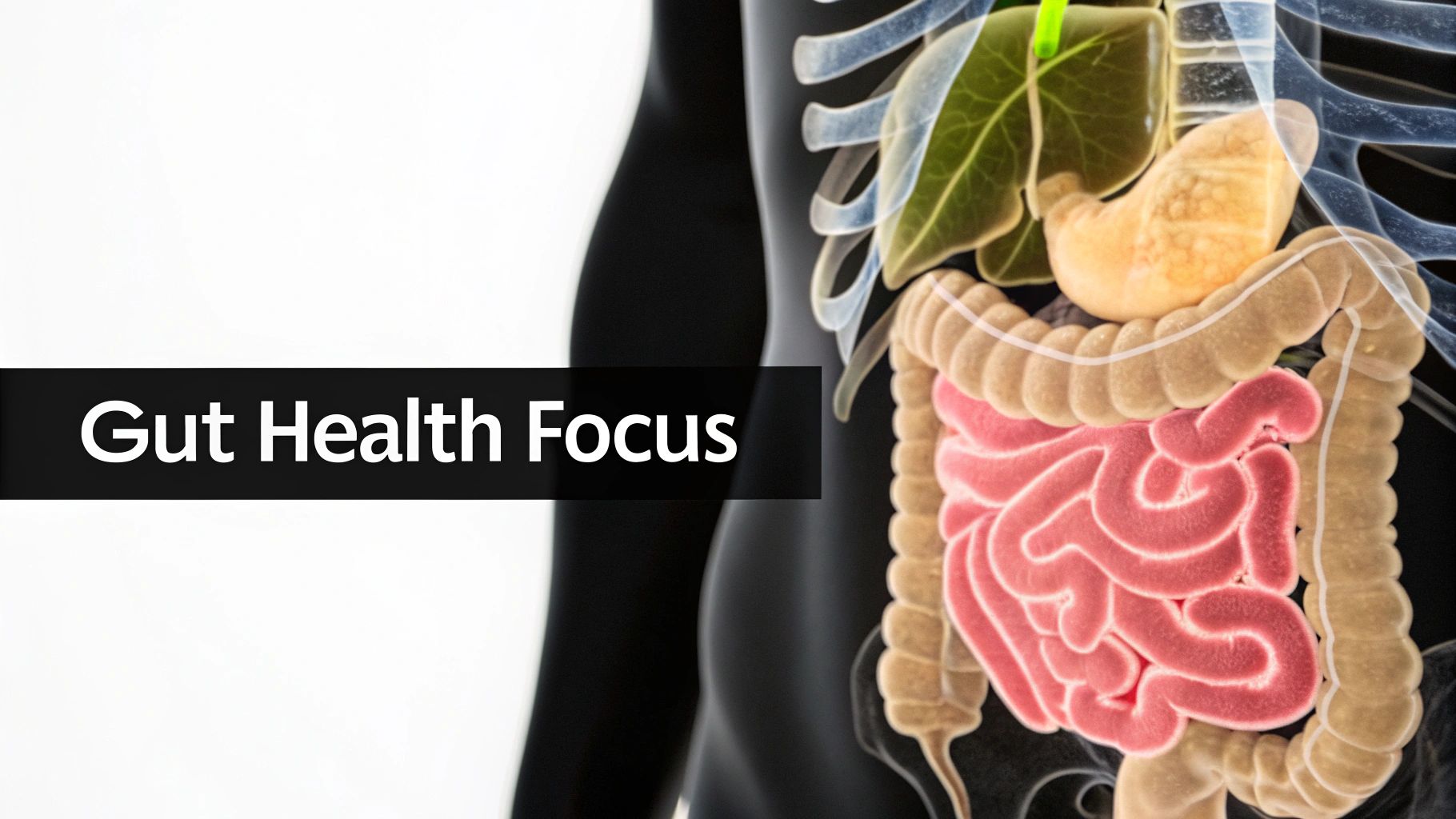
Most people associate SIBO with digestive problems, but its effects can reach far beyond your gut. The bacteria overgrowing in your small intestine can trigger a cascade of issues throughout your body. Let's explore how SIBO impacts different body systems and why recognizing these connections matters for getting better.
Nutrient Deficiencies and SIBO
When bacteria overgrow in your small intestine, they basically become unwanted dinner guests – eating up nutrients before your body can absorb them. These bacteria particularly love vitamin B12, which can leave you feeling exhausted and weak, sometimes even causing nerve problems. The trouble doesn't stop there. SIBO also makes it hard for your body to absorb fats and fat-soluble vitamins (A, D, E, and K). Without proper absorption, you might lose weight unexpectedly or develop bone problems since your body can't get enough calcium and vitamin D.
Skin Manifestations and SIBO
Your gut and skin are closely connected, which is why SIBO often shows up on your skin. The inflammation from gut bacteria can make skin conditions like acne, eczema, and rosacea worse. When you're not absorbing nutrients properly, your skin suffers too. For example, if you're low on vitamin A, your skin might become dry and flaky. Not getting enough vitamin D? That could make psoriasis flare up. This is why treating SIBO often helps clear up stubborn skin problems.
SIBO's Impact on Energy Levels and Mood
Feeling tired all the time or having trouble thinking clearly? SIBO might be the culprit. When your body is fighting constant inflammation and can't get the nutrients it needs, your energy naturally drops. Plus, your gut and brain are always talking to each other through something scientists call the gut-brain axis. When SIBO disrupts this conversation, it can mess with your brain chemicals and lead to feelings of anxiety or depression.
Other Systemic Effects of SIBO
SIBO's influence spreads even further through your body. Some people find their joints aching, likely due to inflammation spreading from their gut. This same inflammation might trigger or worsen autoimmune conditions. Scientists have even found links between SIBO and certain brain disorders. These wide-ranging effects show why doctors need to look at the whole picture when treating SIBO. A good treatment plan often includes changing what you eat, using specific medicines to control bacterial growth, and taking steps to keep your gut healthy overall.
Making Sense of SIBO Testing Options

Getting tested for small intestinal bacterial overgrowth (SIBO) is essential for proper diagnosis and treatment. While SIBO symptoms can overlap with other digestive disorders, specific testing helps pinpoint the root cause. Let's explore the different testing options available so you can have an informed discussion with your doctor about which approach makes the most sense for your situation.
The Gold Standard: Breath Testing
Breath testing is the most common and practical way to check for SIBO. Here's how it works: After fasting overnight, you drink a sugar solution (either lactulose or glucose) and provide breath samples at set intervals. The test measures hydrogen and methane gas levels produced by bacteria in your small intestine. When these gases rise above normal levels, it indicates bacterial overgrowth. The whole process is painless and takes 2-3 hours.
Variations in Breath Testing
Not all breath tests are created equal. The lactulose test is popular because it can detect bacterial overgrowth throughout the entire small intestine. Some doctors prefer glucose testing since it moves through the gut more quickly and may give fewer false positive results. Your doctor will recommend the most appropriate test based on your symptoms, medical history, and other factors.
Interpreting Breath Test Results
Reading breath test results isn't always straightforward. While high hydrogen or methane levels generally point to SIBO, many variables can affect the numbers. Your individual metabolism, current medications, and even differences between testing labs can impact results. That's why it's crucial to review your results with a doctor who regularly works with SIBO patients and understands these nuances.
Beyond Breath Tests: Other Diagnostic Options
Sometimes breath testing isn't enough to get clear answers. In these cases, your doctor might suggest a jejunal aspirate – a procedure where they take a small fluid sample directly from your small intestine to test for bacteria. While more invasive than a breath test, this method can identify specific bacterial strains and provide definitive proof of SIBO. Research continues on new testing methods too. For example, scientists are exploring ways to analyze gut microbiome patterns and inflammatory markers that might signal SIBO. Keeping up with these developments helps you make smart choices about testing and treatment.
SIBO in Vulnerable Populations
While SIBO can affect anyone, certain groups face a higher risk of developing this condition. Understanding how SIBO manifests differently in vulnerable populations helps ensure proper diagnosis and treatment for these individuals.
Children and SIBO
Children, especially those in developing countries or facing economic challenges, show higher rates of SIBO compared to the general population. Poor nutrition, weaker immune systems, and exposure to contaminated food and water all play a role. Studies have found that malnourished children are particularly susceptible since their gut bacteria and immune defenses are still developing. The tricky part is that SIBO symptoms in kids often look similar to common childhood stomach issues. Parents should watch for ongoing problems like bloating, excessive gas, stomach pain, and unusual bowel movements that don't resolve on their own.
Older Adults and SIBO
Our digestive system changes naturally as we get older in ways that can set the stage for SIBO. Slower digestion, less stomach acid production, and reduced immune function all make it easier for bacteria to grow where they shouldn't. For example, when stomach acid levels drop, more bacteria can survive and multiply in the small intestine. Many older adults also take medications or have other health conditions that affect their gut function, further increasing their SIBO risk. While some digestive changes are normal with aging, ongoing symptoms shouldn't be ignored or written off as just "getting older."
Individuals With Underlying Health Conditions
Several medical conditions create the perfect environment for SIBO to develop. Diabetes can slow down digestion through its effects on nerve function. Autoimmune diseases often impact gut health. Physical issues in the digestive tract, like scarring or abnormal connections between organs, can create spots where bacteria accumulate. People with these conditions need to pay extra attention to potential SIBO symptoms and bring them up with their doctors early on.
Practical Strategies for Supporting Vulnerable Individuals
Taking care of SIBO in vulnerable groups requires a thoughtful, personalized approach that includes:
- Dietary Modifications: Working with a registered dietitian to adjust eating habits – this might mean reducing certain carbohydrates or following a specific SIBO-friendly meal plan
- Probiotics and Prebiotics: Using carefully chosen supplements to support healthy gut bacteria, but only under medical supervision
- Medication Management: Treating underlying conditions effectively to help resolve SIBO symptoms
- Lifestyle Adjustments: Including stress reduction techniques and appropriate physical activity to support overall digestive health
By understanding the specific challenges these groups face with SIBO, we can better help them manage their symptoms and improve their daily lives. The key is working closely with healthcare providers to develop treatment plans that account for each person's unique situation and needs.
Building Your SIBO Management Strategy
Managing small intestinal bacterial overgrowth (SIBO) requires an individualized approach based on your unique symptoms and triggers. Let's explore the key strategies that can help you take control of your SIBO symptoms and improve your quality of life.
Tracking and Identifying Your SIBO Triggers
Start by keeping a detailed symptom diary – it's one of the most effective ways to understand your body's responses. Record what you eat, your activities, stress levels, and any symptoms that arise. For example, if you notice bloating and discomfort after eating certain foods, your diary will help identify these patterns. Include details about your bowel movements, energy levels, and any other symptoms like skin changes or joint pain. These observations create a clear picture of how SIBO affects your daily life and gives you concrete information to share with your doctor.
The Power of Communication with Healthcare Providers
Your relationship with your healthcare provider plays a vital role in managing SIBO effectively. Bring your symptom diary to appointments – it provides much better information than trying to remember details after the fact. The specific patterns you've documented help your doctor make informed decisions about testing and adjusting your treatment plan. Ask questions freely and voice your concerns – this back-and-forth dialogue ensures your care plan stays aligned with your needs as they change over time.
Developing a Personalized Monitoring System
Beyond daily symptom tracking, work with your doctor to establish the right monitoring approach for your situation. This might include regular breath tests to measure how well your treatment plan is working. For instance, lower hydrogen and methane levels on breath tests can show that bacterial levels are improving. Keep in mind that results may vary, so stay in close contact with your doctor about any changes you notice.
Lifestyle Adjustments for Long-Term Management
Managing SIBO often means making lasting changes to your daily habits. This includes modifying your diet, finding effective ways to handle stress, and staying physically active. The low-FODMAP diet, for example, reduces certain carbohydrates that feed harmful bacteria in your small intestine. However, this diet requires guidance from a registered dietitian to ensure you're meeting all your nutritional needs. Making thoughtful choices about your diet and lifestyle, combined with regular check-ins with your healthcare team, helps create a solid foundation for managing your symptoms.
SIBO management takes patience and dedication, but effective relief is possible with the right approach. Consider exploring specialized exercises through myohab that may help improve your breathing patterns and overall wellbeing as part of your SIBO management plan. These targeted exercises could provide additional support on your path to better health.

