
Understanding Modern CPAP Therapy: Beyond the Basics
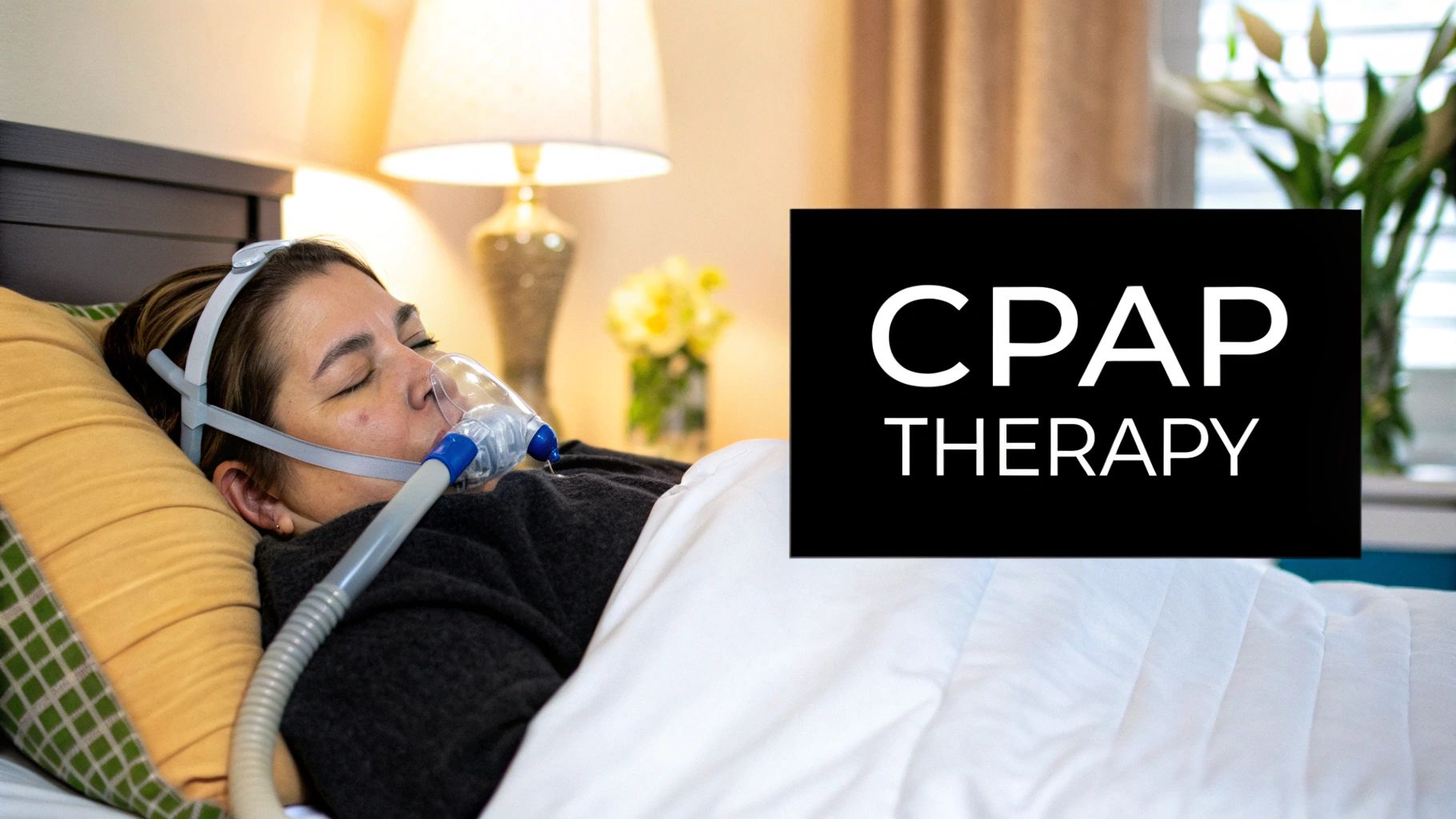
CPAP therapy remains the primary treatment for sleep apnea, and understanding its latest developments is essential for getting the most benefit. While the basic concept is straightforward, modern CPAP machines offer features and capabilities that can significantly improve treatment success.
Why CPAP Remains a Primary Treatment
The power of CPAP therapy lies in its simple but effective approach – delivering steady airflow to keep airways open during sleep. Research shows this method can reduce sleep apnea episodes by up to 85% when used consistently. For instance, patients who use CPAP for their full night of sleep see dramatic improvements in their Apnea-Hypopnea Index (AHI), which measures how many breathing interruptions occur per hour. However, using CPAP for only part of the night reduces its effectiveness proportionally – if you only use it for half your sleep time, you'll likely only see half the potential benefit. This makes establishing a consistent routine critical for success.
Modern Advancements in CPAP Technology
Today's CPAP machines are worlds apart from earlier models in terms of comfort and usability. Many now include built-in humidifiers to prevent dry mouth and throat, heated tubes that stop water condensation, and whisper-quiet motors that won't disturb sleep. Perhaps most importantly, newer machines can automatically adjust air pressure throughout the night based on your breathing patterns. Rather than delivering one fixed pressure level, these smart devices respond to your changing needs, making therapy more comfortable and effective. This dynamic pressure adjustment helps prevent common issues like mask leaks or feelings of too much or too little air pressure.
Overcoming CPAP Challenges: Mask Selection and Pressure Adjustment
Finding the right mask is often the biggest hurdle in CPAP therapy. A poorly fitting mask can cause air leaks, skin irritation, and general discomfort that makes regular use difficult. Fortunately, mask options now include everything from minimal nasal pillows to full-face coverage, letting users find their ideal match. Working with a sleep specialist is key during this process – they can help evaluate different masks and fine-tune pressure settings for optimal comfort and effectiveness. Regular check-ins with your specialist allow for ongoing adjustments as your needs change.
Integrating CPAP into Your Lifestyle
Making CPAP part of your nightly routine takes some adjustment, but modern features make it easier than ever. Many machines now connect to smartphone apps for tracking sleep data and therapy effectiveness. This information helps users and their doctors spot patterns and make improvements. Simple steps like regular exercise, maintaining a healthy weight, and avoiding alcohol before bed can boost CPAP's effectiveness. While getting used to CPAP therapy takes time, these advances in technology and personalized care approaches are helping more people succeed with their treatment.
The Rising Success of Oral Appliance Therapy
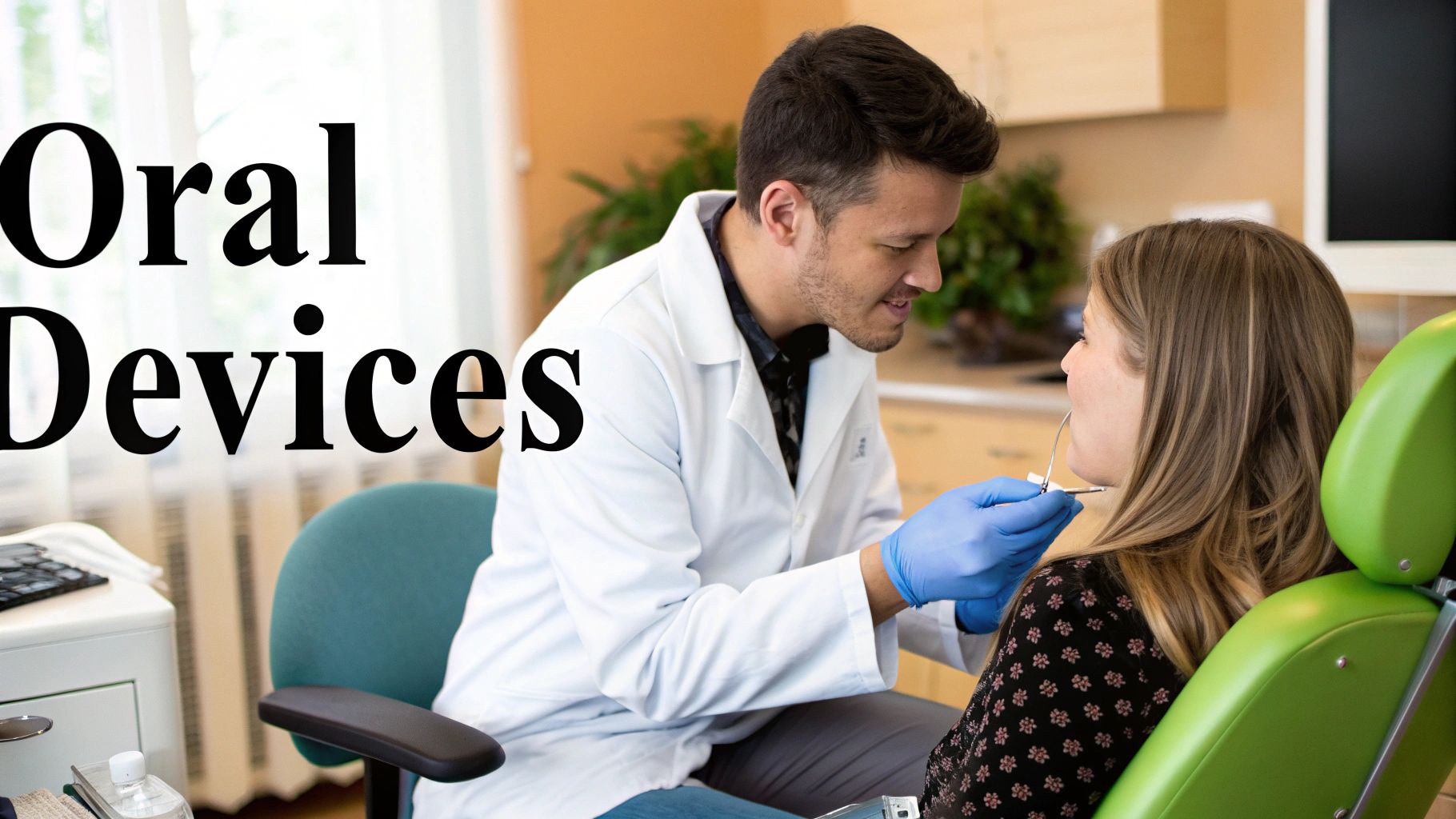
While CPAP therapy remains essential for sleep apnea treatment, oral appliance therapy has become an increasingly popular and effective option for many people. This approach offers a simpler, more comfortable way to manage sleep apnea compared to CPAP machines. Many patients find it easier to use consistently, which leads to better sleep and improved health outcomes over time.
Why Consider Oral Appliance Therapy?
Oral appliances work much like custom-fitted mouthguards, carefully positioning your jaw and tongue to keep your airway open while you sleep. For example, mandibular advancement devices (MADs) work by gently moving your lower jaw forward, which creates more space behind the tongue. Another option, tongue retaining devices (TRDs), hold your tongue in a forward position to prevent airway blockage. These simple but effective adjustments can significantly reduce sleep apnea episodes and help you sleep better. You can learn more about complementary treatments in our article about myofunctional therapy exercises.
Types of Oral Appliances and Fitting Technologies
Sleep apnea oral appliances come in different styles to match individual needs and mouth structures. The best device for you depends on factors like how severe your sleep apnea is, your jaw structure, and what feels most comfortable.
- Custom-Fitted Appliances: Made by dental professionals using advanced techniques like 3D scanning and digital modeling for the most precise, comfortable fit possible.
- Over-the-Counter Appliances: A more budget-friendly option that works well for mild cases or temporary use, though they don't offer the same custom fit as professional devices.
Determining Your Likelihood of Success with Oral Appliance Therapy
Success with oral appliance therapy depends on several key factors. Getting properly diagnosed by a sleep specialist is the first crucial step. Mild to moderate sleep apnea cases typically respond best to this treatment. Your commitment to using the device regularly also plays a big role in how well it works.
The following table shows what matters most for treatment success:
| Factor | Description |
|---|---|
| Sleep Apnea Severity | Mild to moderate cases generally respond well. |
| Proper Diagnosis | Essential to determine suitability. |
| Patient Compliance | Consistent use is crucial for optimal results. |
| Proper Device Selection | A custom-fitted device tailored to individual needs is often more effective. |
| Ongoing Professional Care | Regular check-ups with a sleep specialist or dental professional ensure proper fit and address any issues. |
For many people seeking alternatives to CPAP, oral appliance therapy offers real promise. By understanding the available devices, fitting process, and success factors, you can make smart choices about your treatment path. The comfort and simplicity of oral appliances often mean people actually use them consistently, helping them get the restful sleep they need for better health.
Breakthrough Upper Airway Stimulation Solutions

For people who struggle with traditional sleep apnea treatments like CPAP machines and oral devices, upper airway stimulation (UAS) offers a promising alternative. This treatment targets sleep apnea at its source by activating the nerves that control airway muscles. By keeping the airway open during sleep, UAS can significantly reduce or eliminate breathing interruptions.
How Upper Airway Stimulation Works
Think of UAS as a pacemaker for your airway. A small device implanted under the skin connects to a thin wire near the hypoglossal nerve, which controls tongue movement. When activated at bedtime using a handheld remote, the device sends gentle electrical signals that keep the tongue muscles engaged, preventing airway collapse during sleep. Patients simply turn it on before bed and off when they wake up.
Is Upper Airway Stimulation Right For You?
UAS isn't for everyone – it works best for specific cases of moderate to severe sleep apnea where CPAP or oral appliances haven't been successful. To determine if you're a good candidate, you'll need a thorough evaluation from a sleep specialist, including:
- Moderate to severe OSA (AHI of 15 or greater).
- Previous unsuccessful attempts with CPAP therapy.
- A BMI under 32.
- No significant anatomical issues that could interfere with the device.
Benefits and Limitations of Upper Airway Stimulation
Before considering UAS, it's important to understand what it can and can't do:
Benefits:
- Minimally invasive surgical procedure
- Better sleep quality and less daytime tiredness
- Often leads to major drops in AHI scores
- Many patients report feeling much better overall
Limitations:
- Requires surgery to place the device
- Not suitable for all sleep apnea patients
- Some people experience tongue discomfort
- Can be expensive depending on insurance coverage
Long-Term Outcomes and Expectations
The evidence for UAS is encouraging. Research shows that about 76% of patients see their sleep apnea improve to mild levels, with nearly a third achieving normal breathing patterns (AHI under 5). However, results vary between individuals. Regular check-ups with your sleep doctor are key to getting the best results – they can fine-tune the device settings and address any issues that come up. While UAS isn't perfect for everyone, it gives hope to those who've had trouble with standard treatments. Understanding both the possibilities and limitations helps patients make smart choices about managing their sleep apnea.
Surgical Interventions: Making Informed Decisions

Many people start their sleep apnea treatment with CPAP machines and oral devices. But for some, surgery offers a more permanent solution. Before considering surgery, it's important to understand your options and what to expect. Let's explore the different surgical procedures, their benefits and risks, and how to decide if surgery is right for you.
Understanding the Different Surgical Approaches
Sleep apnea surgeries target the physical blockages that disrupt breathing during sleep. Some procedures remove extra tissue, while others reposition structures to create more space in the airway. For example, during a uvulopalatopharyngoplasty (UPPP), surgeons remove excess tissue from the soft palate and throat to widen the breathing passage. Removing enlarged tonsils or adenoids can also make a big difference for patients where these structures cause obstruction.
More complex procedures like maxillomandibular advancement (MMA) move both the upper and lower jaws forward, creating more room behind the tongue. Though this surgery requires more recovery time, it often produces excellent results. Patients with a crooked nasal septum might benefit from septoplasty to straighten the airway and improve breathing through the nose.
Patient Selection and Risk Assessment
Finding the right surgical approach depends on several key factors – how severe your sleep apnea is, where the blockage occurs, and your overall health status. That's why it's crucial to get a thorough evaluation from both a sleep specialist and an ear, nose and throat doctor before proceeding. Learn more in our article about sleep apnea and other related conditions.
Your doctors will likely order imaging tests like CT scans or MRIs to pinpoint exactly what's blocking your airway. They'll also review your medical history to check for any conditions that could affect surgery. This detailed assessment helps ensure you get the procedure that's most likely to work for your specific situation.
Recovery and Long-Term Outcomes
Different procedures mean different recovery experiences. Simpler surgeries like tonsil removal usually have shorter recovery periods compared to more involved procedures like jaw advancement. Managing pain properly is essential after surgery, so be sure to carefully follow all post-operative instructions from your surgical team.
Success rates vary between procedures and patients. For instance, UPPP helps about 40-60% of patients, while MMA has better long-term results, working for over 80% of people in some studies. But even after successful surgery, you'll need regular check-ups to make sure your improvements last.
Realistic Expectations and Making the Decision
While surgery can be very effective for sleep apnea, it's important to keep your expectations in check. Not every procedure works perfectly for every patient, and some people need additional treatments even after surgery. The key is having open, honest discussions with your doctors about what surgery can and cannot do for you. Understanding the risks and likely outcomes helps you make choices that fit your personal health needs and goals. With good information and careful consideration, you can take confident steps toward better sleep and breathing.
Comparing Treatment Effectiveness: Real-World Results
When selecting a sleep apnea treatment, you'll need to consider several key factors beyond just clinical data. The effectiveness of different options varies significantly when used in real life, not just in controlled studies. Let's examine how common treatments actually perform in day-to-day use.
CPAP Therapy: Effectiveness and Adherence
CPAP therapy can reduce sleep apnea episodes by up to 85% when used properly. However, the real challenge lies in consistent usage. Studies reveal that only about 17% of patients stick with CPAP long-term. For instance, if someone uses their CPAP machine for just 4 hours instead of a full 8-hour night's sleep, they're only getting half the potential benefit. This gap between clinical effectiveness and real-world use highlights why addressing CPAP compliance challenges is so important.
Oral Appliance Therapy: Comfort and Compliance
Many patients find oral appliances more comfortable and convenient than CPAP machines. These devices are easy to use and travel with, leading to usage rates approaching 100% during sleep hours. While clinical studies show they may not match CPAP's maximum effectiveness in reducing breathing interruptions, the higher compliance rates often lead to better real-world outcomes. Recent research using the Sleep Adjusted Residual AHI (SARAH Index) shows that accounting for actual usage time, oral appliances can deliver comparable overall benefits.
Upper Airway Stimulation: A Minimally Invasive Option
Upper airway stimulation offers a different approach through a small implanted device that activates airway muscles during sleep. Early research shows about 76% of patients see major improvements in their sleep apnea symptoms after getting the implant. Some even achieve near-normal breathing patterns, making this a good option for those who struggle with CPAP or oral appliances. You might be interested in: Sleep apnea and other related conditions.
Surgical Interventions: Long-Term Solutions and Considerations
Surgery aims to fix the physical issues causing sleep apnea. Basic procedures like UPPP surgery help about 40-60% of patients, while more complex operations like maxillomandibular advancement can succeed in over 80% of cases. However, results vary greatly between individuals. Finding the right surgical approach requires working closely with both a sleep specialist and ENT surgeon who can evaluate your specific anatomy and needs.
Lifestyle Factors and Treatment Success
The success of any sleep apnea treatment depends heavily on lifestyle choices. Simple changes like losing excess weight, exercising regularly, and avoiding alcohol before bed can make treatments work better. Regular check-ups with your doctor help track progress and adjust treatments as needed. By combining the right treatment with healthy habits and staying in touch with your healthcare team, you can work toward better sleep and breathing.
Creating Your Personalized Sleep Apnea Treatment Plan
Sleep apnea treatment isn't a one-size-fits-all solution. It requires careful collaboration between you and your doctor to develop a plan that fits your specific needs and lifestyle. What helps one person sleep soundly through the night might leave another tossing and turning.
Assessing Your Needs and Preferences
The journey starts with a thorough evaluation of your condition. Your doctor will likely order a sleep study to measure your Apnea-Hypopnea Index (AHI) – the number of breathing interruptions per hour. For instance, 5-15 interruptions indicate mild sleep apnea, 15-30 is moderate, and over 30 is considered severe.
Your lifestyle plays a major role too. Do you travel often? Is your bedtime routine fairly minimal? These everyday factors can make or break your success with treatment. For example, frequent travelers might do better with compact, portable options rather than bulky equipment. Being upfront with your doctor about these preferences helps create a plan you'll actually stick with.
Exploring Sleep Apnea Treatment Options
With your needs clearly mapped out, it's time to look at treatment choices. While CPAP therapy remains a go-to option that effectively reduces episodes, studies show only about 17% of patients use it consistently long-term. This highlights why having backup options is so important.
Many people find relief with oral appliances custom-made by dental professionals to keep airways open during sleep. Upper airway stimulation (UAS) offers another path through a surgically implanted device that activates airway muscles. Surgery itself presents several options, from removing excess tissue to repositioning the jaw, depending on what's causing the blockage.
Communicating With Your Healthcare Provider
Success hinges on open dialogue with your healthcare team. Share your concerns, ask questions, and speak up about any issues you encounter with treatments. This back-and-forth creates better outcomes and helps fine-tune your care plan over time.
Understanding Costs and Insurance Considerations
Treatment costs vary widely between options. CPAP requires ongoing supply purchases, oral appliances need upfront investment, and surgical options often come with higher initial costs. Talk through coverage details with your insurance provider to understand what you'll need to pay out-of-pocket.
Monitoring and Adjusting Your Treatment Plan Over Time
Your treatment plan should evolve as your needs change. Regular check-ups help track progress and address new challenges that pop up. This ongoing assessment ensures your treatment stays effective and keeps pace with your changing life circumstances.
Ready to breathe easier and sleep better? Visit myohab.com to explore personalized myofunctional therapy. Our expert-guided exercises help strengthen and retrain the muscles controlling your airway for improved sleep quality and overall wellbeing.

