
Understanding Life Beyond CPAP Therapy

While CPAP therapy helps many people with sleep apnea, it's not the right fit for everyone. Many patients struggle with uncomfortable masks, noisy machines, and disrupted sleep. In fact, research shows that even after weight loss surgery, patients only use their CPAP machines about half the time. This low compliance rate highlights why finding alternatives to CPAP is so important for many people managing sleep apnea.
Exploring Alternative Treatment Avenues
The good news is that several effective treatment options exist beyond CPAP. Each option works differently and may be better suited to certain types of sleep apnea or personal needs. By understanding these choices, you can work with your doctor to find an approach that fits naturally into your life and helps you sleep better.
-
Oral Appliance Therapy: These custom-fitted mouthpieces work like a mouthguard to keep your airway open by moving your jaw forward. Many people with mild to moderate sleep apnea prefer them over CPAP since they're less intrusive. However, you'll need proper fitting from a dental professional to ensure they work correctly.
-
Surgical Interventions: From simple palate procedures to more complex operations, surgery can fix physical issues causing sleep apnea. One newer option called hypoglossal nerve stimulation uses an implanted device to trigger tongue movement and keep airways clear. Doctors typically recommend surgery when other treatments haven't worked well.
-
Positional Therapy: This approach helps prevent back sleeping, which often makes sleep apnea worse. Using special devices or techniques, patients learn to sleep on their side where breathing is easier. It works especially well for people whose symptoms mainly occur while sleeping on their back.
-
Lifestyle Changes: Simple adjustments to diet, exercise, and sleep habits can make a real difference. Losing weight, drinking less alcohol, and keeping regular sleep hours all help manage sleep apnea symptoms. While these changes take time and effort, they improve both sleep and overall health.
Evaluating Your Options for Sleep Apnea Treatment Without CPAP
Finding the right non-CPAP treatment means looking at several key factors: how severe your sleep apnea is, your physical features, your daily routine, and what feels comfortable to you.
| Feature | Oral Appliance | Surgery | Positional Therapy | Lifestyle Changes |
|---|---|---|---|---|
| Severity | Mild to Moderate | Moderate to Severe | Positional OSA | Mild to Moderate |
| Invasiveness | Low | Moderate to High | Low | Low |
| Convenience | High | Low | Moderate | Varies |
| Cost | Moderate | High | Low | Low |
Working closely with a sleep specialist is essential. They can properly diagnose your condition and help determine which treatment options make the most sense for your situation. This careful matching process helps ensure you find a solution that not only works well but also feels natural enough to use consistently for better sleep and health.
Making Friends With Oral Appliance Therapy
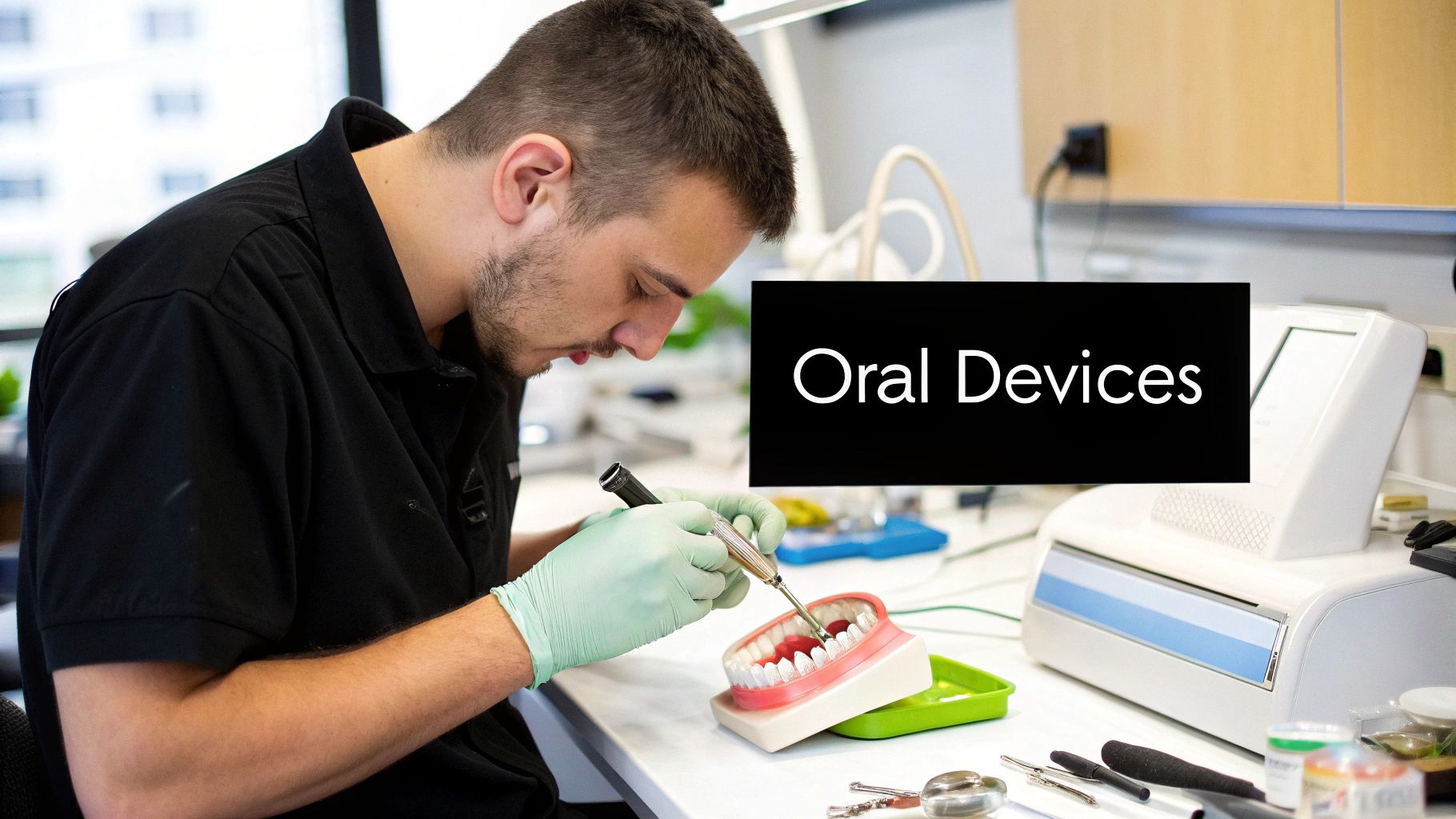
When CPAP machines feel too cumbersome, oral appliance therapy offers a simpler path to treating sleep apnea. These devices look and feel like athletic mouthguards but serve a vital medical purpose. A dental sleep specialist creates a custom-fitted appliance that gently shifts your jaw and tongue position to keep your airway open while you sleep. This prevents the tissue collapse that leads to those concerning breathing pauses during the night. More and more people with mild to moderate sleep apnea are discovering this effective alternative.
How Oral Appliances Work Their Magic
Think of your airway like a garden hose – when you step on it, water flow stops. During sleep apnea, relaxed throat muscles "step on" your airway in a similar way. An oral appliance acts like a helping hand, holding your jaw in a forward position so those muscles can't collapse and block your breathing. Various appliance designs achieve this through different mechanical approaches, allowing your specialist to match the right device to your specific needs.
Finding the Right Fit and Managing Expectations
Success with an oral appliance starts with proper fitting by a dental sleep specialist. They'll take detailed impressions of your teeth to create your custom device. Like breaking in new shoes, your mouth needs time to adjust – you might notice extra saliva or mild discomfort at first. Don't worry though – most people find these temporary symptoms fade within a few weeks as their mouth gets used to the new normal.
Benefits and Considerations of Oral Appliances
Compared to CPAP machines, oral appliances have some clear advantages. They're easy to pack for travel, make virtually no noise, and require minimal maintenance. However, they aren't the best choice for everyone. If you have severe sleep apnea, TMJ problems, or certain dental conditions, other treatments might work better. This is why a thorough evaluation by a dental sleep specialist is so important before starting treatment.
Maximizing Treatment Success With Oral Appliances
Getting the most from your oral appliance involves several key steps. Regular check-ups with your dental sleep specialist help ensure your device continues fitting properly and working effectively. Good oral hygiene becomes extra important to prevent any complications. You can boost your results by making healthy lifestyle changes too – losing some weight or skipping that nightcap can make a real difference. Many insurance plans now cover these devices, making them a practical option for many people seeking alternatives to CPAP therapy. Just be sure to choose a qualified provider with solid experience in dental sleep medicine – their expertise is crucial for achieving the best possible outcome.
Surgical Solutions: When Permanent Change Makes Sense
Most people with mild to moderate sleep apnea find relief through oral appliances and lifestyle changes. However, some cases require a more definitive solution. Surgery can fix the underlying physical issues causing sleep apnea when other treatments haven't worked well enough. For those with moderate to severe cases who struggle with standard treatments, surgical options offer hope for lasting relief.
Understanding the Different Surgical Approaches
Surgeons use several procedures to open up blocked airways, targeting specific problem areas. Basic surgeries focus on removing excess tissue that blocks breathing during sleep. One common procedure, uvulopalatopharyngoplasty (UPPP), removes tissue from the soft palate, uvula, and sometimes tonsils. Children with enlarged tonsils often benefit from a simple tonsillectomy. Other surgeries fix structural issues like a crooked nasal septum or nasal polyps that make breathing harder. While these traditional surgeries often work well, patients need more recovery time compared to newer methods.
Exploring Newer Surgical Techniques for Sleep Apnea Treatment Without CPAP
Recent advances have brought less invasive surgical options that help patients recover faster. For example, hypoglossal nerve stimulation uses a small implanted device to control tongue position. By stimulating the nerve that moves the tongue, this device prevents it from falling back and blocking the airway at night. Doctors typically recommend this option for patients who can't use CPAP therapy and meet certain medical requirements. These newer approaches show how sleep apnea surgery has become more specific to each patient's needs.
What to Expect: Recovery and Outcomes
Recovery time varies based on the type of surgery. Simple procedures like removing tonsils may need a few weeks of healing, while more complex surgeries take longer. Most patients experience some discomfort, swelling, and temporary changes in how they speak or swallow. But many find these short-term challenges worth it – successful surgery often leads to much better sleep, more energy during the day, and improved overall health.
Making Informed Decisions About Surgery
Choosing surgery is a big step that requires careful discussion with your sleep doctor and surgeon. They'll look at how severe your sleep apnea is, your general health, and what physical issues are causing your breathing problems to recommend the best approach. Your doctors should explain all the risks and benefits, what results you can expect, and how long recovery might take. Ask plenty of questions and make sure you understand all your options – including non-surgical treatments – before deciding if surgery makes sense for you. Remember that while surgery can fix the underlying problem, maintaining healthy habits like regular exercise and good diet still matters for long-term success.
Mastering Positional Therapy Techniques

Positional therapy offers a simple but effective alternative to CPAP machines for managing sleep apnea. This method focuses on a straightforward principle – preventing back sleeping, which often makes sleep apnea worse. When you sleep on your back, gravity pulls your tongue and throat tissues downward, potentially blocking your airway. Many people find that changing their sleep position alone significantly improves their breathing at night. This makes positional therapy especially helpful for those whose sleep apnea mainly occurs while lying on their back.
Understanding How Positional Therapy Works
The main goal of positional therapy is to help you stay off your back while sleeping. There are several practical ways to achieve this. Some people use specialized vests with foam inserts, while others try the simple "tennis ball technique" – sewing a tennis ball into the back of their sleepwear. These methods create mild discomfort when you roll onto your back, naturally encouraging side sleeping without waking you up. Some modern devices even use gentle vibrations to prompt position changes. Many people also find success using specially designed pillows or wedges that make side sleeping more comfortable and sustainable throughout the night.
Is Positional Therapy Right for You?
Not everyone with sleep apnea will benefit equally from positional therapy. It works best if your breathing problems mainly happen when sleeping on your back. A sleep study can help determine if this approach suits you by monitoring how your breathing changes in different positions. If you have similar breathing problems regardless of position, you might need to explore other options. However, side sleeping can still help as part of a broader treatment plan, working alongside other approaches like oral appliances or lifestyle adjustments.
Implementing Positional Therapy and Maximizing its Benefits
Making positional therapy work takes time and consistency. Your body needs time to adjust to new sleep positions, so don't get discouraged if it feels awkward at first. Start by setting up your bedroom for successful side sleeping – experiment with different pillow arrangements and mattress toppers until you find what feels right. Consider adding throat exercises from programs like MyoHab to strengthen your airway muscles. These exercises work well alongside positional therapy, helping to keep your airway open while you sleep. With patience and the right combination of techniques, you can develop new sleep habits that lead to better rest and improved health.
Lifestyle Changes That Transform Sleep Quality
While medical treatments provide a foundation, the right lifestyle changes can make a huge difference in managing sleep apnea without CPAP. These aren't quick fixes – they're lasting habits that create better sleep and better health over time. Let's explore the key changes that can help you breathe easier at night.
Dietary Strategies for Better Breathing
The foods you choose directly affect how well you sleep. Cutting back on processed foods and sugary drinks helps maintain a healthy weight, which can reduce sleep apnea symptoms. Fresh fruits, vegetables, and whole grains help fight inflammation that might narrow your airways. Adding lean proteins and healthy fats provides your body with the nutrients it needs for quality rest. Small changes to your diet can lead to big improvements in your nightly breathing.
Exercise: A Powerful Tool Against Sleep Apnea
Moving your body regularly makes a real difference in fighting sleep apnea. Even walking briskly three times a week strengthens your breathing muscles and helps with weight management. Your lungs become more efficient at using oxygen, which often means fewer breathing interruptions at night. Swimming and cycling work great too – the key is picking activities you enjoy enough to stick with long-term. Building exercise into your routine takes time, but the benefits for your sleep are worth it.
Sleep Hygiene: Setting the Stage for Restful Nights
Creating the right environment and habits for good sleep is essential when managing sleep apnea without CPAP. Going to bed and waking up at consistent times helps your body know when to sleep. Keeping screens out of the bedroom and making your space dark and quiet sets you up for better rest. The details matter too – from finding your ideal room temperature to choosing comfortable bedding. When you make sleep a priority and create the right conditions, you're more likely to breathe well through the night.
Targeted Exercises for Airway Strength
Beyond regular exercise, specific movements can tone the muscles that keep your airway open while you sleep. MyoHab offers targeted exercises that improve tongue position and throat muscle strength. While simple to do, these exercises need regular practice to work well. Think of it like training any other muscle – consistency leads to strength. When your airway muscles are stronger, they're better at staying open all night long.
These lifestyle changes take dedication, but they give you natural tools to improve your breathing and sleep. While it might feel like a lot at first, start with small steps. Over time, these healthy habits become your new normal – helping you breathe better and sleep more soundly night after night.
Creating Your Personal Treatment Strategy

Managing sleep apnea without CPAP requires finding what works best for your unique situation. Each person's needs are different, which is why taking time to develop an approach that fits your specific case is so important. Let's walk through how to build a sleep apnea treatment plan that works for you.
Evaluating Your Needs and Options
Start by getting clear on your specific situation. How severe is your sleep apnea? What other health factors are at play? Your answers will guide your treatment choices. For instance, if you mainly have issues when sleeping on your back, positional therapy might be enough. But if you deal with jaw discomfort too, an oral appliance could be the better fit.
Personal comfort matters just as much as medical factors. Some people find mouth devices easy to use, while others prefer simple position changes. Being comfortable with your treatment makes you more likely to stick with it, which is crucial for getting results.
Combining Treatments for Maximum Impact
Most people get the best results by using multiple approaches together. Think of it like building a toolkit – each tool helps in its own way. You might pair an oral device with targeted exercises from MyoHab to build throat strength. Or you could combine better sleep positions with weight management for even better breathing at night.
Using multiple methods helps tackle sleep apnea from different angles. Just be sure to check with your doctor before starting any new treatment combination to make sure it's safe for you.
Monitoring Progress and Adjusting Your Strategy
Getting sleep apnea under control takes ongoing attention and fine-tuning. Keep track of how you're doing – whether through a sleep diary, tracking device, or regular check-ups. This helps you spot what's working and what needs tweaking.
Say you're trying positional therapy but still waking up often – that's a sign you might need to add another approach or try something different. Stay flexible and willing to adjust your plan based on how your body responds.
Recognizing When to Seek Professional Guidance
While managing things on your own is great, know when it's time for expert help. If you're following your plan but still feeling exhausted during the day or waking up with headaches, that's your cue to see a sleep specialist or doctor.
They can take a fresh look at what's happening and help fine-tune your approach. Think of them as partners in your journey to better sleep – there to help when you need backup or a new direction.
Strengthen your throat and improve your sleep quality with MyoHab's targeted exercises. Start your journey to better breathing today!

