
Demystifying SIBO: Beyond Basic Digestive Issues
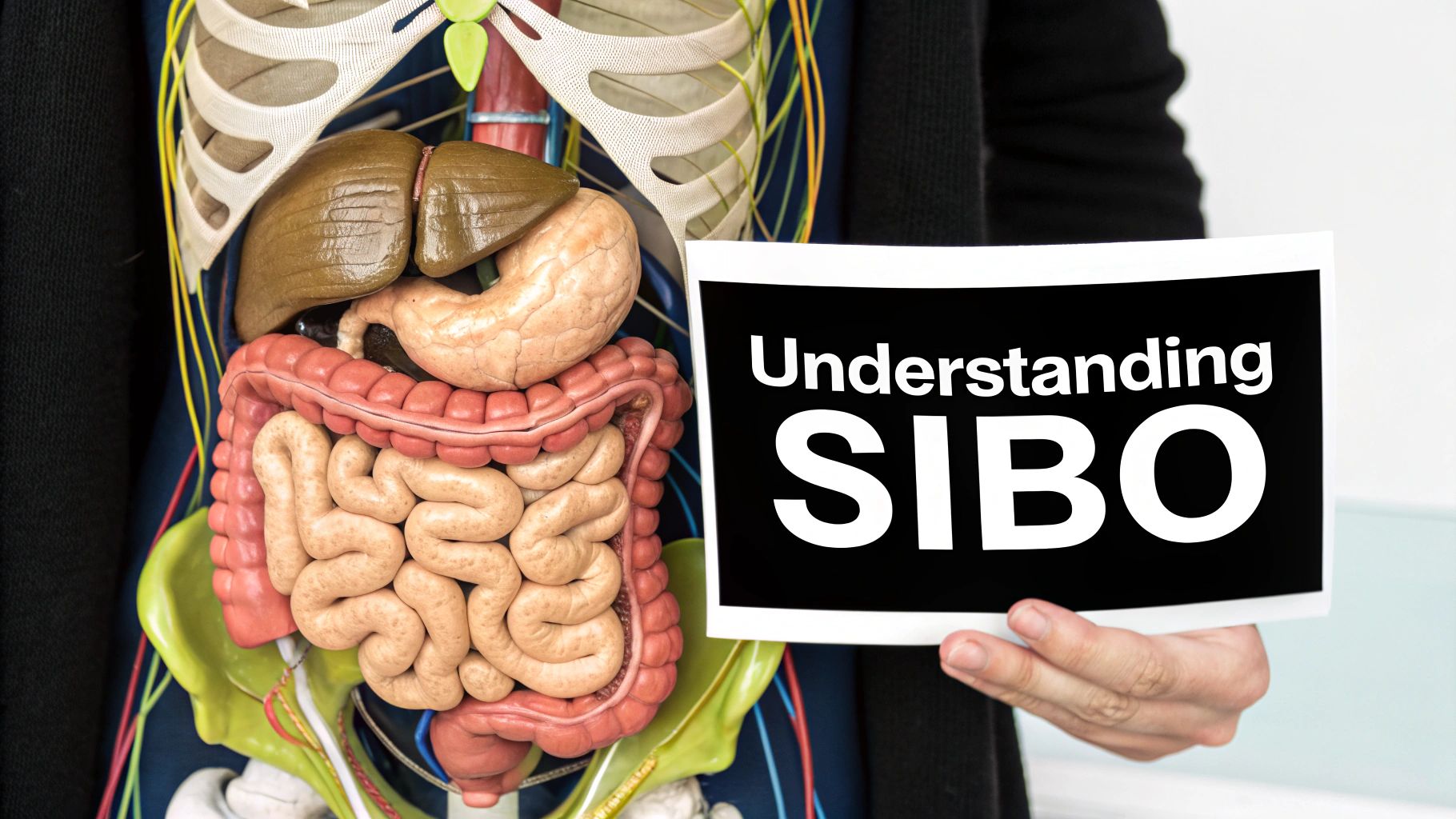
When you hear about Small Intestinal Bacterial Overgrowth (SIBO), you might think it's just another digestive problem. But there's much more to this condition than meets the eye. SIBO throws off the careful balance of bacteria in your gut, affecting not just digestion but your entire body's wellbeing. Your intestines house an amazing community of microorganisms that help break down food, produce vitamins, and support your immune system. Understanding SIBO helps explain why gut health connects to so many aspects of how you feel.
The Gut Microbiome: A Delicate Balancing Act
Think of your gut as a bustling city of bacteria – some friendly, some not so much. When everything runs smoothly, these tiny residents work together to keep you healthy. They help digest your food, make essential nutrients, and even train your immune system to fight off illnesses. But when SIBO develops, it's like having too many people move into one neighborhood – things get crowded and stop working properly. This overflow of bacteria in the small intestine can trigger all sorts of problems throughout your body.
SIBO and IBS: A Complex Relationship
If you're dealing with Irritable Bowel Syndrome (IBS), you might want to look into SIBO too. Research shows that SIBO shows up in anywhere from 4% to 78% of people with IBS – that's way more than the 1% to 40% found in people without IBS. These numbers tell us something important: these two conditions often go hand in hand. For many people struggling with IBS symptoms, checking for SIBO could be a missing piece of their treatment puzzle.
Why Prevalence Rates Vary
You might wonder why there's such a big range in those SIBO numbers. Well, it comes down to a few key things. First, doctors use different methods to diagnose both IBS and SIBO – some use breath tests, while others take samples directly from the intestine. Each method has its pros and cons. Plus, factors like age, gender, and other health issues can make SIBO more or less likely. This is why doctors need to look at each person's situation carefully when diagnosing and treating SIBO. Looking at all these factors helps create better, more personalized treatment plans.
Mastering the Art of SIBO Symptom Recognition

Understanding SIBO symptoms can feel like solving a puzzle, since they often overlap with other digestive issues. Let's explore how to spot SIBO's unique patterns and what they reveal about your gut health. Being able to recognize these signs is key to getting proper treatment.
Common SIBO Symptoms: More Than Just an Upset Stomach
SIBO shows up differently for each person, though certain symptoms appear most often. While digestive issues are common, the specific symptoms and their strength can vary widely. Here are the main signs to watch for:
- Bloating: That uncomfortable full, tight feeling in your belly is often the first clue
- Gas: Frequent burping and passing gas throughout the day
- Abdominal Pain: Can range from mild discomfort to sharp pains
- Diarrhea: Loose, frequent bowel movements due to poor nutrient absorption
- Constipation: Less common but possible, especially with methane-producing bacteria
Deciphering Symptom Patterns: The Clues to Your Gut Health
Your symptoms tell a story about what's happening in your gut. For example, if you feel extra bloated after eating bread, pasta, or other carb-heavy foods, that could mean bacteria are feasting on those carbs in your small intestine. Some people feel worst in the morning, while others struggle more at night. These patterns help paint a clearer picture of your specific case.
Distinguishing SIBO from Other Conditions: The Importance of Accurate Recognition
Since SIBO shares many symptoms with Irritable Bowel Syndrome (IBS), figuring out which one you have can be tricky. But certain clues point more strongly to SIBO – like getting very bloated and gassy specifically after eating foods high in carbs. Pay attention to how your body reacts to different meals, as this information can help identify if SIBO might be the culprit.
Tracking Symptoms: Your Roadmap to Effective Management
Writing down your symptoms makes a big difference in managing SIBO. Keep notes about what you eat, when symptoms pop up, how bad they are, and anything else that seems relevant. This diary helps you spot patterns and triggers you might otherwise miss. Plus, having this detailed record makes it much easier for your doctor to understand what's going on and create the right treatment plan for you. If these symptoms sound familiar, don't wait to talk to your healthcare provider about getting tested for SIBO.
Understanding SIBO Diagnosis Methods

Getting an accurate SIBO diagnosis is essential for effective treatment, but the process can be complex. Let's explore the different testing methods doctors use and how they determine the best approach for each patient. Understanding these options helps you take an active role in your care.
What to Know About Breath Testing
When it comes to diagnosing SIBO, breath testing is one of the most common methods. During the test, you drink a special solution containing lactulose or glucose. Over several hours, the doctor measures gases produced by bacteria in your small intestine. While this test is convenient, it comes with both benefits and limitations.
- Benefits: Simple and non-invasive, easy to perform, can identify whether hydrogen or methane-producing bacteria are dominant
- Limitations: Results can be affected by what you eat and how quickly food moves through your system, accuracy varies significantly (15.7-62% sensitivity and 78-97% specificity), may not show what's happening in all parts of the small intestine
These varying accuracy rates show why doctors look at breath tests as just one piece of the puzzle. They typically consider your symptoms and medical background too.
Alternative Testing Methods
While breath tests are popular, doctors have other ways to check for SIBO, especially when breath test results aren't clear or when they need more definitive answers.
- Jejunal Aspiration: This is considered the most accurate test available. The doctor takes a fluid sample directly from your small intestine and tests it for bacteria. While more precise, it does require an endoscopic procedure with some discomfort and risks.
- Trial Treatment: Sometimes, especially if testing isn't available or results are unclear, doctors might try treating for SIBO to see if symptoms improve. A positive response to treatment can suggest SIBO was present, even without test confirmation.
How Doctors Choose the Right Test
The best testing approach depends on your specific situation. For example, if you developed typical SIBO symptoms after getting food poisoning, a breath test might make sense. But if you have complicated digestive issues with unclear symptoms, your doctor might recommend jejunal aspiration. Key factors in this decision include:
- Your Symptoms: What specific problems you're having, how severe they are, and how they relate to eating
- Your Health History: Past gut conditions, surgeries, or medications that affect digestion
- Test Availability: Whether specialized testing facilities and expert interpretation are available in your area
- Your Preferences: Some people prefer less invasive options even if they aren't quite as accurate
Finding the right diagnosis path works best when you and your doctor work together. By knowing what each test can and can't tell you, you can have better discussions with your healthcare team and develop a testing plan that makes sense for your situation. This teamwork leads to more targeted and successful treatment.
Understanding Your SIBO Risk Profile

Let's take a closer look at what makes someone more likely to develop SIBO. Understanding your personal risk factors helps you take control of your gut health and make informed decisions about prevention and treatment.
Age and Gender: Considering Your Biological Factors
Your age and gender can affect your chances of developing SIBO in ways you might not expect. As you get older, food moves more slowly through your digestive system. This slower movement gives bacteria more time to grow in your small intestine, potentially leading to SIBO. Women seem to get SIBO more often than men, though researchers aren't exactly sure why. It could be due to how hormones affect digestion or other differences in body chemistry. Knowing these natural tendencies helps you stay alert to early warning signs.
Medication Use: The Impact of PPIs and Other Drugs
The medications you take can significantly influence your SIBO risk, especially proton pump inhibitors (PPIs) used for acid reflux. When PPIs reduce stomach acid, they make it easier for bacteria to survive and multiply where they shouldn't. If you take PPIs regularly, don't panic – not everyone who uses them gets SIBO. However, it's worth talking to your doctor about your concerns, especially if you notice digestive issues. Other medications can slow down digestion too, so it's smart to review all your prescriptions with your healthcare provider.
Underlying Health Conditions: Identifying Potential Contributors
Your other health conditions play a big role in SIBO risk. For instance, people with Crohn's disease or those who've had stomach surgery often face higher risks because these conditions can create spots in the intestine where bacteria collect. Even conditions that seem unrelated, like diabetes, can increase your risk by affecting the nerves that control digestion. Understanding these connections helps you work with your doctor to prevent problems before they start.
Practical Steps for Managing Your SIBO Risk
While you can't change factors like your age or existing health conditions, you can take steps to protect your gut health. Start by having an honest conversation with your doctor about your medications – there might be alternatives to long-term PPI use. Focus on habits that keep your digestion moving smoothly: regular exercise, eating meals at consistent times, and finding healthy ways to handle stress. Small changes in your daily routine can make a big difference in preventing SIBO. The key is to start making these changes now, rather than waiting for problems to develop.
SIBO Across Different Life Stages
SIBO affects people differently at various stages of life. Understanding these differences helps both patients and healthcare providers identify and treat the condition more effectively. Let's explore how SIBO presents and impacts different age groups, from children to older adults.
SIBO in Children and Adolescents
Children face unique challenges when dealing with SIBO. Studies show that kids over 12 years old have an unexpectedly high rate of SIBO, often linked to stomach pain disorders. For many children suffering from ongoing belly pain, SIBO might be the root cause. Testing for SIBO in children requires extra care and attention, as their symptoms can be harder to pinpoint compared to adults.
The Impact of Socioeconomic Factors
Money and living conditions play a big role in who gets SIBO and how well they can fight it. Poor communities often face higher rates of SIBO due to limited access to good nutrition and clean water. This is especially true in developing countries, where basic sanitation might be lacking. The high cost of SIBO testing can put proper diagnosis out of reach for many families, making it harder to get the right treatment at the right time.
SIBO in Adults
Adults with SIBO often have other health issues that complicate the picture. Health conditions like diabetes, thyroid problems, and autoimmune diseases can throw off normal gut function and make SIBO more likely to develop. Common medications can also set the stage for SIBO – for example, someone taking acid reflux medicine long-term might have a higher chance of developing the condition.
SIBO in the Elderly
Our digestive system changes as we get older, making us more likely to develop SIBO. Older adults typically have a slower gut cleaning system (the migrating motor complex), which means bacteria have more time to grow where they shouldn't. Plus, an aging immune system can make it trickier to spot and treat SIBO. Many seniors might have milder symptoms than younger people, which can delay diagnosis if doctors aren't specifically looking for it.
Addressing SIBO Across the Lifespan
Treating SIBO successfully means looking at the whole person – their age, overall health, and life situation all matter. While the basic treatment building blocks stay the same (like changing diet and using targeted treatments), the details need to fit each person's needs. A child might need different dietary changes than an adult, and treatment options might depend on where someone lives and what resources they can access. We also need more doctors who understand SIBO, especially those working with vulnerable groups, to help people of all ages get better faster.
Building Your SIBO Treatment Toolkit
Getting diagnosed with SIBO means taking action with a well-designed treatment plan. Think of it like assembling the right tools for a complex home repair project – you need multiple approaches working together to fully address the condition. Let's look at how to put together your personal toolkit for tackling SIBO.
The Cornerstones of SIBO Treatment: Diet and Targeted Interventions
At the heart of most SIBO treatment plans are two key elements: adjusting your diet and using specific treatments to reduce bacterial overgrowth. Diet acts as your foundation, creating conditions that make it harder for harmful bacteria to thrive. The targeted treatments work more directly, like precise tools that help clear out the excess bacteria.
Most people start by reducing fermentable carbohydrates (FODMAPs) in their diet since these can feed problematic bacteria and make symptoms worse. But there's no single diet that works for everyone. While some do well with low FODMAP eating, others find better results with plans like the Specific Carbohydrate Diet (SCD) or a Paleo approach. This is exactly why working with a qualified healthcare provider or registered dietitian is so important – they can help figure out which dietary approach fits your specific situation.
For directly addressing the bacterial overgrowth, doctors often prescribe either antibiotics like rifaximin or natural antimicrobials such as berberine and oregano oil. The choice depends on several factors, including whether you have hydrogen or methane-dominant SIBO and your personal preferences about treatment approaches. For example, some people specifically request herbal options because they want to avoid antibiotics.
Beyond the Basics: Addressing Underlying Issues and Preventing Recurrence
While diet changes and antimicrobial treatments form the foundation, fully resolving SIBO requires looking at what caused it in the first place. Just as fixing a leaky roof means more than patching holes, treating SIBO often involves improving how food moves through your digestive system, checking for structural problems in the gut, and managing other health conditions that might be contributing factors. If slow gut movement played a role in developing SIBO, your doctor might add prokinetic medications to help food move through more effectively.
Preventing SIBO from coming back is just as important as treating it initially. Since SIBO often tries to return, most people need ongoing maintenance strategies. This might mean sticking with certain dietary changes, using herbal antimicrobials periodically, or making lifestyle adjustments that support gut health – like managing stress and staying active.
Tracking Your Progress and Working With Your Healthcare Team
Success with SIBO treatment requires paying attention to how you're responding and staying in close contact with your healthcare providers. Keep a detailed symptom journal, note any changes you experience, and regularly update your medical team. This helps them fine-tune your treatment plan and gives you the best chance at lasting improvement.
For those dealing with breathing difficulties, TMJ problems, or sleep issues alongside SIBO, myofunctional therapy could provide additional support for overall wellness. Myohab offers personalized myofunctional therapy exercises designed to help with these challenges. Visit https://myohab.com/ to learn more about how myofunctional therapy can complement your SIBO treatment strategy.

