
The Remarkable Journey of Human Life Expectancy

Living longer wasn't always the norm. Back in the early 1900s, people typically lived to just 47 years old – hard to imagine, right? Poor healthcare, widespread diseases, and tough living conditions meant life was often cut short. But over the last century, something amazing happened. Thanks to breakthroughs in medicine and public health, we've added decades to our lives. It's a story worth telling – one that shows just how far we've come in understanding and improving human health.
The Rise of Modern Medicine and Public Health
Remember when polio terrified parents? Or when measles was a common childhood illness? Those days are largely behind us, thanks to widespread vaccination programs that have saved millions of lives. But it's not just vaccines that changed the game. Think about something as basic as clean water and proper sewage systems – these fundamentals dramatically cut down disease spread in communities worldwide. For instance, when cities started treating drinking water in the early 1900s, typhoid fever cases plummeted. These changes might seem simple now, but they've had massive impacts on how long people live.
Impact of Medical Advancements on Longevity
Medicine has come a long way from the days when a simple infection could be deadly. Antibiotics changed everything – suddenly, bacterial infections became treatable instead of life-threatening. Surgeons can now fix heart problems that were once fatal, and we're better at managing long-term conditions like diabetes. This means more people aren't just surviving – they're living active, healthy lives well into their later years. Each medical breakthrough builds on the last, pushing the boundaries of what's possible in human health.
The Future of Human Longevity
What's next for human longevity? Scientists are making exciting progress in personalized medicine and aging research. But living longer brings new questions: How do we stay healthy and active as we age? It's not just about adding years to life, but life to years. Simple things matter – staying active, eating well, managing stress. These basics work together with medical advances to help people live better, not just longer. As we continue to push the boundaries of human lifespan, the focus is shifting to making those extra years count, ensuring people can enjoy their extended time with good health and vitality.
Secrets of the World's Longest-Living Populations

Living longer is a goal we all share, but some communities have figured out the secret sauce for extended lifespans. While modern medicine helps us live longer, certain populations consistently reach age milestones that leave researchers scratching their heads. Let's explore what makes these communities tick and how their habits could help us add more candles to our birthday cakes.
The Blue Zones: Hotspots of Longevity
Ever heard of places where hitting 100 years old is almost routine? These special areas, called "Blue Zones," include Okinawa in Japan, Sardinia in Italy, Nicoya in Costa Rica, Ikaria in Greece, and Loma Linda in California. What's fascinating is that people in these spots don't just live longer – they stay active, sharp, and engaged well into their golden years. The real question is: what's their secret recipe for such robust aging?
Lifestyle Factors Contributing to Longevity
Take Okinawa, for instance. Their dinner plates look nothing like a typical Western meal. Instead of heavy meats, they load up on sweet potatoes, leafy greens, and other plant-based foods. This isn't just about eating your vegetables – these foods pack nutrients that fight off diseases and keep the body running smoothly. Physical activity is another key ingredient. In Sardinia, people don't hit the gym – they walk everywhere and work in their gardens. This natural movement keeps their hearts strong and bones sturdy without ever stepping foot on a treadmill.
Social Connections and Purpose: Essential for a Long Life
Here's something interesting – in Blue Zones, nobody goes it alone. These communities thrive on tight family bonds and strong friendships. Picture having a built-in support system that helps you handle life's ups and downs. In Japan, they call it "ikigai" – having a clear reason to jump out of bed each morning. Whether it's tending a garden, teaching grandkids, or volunteering at church, having purpose adds life to their years, not just years to their life.
Implementing Longevity Lessons in Your Own Life
You don't need to move to Okinawa to borrow these life-extending habits. Start small – maybe swap that burger for a hearty bean soup once in a while. Take the stairs instead of the elevator. Call an old friend for coffee. Find something that gets you excited to start each day. These aren't dramatic changes, but like compound interest, they add up over time. The goal isn't just to live longer – it's to live better, with more energy and joy at every age.
Understanding the Male-Female Longevity Gap
When it comes to lifespan, women consistently outlive men across cultures and time periods. This enduring gender gap in longevity raises an important question – what makes women generally live longer than men? The answer involves multiple layers of biological differences, lifestyle choices, and social factors that work together to influence how long each gender lives.
Biological Factors: From Hormones to Chromosomes
Our biology plays a fundamental role in lifespan differences between men and women. The female hormone estrogen helps protect against heart disease, which remains a leading cause of death worldwide. Women's immune systems also tend to mount stronger responses against infections and disease. At the genetic level, having two X chromosomes gives women an important advantage – if one chromosome has a damaged gene, they have a backup copy on the second X chromosome. These biological protections add up to give women an edge in longevity.
Behavioral Patterns and Lifestyle Choices
The choices we make also shape how long we live. Men have traditionally been more likely to smoke, drink heavily, and take physical risks – habits that can cut life short. While these patterns are changing as more women adopt similar behaviors, men still tend to avoid preventive healthcare and often wait longer to see doctors when health issues arise. This delay in getting medical care means problems may become more serious before being treated. Women's greater willingness to seek regular checkups and preventive care helps them stay healthier longer.
Societal Influences on Health and Longevity
The roles we play in society affect our health in subtle but important ways. Throughout history, men have more often worked dangerous jobs with higher injury and death rates. Social expectations about how men and women should handle stress and emotions can also impact wellbeing – men may feel pressure to "tough it out" rather than address mental health needs. Though gender roles are evolving, these long-standing patterns continue to influence lifespan differences between men and women.
Bridging the Gap: Lessons for Both Genders
Understanding why women tend to live longer offers valuable insights for everyone's health. While we can't change our biology, we can make smarter choices about lifestyle and healthcare. Men could benefit from being more proactive about their health through regular checkups and reducing risky behaviors. Women can use their awareness of longevity factors to maintain the healthy habits that contribute to their longer lives. By learning from these patterns, we can work toward better health outcomes for all, potentially reducing the lifespan gap between genders.
Navigating Modern Threats to Healthy Aging
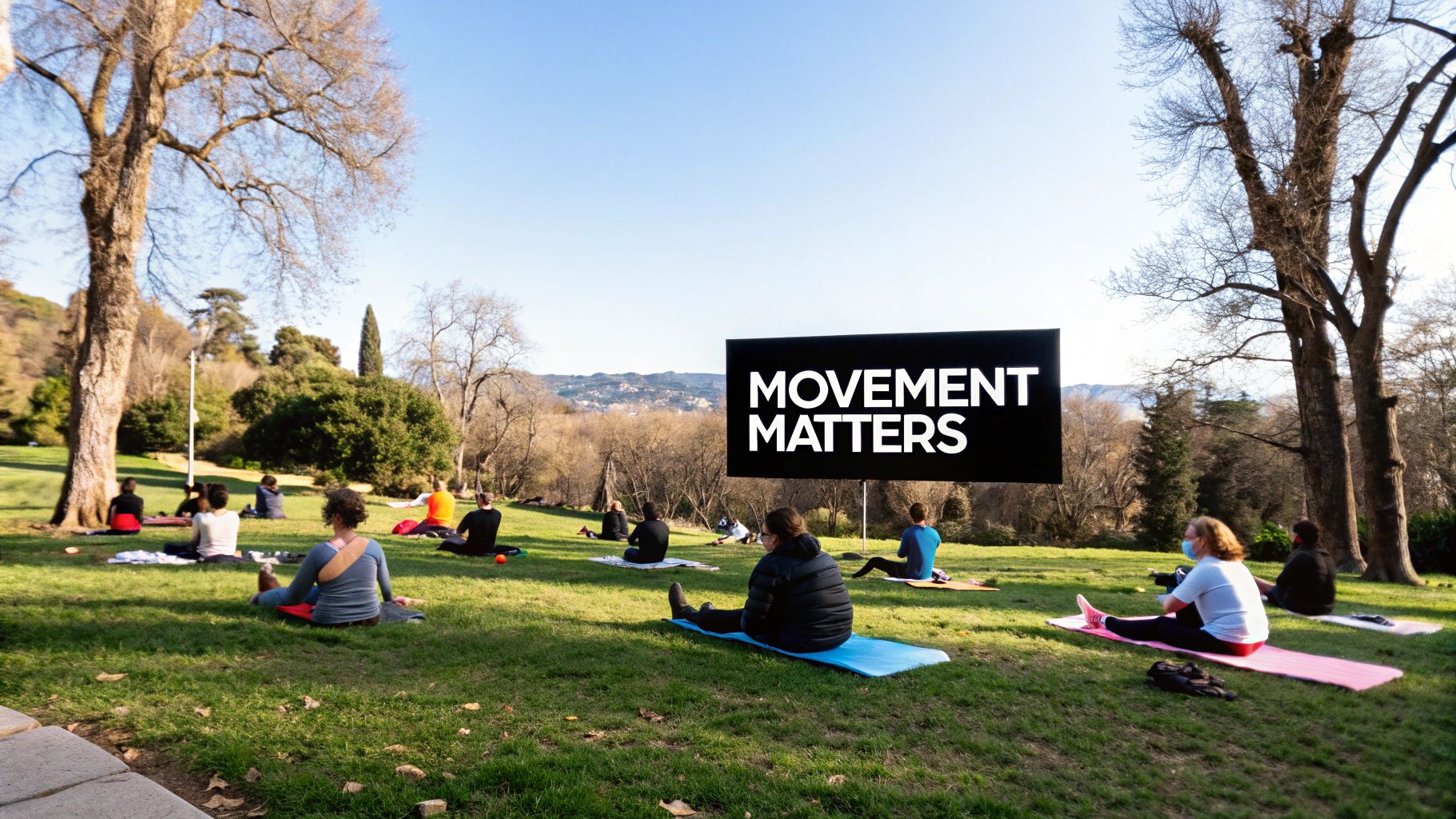
Medical advances have helped us live longer than ever before, but new challenges threaten our ability to age well and maintain good health throughout those added years. Unlike the obvious health threats of the past, today's obstacles often sneak up on us through our everyday habits and routines. By understanding these modern challenges, we can take meaningful steps to protect our health as we age.
The Impact of Chronic Stress
Most of us face ongoing stress from work demands, money worries, and constant connectivity that rarely gives us a break. This persistent stress floods our bodies with cortisol, gradually wearing down our health systems over time. The effects go far beyond just feeling frazzled – chronic stress speeds up aging at the cellular level, puts extra strain on the heart, and weakens our natural disease defenses. That's why finding ways to dial down stress isn't just about feeling more relaxed today – it's essential for staying healthy as we get older.
Environmental Toxins and Their Effects
The chemicals surrounding us – from air pollution to pesticides on produce – pose a serious threat to healthy aging. These toxins mess with our hormones, damage our DNA, and set us up for chronic health problems down the road. Think of it like a car engine that's constantly running on contaminated gas – eventually all those impurities take their toll and reduce how long the engine will last. Our bodies face similar wear and tear from ongoing exposure to environmental toxins that can cut short both our lifespan and our years of good health.
The Challenge of Sedentary Lifestyles
While modern conveniences make life easier, they've also made us much less active. Many of us spend our days sitting at desks and our evenings in front of screens. This lack of movement sets us up for serious health issues like obesity, heart problems, and loss of bone and muscle strength – all of which can shorten our lives. For most people, getting more active requires deliberately changing ingrained habits. But making the effort to move more throughout each day can add years to our lives.
Addressing Modern Threats: A Proactive Approach
The good news is that we can fight back against these threats to healthy aging. Simple daily practices like meditation, regular exercise, and getting enough sleep help manage stress levels. We can reduce our toxic load by choosing organic foods, natural cleaning products, and filtered water. And we can offset sedentary habits by finding more ways to stay active, even if it's just taking short movement breaks during the day. While these changes might seem small, they add up over time to protect our health and help us live better for longer. Making these adjustments part of our regular routine builds a foundation for aging well.
The Science of Living Longer: Evidence-Based Strategies

After exploring how lifespan varies across different groups, let's focus on practical, science-backed ways to add healthy years to your life. These aren't quick fixes or fad solutions – they're proven approaches that can help you live better and longer. Think of it as building a foundation for lasting health rather than searching for an elixir of youth.
The Power of Lifestyle Choices
Small daily decisions add up to major health impacts over time. Just as saving a little money regularly builds wealth, consistent healthy habits create long-term benefits for your body and mind. Take physical activity – you don't need intense gym sessions to see results. Something as simple as a daily 30-minute walk strengthens your heart, builds muscle, and reduces disease risk.
Your food choices matter just as much. Picture your body as a car – it runs best on high-quality fuel. Fresh fruits, vegetables, and whole grains provide the nutrients your cells need to function well and fight off damage. When you eat these foods regularly, you give your body the building blocks for better health.
The Importance of Social Connections
Good health isn't just about diet and exercise – meaningful relationships play a crucial role too. Strong social bonds help us handle stress better and give us reasons to stay active and engaged. Think of your social circle as a safety net that catches you when times get tough. Whether it's regular chats with family, meetups with friends, or volunteering in your community, these connections add both meaning and years to your life.
Harnessing the Power of Science
While lifestyle choices form the foundation of longevity, scientific research keeps uncovering new insights about aging. Studies in genetics and cell biology are helping us understand how we age and what might slow this process. This research may lead to new tools for extending healthy life – but for now, focus on the proven basics rather than waiting for a scientific breakthrough.
Practical Steps for Increasing Longevity
Let's turn these insights into action with clear steps you can take today:
- Move your body regularly: Get 150 minutes of moderate exercise weekly – walking, swimming, or dancing all count
- Eat real food: Fill your plate with vegetables, fruits, whole grains, and lean proteins
- Build strong relationships: Make time for family and friends, join clubs or groups that interest you
- Handle stress well: Try meditation, deep breathing, or regular time outdoors
- Stay informed: Keep up with reliable health research and discuss new findings with your doctor
These aren't complicated changes, but they make a real difference when practiced consistently. Each healthy choice you make today is an investment in your future wellbeing. By focusing on these proven strategies rather than quick fixes, you're more likely to enjoy extra years of active, healthy living.
The Future of Human Longevity: Breaking Barriers
Looking ahead at human longevity, we're seeing incredible possibilities emerge that go beyond just adding more years to our lives. The real focus is on extending our "healthspan" – the time we spend living actively and feeling good. Scientists are making discoveries that could fundamentally change how our bodies age and how long we stay healthy.
Emerging Technologies and Therapies
Scientists are developing tools that could help us tackle aging in completely new ways. Take CRISPR for example – this gene editing technology might help us fix genetic issues that lead to age-related diseases before they even start. Research teams are also testing drugs called senolytics that clear out old, damaged cells from our bodies. While these treatments are still being tested, they're showing real promise in helping animals stay healthier longer. These advances hint at a future where we might be able to prevent or slow down many of the health problems we currently accept as inevitable parts of getting older.
The Role of Artificial Intelligence and Big Data
Artificial Intelligence is changing how we study aging and health. AI systems can spot patterns in health data that humans might miss, helping doctors catch potential problems early and create more personalized treatment plans. Think about visiting your doctor and getting detailed predictions about your health risks decades in advance, along with specific steps you can take to stay healthy. AI is also speeding up how we discover and develop new medicines, which could lead to better treatments for age-related conditions.
The Quest for Healthy Aging: Beyond Lifespan
We're starting to understand that quality of life matters just as much as length of life. This means taking care of both our bodies and our minds as we age. Scientists are finding new ways to keep our brains sharp and active well into our later years. Simple activities like learning new skills or solving puzzles might become as important for healthy aging as regular exercise is now. The goal is to help people stay mentally alert and engaged throughout their entire lives.
Preparing for a Longer Future
By 2060, Americans are expected to live about 6 years longer on average than they do today. This shift means we need to think differently about how we organize our lives and communities. We'll need fresh approaches to retirement planning, social support systems, and creating age-friendly neighborhoods. But these extra years also bring opportunities – more time to learn new things, deepen relationships, and continue growing as individuals. The key is building a society that helps people thrive at every age.
Are you ready to take steps toward a healthier, longer life? Myohab offers personalized exercises that help improve breathing and sleep quality by addressing issues like sleep apnea, snoring, and TMJ disorders. Visit myohab.com today to learn how you can breathe better and sleep better for years to come.

