
Understanding How Food Shapes Your Sleep Quality

While many people know to avoid coffee before bedtime, the relationship between food and sleep goes much deeper. Your food choices directly impact both falling asleep and staying asleep through the night. Making smart dietary decisions can be just as vital for good sleep as maintaining consistent bedtime habits.
The Chemistry of Sleep: Melatonin, Tryptophan, and Magnesium
Your body relies on several key nutrients to regulate sleep patterns naturally. Melatonin acts as your internal clock, helping set your sleep-wake rhythm. Tryptophan, found in many foods, helps create both serotonin and melatonin – essential components for feeling relaxed and sleepy. Magnesium also plays a key role by calming your nerves and preparing your body for rest. When these elements work together smoothly, you're more likely to sleep well. For instance, not getting enough magnesium can lead to restless legs and trouble falling asleep.
How Foods Impact Your Sleep
Nature provides many foods rich in sleep-supporting nutrients. Tart cherries stand out as a natural source of melatonin that can gently encourage sleep. Turkey and nuts contain good amounts of tryptophan to help you feel drowsy. But here's the interesting part – tryptophan works better when paired with carbohydrates, which help it reach your brain more effectively. This explains why a small turkey sandwich might make you sleepier than turkey alone.
The Role of Diet in Sleep Disruption
While some foods help you sleep better, others can seriously mess with your rest. Foods packed with sugar and saturated fat often lead to broken sleep and feeling tired the next day. Eating big meals right before bed can keep you up as your body works to digest. And though alcohol might make you feel sleepy at first, it tends to disrupt your deeper sleep stages, leaving you less rested. Being mindful of both sleep-friendly foods and those that might keep you up makes a big difference in how well you sleep.
Timing Your Nutrition for Optimal Sleep
When you eat matters almost as much as what you eat when it comes to sleep. Having dinner a few hours before bedtime gives your body time to digest properly so you can fall asleep more easily. If you want a bedtime snack, keep it light and sleep-friendly – maybe some almonds or chamomile tea. A small bowl of oatmeal topped with walnuts works well too, giving you both complex carbs and tryptophan to help you drift off. By thinking about both timing and food choices, you can set yourself up for better sleep night after night.
Nature's Sleep Solutions: Strategic Use of Fruits
Getting enough quality sleep relies heavily on the right nutrients. Certain fruits contain special compounds that can help you fall asleep faster and stay asleep longer. Let's explore how you can use specific fruits as natural sleep aids.
Kiwis: The Sleep-Enhancing Powerhouse
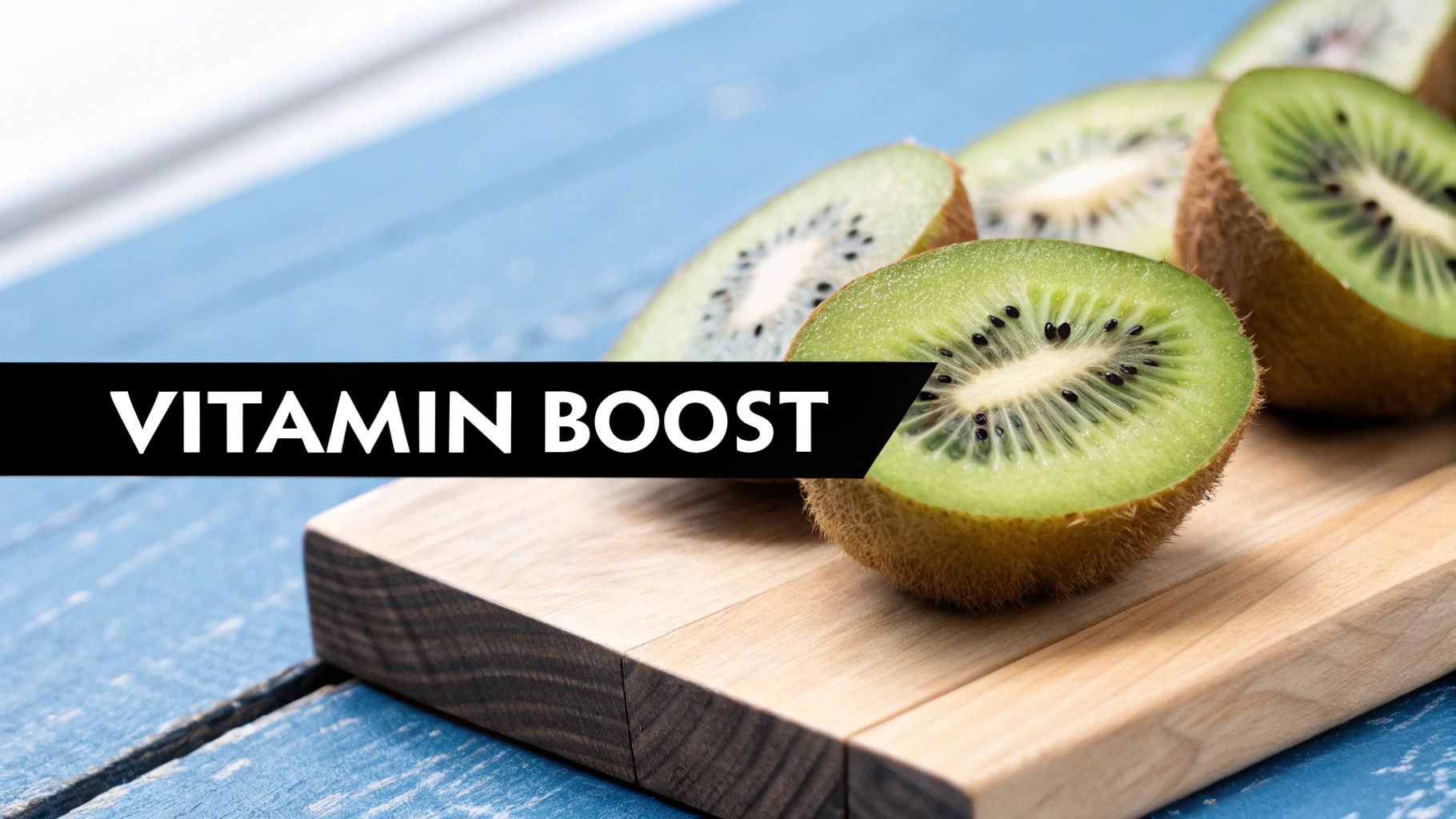
The humble kiwi is a sleep superstar backed by science. A key 2011 study found that eating two kiwis an hour before bed helped people fall asleep more quickly and sleep better through the night. The magic lies in kiwi's unique mix of sleep-friendly nutrients. Its high levels of vitamins C and E fight sleep-disrupting stress in the body. The fruit also contains folate to address deficiencies that can keep you awake, plus serotonin and natural anti-inflammatory compounds that promote restfulness. It's like nature created the perfect bedtime snack in one fuzzy package.
Tart Cherries: A Natural Melatonin Boost
If you're looking for a gentle, natural source of melatonin – the hormone that regulates your sleep-wake cycle – tart cherries are your go-to fruit. Unlike synthetic melatonin supplements that can leave you groggy, the natural melatonin in tart cherries works with your body's rhythms. Studies show that drinking tart cherry juice helps people with insomnia sleep longer and more efficiently. The cherries' antioxidants also protect brain health, setting the stage for better sleep patterns. For many people, tart cherries provide the perfect amount of melatonin for drifting off naturally.
Incorporating Fruits Into Your Sleep Routine
To get the most sleep benefits from fruit, timing and preparation matter. With kiwis, aim to eat two medium fruits about an hour before bed so the nutrients can start working. Tart cherries are versatile – try them as juice, concentrate, or dried fruit based on your preferences. While a single serving might help, you'll likely notice bigger improvements in your sleep when you make these fruits a regular part of your evening routine. For example, sip a small glass of tart cherry juice with your nighttime wind-down or add dried cherries to a light bedtime snack.
Beyond Kiwis and Cherries: Exploring Other Sleep-Friendly Fruits
While kiwis and tart cherries are the stars, other fruits can also support better sleep. Bananas provide magnesium and potassium that help your muscles relax and prevent nighttime leg cramps. Pineapples contain bromelain, which helps regulate key sleep hormones like serotonin and melatonin. Even the simple carbs in bananas can help by making it easier for sleep-inducing tryptophan to reach your brain. This shows how different fruits work together through various mechanisms to improve sleep quality. By thoughtfully choosing and combining sleep-friendly fruits, you can create a natural approach to getting more restful nights.
The Omega-3 Connection: Seafood's Role in Better Sleep

We've explored how certain fruits can help you sleep better – now let's dive into another natural sleep aid from the sea. Fish and seafood, particularly the fatty varieties, contain a powerful combination of nutrients that can help improve your sleep quality. The secret lies in their omega-3 fatty acids and vitamin D content, which work together to promote deeper, more restful sleep through several key mechanisms in your body.
Omega-3s and Sleep Regulation
Your brain relies on omega-3 fatty acids, especially DHA and EPA, to function properly. These essential fats help control important neurotransmitters like serotonin, which your body uses to make melatonin – the hormone that regulates your sleep cycles. This process works similarly to how tryptophan from turkey helps produce melatonin. Research shows that getting enough DHA can help you fall asleep more quickly and stay asleep longer throughout the night.
Vitamin D's Impact on Sleep Quality
Beyond omega-3s, fatty fish provide an excellent source of vitamin D – a crucial nutrient for keeping your body's internal clock running smoothly. Scientists have found clear connections between not having enough vitamin D and having trouble sleeping. This becomes especially important in winter when we get less sunlight, our main source of vitamin D. Eating fatty fish regularly during darker months can help maintain healthy vitamin D levels and support better sleep patterns.
Best Seafood Choices for Better Sleep
When it comes to sleep benefits, some seafood stands out above the rest. Fatty fish like salmon, tuna, mackerel, and sardines pack the most omega-3s and vitamin D. Salmon particularly shines as a sleep-supporting superstar. One study found that people who ate salmon three times weekly slept better and felt more alert during the day. While leaner fish like cod or haddock contain fewer omega-3s, they still provide quality protein and other nutrients that support overall health and can indirectly improve sleep.
Incorporating Seafood Into Your Diet for Optimal Sleep
To get the most sleep benefits from seafood, try to include it in your meals 2-3 times per week, with portions around 4 ounces. Though timing isn't as critical as with some other sleep-friendly foods, it's best to eat your seafood dinner a few hours before bedtime to allow for proper digestion. How you prepare your fish matters too – opt for grilling, baking, or poaching instead of frying, since added oils can disrupt sleep. With some simple meal planning, you can use these ocean-sourced nutrients to help improve your nightly rest.
Strategic Snacking: Nuts and Seeds for Deep Sleep
We've explored how seafood can improve your sleep quality – now let's look at another group of sleep-friendly foods: nuts and seeds. These simple snacks pack a powerful nutritional punch when it comes to promoting better rest. Let's dig into the specific properties that make nuts and seeds such valuable additions to your evening routine.
The Melatonin and Magnesium Advantage in Nuts and Seeds
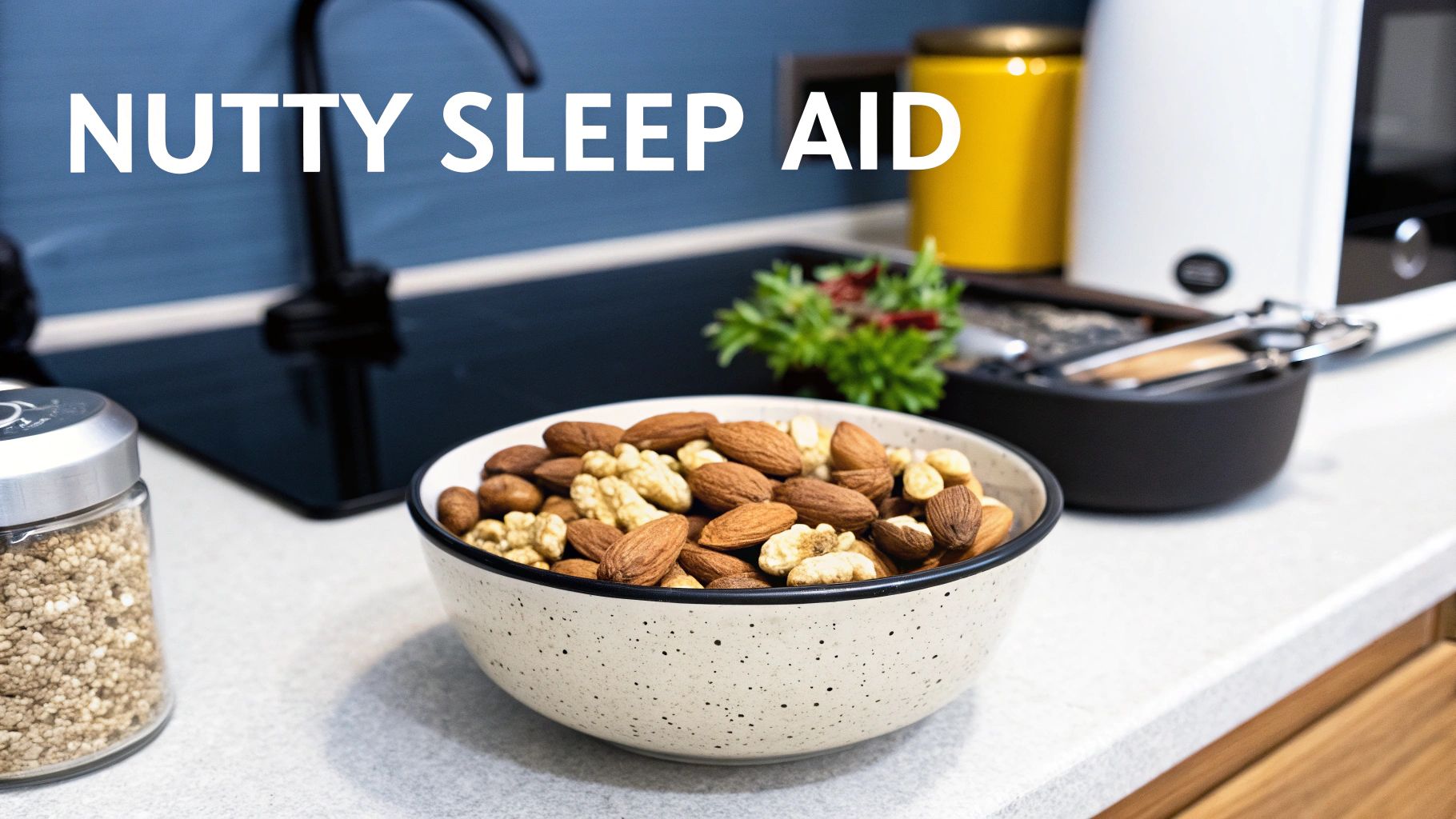
Nature has equipped many nuts and seeds with melatonin, the hormone that helps control your sleep cycles. Almonds are especially rich in this sleep-promoting compound, providing a gentle natural alternative to supplements. These foods also contain plenty of magnesium, which helps calm your nervous system and prepare your body for sleep. This combination means that snacking on nuts before bed can help you fall asleep more quickly and sleep more soundly throughout the night.
Which Nuts and Seeds Are Best for Sleep?
While most varieties offer some benefits, certain nuts and seeds stand out for sleep. Beyond almonds' melatonin content, walnuts provide omega-3 fatty acids that support good sleep, similar to what you get from fish. Pumpkin seeds deserve special mention for their high levels of tryptophan, which helps your body produce both serotonin and melatonin. Even a small serving of these seeds can make a noticeable difference in your sleep quality.
Optimizing Your Nut and Seed Intake for Sleep
Timing and portion size matter when eating nuts and seeds for sleep benefits. About 1/4 cup, consumed an hour or two before bedtime, gives your body time to digest them properly. Eating too many can cause digestive issues that interfere with rest. Try different combinations to see what works for you – for example, mixing almonds and pumpkin seeds combines their sleep-promoting compounds for better results.
Creative Ways to Incorporate Nuts and Seeds Into Your Evening Routine
While plain nuts and seeds make an easy snack, you can get creative with how you enjoy them. Try sprinkling chopped walnuts on evening oatmeal – the omega-3s pair well with complex carbs to help tryptophan reach your brain. Or spread some almond butter on a whole grain cracker for a satisfying pre-bed snack. By thoughtfully including nuts and seeds in your evening meals and snacks, you can take advantage of their natural sleep-supporting properties. This approach works together with other sleep-friendly foods like fruits and seafood to help you get better rest naturally.
(without any changes to images or links)
Mastering Meal Timing for Optimal Rest
The timing of your meals matters just as much as what you eat when it comes to getting quality sleep. While we know certain foods can help us rest better, eating them at the right time makes a big difference. By aligning your meals with your body's natural rhythms, you can set yourself up for better sleep each night.
The Circadian Rhythm and Digestion Connection
Your internal biological clock, known as your circadian rhythm, affects how well your body processes food throughout the day. Your digestive system doesn't work at full capacity around bedtime, which is why eating a big meal late at night can leave you tossing and turning. For instance, having a heavy, greasy dinner right before bed raises your core temperature and makes it harder to drift off. This explains why people who work night shifts often struggle with both digestion and sleep – their natural rhythms are out of sync.
Strategic Dinner Timing and Composition
Plan to finish dinner 2-3 hours before bedtime so your body has time to properly digest. The right mix of foods at dinner also helps promote good sleep. Try building your evening meal around sleep-friendly ingredients – for example, pair baked salmon (rich in sleep-promoting tryptophan) with brown rice (complex carbs) and steamed vegetables (essential nutrients). This combination gives your body what it needs to transition into rest mode.
Evening Snacking: A Balancing Act
A small bedtime snack can help prevent middle-of-the-night hunger that disrupts sleep. The key is choosing the right foods in modest portions. Good options include magnesium and tryptophan-rich snacks like a handful of almonds or a small bowl of oatmeal topped with walnuts. Skip processed snacks and sugary treats that interfere with rest. Remember that even healthy bedtime snacks should be kept light – overeating close to bedtime strains your digestion and disrupts sleep.
Meal Size, Macronutrient Balance, and Eating Windows
Front-loading your calories with larger meals earlier in the day supports better sleep at night. Throughout the day, balance your intake of protein, carbs and healthy fats to keep blood sugar steady. Many people find success with time-restricted eating – consuming all meals within an 8-12 hour window that aligns with their natural rhythms. This approach coordinates your eating schedule with your body's daily cycles for improved rest. When you get the timing right and choose foods thoughtfully, better sleep often follows.
Building Your Personal Sleep-Promoting Menu
Creating the right mix of sleep-friendly foods can make a big difference in how well you rest at night. After exploring individual foods that help with sleep, let's look at how to combine them into satisfying meals that support good rest. This isn't about following rigid rules – it's about making smart food choices that help you sleep better.
Crafting Sleep-Inducing Meals
The key to building sleep-friendly meals is understanding how foods work together. For instance, foods rich in tryptophan (like turkey and nuts) work even better when paired with complex carbs that help the tryptophan reach your brain. That's why a small turkey sandwich on whole wheat bread helps more with sleep than plain turkey. Or try combining salmon (rich in omega-3s and vitamin D) with brown rice and veggies for a balanced dinner that promotes good rest.
Sample Sleep-Promoting Meal Templates
Here are some simple meal ideas to get you started:
- Breakfast: A warm bowl of oatmeal topped with walnuts and fresh berries gives you complex carbs, healthy fats, and antioxidants
- Lunch: A fresh salad with grilled chicken or tofu, mixed greens, and light vinaigrette provides protein and nutrients without weighing you down
- Dinner: Baked salmon with roasted vegetables and quinoa combines omega-3s, complex carbs, and essential minerals
- Bedtime Snack: A small handful of almonds or bowl of tart cherry yogurt offers natural melatonin and magnesium
Feel free to adjust these ideas based on what you enjoy eating. The main thing is choosing whole, minimally processed foods with sleep-supporting nutrients.
Tracking Your Progress and Making Adjustments
Pay attention to how different meals affect your sleep. Are you falling asleep more easily? Sleeping more soundly? Keep notes about what you eat and how you sleep – this helps spot patterns. For example, if you still wake up at night, you might need to tweak when you eat dinner or what you snack on before bed. Finding your ideal sleep-promoting menu takes some trial and error. Remember that while food choices matter a lot, keeping regular sleep times and having a calming bedtime routine are also important.
If snoring or sleep apnea is disrupting your rest, face and mouth exercises called myofunctional therapy may help. These exercises train the muscles involved in breathing and sleeping. Learn more at myohab.

