
Understanding Your TMJ Pain Journey

If you're dealing with TMJ pain, you're part of a large community. Temporomandibular joint (TMJ) disorders affect millions of people worldwide, making everyday activities like eating, talking, and sleeping a real challenge. Let's explore what's really going on with your jaw pain so you can take meaningful steps toward finding relief.
The Prevalence of TMJ Disorders
The numbers tell an important story about TMJ disorders. These conditions affect 5% to 12% of people, with younger adults and women experiencing them more frequently. Research shows that among 50-year-olds, 12.4% of women and 6.7% of men report TMJ pain. You can learn more about these statistics here. These numbers show just how many people are searching for effective treatments.
Identifying Your Unique Pain Triggers
Your TMJ pain is as unique as you are. Some people notice their jaw hurts more when they're stressed, while others feel pain after grinding their teeth (bruxism) or chewing gum for too long. Finding your specific triggers is like being a detective – each clue brings you closer to understanding what sets off your pain and how to avoid it.
Different Types of TMJ Disorders
TMJ pain comes in several forms. You might be dealing with muscle tension in your jaw, or perhaps the joint itself is causing problems through conditions like disc displacement or arthritis. Knowing which type affects you matters because treatment needs vary. For example, exercises that help muscle pain might not be the best choice if you have joint damage.
The Importance of a Personalized Approach
Since TMJ disorders affect everyone differently, your treatment plan should be built around your specific needs. One-size-fits-all solutions rarely work well for jaw pain. Your path to relief might combine several approaches – from at-home care techniques to physical therapy or specialized dental treatments like those from myohab. By focusing on what works for your situation, you can find lasting relief and get back to living comfortably.
Quick-Relief Techniques That Actually Work

Living with TMJ pain can be incredibly frustrating. But there's good news – you can take steps right now to find relief. I've gathered some proven techniques used by physical therapists and pain specialists that can help ease your discomfort quickly during those tough flare-ups.
Targeted Exercises for TMJ Pain Relief
Taking a few minutes each day for gentle jaw exercises can make a real difference. These simple movements help loosen tight muscles and get your jaw moving smoothly again – and the best part is you can do them anywhere.
Here are three exercises that really work:
- Jaw Relaxation: Open and close your mouth slowly, keeping your teeth slightly apart. This simple movement helps your jaw muscles let go of tension.
- Resisted Opening: Put your thumb under your chin and gently push back as you open your mouth. This builds strength and gives you better control of jaw movements.
- Side-to-Side Movement: Carefully slide your lower jaw left to right. This helps your jaw move more freely and smoothly.
Applying Pressure Point Therapy for TMJ Pain
Your face and jaw have specific spots that, when pressed gently, can help melt away pain. These pressure points are the same ones used in massage therapy and acupuncture to reduce muscle tension and calm pain signals.
Try these pressure point techniques:
- Temple Rub: Make small circles with your fingers on your temples. This can ease TMJ-related headaches and tension.
- Masseter Muscle Release: Find the muscle you use to chew (on the side of your face) and press gently with your fingertips. Hold and release to help tight muscles relax.
- Ear-Jaw Connection: Massage the spot where your jaw meets your skull, just below your ear. This can help reduce both pain and clicking sounds.
Utilizing Ice and Heat Therapy Effectively
Ice and heat are simple but powerful tools for pain relief – the key is knowing when to use each one. Using them at the right time can speed up your recovery and keep the pain from getting worse.
Here's how to use them:
- Ice for Acute Pain: When pain flares up, wrap an ice pack in a thin towel and hold it on the sore area for 10-15 minutes. The cold helps reduce swelling and numb the pain.
- Heat for Muscle Tension: For tight, achy muscles, apply a warm compress for 15-20 minutes. The warmth helps your muscles relax and brings fresh blood flow to the area.
These techniques give you practical tools to manage TMJ pain on your own. By combining gentle exercises, pressure point work, and temperature therapy, you can build an effective plan for dealing with flare-ups. Pay attention to how your body responds and adjust these methods to find what gives you the most relief.
Building Your Comprehensive Treatment Strategy
Getting real relief from TMJ pain isn't about quick fixes – it's like putting together pieces of a puzzle. When you combine different treatments that work together, you're more likely to find lasting relief than if you just try one thing. Think of your treatment plan like building a house – you need strong foundations and support at every level.
Combining Treatments for Optimal Results
The best results often come from mixing different approaches. You might work with a physical therapist who can teach you specific exercises and do hands-on work like myofascial release. At the same time, your dentist might fit you with a mouth guard, while you explore options like acupuncture. For example, those PT exercises can help your jaw move better, while wearing a night guard keeps you from grinding your teeth while you sleep.
Physical Therapy and Exercise
A physical therapist who knows TMJ inside and out can be your guide to better jaw health. They'll show you exercises that build strength and flexibility in your jaw muscles. Plus, they'll work with their hands to ease tension and pain. Better yet, they can help fix your posture – something that makes a huge difference in how your jaw feels day to day.
Dental Interventions
Your dentist plays a key role in tackling TMJ problems. They'll check how your teeth fit together and spot anything that might be causing trouble. They might suggest oral appliances (think night guards or splints) to ease pressure on your jaw, or maybe orthodontic work to fix bite issues that are making things worse.
Alternative Treatments: Exploring Other Avenues for TMJ Pain Relief
There's more to TMJ treatment than just medical and dental care. Acupuncture helps many people manage their pain and swelling. Massage and biofeedback can also make a big difference by helping your muscles relax and teaching you to handle stress better. Every case of TMJ is different – some people have mild discomfort while others struggle with daily tasks. If you've got other body pains like neck or back issues, you're more likely to have face and jaw pain too. Read more about TMJ pain patterns.
Building Your Personalized Roadmap
The key to success is creating a treatment plan that fits your specific needs. This means working closely with your healthcare team to figure out which combination of treatments works best for you. Your plan should match your symptoms, fit your daily life, and help you reach your goals. Remember – finding what works takes time and patience.
Like the specialized jaw therapy offered by myohab, a well-planned treatment approach can help solve the root causes of your TMJ pain and get you back to enjoying life. By carefully combining different treatments, you can tackle all aspects of TMJ problems and find real relief.
Transforming Daily Habits for Lasting Relief
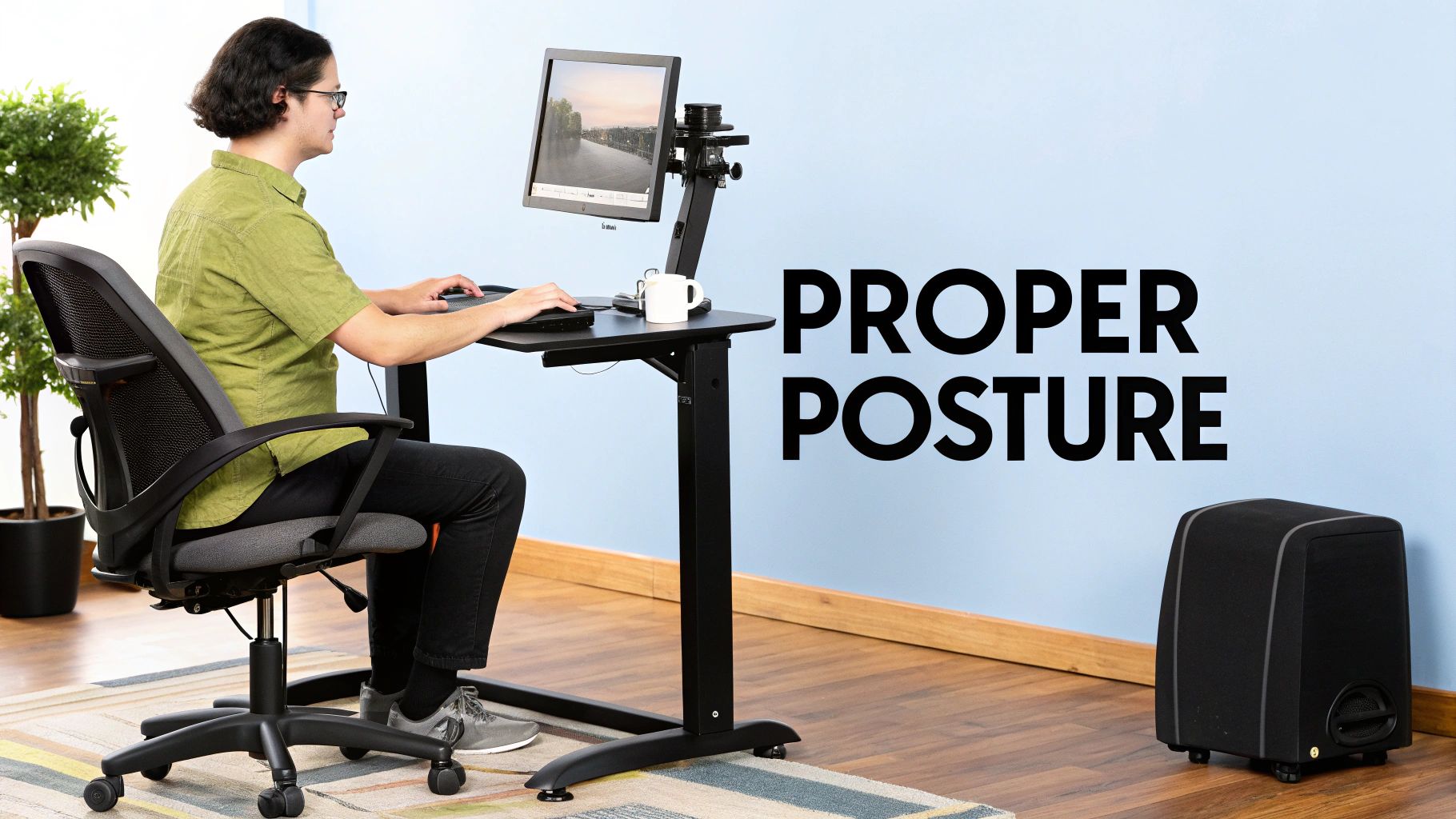
The path to managing TMJ pain goes beyond quick fixes and treatments. By making specific changes to your daily routine, you can significantly reduce both the frequency and intensity of jaw discomfort. Let's explore the practical steps you can take to build lasting jaw health habits.
Stress Reduction for TMJ Pain Relief
Your stress levels directly impact jaw tension and pain. Most people don't realize they're clenching their jaw or grinding their teeth when feeling anxious or overwhelmed. Simple daily practices can help break this cycle:
- Mindfulness Meditation: Regular meditation helps you notice jaw tension early, making it easier to consciously relax those muscles throughout the day.
- Deep Breathing Exercises: Taking slow, deliberate breaths helps relax your entire body, including tense jaw muscles.
- Yoga and Tai Chi: These gentle movement practices naturally reduce muscle tension while teaching you to stay relaxed during physical activity.
Ergonomic Adjustments for Jaw Health
Your posture plays a bigger role in jaw pain than you might think. The way you hold your head and neck directly affects jaw muscle strain. Here's how to set up your space:
- Proper Desk Setup: Keep your screen at eye level – when your head tilts forward, it puts extra pressure on your jaw muscles.
- Supportive Chair: Choose a chair that helps maintain good spine alignment both at work and home.
- Regular Breaks: Stand up and stretch every half hour to prevent muscle stiffness and improve blood flow.
Optimizing Sleep Positions and Diet
Small changes to your sleeping habits and food choices can make a real difference. Both affect how your jaw feels throughout the day:
- Ideal Sleep Posture: Back or side sleeping with proper neck support helps keep your jaw aligned. Avoid stomach sleeping, which twists your neck.
- Dietary Modifications: Choose softer foods and take smaller bites to reduce jaw strain. During flare-ups, skip tough or crunchy foods that make your jaw work harder.
These daily habits work best when practiced consistently alongside professional care like myohab's treatment options. Think of it as creating the right environment for your jaw to heal – each small change adds up to significant relief over time. Most importantly, be patient with yourself as you build these new habits into your routine.
When and How to Engage Professional Support

Getting professional help for TMJ pain can make a huge difference when self-care isn't enough. Let's explore when to see a specialist and how to get the most from professional treatment. The right medical support can help you find lasting relief through targeted therapies.
Recognizing When Professional Help Is Needed
Pay attention to warning signs that indicate it's time to see a doctor. If you have severe or ongoing pain that affects your daily activities, don't wait to get help. Watch out for serious symptoms like jaw locking, limited mouth opening, or pain spreading to your face, neck and ears. These could point to complex TMJ problems that need expert care.
Choosing the Right Specialist for Your TMJ Pain
Several types of healthcare providers treat TMJ pain, each with different expertise. Dentists who focus on TMJ can check your bite and jaw alignment, possibly recommending special mouthguards or dental work. Orofacial pain specialists have extra training to diagnose and treat complicated facial pain issues. Physical therapists can teach you exercises to improve jaw movement and fix posture problems. A physical therapist might use hands-on techniques to reduce muscle tension and help your jaw work better.
Preparing for Your Consultation and Asking the Right Questions
Before your appointment, write down details about your symptoms – when they started, what makes them worse, and treatments you've already tried. Come prepared with questions about your treatment options, how long it might take, and what it will cost. Don't be shy about asking how much experience the specialist has with TMJ and their approach to treatment. This helps ensure you're getting the right care.
Understanding Treatment Timelines and Costs
Every patient's TMJ treatment plan is unique. Some people might only need a few weeks of physical therapy, while others require longer treatment with special dental devices. The financial impact is significant – in the US, treating TMJ disorders costs about $4 billion each year. See more statistics from the American Academy of Family Physicians. Talk with your specialist about what to expect for your specific situation.
Evaluating Treatment Success and Long-Term Management
Keep your healthcare provider updated on how you're responding to treatment. Record your pain levels and any changes you notice. This helps them adjust your care plan when needed. Managing TMJ long-term often combines professional treatment with self-care practices like exercises and stress management. Regular check-ups help prevent future problems. Consider specialized services like myohab for personalized therapy targeting the root causes of TMJ pain.
Creating Your Long-Term Pain Prevention Plan
Managing TMJ pain requires a thoughtful strategy that goes beyond quick fixes. Let's break down what it takes to build daily habits and practices that keep your jaw healthy for the long run.
Early Warning Systems for Flare-Ups
Think of your jaw like a car's check engine light – it gives you signals before major problems occur. Learning to spot your unique warning signs, whether it's slight jaw tightness, faint clicking sounds, or disrupted sleep, lets you take action early. When you notice these signals, you can use your pain relief techniques right away instead of waiting for the pain to get worse.
Personalized Prevention Routines: Your Daily Dose of Jaw Health
Your jaw health needs daily attention, just like brushing your teeth. But everyone's needs are different. Try building a routine that fits naturally into your day:
- Targeted Exercises: Do your jaw relaxation moves, gentle stretches, and side-to-side movements consistently
- Stress Relief: Take a few minutes for deep breathing or quiet reflection to help your jaw muscles relax
- Posture Check-ins: Notice your head and neck position throughout the day, especially at your desk
Backup Plans for High-Stress Periods: Managing Life's Challenges
We all face stressful times that can trigger jaw pain. Having a backup plan helps you stay on track when life gets hectic. This might mean doing extra jaw exercises, setting aside more time to unwind, or choosing softer foods until things settle down.
Maintaining Optimal Jaw Alignment Naturally
Good jaw alignment comes from daily habits. Sleep on your back or side rather than your stomach. Take smaller bites when eating. Choose foods that don't make your jaw work overtime. Pay attention to teeth grinding or clenching, especially if you're stressed.
Monitoring Your Progress: Tracking Your Path to Relief
Keeping track of your jaw health is like having a map of your progress. Write down your daily pain levels, when flare-ups happen, and which techniques help most. This information helps you spot patterns and adjust your approach when needed.
Taking care of your jaw is an ongoing process, but it gets easier with practice. These strategies can help you build strong habits that prevent pain before it starts. For extra support, check out myohab for personalized exercises that target TMJ issues and improve breathing patterns. Their targeted approach can give you the tools you need for lasting jaw health.

