
Understanding Sleep Apnea and Natural Treatment Options

Sleep apnea disrupts breathing during sleep and impacts millions of people's health and quality of life. There are two main types you should know about: Obstructive Sleep Apnea (OSA) and Central Sleep Apnea (CSA). Understanding the key differences between these types helps identify which natural approaches might work best alongside medical treatment.
Differentiating Between OSA and CSA
Think of OSA like a kinked garden hose – the airway gets physically blocked, usually by relaxed throat muscles that collapse during sleep. CSA is different – it's more like an electrical problem where the brain doesn't send the right signals to keep you breathing. Each type needs its own approach since they have different root causes.
The Role of Natural Remedies
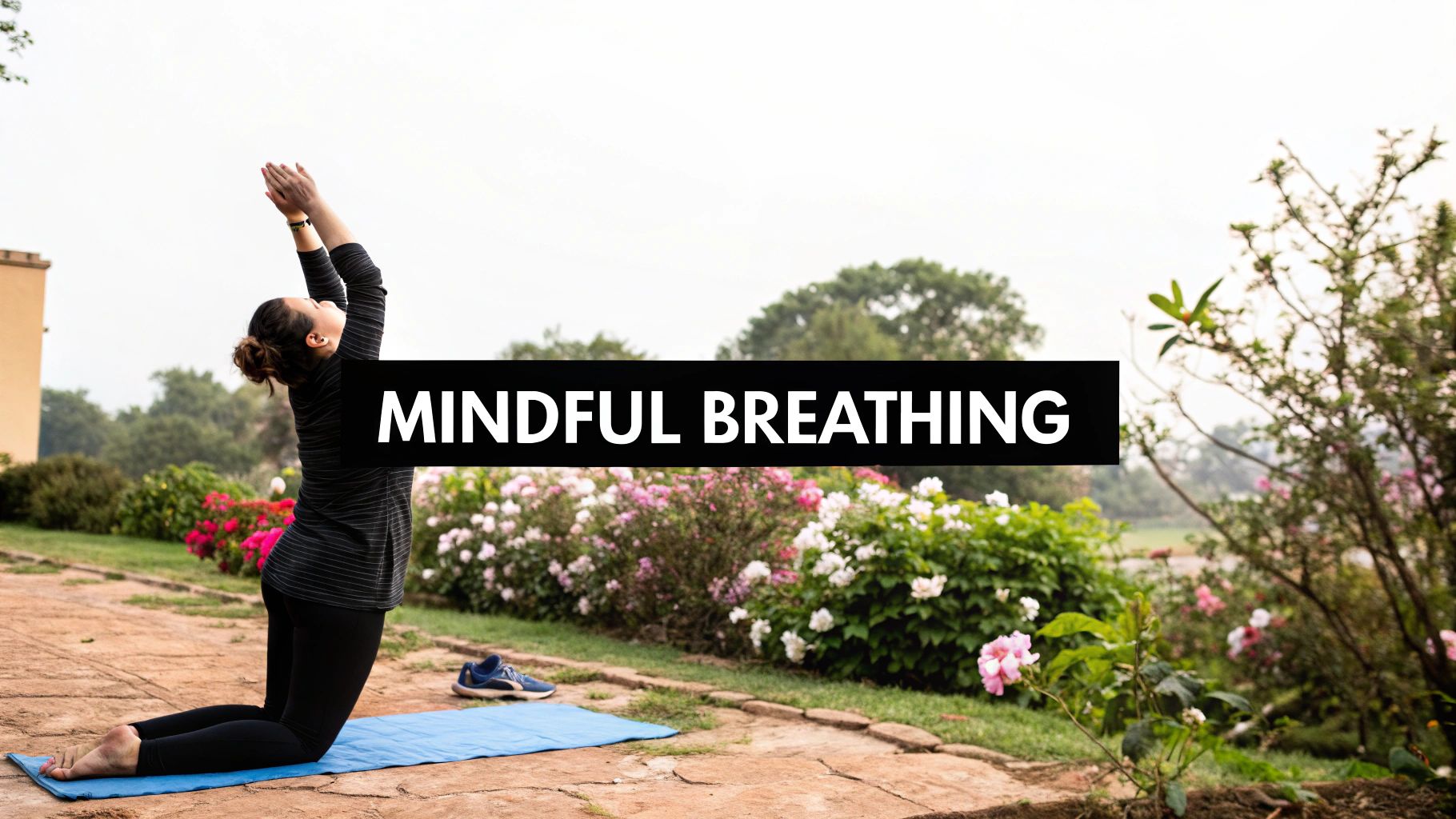
While natural methods can't replace medical treatment, they can help manage symptoms and improve sleep quality. Simple changes like regular exercise and maintaining a healthy weight often reduce how often breathing stops during sleep. Gentle practices like yoga and breathing exercises may also help by teaching better breathing patterns and reducing stress that can worsen symptoms.
It's important to be realistic about what natural approaches can achieve. Sleep apnea requires proper medical care – trying to treat it with home remedies alone could be dangerous. The most effective treatment for OSA is Continuous Positive Airway Pressure (CPAP) therapy, which uses gentle air pressure to keep your airway open while you sleep. Natural methods work best when used alongside treatments prescribed by your doctor. Want to learn more about sleep apnea treatments? Check out this helpful guide: Sleep Center's Guide to Sleep Apnea Remedies
Integrating Natural Remedies with Conventional Care
Always work with your doctor when adding natural approaches to your sleep apnea treatment plan. They can help figure out what's causing your sleep apnea and recommend safe, effective combinations of treatments. Regular check-ups let them track your progress and adjust your plan as needed. This team approach gives you the best chance of getting better sleep and managing your symptoms successfully.
Lifestyle Modifications That Work

Making specific changes to your daily habits can have a big impact on sleep apnea symptoms. When combined with medical treatments like CPAP therapy, these lifestyle adjustments create a complete approach to managing the condition. The key is making sustainable changes that you can maintain long-term.
Better Sleep Through Diet and Exercise
Extra weight around the neck puts pressure on your airways during sleep, making sleep apnea worse. This is why managing your weight through healthy eating and regular movement is so important. A balanced diet with plenty of fruits, vegetables, and lean proteins gives you steady energy while supporting gradual weight loss.
You don't need an intense exercise program to see benefits. Something as simple as taking a 30-minute walk most days can improve both your sleep quality and reduce breathing interruptions at night. The combination of moving more and eating well strengthens your heart and breathing muscles too.
Creating Better Sleep Habits
Having a consistent bedtime routine helps your body know when it's time to rest. Go to bed and wake up at the same times each day – even on weekends. This regular pattern trains your body's natural sleep-wake cycle.
Make your bedtime routine relaxing. Take a warm bath, read a book, or do some gentle stretching. Deep breathing or meditation can help calm your mind before sleep. Research shows these changes make a real difference – one study found that lifestyle adjustments reduced breathing interruptions from 22 to 12 per hour on average. For more sleep apnea statistics and research, visit CPAP.com's Sleep Apnea Statistics.
Tackling Problem Habits
Certain behaviors can make sleep apnea symptoms much worse. Smoking irritates your airways and increases inflammation. Drinking alcohol or taking sedatives before bed relaxes your throat muscles too much, making it harder to breathe.
Quitting smoking and avoiding alcohol near bedtime can significantly improve your sleep quality. Clear nasal passages also help – try saline sprays or strips if congestion is an issue. Small changes in these daily habits add up to better sleep over time.
Harnessing Traditional Chinese Medicine for Better Sleep
Sleep apnea affects millions of people worldwide, and Traditional Chinese Medicine (TCM) offers fresh insights into managing this condition. TCM views sleep disruptions not as isolated symptoms, but as signs of deeper imbalances within the body's energy systems. This ancient healing approach focuses on restoring natural balance to improve sleep quality.
Understanding the TCM Approach to Sleep Apnea
According to TCM principles, sleep apnea often stems from imbalances in three main organ systems – the Lungs, Spleen, and Kidneys. When these systems are out of sync, they can disrupt the flow of Qi (the body's vital energy), leading to breathing difficulties at night. Think of Qi like a river – when it flows smoothly, all is well, but blockages can cause problems downstream.
Exploring Herbal Formulations and Their Benefits
TCM practitioners often use specific herbs to support better sleep and breathing. For example, Astragalus helps boost immune function and reduce inflammation, while Rehmannia is believed to strengthen the Kidney system's role in promoting restful sleep.
Recent research supports these traditional approaches. A key study found that Chinese Herbal Medicine (CHM) reduced the apnoea hypopnoea index (AHI) by -7.10 events per hour compared to placebo. Even better results emerged when combining CHM with CPAP therapy. For more details, check out the full research findings in this medical journal. These results suggest TCM works best as part of a complete treatment plan.
Safely Incorporating TCM Into Your Routine
Before starting any TCM treatments, connect with a qualified practitioner who can assess your individual needs. They can create a personalized plan that might include herbal formulas, acupuncture, or Tuina (therapeutic massage). This tailored approach helps ensure you get the most benefit while avoiding potential risks.
When choosing herbal supplements, stick to reputable brands that clearly list their ingredients and quality certifications. Always keep your regular healthcare providers in the loop about any herbs you're taking – this helps prevent unwanted interactions with other medications. By thoughtfully combining TCM practices with modern medical care, you can build an effective strategy for better sleep and breathing.
Mastering Positional Therapy Techniques
If you struggle with sleep apnea, positional therapy offers a natural approach to managing symptoms, especially when your breathing issues are affected by how you sleep. By preventing back sleeping, which often makes airway blockages worse, this method can help you breathe easier at night. Let's explore how to make positional therapy work best for your needs.
Assessing Your Optimal Sleep Position
Finding your best sleep position starts with understanding which positions cause problems. Most people experience more breathing issues when lying on their back since gravity pulls the tongue and throat tissues backward, narrowing the airway. Side sleeping typically allows for better breathing. To track your patterns, keep a simple sleep diary for a week – note your sleeping positions and any symptoms like snoring or waking up gasping for air.
Choosing the Right Support Tools
Once you know which position works best (usually side sleeping), you can pick tools to help maintain that position through the night. Positional pillows provide comfortable support for side sleeping, while positional trainers use gentle reminders like vibration to keep you from rolling onto your back. Pick what feels most comfortable and practical for your sleep habits.
Research shows positional therapy can really help, especially if you have Position-Dependent Obstructive Sleep Apnea (POSA). A 20-year study found that 56% of people with sleep apnea have POSA, meaning their breathing problems happen mainly in certain positions. One study showed positional therapy reduced breathing events by 54%. While it works best for mild cases and works well alongside other treatments, it may not be enough on its own for severe sleep apnea. Learn more at Pacific Northwest Dentist.
Adapting to New Sleeping Patterns
Changing how you sleep takes time – don't rush it. Start slowly with your chosen positional therapy tool. If you're using a special pillow, try it for short periods first, then gradually sleep with it longer each night. For positional trainers, begin with the gentlest settings and adjust as needed. Making these changes bit by bit helps your body adjust more easily. Adding relaxing bedtime habits can also help you settle into your new sleep position. Stay consistent – that's what leads to lasting change.
Natural Sleep Enhancement Through Aromatherapy
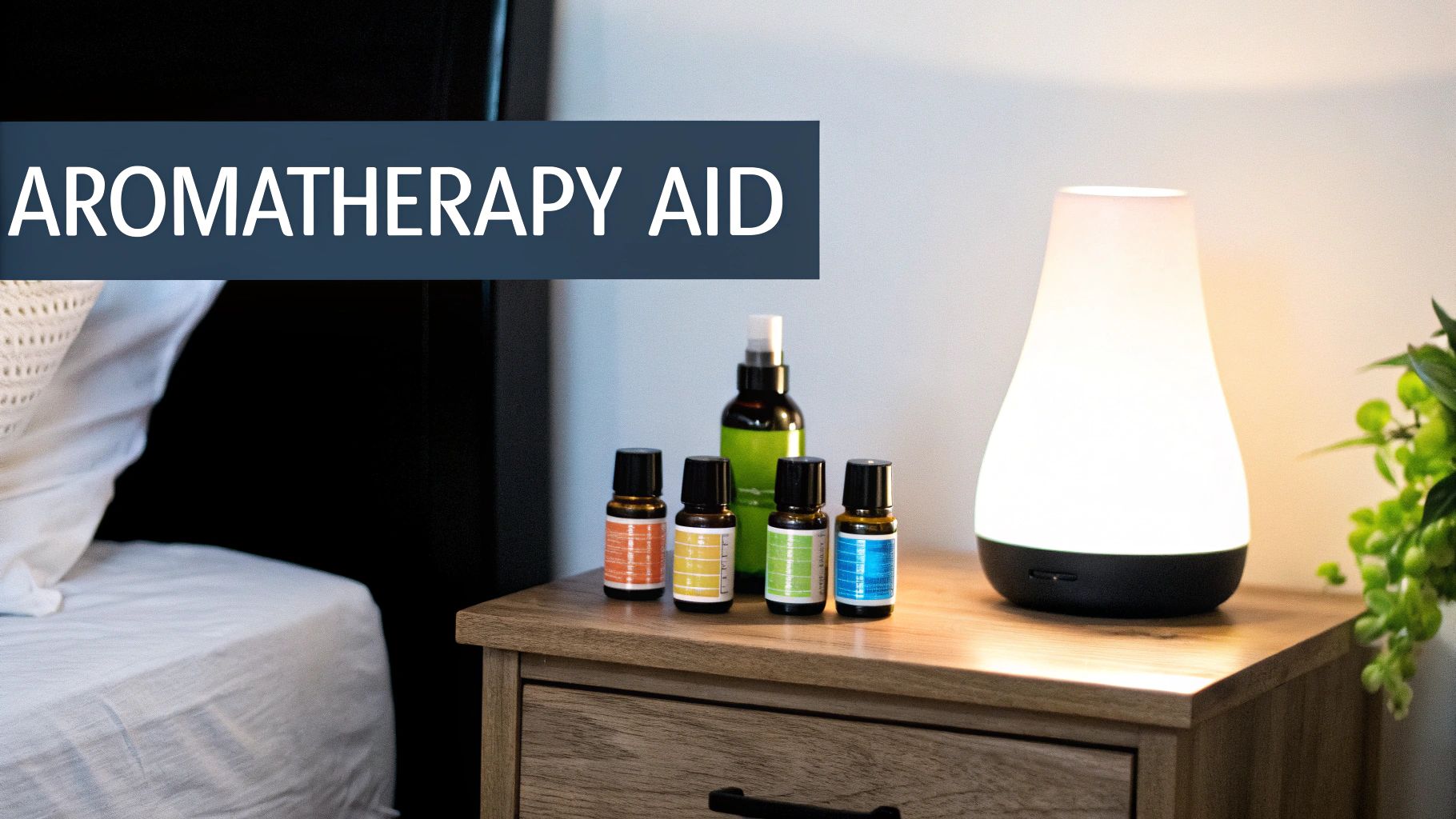
Looking for a gentle way to improve your sleep while managing sleep apnea? Aromatherapy with essential oils could help. When used alongside other treatments, these natural scents can help you feel more rested, even on nights when breathing disruptions occur. The pleasant aromas create a calming environment that promotes better sleep quality.
Exploring Essential Oils for Sleep
Several essential oils stand out for their sleep-promoting abilities. Lavender oil leads the pack with its gentle floral scent that helps ease pre-bedtime anxiety. Chamomile and Jasmine oils also work wonders for sleep quality. For those who prefer citrus scents, bergamot and sweet orange oils can help melt away stress before bed. Each oil brings its own unique benefits to your nighttime routine.
Creating a Personalized Aromatherapy Routine
You have several options for using essential oils as part of your sleep routine. Many people enjoy using a diffuser to fill their bedroom with gentle scents. Others prefer adding a few drops to a warm bath for a relaxing soak before bed. You might also try applying diluted oils to your wrists or temples. Take time to test different methods until you find what helps you sleep best.
The Power of Herbal Teas
Herbal teas offer another natural path to better sleep. A cup of chamomile tea before bed can help calm your mind and body. Valerian root tea may help you fall asleep faster, while lemon balm and passionflower teas promote relaxation. Many find these natural options helpful for sleep apnea symptoms, though it's best to check with your doctor first about possible interactions with medications. For more details about natural sleep remedies, check out these research findings.
Blending and Safety Considerations
When mixing essential oils, start small with two to three drops of each oil. Always dilute them in a carrier oil like jojoba or almond oil before putting them on your skin to prevent irritation. While aromatherapy can improve your sleep routine, remember it works best as part of your overall sleep apnea management plan. Talk with your healthcare provider about how to safely add these natural remedies to your current treatment approach.
Building Your Personalized Natural Treatment Protocol
Improving your sleep apnea symptoms naturally starts with creating a treatment plan that fits your unique needs and lifestyle. Think of it like assembling a puzzle – you'll need to try different pieces to see what creates the full picture of better sleep for you. By taking an active role in developing your protocol, you gain more control over your sleep health journey.
Evaluating and Combining Natural Remedies
Start by looking at which natural approaches make the most sense for your situation. Consider your specific symptoms, daily routines, and what feels sustainable for you long-term. If you struggle to sleep on your side, you might focus more on calming bedtime rituals with aromatherapy or herbal teas instead of positional therapy. Or if weight affects your symptoms, combining dietary changes with other remedies could work better for you.
Here are the key elements to consider:
- Daily Habits: Focus on eating well and moving your body regularly – small, consistent changes add up
- Sleep Position: Try specialized pillows or position trainers if side-sleeping helps your symptoms
- Traditional Medicine: Work with a qualified TCM practitioner to explore herbs, acupuncture or therapeutic massage
- Aromatherapy: Use calming scents like lavender or chamomile to create a sleep-friendly environment
- Herbal Support: Add soothing teas like chamomile, valerian root or lemon balm to your evening routine
Tracking Your Progress and Making Adjustments
Once you've chosen a few approaches to try, keep tabs on how well they work. Use a simple sleep journal or tracking app to record your sleep quality, snoring patterns, and energy levels during the day. Like tending a garden, this helps you see what's thriving and what needs tweaking.
Review your sleep data regularly and be ready to adjust your protocol. If you're not getting results from one remedy, try something different. For example, if chamomile tea isn't helping much, switch to valerian root tea instead. Keep fine-tuning your approach based on what the results tell you.
Maintaining Consistency and Long-Term Success
Getting lasting benefits from natural remedies requires staying consistent with your routine. Just like learning a new skill, regular practice leads to improvement. Create daily and nightly habits around your chosen treatments and stick with them.
Be patient with the process and set realistic expectations. Natural approaches often need time to show their full effects. Notice and celebrate small improvements to stay motivated. Remember that better sleep is an ongoing journey rather than a quick fix.
Coordinating with Healthcare Providers
While exploring natural remedies, keep your healthcare team in the loop. They can offer valuable guidance about what approaches might work best for your type of sleep apnea and help ensure any natural treatments work safely alongside other care you're receiving. Open communication helps create the most effective overall treatment plan.
Want to add another tool to your natural sleep apnea toolkit? myohab offers specialized myofunctional therapy exercises that complement other natural treatments. These exercises help strengthen and retrain the muscles involved in breathing and sleep. Learn more about improving your breathing patterns naturally at myohab.com.

