
The Evolution and Impact of Orofacial Myofunctional Therapy
Orofacial myofunctional therapy (OMT) has changed how we think about oral health and facial development. This specialized therapy focuses on strengthening and retraining the muscles of the face and mouth. Let's explore how OMT developed and why it matters for healthcare today.
Early Pioneers and Foundational Discoveries
OMT emerged in the early 1900s when orthodontists began looking for ways to help muscles work properly and reduce pressure on teeth. Two key figures shaped its early development. Edward Angle's 1907 book Malocclusion of the Teeth highlighted how tongue position affects orthodontic success. Around the same time, Alfred Rogers created specific exercises to strengthen facial muscles. These pioneering ideas formed the basic principles still used in OMT today.
Their work showed how proper muscle function affects not just teeth alignment but overall facial growth and development. Learn more about the history of OMT. This foundation led to many advances we see in modern practice.
Modern Applications and Growing Recognition
Today's OMT treats a wider range of conditions than ever before. For instance, therapists now work with patients who have:
- TMJ disorders
- Sleep apnea
- Speech problems
- Improper swallowing patterns
This broader scope reflects new research showing how facial muscles affect many aspects of health. Modern therapists also use advanced tools and methods to assess and treat their patients more effectively.
The Future of Orofacial Myofunctional Therapy
As research expands, OMT continues to find new uses and improve existing treatments. More people now understand how oral health connects to overall wellness, increasing interest in OMT services. This growing demand drives further advances in the field.
OMT is also working more closely with other healthcare areas like dentistry and speech therapy. This team approach means better results for patients since different specialists can coordinate care. Working together helps address health issues more completely and effectively.
Understanding the Science: From Research to Results

The field of orofacial myofunctional therapy (OMT) reveals fascinating connections between facial muscles and our overall wellbeing. Recent studies show that the way our facial muscles work directly affects our breathing patterns, body posture, and mental development. This growing body of evidence helps us better understand how oral health influences many aspects of daily life.
Key Research Milestones
The 1950s marked an important shift in our understanding of OMT. Orthodontic researcher W.J. Tulley made a breakthrough discovery using tools like electromyography (EMG) and cinefluorography to study how people swallow. His work found that keeping the mouth open while swallowing often leads to misaligned teeth. This insight showed why muscle training through OMT plays such an important role in orthodontic care. You can read more about this foundational research here.
How Oral Function Affects Overall Health
Recent studies paint an interesting picture of how oral functions shape our health beyond just the mouth. For instance, proper nasal breathing supported by OMT helps increase oxygen in the blood, which in turn can improve brain function. Therapists have also found that better muscle control and breathing may help reduce symptoms of conditions like ADHD. Major medical centers are taking note of these connections between oral health and broader wellness.
Real-World Benefits
These findings have real, practical value for people's health. OMT techniques can help with common issues like sleep apnea and TMJ pain by retraining facial muscles for better breathing and posture. For those interested in seeing how OMT might improve their quality of life, check out our detailed guide to essential exercises in this article.
Looking ahead, the growing role of orofacial myofunctional therapy shows how our understanding of health keeps expanding. As more research emerges, OMT continues to prove its worth as a well-supported approach to improving wellness through better oral function.
Bridging Traditional Wisdom with Modern Practice

The story of orofacial myofunctional therapy (OMT) stretches back much further than many realize. What began as careful observations of oral habits and health has grown into a field that skillfully combines time-tested knowledge with current scientific understanding. This blend of old and new approaches has helped countless patients improve their oral function and overall wellbeing.
Early Insights Paving the Way
The connection between oral habits and health caught scientific attention earlier than you might expect. In 1870, George Catlin published an eye-opening book called Shut Your Mouth and Save Your Life, showing how muscle pressures shape dental development. This laid the foundation for future breakthroughs. The field truly took off in 1918 when Alfred Rogers, who studied under the renowned orthodontist Edward Angle, introduced orofacial myofunctional therapy through his groundbreaking paper on muscle exercises for proper facial growth. His work marked the official beginning of this therapeutic approach. Learn more about the history of OMT.
Modern Science Validating Traditional Practices
Those early insights about muscle function and oral health now have solid scientific backing. For instance, advanced tools like electromyography clearly show how habits such as mouth breathing affect facial development. This research confirms what pioneers observed and helps explain the mechanisms behind successful treatments.
The Fusion of Old and New
Today's OMT practitioners take the best from both worlds. They combine proven traditional methods with precise diagnostic tools to create personalized treatment plans. The rise of digital platforms has made therapy more accessible than ever – patients can now do evidence-based exercises at home through apps and online programs. This practical approach leads to better outcomes by tackling the root causes of oral dysfunction. By building on historical wisdom while embracing new developments, OMT continues making real differences in patients' lives.
Transform Your Health: Real Benefits and Success Stories
Orofacial myofunctional therapy (OMT) has helped many people achieve significant improvements in their health and quality of life. Whether dealing with sleep issues or wanting to improve facial appearance, OMT provides practical solutions that create lasting positive changes.
Life-Changing Patient Transformations
People who undergo OMT often experience remarkable improvements in their daily lives. For instance, patients with sleep apnea or chronic snoring find that the therapy helps them breathe more efficiently at night. Studies show that 70% of patients report better sleep within a few months of starting treatment. This enhanced breathing not only improves sleep quality but gives people more energy throughout their day.
Documented Clinical Outcomes
Research consistently shows clear benefits of OMT across several key areas:
- Nasal breathing: Reduces mouth breathing and helps maintain good oral health
- Facial muscle strength: Improves mouth closure and facial alignment
- Better posture: Proper breathing technique naturally leads to improved body alignment
These research-backed results demonstrate how OMT's focused muscle training creates positive changes throughout the body.
Success Factors and Expected Timeline
Several elements affect how quickly patients see results from OMT, including exercise selection and dedication to the treatment plan. Most people notice initial improvements in their breathing patterns and facial appearance within six weeks, with more substantial changes developing over 3-4 months. Individual results vary based on consistency with home exercises and specific treatment needs.
Proven Approaches That Work
OMT practitioners use tested protocols customized for each patient. Regular check-ins and exercise adjustments ensure the therapy stays on track for optimal results. Daily practice combining targeted tongue exercises and breathing techniques helps patients make steady progress toward their goals.
Want to learn more about getting the most from orofacial myofunctional therapy? Check out our comprehensive guide with science-backed methods to help you achieve your health goals through OMT.
Mastering Essential OMT Techniques and Protocols
OMT (orofacial myofunctional therapy) takes precise techniques and structured protocols to achieve successful treatments. From targeted exercises to comprehensive treatment plans, understanding these core methods helps practitioners deliver lasting results for their patients.
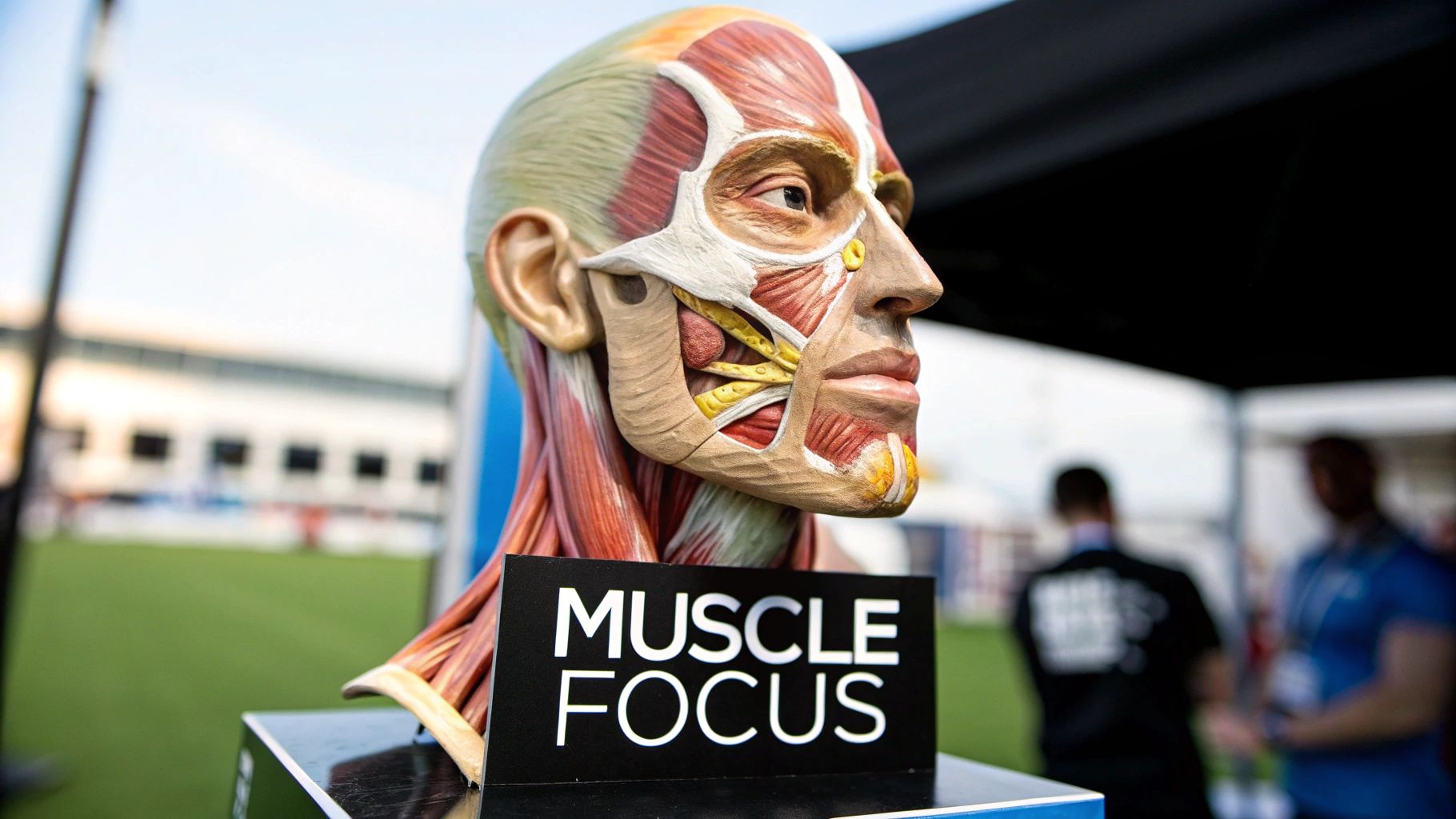
Core OMT Exercises for Oral-Facial Health
The foundation of OMT includes specific exercises to build facial muscle strength and control. Here are the key techniques that form the core of treatment:
- Tongue Exercises: Train proper tongue position and build muscle strength to improve swallowing patterns and speech clarity
- Lip Exercises: Build lip strength and seal to support nasal breathing and prevent mouth breathing
- Cheek Exercises: Develop cheek muscles to enhance facial symmetry and function
When done consistently, these exercises help address common issues like tongue thrust and TMJ pain. Many patients see notable improvements in both function and appearance.
Developing a Personalized Treatment Plan
Creating an effective OMT program starts with thorough evaluation by a qualified therapist:
- Initial Assessment: Review oral habits, medical history, and current challenges
- Treatment Planning: Design targeted exercises based on individual needs
- Progress Tracking: Monitor improvements and adjust the plan as needed
Patient commitment is essential for success. While some see changes within weeks, complete results often take several months of dedicated practice.
Expert Tips for Maximizing Exercise Effectiveness
Follow these guidelines to get the most from your OMT practice:
- Daily Practice: Make exercises part of your daily routine to build lasting habits
- Focus on Form: Pay close attention to proper technique for each movement
- Stay Patient: Keep working steadily toward your goals even when progress feels slow
Skipping sessions or using incorrect form can delay progress, so stay consistent with proper technique.
Long-Term Maintenance and Strategies
Maintaining OMT results requires ongoing attention and good habits:
- Regular Check-ins: Schedule periodic visits with your therapist to refine techniques
- Daily Integration: Build exercises into existing routines like morning hygiene
Want to learn more about mastering these techniques? Check out our detailed guide on How to master OMT techniques.
By mastering these core techniques and maintaining consistent practice, you can achieve lasting improvements in oral-facial function and form. The structured approach provides clear steps toward meeting your specific health goals.
Selecting Your OMT Partner: A Strategic Approach
Finding the right orofacial myofunctional therapy (OMT) professional can make all the difference in your treatment success. With so many therapists to choose from, it's important to know what to look for. Let's explore how to find a qualified professional who can help you reach your orofacial health goals.

Evaluating Credentials and Expertise
Start by checking the therapist's qualifications and experience. Look for professionals who:
- Hold certification from respected organizations like the International Association of Orofacial Myology (IAOM)
- Have proven experience treating conditions like TMJ disorders, sleep apnea, and tongue-ties
- Keep learning through regular professional development and training
These credentials help ensure you'll get quality care from someone who knows what they're doing.
Assessing Treatment Approaches
When meeting potential therapists, ask specific questions about their methods:
- How do they evaluate and diagnose orofacial issues?
- What exercises do they use, and how do they adapt them for each patient?
- How often do they check progress and modify treatment plans?
Their answers will tell you if they can provide the personalized attention you need.
Red Flags to Watch For
Keep an eye out for these warning signs that may indicate a less qualified provider:
- Quick-fix promises or miracle cures
- Vague or confusing treatment explanations
- Few or outdated professional certifications
If you spot these issues, it's best to continue your search for a better-qualified therapist.
Coordinating with Other Healthcare Providers
Good OMT care often requires teamwork between your therapist and other health professionals like dentists and orthodontists. This helps create a complete treatment plan that addresses all aspects of your oral-facial health.
Finding the right OMT therapist takes careful research and trust in your judgment. To make your search easier, consider trying Myohab. This platform helps match you with expert therapists and provides custom exercises for your specific needs. Start your path to better oral-facial health with Myohab today!

