
Understanding Orofacial Myofunctional Disorders
Orofacial myofunctional disorders (OMDs) affect the way oral and facial muscles work. Think about how you breathe, swallow, chew, and speak – these basic functions require your facial muscles to work together smoothly. When these muscles don't coordinate properly, it's like an orchestra playing out of sync.
How Common Are OMDs?
These disorders affect more people than you might think. Research shows that 38% of people have some form of OMD. A study of college students in the US using specialized screening tests found that 31% showed signs of these disorders. This high number shows why we need to pay more attention to OMDs. Want to learn more? Check out this detailed research on OMD prevalence.
How OMDs Affect Daily Life
Living with an OMD can make everyday activities challenging. People might have trouble eating properly, which can lead to poor nutrition. Speaking clearly becomes difficult, affecting how they talk with others. Many breathe through their mouth instead of their nose, which can cause poor sleep and tiredness during the day. These issues can also lead to crooked teeth over time.
Looking Deeper at OMDs
OMDs affect more than just physical functions – they can shape how a person develops and feels about themselves. For example, breathing through the mouth can change how the face grows and make the roof of the mouth narrow. Kids and teens with OMDs might feel self-conscious about their speech or facial expressions, which can affect their confidence and social life.
How Facial Muscles Work Together
Your facial muscles are like a team – they need to work together to get things done. From closing your lips to moving food around while eating, these muscles coordinate dozens of movements every day. When one muscle isn't working right, it throws off the whole system. It's similar to a piano where one key isn't working – the whole song sounds off. Understanding how these muscles work together helps doctors create better treatment plans.
Recognizing the Signs and Symptoms That Matter
Spotting orofacial myofunctional disorders (OMDs) requires a keen eye for detail. While some signs stand out clearly, others are more subtle but equally important. Let's look at what parents and healthcare providers should watch for, from early warning signs to full-blown symptoms.
Early Warning Signs of OMDs
Kids can show signs of OMDs through certain habits. Thumb sucking or using pacifiers past age 3-4 can affect how mouth muscles develop and work. Keep an eye out for mouth breathing, especially during sleep – proper nose breathing helps faces grow correctly.
Watch for these key signs:
- Tongue pushing forward when swallowing or talking
- Trouble chewing solid foods properly
- Speech issues like lisping or unclear sounds
Catching these signs early makes a big difference. Quick action can prevent bigger issues down the road. You might be interested in: How to master…
Advanced Indicators of OMDs in Older Children and Adults
As kids grow up, early OMD signs may develop into bigger challenges. Crooked teeth often result from tongue position problems. Poor sleep and snoring can happen because mouth muscles aren't working right during sleep.
Look out for:
- Jaw pain and clicking (TMJ problems)
- Uneven facial features from chronic mouth breathing
- Problems swallowing – from mild to more serious
Distinguishing Between Normal Variations and Genuine Concerns
Not every quirk in oral habits means there's a problem. Young kids naturally go through different stages as they develop. But when issues stick around or cause real problems, it's time to check with an expert. A trained myofunctional therapist can tell normal development from true OMDs through careful testing.
Getting help starts with noticing these signs – whether they're obvious or subtle. The sooner someone gets proper treatment, the better their chances for improvement. Remember: each person's journey with OMDs is unique, but early help usually leads to better results.
Advanced Diagnosis and Assessment Techniques
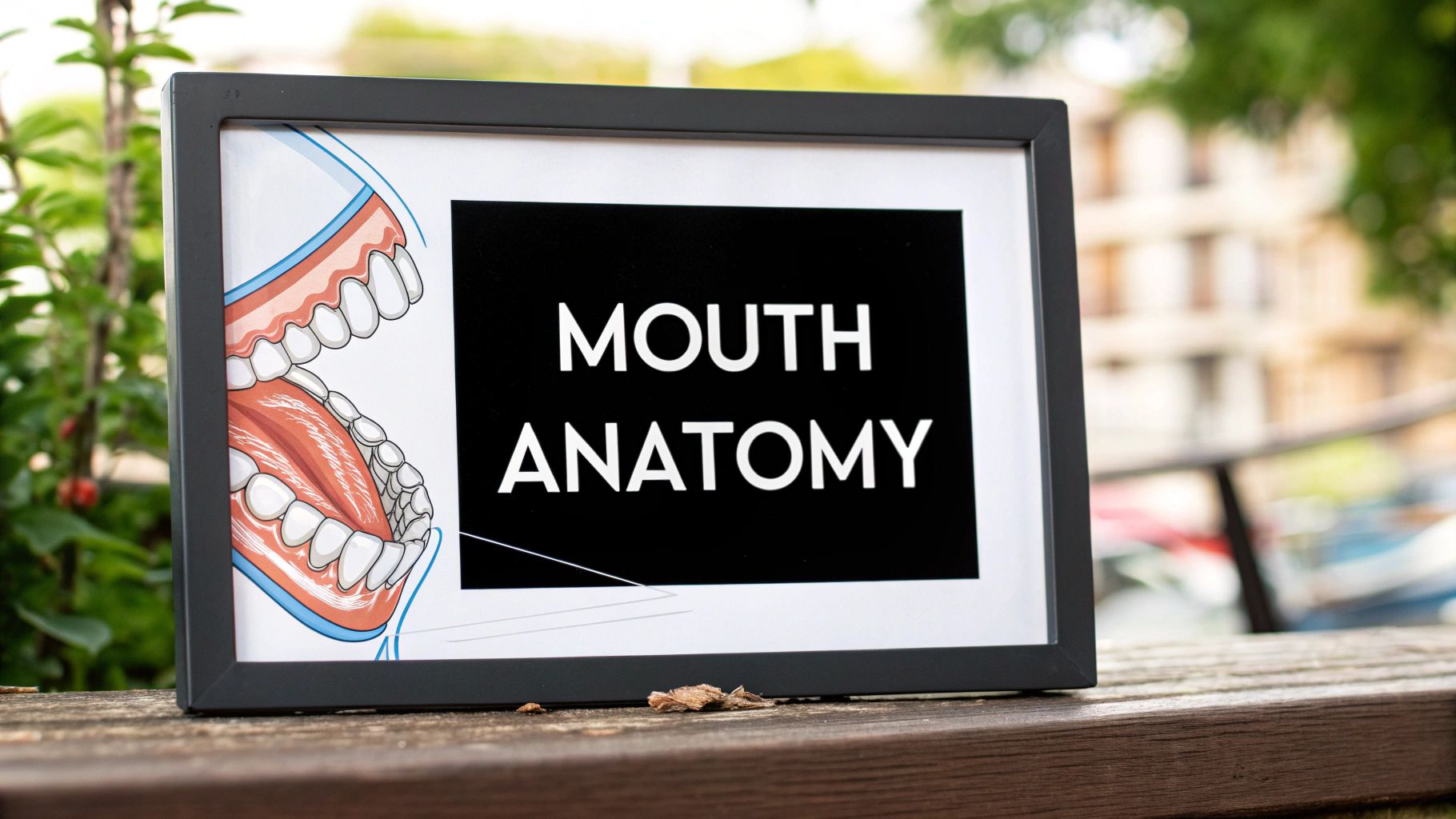
Getting to the root of orofacial myofunctional disorders (OMDs) takes careful detective work. Think of it like putting together a puzzle – you need to examine each piece carefully to see the full picture. A proper diagnosis looks at multiple factors to understand what's really going on.
Using Both Classic and New Tools for Diagnosis
The basics still matter – watching how someone holds their mouth at rest and swallows tells us a lot. But now we can pair those observations with high-tech tools like videofluoroscopy, which captures detailed video of swallowing in action. This combination gives us the best of both worlds – tried-and-true methods plus precise measurements.
Why Multiple Specialists Matter
OMDs don't just affect one part of your health – they can impact your speech, breathing, and even how your face develops. That's why you'll often work with several experts like speech therapists, dentists, orthodontists, and ENT doctors. Each brings their own expertise, like pieces of the treatment puzzle fitting together.
Getting the Full Picture
Smart practitioners know that one test isn't enough – they need to look at things from different angles. They might combine hands-on exams with X-rays that show how bones and soft tissues work together. They'll also dig into your health history and daily habits since these can offer important clues about what's going on.
Finding the Right Team and Getting Ready
Picking experts who really know OMDs is key to getting good care. Before your first appointment, gather your medical records and write down any symptoms you've noticed. Make a list of questions too – the more prepared you are, the more you'll get out of each visit. Taking these steps helps you play an active role in solving your OMD puzzle and finding the right solutions. When you understand how doctors figure out what's wrong, you can work better with them to get the help you need.
Evidence-Based Treatment Strategies That Work
Getting real results when treating orofacial myofunctional disorders (OMDs) requires science-backed methods adapted for each person. Every patient needs their own approach since everyone experiences these issues differently.
Myofunctional Therapy: The Cornerstone of Treatment
At its core, myofunctional therapy helps retrain facial and mouth muscles. Think of it as physical therapy for your mouth – your tongue, lips and cheeks learn new patterns. Through specific exercises, you'll discover how to swallow properly, breathe through your nose, and keep your tongue where it should be.
Combining Traditional and Innovative Approaches
Many experts mix classic therapy with newer methods. One cool example is biofeedback – using sensors to show you exactly how your muscles are working in real-time. When you can see and feel what your muscles are doing, it's much easier to fix incorrect movements.
Addressing Underlying Issues
Sometimes OMDs pop up because of other health problems like tongue-tie, where the tissue under your tongue is too short. In these cases, fixing the root cause comes first – maybe through a frenectomy (a quick procedure to free up the tongue) before moving on to other treatments.
Personalized Treatment Plans for Optimal Results
Since OMDs show up differently in everyone, cookie-cutter solutions don't work. A good therapist will check everything – from how you swallow to whether you breathe through your mouth. This careful look helps create exercises and activities that work specifically for you. You might be interested in: How to master…
Factors Influencing Treatment Success
Getting better depends on a few key things. First, you need to really want to improve and practice your exercises regularly. Starting treatment early often leads to better outcomes. Plus, when different specialists work together – like your dentist, orthodontist, and speech therapist – you're more likely to see good results.
Measuring Progress and Long-Term Management
Keeping track of changes helps everyone stay motivated. You might notice improvements in how you swallow, breathe, or speak more clearly. To make sure these positive changes stick around, you'll need regular check-ups and ongoing practice of what you've learned. This helps turn temporary improvements into lasting changes.
Breaking Down the Impact on Health and Lifestyle
When it comes to orofacial myofunctional disorders (OMDs), the effects reach far beyond just mouth-related issues. These conditions can touch nearly every aspect of daily life, from how we eat and speak to how we feel about ourselves.
The Physical Consequences of OMDs
People with OMDs often deal with several health challenges. Mouth breathing, one of the main symptoms, can wreck your sleep and leave you tired during the day. Your mouth gets dry when you breathe this way, making you more likely to get cavities and gum problems. The way your tongue sits in your mouth matters too – when it's not in the right spot, it can change how your face grows and develops. Many folks also struggle with eating properly, which can mess with their digestion and nutrition.
The Psychological and Social Impact
Living with an OMD isn't just about physical discomfort – it can really affect how you feel mentally. Kids and teens who have trouble speaking clearly because of OMDs often feel anxious in social situations and might shy away from making friends or speaking up in class. Adults face their own challenges too, especially when it comes to work meetings or social gatherings.
The Importance of Early Intervention
Catching and treating OMDs early can make a huge difference. When kids get help early on, they're less likely to develop serious problems with their speech, teeth, and facial growth. Getting treatment sooner rather than later can also help prevent self-esteem issues and social anxiety from taking root. Read also: Explore related categories.
Managing Social Situations and Maintaining Quality of Life
There are ways to handle the daily challenges of living with an OMD while getting treatment. Support groups can be a great place to meet others who get what you're going through. Being open with your friends and family about your condition helps them understand and support you better. Practicing positive self-talk and learning to relax can help you stay mentally strong during treatment. With the right support and attitude, you can still live a full, happy life while managing an OMD.
Practical Prevention and Management Solutions

Every parent wants their child to grow up healthy. When it comes to orofacial myofunctional disorders (OMDs), catching and addressing issues early makes a huge difference. Let's look at real, hands-on ways to prevent and manage these conditions.
Preventing OMDs: Early Intervention is Key
The best time to address OMDs is during childhood. Teaching kids to breathe through their nose from an early age helps facial muscles and jaw development. Parents should also watch out for habits like extended pacifier use or thumb sucking, which can create problems if they continue too long.
Key prevention steps include:
- Start with breastfeeding when possible – it helps develop proper muscle coordination
- Guide proper tongue placement – teach kids to rest their tongue on the roof of their mouth
- Take care of allergies – treating stuffy noses helps prevent mouth breathing
Managing Existing OMDs: A Multifaceted Approach
If you or your child already has an OMD, don't worry – there are proven ways to help. Think of myofunctional therapy like physical therapy for your mouth. Simple daily exercises can retrain muscles to work better. For example, you might practice placing your tongue correctly while swallowing or work on keeping your lips closed.
Creating a Sustainable Management Plan
Success with OMD treatment comes from making small changes part of your daily life. Just like brushing your teeth, exercises need to become a regular habit. Regular check-ups with your therapist help track progress and adjust your plan as needed.
Try these daily habits:
- Do your exercises at the same time each day
- Eat foods that support oral health
- Build a network of family and friends who understand and support your goals
Targeted Strategies for Different Age Groups
Kids, teens, and adults each need different approaches to treating OMDs. Young children might focus on fun exercises that feel like games. Adults often need more structured programs to change long-standing habits. The key is finding what works for you or your child's specific situation.
Want personalized help with OMD exercises? Myohab offers customized therapy programs for issues like TMJ pain, sleep problems, and tongue ties. Their exercises can help both kids and adults improve their oral function and breathing.

