
Understanding the Impact of Orofacial Myofunctional Disorder

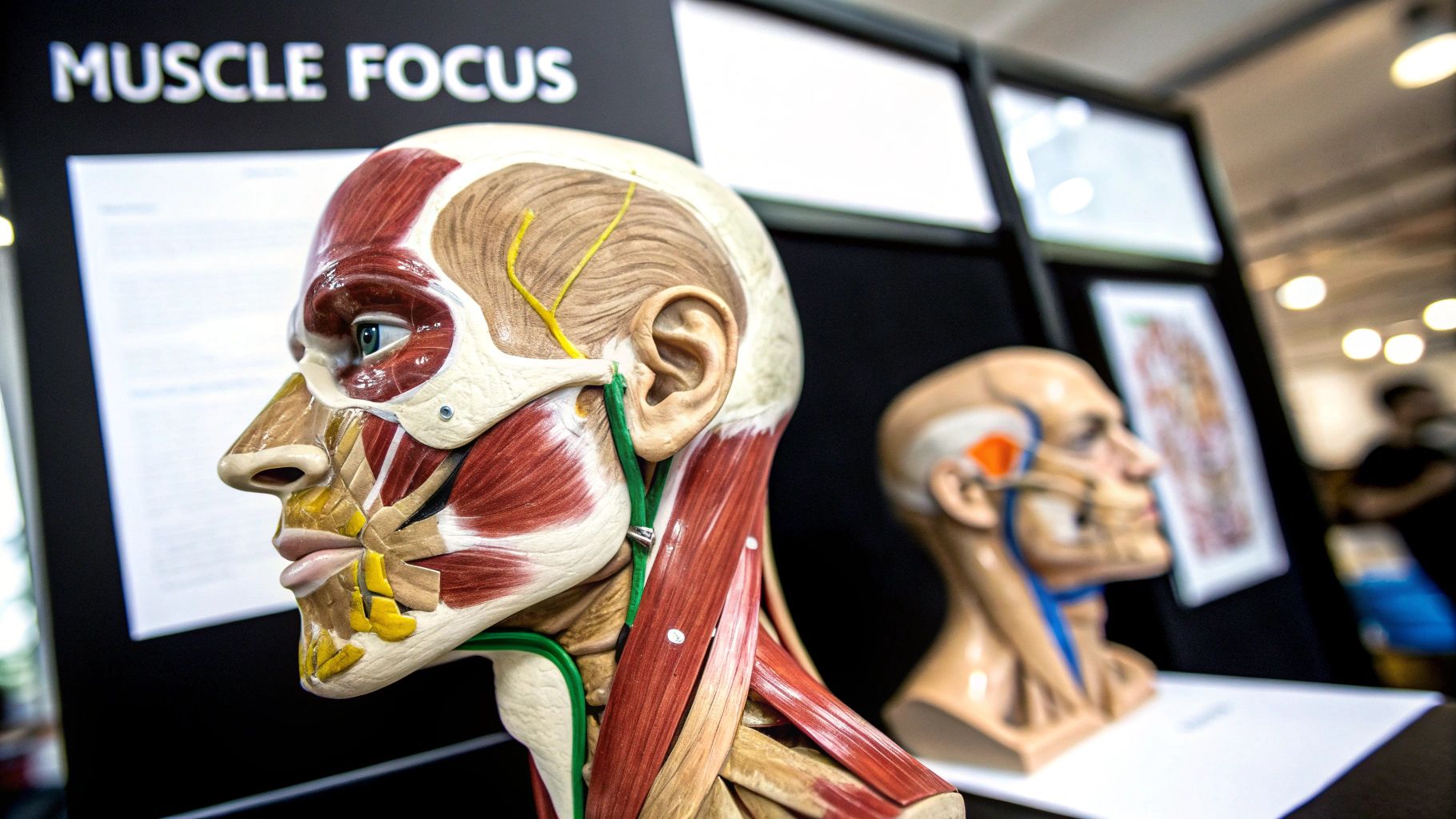
Orofacial myofunctional disorder (OMD) affects essential daily functions like breathing, eating, and speaking. When the muscles in your face and mouth don't work properly, it creates real challenges in performing these basic activities. The effects can range from mild to severe, impacting quality of life in various ways.
The Impact on Breathing
Many people with OMD breathe through their mouth instead of their nose. This mouth breathing habit disrupts sleep patterns and leads to tiredness during the day. It also increases the risk of dry mouth and related dental problems. Your nose naturally filters and conditions the air you breathe – something mouth breathing can't replicate. That's why fixing breathing problems is a major focus of OMD treatment.
The Impact on Eating and Swallowing
Poor tongue position and weak oral muscles make eating difficult for people with OMD. Common issues include:
- Trouble handling different food textures
- Taking much longer to finish meals
- Problems with digestion
For kids, these challenges can affect their growth and nutrition. Adults often find that eating difficulties impact their social life and overall wellbeing.
The Impact on Speech
Clear speech requires precise control of facial and mouth muscles. When OMD disrupts this control, it leads to various speech sound errors. People may develop lisps or have trouble pronouncing certain consonants clearly. These speech difficulties can cause anxiety in social situations and affect confidence. Speech therapy is typically a key part of treating OMD.
The Prevalence of OMD
Research shows that OMD affects a significant portion of people. Studies indicate that about 38% of the general population may have some form of OMD. A recent study of U.S. college students found that 31% showed signs of an orofacial myofunctional disorder. Learn more about OMD prevalence data. These numbers highlight why early detection and treatment are so important – addressing OMD early can prevent bigger problems later on. If you notice these symptoms in yourself or your child, consulting a healthcare provider is recommended.
Recognizing Critical Signs and Symptoms
A proper understanding of orofacial myofunctional disorder (OMD) symptoms is essential for early detection and treatment. The signs can be quite different between children and adults, making it important to know what to look for at different life stages.
Common Symptoms in Children
Children with OMD often show signs through specific behaviors like thumb sucking, extended pacifier use, and mouth breathing. Parents may notice their child has trouble pronouncing certain sounds or develops a lisp. Some children struggle with basic actions like chewing food or swallowing properly. These issues can make social interactions challenging and impact their confidence.
Symptoms in Adults
Adult OMD symptoms include temporomandibular joint (TMJ) disorders, sleep-disordered breathing, and chronic headaches. Many adults find it hard to swallow dry foods and may clear their throat frequently. Poor tongue positioning can lead to dental problems and gradually change facial features.
Identifying Subtle Signs and Symptom Progression
Some less obvious signs include lips that don't close naturally at rest, forward head position, and difficulty keeping lips sealed. You might be interested in: How to master… for more details. The progression of symptoms is important to monitor – what begins as simple childhood habits like thumb sucking could develop into more serious issues like sleep apnea later in life.
When to Seek Professional Evaluation
If you notice multiple symptoms described above, it's time to consult a qualified myofunctional therapist. Early assessment is particularly vital for children to prevent future complications. Don't wait to get help if you see these signs in yourself or your child. A professional can properly assess the condition's severity and create a treatment plan that fits your specific needs. Quick action leads to better outcomes for oral health and overall wellness.
The Real Healthcare and Economic Landscape
Looking at the financial side of orofacial myofunctional disorder (OMD) helps both patients and medical providers make informed decisions. The costs go beyond just immediate treatment – untreated OMD can lead to expensive problems down the road. Let's break down what this means for your wallet and health.
Treatment Costs and Insurance Coverage
Getting OMD treatment can cost different amounts based on how serious your condition is, what kind of therapy you need, and how long you'll need treatment. Insurance coverage isn't always straightforward either. While some plans help pay for diagnosis and treatment, especially when OMD links to conditions like sleep apnea, coverage varies a lot between companies. It's worth taking time to read your policy details and speak up about getting the treatments you need covered.
Long-Term Economic Implications
When OMD goes untreated, the costs can really add up over time. For instance, chronic mouth breathing often leads to dental problems that require expensive fixes. Sleep-disordered breathing tied to OMD can also increase your risk of heart disease and other health issues – meaning even more medical bills. Getting treatment early typically saves money in the long run by preventing these bigger health problems.
The Burden of Persistent Orofacial Pain
Research shows that ongoing facial pain from OMDs hits both health and wallets hard. A study in the UK found that doctor visits make up a big chunk of costs for people with persistent orofacial pain (POFP). The study also showed that as pain levels went up (measured by the GCPS scale), medical costs jumped too. This shows why good treatment plans matter – they can help reduce both pain and expenses. Learn more at Persistent Orofacial Pain Research.
Managing Treatment Costs and Ensuring Quality Care
Dealing with OMD treatment costs can feel overwhelming, but there are ways to make it work. Look into payment plans with your therapist, check out financial aid programs, and keep detailed records for insurance claims. You might also find helpful resources at Myohab's Resources. Taking charge of understanding your costs and available help can make treatment much more affordable.
Advanced Diagnostic Approaches and Assessment Tools
Diagnosing an orofacial myofunctional disorder (OMD) requires a thorough assessment process using multiple tools and techniques. Proper diagnosis combines physical examinations, specialized tests, and input from various medical professionals to build a complete understanding of each person's condition.
Initial Screening and Clinical Evaluation
The first step involves gathering a detailed medical history focusing on breathing patterns, speech development, and swallowing abilities. Medical professionals carefully examine facial features, jaw position, and oral posture. They note important signs like how the lips rest naturally, any unusual tongue movements, and overall facial symmetry. This baseline evaluation helps identify potential OMD indicators that need further investigation.
Specialized Assessment Tools and Techniques
After initial screening, medical teams use advanced tools to confirm an OMD diagnosis. Videofluoroscopic swallow studies show how food and liquids move from the mouth to the stomach, helping identify any swallowing problems. Nasal endoscopy provides clear images of nasal passages and throat areas to check breathing pathways and spot potential blockages that might cause mouth breathing. These tools give doctors essential information about how OMD affects basic functions.
The Role of Multidisciplinary Collaboration
Diagnosing OMD typically requires teamwork between different medical specialists. Speech-language pathologists assess speaking ability, mouth muscle control, and swallowing function. Dentists check teeth alignment and jaw position. Other team members may include orthodontists, ear-nose-throat doctors, and sleep specialists, depending on specific symptoms. This team approach ensures thorough evaluation of all aspects of the condition.
Understanding Diagnostic Criteria
OMD diagnosis looks at multiple factors including face structure, mouth position, swallowing patterns, breathing habits, and speech. Doctors observe both resting and active states of face and mouth muscles. Key signs include deviant swallow (tongue pushing forward while swallowing) and atypical rest posture (tongue sitting low or between teeth). This detailed evaluation helps distinguish OMD from similar conditions and creates the foundation for personalized treatment plans that address each person's specific needs.
Treatment Strategies and Clinical Management

Managing orofacial myofunctional disorder (OMD) requires a personalized approach based on each person's needs. The treatment plan takes into account factors like age, severity of symptoms, and overall health status. Most people benefit from a combination of exercises, therapy sessions, and sometimes specialized equipment or procedures.
The Key Role of Myofunctional Therapy
Myofunctional therapy is essential for treating OMD effectively. This therapy helps patients retrain their facial and mouth muscles through specific exercises. Patients practice these movements at home with guidance from their therapist to improve tongue position, lip closure, and swallowing patterns. The exercises focus on building muscle strength and developing better oral habits.
Additional Treatment Methods
Beyond exercise-based therapy, several other approaches can help address OMD. Custom-fitted oral appliances worn at night help align the jaw and support proper breathing. Many patients, especially children with speech challenges, also work with speech therapists to fix pronunciation issues caused by OMD. For more information about treatment options, check out: How to master…
When Surgery Might Help
Most people with OMD don't need surgery, but some cases call for it. For example, patients with severe ankyloglossia (tongue-tie) might benefit from a frenectomy to free up tongue movement. Doctors typically suggest surgery only after trying other treatments first.
Tracking Success and Ongoing Care
Regular check-ups help monitor progress in OMD treatment. Therapists assess changes in oral habits and improvements in speech and swallowing during these visits. While progress timing varies for each person, staying consistent with exercises makes a big difference. Many patients continue practicing their exercises and seeing their therapist periodically to maintain their progress and prevent symptoms from returning.
Mastering Daily Life With OMD

Living with orofacial myofunctional disorder (OMD) isn't always easy, but small changes in your daily routine can make a big difference. By focusing on practical techniques and building good habits, you can better manage OMD's effects on your daily activities. Let's look at some real-world strategies that work.
Dietary Adaptations and Mealtime Strategies
Eating with OMD requires some smart adjustments. Try cutting food into smaller pieces or choosing softer options that are easier to chew and swallow. Take your time during meals – smaller bites and mindful eating help prevent issues with swallowing. These simple changes can help you eat more comfortably while getting the nutrition you need.
Social Situations and Communication Tips
Speech challenges from OMD can make social situations tricky. The good news? Simple techniques can boost your confidence when talking with others. Regular practice with speech exercises helps improve clarity. Finding understanding friends and family members who support you makes a huge difference too. Remember – clear communication comes with practice.
Home Exercises and Lifestyle Modifications
Think of your daily exercises like brushing your teeth – they're essential maintenance for your oral muscles. Your myofunctional therapist will show you specific movements to strengthen your tongue placement, lip closure, and swallowing. Good posture helps too, while avoiding habits like excessive gum chewing protects your progress. Small, consistent efforts add up to big improvements.
Building a Supportive Routine and Maintaining Progress
Success with OMD means creating habits that stick. Set aside regular time for your exercises, keep up with therapy appointments, and practice proper oral habits throughout your day. Just like athletes train consistently to stay fit, managing OMD takes ongoing dedication. When these practices become part of your daily life, you'll see lasting positive changes.
Ready to take control of your oral health? Myohab offers personalized exercises and expert guidance for TMJ issues, sleep apnea, snoring, tongue ties, and breathing problems. Our proven approach helps you build better oral habits that last.

