
Breaking Down Oral Myofunctional Therapy Basics
When it comes to oral health, treating symptoms alone isn't enough. That's where oral myofunctional therapy (OMT) comes in – it gets to the root of oral dysfunction by addressing habits like tongue thrusting and mouth breathing. Poor tongue position doesn't just affect your bite – it can impact your breathing during sleep too. By working on these foundational issues, OMT helps restore proper function throughout the mouth and face. Want to learn more? Check out our detailed guide on myofunctional therapy basics and more.
Understanding the Core Principles of OMT
Think of the muscles in your face and mouth like any other muscles – they need proper training to work well. These muscles handle essential tasks like speaking, eating, swallowing, and breathing. Just as a physical therapist helps you recover from injury, an OMT specialist guides you through exercises to retrain these facial muscles. Bad habits like thumb sucking or nail biting can throw off normal mouth development if not addressed early. Even these small habits put ongoing pressure on growing facial structures that can cause lasting problems.
Key Components of Oral Myofunctional Therapy
The main parts of oral myofunctional therapy include:
- Assessment and Diagnosis: A full evaluation to find specific muscle imbalances, problem habits, and underlying causes
- Personalized Exercise Programs: Custom exercises that target weak areas to build strength, coordination and flexibility
- Habit Modification: Methods to break problematic patterns and establish good habits like nose breathing and proper tongue position
- Patient Education: Teaching patients and families about what's causing their issues and why consistent practice matters for best results
How Oral Myofunctional Therapy Works
OMT uses different exercises to reach its goals – like holding your tongue against the roof of your mouth or practicing specific movements to strengthen swallowing muscles. The exact exercises and treatment length change based on what each person needs. For example, someone might start with basic tongue exercises before moving to more complex movements. Like learning an instrument, regular practice helps train your muscles and create new, healthy patterns that stick. The key is staying consistent with the exercises your therapist assigns.
Mapping the Patient Journey to Success
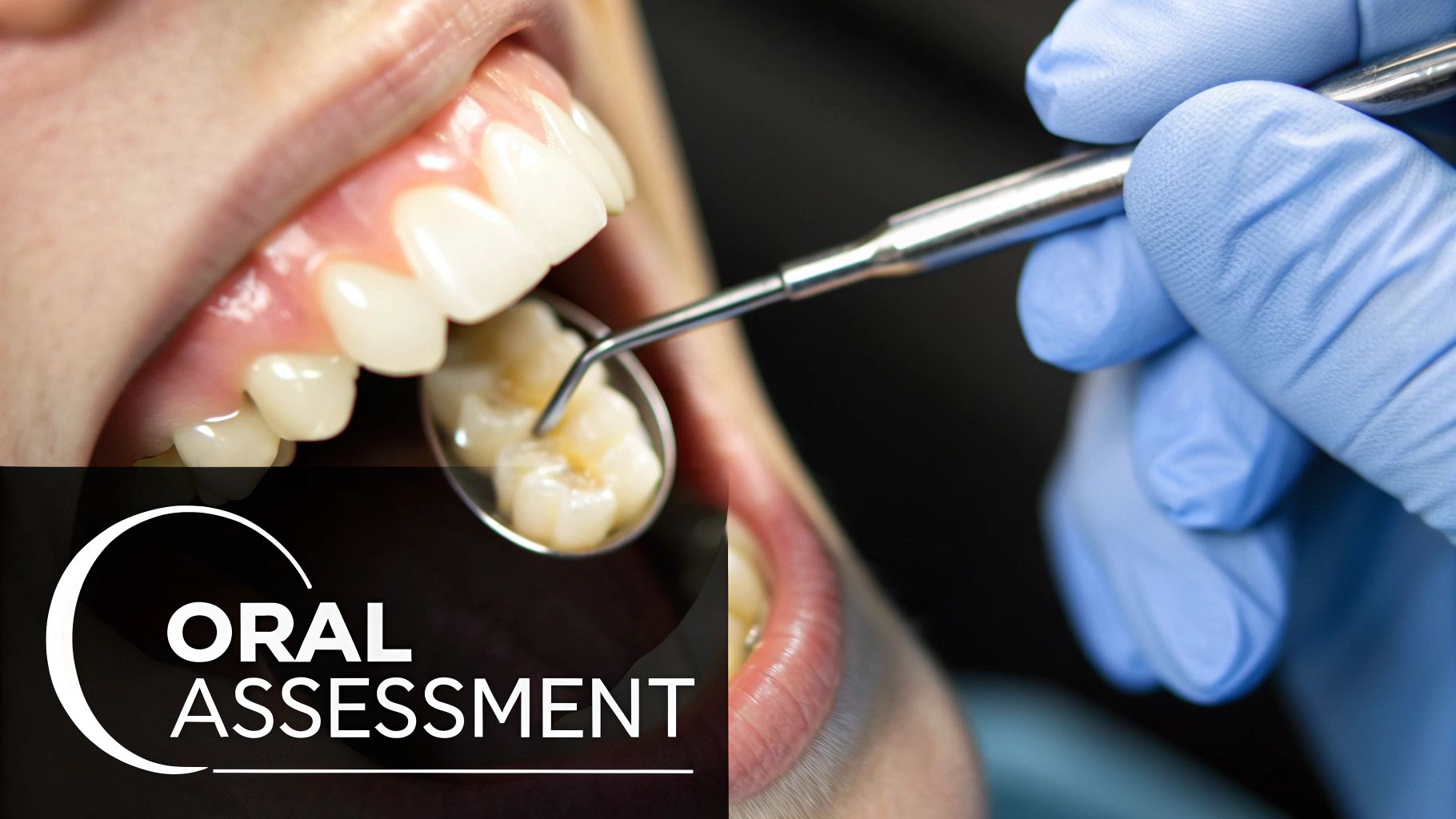
Success in oral myofunctional therapy (OMT) requires more than just doing exercises. While consistent practice is essential, the patient's journey involves careful assessment, personalized planning, and progress tracking at every step. Understanding these key stages helps both practitioners and patients work together effectively toward lasting improvement.
Assessment and Goal Setting: The First Steps
Every OMT journey begins with a thorough evaluation of how the patient's mouth and facial muscles work. The practitioner carefully observes things like muscle strength, movement range, and problematic habits – for instance, watching how someone swallows or where their tongue rests when relaxed. This detailed look helps identify exactly what needs work. From there, patient and practitioner set clear, achievable goals together. These goals act as guideposts throughout therapy, giving patients something concrete to work toward and celebrate along the way.
Personalized Treatment Plans: Tailoring the Approach
With assessment complete, it's time to create an individualized treatment plan. Since every patient faces unique challenges, their therapy plan needs to match their specific situation. Some may need exercises for particular muscle groups, while others benefit more from strategies to change long-standing habits. The plan also includes education about what's causing their difficulties. This custom approach ensures therapy targets each person's actual needs rather than following a generic program.
Progress Tracking and Adjustments: Staying on Course
Regular check-ins are crucial for staying on track with OMT. Think of it like learning a musical instrument – you need ongoing feedback to improve. During these check-ins, the therapist watches how exercises are being performed, offers tips for better technique, and helps work through any roadblocks. If something isn't working well, they can adjust the plan. This back-and-forth process helps ensure patients get the most benefit from their therapy time.
Maintaining Motivation and Long-Term Success: Beyond the Finish Line
Keeping patients motivated makes a huge difference in OMT results. Just like picking up any new skill, therapy takes dedication and regular practice. Therapists help by celebrating small wins, pointing out improvements patients might miss, and explaining how the changes benefit daily life. This encouragement especially matters when things get tough. But the work doesn't stop when formal therapy ends – patients need tools and strategies to maintain their progress and prevent old habits from creeping back. With the right support and knowledge, they can enjoy lasting benefits from their OMT journey.
Building Your Professional Treatment Arsenal
As a myofunctional therapist, having the right combination of exercises and techniques is essential for helping patients achieve their goals. Just like a carpenter carefully selects specific tools for each project, you'll need a well-rounded collection of therapeutic approaches to address various orofacial issues effectively.
Core Exercises in Oral Myofunctional Therapy
The foundation of any successful oral myofunctional therapy (OMT) program consists of several key exercises that target muscle strength, coordination, and mobility. These exercises focus on essential functions like proper tongue placement, swallowing patterns, and breathing habits. When practiced consistently, even simple movements can lead to significant improvements in oral function. Here are some proven exercises that form the basis of most treatment plans:
- Tongue Push-Ups: Simple but effective movements where patients press their tongue against the palate to build tongue muscle strength
- Lip Closure Exercises: Focused activities to improve lip seal and promote nasal breathing
- Button Pulls: A practical exercise using a button between the lips to strengthen facial muscles
- Swallowing Exercises: Targeted movements like the Mendelsohn maneuver to improve swallowing coordination
Integrating Innovative Techniques
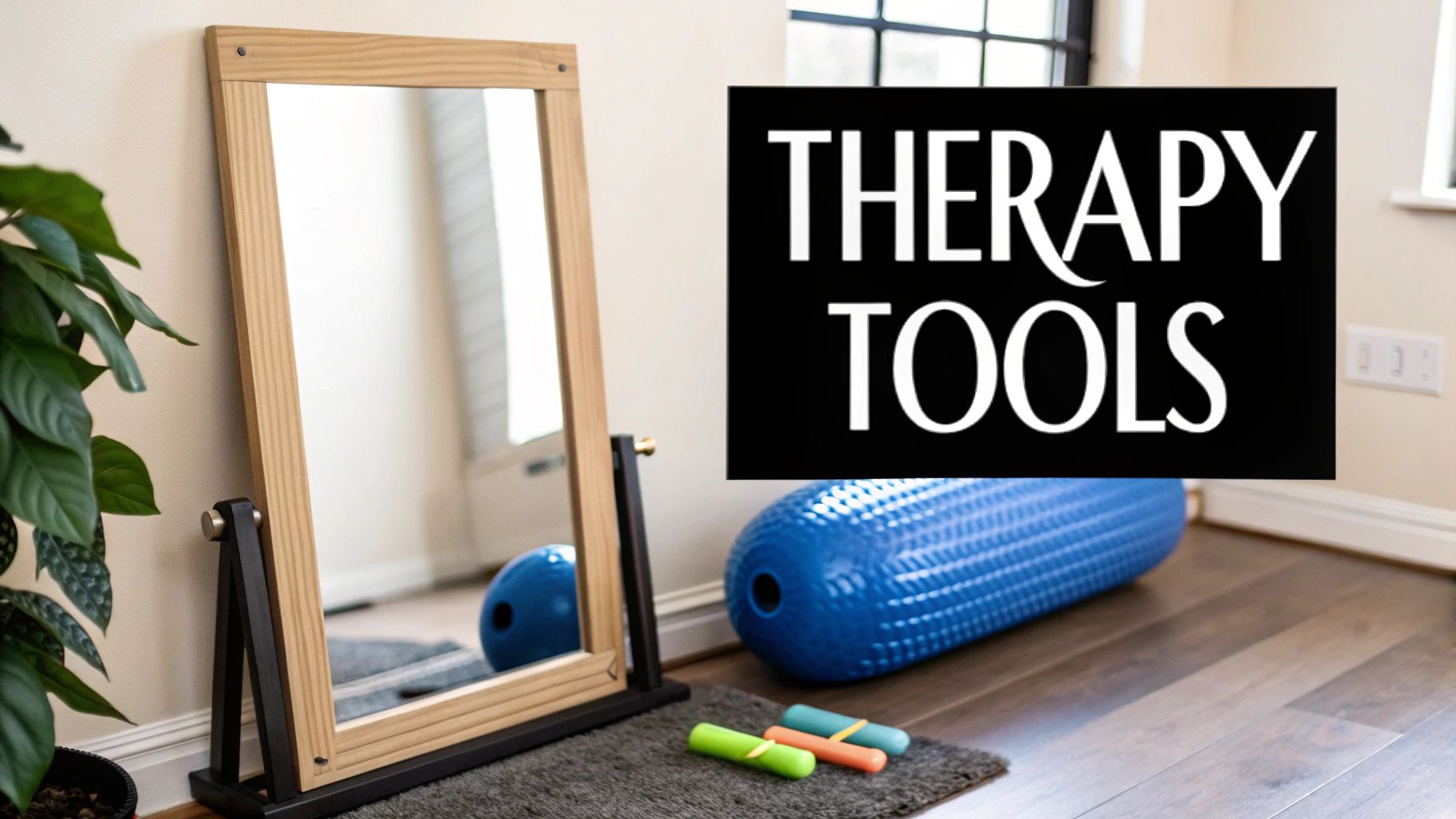
While core exercises are essential, adding specialized tools can make therapy more engaging and effective. Many therapists use devices like the MyoMunchee, which helps stimulate oral muscles and support proper jaw development, especially in children. Simple tools like specially designed straws can also encourage correct tongue position and nasal breathing patterns. These additions help keep patients motivated while working toward their goals. Learn more about specific exercise techniques in our guide on how to master specific exercises for different needs.
Adapting Exercises for Different Patient Needs
Every patient comes with unique challenges and requirements. A child working to overcome thumb-sucking needs different exercises than an adult managing sleep apnea symptoms. Success depends on carefully considering factors like age, existing conditions, and the specific nature of their myofunctional issues. This personal approach ensures that each patient receives exercises that match their abilities and treatment goals.
Progression and Modification Strategies
Like any therapeutic program, OMT requires regular adjustments based on patient progress. This might mean increasing exercise repetitions, introducing more complex movements, or trying new tools. Sometimes patients may struggle with certain exercises – in these cases, offering simpler variations or alternative approaches helps maintain progress toward the same goals. Being flexible and responsive to patient needs is key to achieving lasting improvements in oral function.
Mastering Multi-Disciplinary Collaboration
Getting the best results from oral myofunctional therapy (OMT) isn't a solo endeavor – it takes a team. Just like a well-oiled machine needs all its parts working together, successful OMT relies on different healthcare professionals combining their expertise. Think of it like putting together a puzzle – each specialist brings a unique piece that helps complete the bigger picture of a patient's health. Let's explore why working together matters so much in OMT and how to build strong connections with other specialists.
The Importance of a Collaborative Approach
Picture OMT as one thread in a larger tapestry of patient care. What affects someone's breathing, jaw growth, or overall health rarely comes down to just one factor. Take a child with a tongue tie – they might need help from an OMT specialist working hand-in-hand with a lactation consultant and dentist. Or consider someone dealing with sleep apnea – they'll likely benefit from having a sleep doctor, ENT specialist, and OMT provider all on the same page. Working together this way means nothing falls through the cracks, and patients get care that considers their whole health picture, not just isolated symptoms.
Key Collaborators in Oral Myofunctional Therapy
Think of these healthcare professionals as key players on your treatment team:
- Dentists and Orthodontists: These experts know teeth and jaw alignment inside and out. They spot and fix bite issues that often go hand-in-hand with muscle problems in the face and mouth. By working with OMTs, they help make sure everything lines up just right.
- Speech-Language Pathologists: These specialists are like close cousins to OMTs. They focus on how we talk and swallow, which ties right into the muscle work OMTs do. When they team up, patients get the best of both worlds.
- ENT Specialists (Otolaryngologists): These doctors are the airway experts. They check for and treat any physical blocks that might be causing breathing troubles. Their medical know-how helps target the root causes of facial muscle issues.
- Sleep Physicians: For folks struggling with sleep breathing problems, these doctors are essential team members. They figure out what's going wrong during sleep and work alongside OMTs to tackle both the symptoms and their causes.
- Lactation Consultants: When babies have tongue ties, these specialists are invaluable. They help moms and babies with feeding while the OMT works on the underlying tongue restriction.
Building and Maintaining Productive Relationships
Good teamwork comes down to talking clearly and respecting each other's expertise. It's like a dance – everyone needs to know their steps and stay in sync. For instance, an OMT might check in regularly with an orthodontist about when to start certain exercises around braces adjustments. When everyone shares the same goals and commits to working together, patients win. Clear communication keeps everyone on track and helps catch any issues early. This team approach leads to better results than any one specialist could achieve alone.
Using Technology to Transform OMT
The field of oral myofunctional therapy (OMT) continues to evolve with new technology. Today's digital tools and platforms give therapists more ways to assess, treat, and engage patients while making care more accessible. Let's explore how technology is shaping modern OMT practice and improving patient results.
Advanced Digital Assessment and Treatment Tools
New digital capabilities are changing how therapists evaluate and treat oral myofunctional disorders. For instance, specialized software now provides detailed 3D imaging of the oral cavity, giving therapists unprecedented views of a patient's anatomy and function. This enhanced visualization leads to more accurate diagnoses and targeted treatment plans.
Patient engagement has also improved through specialized apps and programs. These tools guide users through prescribed exercises while monitoring their progress. Many provide instant feedback to help patients perform movements correctly. The combination of precise assessment tools and interactive treatment platforms helps both therapists and patients work more effectively toward their goals.
Expanding Care Through Telehealth Services
Zoom and other video platforms now allow therapists to deliver OMT services remotely, breaking down geographic barriers to care. This is especially valuable for patients in rural areas or those with limited mobility who struggle to attend in-person sessions.
To maintain high-quality remote care, therapists use secure video conferencing for face-to-face interaction and protected file sharing for treatment documents. While virtual sessions require some adaptation, they allow more patients to access specialized OMT care while ensuring effective communication and guidance.
New Technologies Shaping the Future
Exciting developments are expanding what's possible in OMT. New biofeedback devices let patients see real-time data about their muscle activity during exercises. This immediate feedback helps them better understand and control the targeted movements.
Virtual reality and augmented reality technologies are also showing promise, particularly for younger patients. Imagine children practicing tongue exercises in an engaging VR game environment. Learn more about targeted exercise approaches in our article about how to master specific exercises for different needs. These tools point toward increasingly personalized and engaging treatment options.
Selecting Technology for Your Practice
Choosing the right technology requires evaluating several key factors: your budget, patient population, and practice size. While some clinics benefit from advanced imaging systems, others may find simple exercise tracking apps more practical. The technology should integrate smoothly with your existing systems and workflows.
Consider both functionality and ease of use for staff and patients. Data security and privacy protections are also essential. Taking time to assess options carefully helps ensure that new technology truly enhances patient care and practice efficiency rather than adding unnecessary complexity. The goal is finding tools that support better outcomes while maintaining sustainable operations.
Measuring and Maximizing Treatment Success

Tracking progress is key to getting real results from oral myofunctional therapy (OMT). Like a coach who adjusts training based on an athlete's performance, OMT practitioners need to closely monitor their patients' improvements and fine-tune treatment plans accordingly. This personalized approach helps ensure that patients achieve their goals and maintain positive changes over time.
Identifying Key Performance Indicators
Success in OMT looks different for each person, so it's essential to pinpoint specific signs of improvement that match their unique needs. For example, a young child working to stop thumb sucking will need different progress markers than someone addressing sleep issues.
Here are the main areas where we look for positive changes:
- Improved Resting Tongue Posture: The tongue stays comfortably against the roof of the mouth instead of sitting low
- Nasal Breathing: Breathing through the nose becomes natural, both day and night
- Correct Swallowing Pattern: No more tongue thrust when swallowing – just smooth, proper technique
- Reduced or Eliminated Habits: Breaking free from habits like thumb sucking, nail biting, or lip licking
- Improved Sleep Quality: Better rest and fewer breathing disruptions during sleep
- Enhanced Speech Articulation: Clearer speech and better pronunciation
Practical Approaches to Measurement
Getting a clear picture of progress means looking at both hard numbers and real-life improvements. We might use special tools to measure how well someone breathes through their nose or record videos showing better swallowing patterns. Just as important are the changes patients notice themselves – like sleeping better or feeling more energized during the day.
Keeping good records is crucial. This includes detailed notes from each session, standard assessment forms, and before-and-after photos or videos. Think of it like taking progress photos at the gym – these records help both therapist and patient see how far they've come and spot areas that need more work.
Strategies for Maintaining Long-Term Success
Making lasting changes through OMT is similar to learning a sport – it takes practice and commitment beyond just showing up for training. Therapists help by teaching patients how to keep up their progress on their own and avoid sliding back into old habits.
This often means creating simple home exercise routines, scheduling check-ins to stay on track, and helping patients monitor their own progress. Getting family members involved can make a big difference too – their support and encouragement help reinforce good habits. When patients understand their treatment and have the right tools to maintain it, they're much more likely to see lasting benefits for their oral health and overall well-being.
Ready to experience the benefits of oral myofunctional therapy? Discover how myohab can help you achieve optimal oral health and improve your overall well-being. Visit us at https://myohab.com/ to learn more and schedule a consultation.

