
Understanding the Role of Natural Solutions

Many people wonder about using natural remedies to help manage sleep apnea. While these approaches can play a helpful supporting role, it's important to understand both their benefits and limitations. Let's explore which natural methods show real promise, backed by research and patient experiences, and how they fit into an overall treatment strategy.
Separating Fact From Fiction: The Truth About Natural Remedies
Here's the reality – natural remedies typically work best as part of a complete treatment plan rather than standalone solutions. Think of it like managing high blood pressure – lifestyle changes matter a lot, but they often need to work alongside medical treatments for the best results. The same goes for sleep apnea – natural approaches can boost the effectiveness of treatments like CPAP therapy, but rarely replace them entirely.
Take weight loss as an example. Research shows that when overweight individuals lose just 10% of their body weight, their sleep apnea symptoms can improve by half. While this is excellent news, most people still need other treatments to fully manage their condition. The key is viewing natural methods as valuable tools that work together with medical care, rather than complete solutions on their own.
Practical Natural Approaches and Their Benefits
Several natural methods can help improve sleep quality and reduce sleep apnea symptoms when used as part of your treatment plan:
- Sleep Position Adjustments: Simply sleeping on your side instead of your back can help keep your airway more open during sleep. Special pillows and positioning devices can help you maintain the right position all night.
- Optimizing Your Sleep Environment: Your bedroom setup makes a big difference. Focus on good air circulation, comfortable temperature, and minimal noise and light. Using an air filter can help if allergies affect your breathing.
- Breathing Exercises: Regular practice of specific breathing techniques can strengthen your respiratory muscles. Deep breathing exercises, especially diaphragmatic breathing, can help train better breathing patterns for sleep.
While these approaches can definitely help you sleep better, it's important to keep realistic expectations. They work best when combined with your doctor's recommended medical treatments rather than trying to use them alone.
Building a Realistic and Effective Treatment Plan
Success comes from smart integration of natural methods with standard medical care. Keep open communication with your doctor about any natural remedies you'd like to try. They can help ensure these approaches are safe and won't interfere with your other treatments.
Keep track of how different natural methods affect your sleep. Note changes in how you feel during the day and any improvements in your symptoms. This information helps you and your doctor fine-tune your treatment plan over time. By combining proven medical treatments with carefully selected natural approaches, you can develop a plan that works specifically for your needs and helps you sleep better.
The Weight-Sleep Connection: Your Most Powerful Tool

The link between weight and sleep apnea is more significant than most people realize. When you carry extra pounds, especially around your neck and midsection, it directly impacts how well you breathe at night. For those seeking natural ways to improve their sleep apnea symptoms, managing weight should be at the top of the list – not just for better sleep, but for overall health too.
How Excess Weight Contributes to Sleep Apnea
Think of your airway like a flexible tube. When excess weight presses on it, particularly around your neck and throat, that tube gets squeezed and is more likely to collapse during sleep. Just like stepping on a garden hose disrupts water flow, extra fat tissue around your airway makes it harder for air to move freely when you're sleeping. Research backs this up – studies show that people carrying extra weight face a much higher chance of developing sleep apnea compared to those at a healthy weight.
Dietary Strategies for Sustainable Weight Loss
Quick fixes and fad diets rarely stick. Instead, focus on building healthy eating habits that last. Fill your plate with whole foods like fresh fruits, vegetables, lean proteins, and whole grains. These foods keep you feeling full longer and give your body the nutrients it needs. Skip the processed snacks and sugary drinks – they may taste good in the moment, but they won't help you reach your goals. Small, consistent changes to your eating habits add up to big results over time.
The Role of Exercise in Sleep Apnea Management
Moving your body does more than just burn calories – it strengthens the muscles that help you breathe better at night. You don't need an intense gym routine to see benefits. A simple 30-minute daily walk, some swimming, or basic strength training exercises can make a real difference in how well you sleep. The key is finding activities you enjoy and sticking with them. Regular movement improves your breathing, helps maintain a healthy weight, and boosts your overall health.
Tracking Your Progress and Staying Motivated
Keep tabs on your journey by tracking key measures like your weight, waist size, and how well you're sleeping each night. A simple sleep diary can help you spot patterns and improvements over time. Celebrate every victory, even small ones – maybe you walked an extra block today or chose a healthy snack instead of chips. Remember that lasting change happens gradually. For additional support, consider working with specialists like those at Myohab, who can teach you targeted exercises to strengthen the muscles around your mouth and face, potentially helping you breathe better at night.
Mastering Sleep Position and Environment
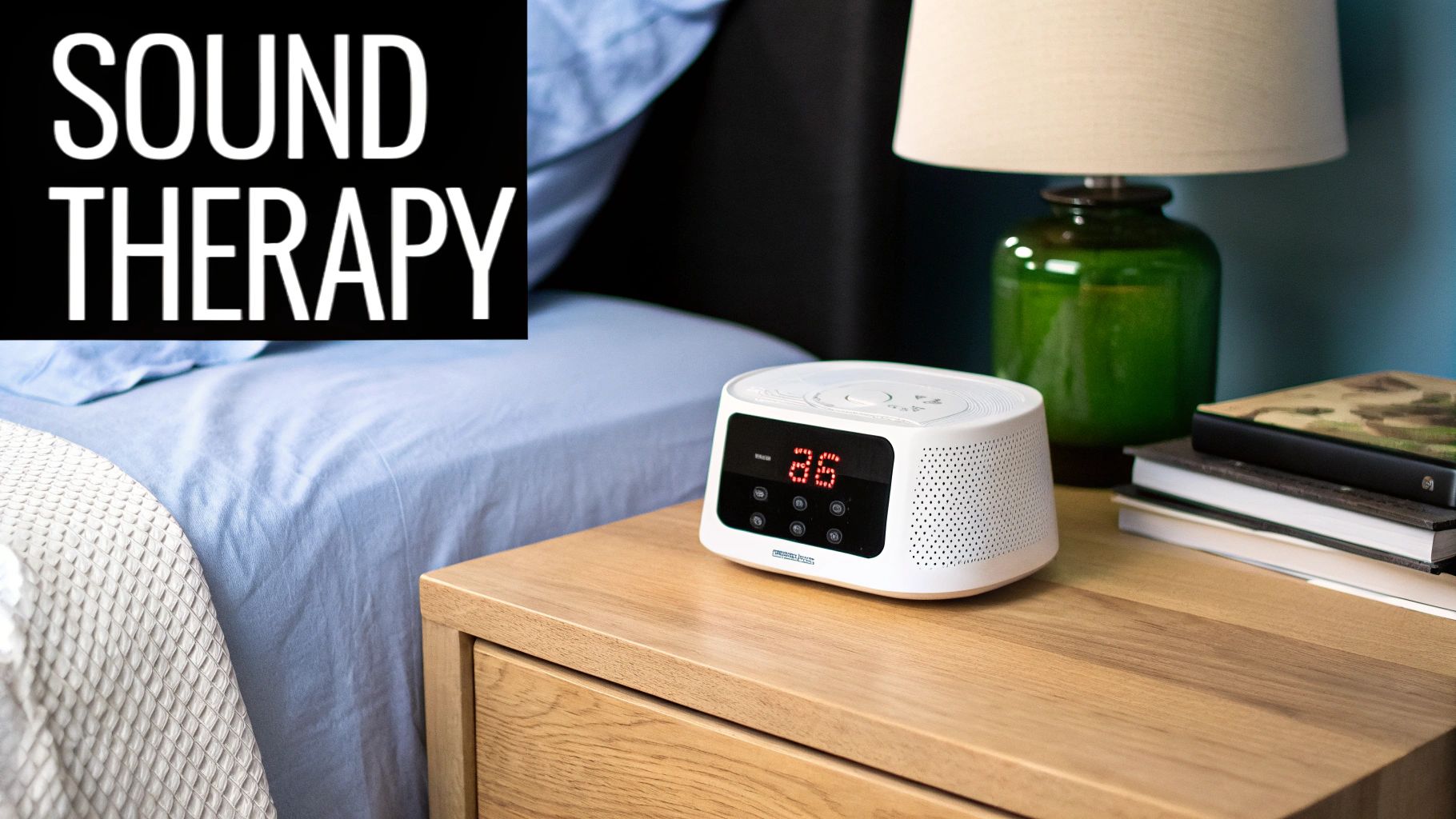
Your sleep position and bedroom environment can make a big difference in managing sleep apnea naturally. Small adjustments to how and where you sleep often lead to noticeable improvements in symptoms and overall rest quality.
The Power of Side Sleeping
The way you position yourself during sleep matters more than you might think. When sleeping on your back, gravity pulls your tongue and soft tissues backward, which can block your airway. Simply rolling onto your side helps keep your airway open and clear. Many people find their sleep apnea symptoms improve significantly just by making this one change to side sleeping.
Utilizing Positional Therapy Tools
Staying on your side all night isn't always easy – that's where positional therapy tools come in handy. Special pillows designed for side sleeping have built-in supports to prevent rolling onto your back. Some people benefit from wearable devices that vibrate gently when you end up on your back. These tools make it much easier to maintain a side sleeping position throughout the night.
Optimizing Your Sleep Sanctuary
Beyond sleep position, creating the right bedroom environment is essential. Think of your bedroom as a sleep sanctuary where everything supports restful sleep. Keep the room cool, dark, and quiet. Simple changes like using hypoallergenic bedding and cleaning regularly can reduce allergens that inflame airways and interfere with breathing.
Addressing Air Quality and Humidity
The air you breathe while sleeping matters too. Dry air often irritates nasal passages and throat tissues, making sleep apnea worse. A humidifier adds moisture to the air, helping you breathe more easily. If allergies affect your breathing, an air purifier can remove irritating particles from the air. These tools are especially helpful in dry climates or during allergy seasons.
Creating a Personalized Sleep Apnea Action Plan
Everyone's sleep apnea is different, so finding what works best for you takes some trial and error. Start by tracking your symptoms in a sleep diary as you test different positions, pillows, and environmental changes. Note what helps and what doesn't. While it may take time to find your ideal setup, the improvement in your sleep quality makes it worthwhile. For personalized guidance and exercises to strengthen breathing muscles, consider consulting specialists at Myohab.
Natural Supplements: What Actually Works
After exploring lifestyle changes, sleep habits, and positional therapy for managing sleep apnea, many people wonder about natural supplements. While herbal remedies and supplements seem like an appealing option, it's important to separate fact from fiction and understand what actually helps.
Understanding the Role of Supplements in Sleep Apnea
When it comes to sleep apnea, supplements can be tempting to try, especially for those seeking natural solutions. However, they typically work best as part of a broader treatment plan rather than a complete fix on their own. This makes sense when you consider that sleep apnea often stems from physical airway blockages – something a supplement alone can't resolve. For instance, while melatonin may help regulate your sleep schedule, it won't prevent your airway from becoming blocked during sleep. Think of supplements as potential supporting players rather than the star of the show in managing sleep apnea.
Exploring Potential Beneficial Supplements
While research is still catching up on many natural remedies, several supplements show promise in supporting better sleep quality. Melatonin stands out as one of the most studied options, helping to regulate natural sleep cycles. Some people also find relief with traditional herbs like Valerian root, known for its calming properties. Magnesium and chamomile are other common choices that may promote relaxation. However, before starting any supplement, check with your doctor – especially if you take other medications, since some combinations could cause problems.
Navigating the Supplement Landscape Safely
Since supplements aren't strictly regulated like medications, choosing quality products requires extra care. Look for brands that get their products tested by independent labs to verify what's actually in them. Start with small doses at first, even lower than what the label suggests, and pay attention to how your body responds. Keep track of any changes in your sleep – just as you would when trying new sleep positions or exercise routines. Remember that while some people benefit from certain supplements alongside their main treatment plan, they work differently for everyone. Stay in touch with your doctor about which supplements make sense for your specific situation and how to use them safely as part of your overall sleep apnea management strategy.
Breathing Exercises and Physical Techniques

Breathing exercises and physical techniques can help improve sleep apnea symptoms naturally by focusing on airway muscle strength and better breathing patterns. Just like working out helps build stronger muscles, these practices can lead to real improvements in sleep quality when done consistently.
Strengthening Your Airway Muscles
Think of your airway muscles like any other muscles in your body – they get stronger with regular exercise. For people with sleep apnea, having strong throat and tongue muscles means they're less likely to collapse during sleep and block your breathing. It's similar to how strong core muscles help support good posture. The more you work these muscles, the better they function.
Specific Breathing Exercises for Natural Sleep Apnea Remedies
Several breathing exercises have shown promise in managing sleep apnea symptoms. For instance, diaphragmatic breathing (belly breathing) teaches you to breathe more deeply and efficiently. When combined with exercises like pursed-lip breathing and singing, these techniques work together to build respiratory muscle strength and keep airways open.
-
Diaphragmatic Breathing: Put one hand on your chest and one on your belly. Take a deep breath through your nose so your stomach rises while your chest stays still. Slowly exhale through pursed lips as your stomach falls.
-
Pursed-Lip Breathing: Breathe in slowly through your nose. Then breathe out through lips pressed together like you're blowing out a candle, taking twice as long to exhale.
-
Singing: Regular singing practice strengthens throat muscles while making breath control exercises more fun and engaging.
Exploring Physical Techniques: Didgeridoo and Yoga
Beyond basic breathing exercises, some unique physical approaches can help with sleep apnea. Playing the didgeridoo, a traditional Australian Aboriginal instrument, has been shown to strengthen airway muscles through controlled breathing. Similarly, certain yoga poses and breathing practices can improve both breathing patterns and sleep quality by focusing on proper breath control and body alignment.
Integrating Exercises Into Your Routine and Managing Expectations
To get the most benefit from breathing exercises and physical techniques, consistency is essential. Try starting with 10-15 minutes of diaphragmatic breathing each morning or evening. While these natural approaches can definitely help, it's important to be realistic – they usually work best as part of a broader treatment plan guided by your doctor. Working with specialists at Myohab can help you learn the right exercises for your specific situation and get guidance on doing them correctly. Their expertise ensures you're practicing techniques that will actually help improve your breathing and sleep quality.
Building Your Comprehensive Treatment Strategy
Managing sleep apnea effectively requires using multiple approaches that work together. Just as a house needs a solid foundation, walls, and roof to stand strong, your sleep apnea treatment plan should combine different elements that support each other. Creating a complete plan means finding the right mix of natural remedies and medical treatments that work for your specific situation.
Combining Natural Approaches With Medical Treatments
While natural remedies can significantly improve sleep quality and reduce symptoms, they often work best alongside prescribed medical treatments like CPAP therapy. For example, losing weight might noticeably reduce sleep apnea severity, but you may still benefit from using CPAP. This is because weight loss helps reduce excess tissue that can block airways, but other underlying causes of sleep apnea may still need to be addressed through medical treatment.
Tracking Progress and Adjusting Your Approach
Success with sleep apnea management requires careful monitoring and periodic adjustments to your treatment plan. Start by keeping a sleep diary to record your symptoms, energy levels, and any changes in your routine. Using a pulse oximeter to check blood oxygen levels during sleep provides additional useful data. This information helps you and your doctor evaluate how well your current approach is working. For instance, if lifestyle changes aren't reducing apnea episodes enough, your doctor might adjust your CPAP settings or suggest trying different treatment options.
Communicating Effectively With Your Healthcare Team
Regular, open discussions with your healthcare providers are essential for managing sleep apnea effectively. They can guide you on which natural remedies will work safely with your specific situation and medical history. This guidance becomes especially important since some natural treatments might interact with medications you're taking. For example, certain herbal supplements could affect how blood thinners or blood pressure medications work in your body. Always discuss any new supplements or lifestyle changes with your doctor first.
Maintaining Long-Term Success
Think of managing sleep apnea as a long-distance run rather than a quick sprint. Success over time comes from building consistent, healthy habits that promote better sleep – like regular exercise, eating well, and keeping a steady sleep schedule. Having backup plans ready for when life throws obstacles your way also helps maintain progress. If you travel frequently, for instance, investing in a portable CPAP machine and planning your sleep environment ahead of time can help you stay on track with treatment.
| Strategy | Benefit | Example |
|---|---|---|
| Combining Approaches | Maximizes the effectiveness of both natural and medical treatments by addressing multiple contributing factors. | Weight loss combined with CPAP therapy |
| Tracking Progress | Provides valuable data to assess treatment effectiveness and make informed adjustments. | Using a sleep diary and pulse oximeter to monitor symptoms and blood oxygen levels. |
| Communication with Healthcare Team | Ensures safe and effective integration of natural remedies with medical treatments and personalized guidance. | Discussing herbal supplements with your doctor to avoid potential drug interactions. |
| Maintaining Healthy Habits | Supports long-term sleep health and minimizes the risk of setbacks. | Regular exercise, balanced diet, consistent sleep schedule. |
| Planning for Setbacks | Helps maintain treatment consistency even when faced with challenges. | Having a travel CPAP machine and planning your sleep environment while traveling. |
Struggling to find the right exercises and techniques to improve your sleep apnea? Myohab offers personalized myofunctional therapy programs designed to strengthen airway muscles and improve breathing patterns. Learn more and start your journey towards better sleep at https://myohab.com/.

