
Transforming Oral Health: Understanding Modern Myofunctional Therapy

The practice of myofunctional therapy, which focuses on improving facial and oral muscle function, has deep historical roots dating back to the late 1800s. Early pioneers made important observations about how oral habits affect overall health and dental alignment. For instance, George Catlin's 1870 book "Shut Your Mouth and Save Your Life" documented how Native American tribes maintained better health through proper nasal breathing. This early work laid the groundwork for Edward Angle, who would later establish the connection between improper muscle function and dental misalignment.
The Evolution of Myofunctional Therapy: From Angle to the Present
The field took a major step forward in the early 1900s when Alfred Rogers, who studied under Edward Angle, formally established myofunctional therapy as a treatment approach. At a 1918 meeting of the American Association of Orthodontists, Rogers presented his research on exercises designed to improve facial development and dental alignment. While this marked the official recognition of myofunctional therapy, the field experienced some growing pains as practitioners debated different treatment philosophies, particularly regarding extraction-based orthodontics versus muscle-focused approaches.
Evidence-Based Practice: The Science Behind Myofunctional Therapy
Today's myofunctional therapy stands on solid scientific ground, backed by extensive research validating its effectiveness. Clinical studies have shown impressive results across various conditions. For example, research has documented significant improvements in both snoring and sleep apnea severity (measured by the apnea-hypopnea index) in adults and children who undergo myofunctional therapy. These findings provide clear evidence for using this approach to address breathing-related sleep disorders.
The Role of Technology in Modern Myofunctional Therapy
As the field has grown, new technologies have enhanced how practitioners understand and treat orofacial disorders. Since the mid-1900s, tools like electromyography (EMG) and cinefluorography have helped researchers better understand the relationships between oral posture, swallowing patterns, and dental alignment. The field has also benefited from increased collaboration between orthodontists, speech-language pathologists, and other healthcare specialists. This team-based approach helps create more effective treatment plans, especially for patients with complex needs. By combining proven techniques with new tools and professional cooperation, myofunctional therapy continues to help patients overcome various oral health and sleep-related challenges.
Breaking Down the Science of Orofacial Exercise
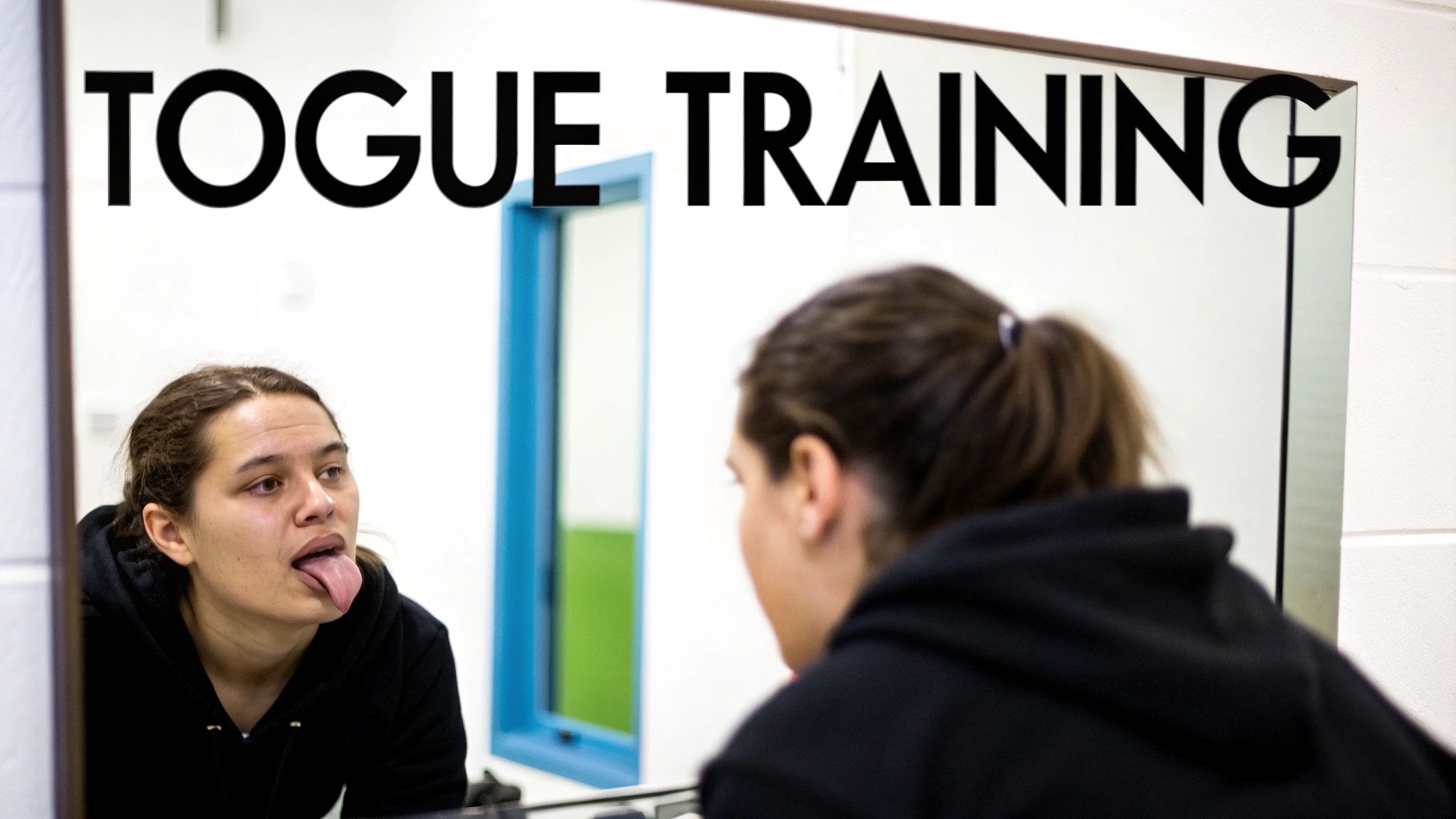
Orofacial exercises are more than just basic mouth movements – they represent a comprehensive approach to facial muscle health backed by years of scientific research and clinical observation. These specialized exercises have proven remarkably effective at addressing a range of health concerns through targeted muscle training. Let's explore the science behind how these exercises create real improvements in health and function.
How Orofacial Exercises Work: Targeting Muscle Function and Breathing
These exercises focus specifically on training the muscles involved in essential functions like swallowing, chewing and breathing. The goal is to build strength in weak muscles while improving their coordination and positioning. Common exercises include pressing the tongue against specific spots on the roof of the mouth or doing controlled movements with the lips and cheeks. While simple, these targeted actions help optimize airflow through the nose and reduce mouth breathing. The result is noticeably better oxygen intake and breathing patterns overall.
Scientific Evidence: Measuring the Impact of Myofunctional Therapy
Research increasingly supports the benefits of orofacial exercises, especially for sleep-related breathing problems. For example, studies have found that these exercises can reduce sleep apnea severity (measured by the apnea-hypopnea index) by more than 50% in adults and 62% in children. This means patients experience much better sleep quality and feel more alert during the day. The research also shows improvements in speech clarity and facial appearance over time with consistent practice.
Beyond Sleep Apnea: Exploring the Wider Benefits
While well-known for helping sleep apnea, orofacial exercises offer benefits for many other conditions. They can effectively treat TMJ disorders by rebalancing jaw muscles to reduce pain, improve movement, and minimize joint clicking. The exercises also help people with tongue tie – a condition limiting tongue mobility that affects speech, swallowing and feeding. By gradually improving tongue strength and range of motion, these exercises can significantly reduce symptoms. This versatility in treating various conditions demonstrates their value as a therapeutic tool for overall oral and facial health.
Real Solutions for Complex Oral Conditions
The scope of myofunctional therapy extends far beyond basic oral exercises. This treatment approach offers targeted solutions for a range of challenging oral conditions that can significantly impact daily life. Let's explore the specific ways myofunctional therapy helps address these issues and improves overall oral function.
Addressing Breathing-Related Sleep Disorders
Sleep disorders like obstructive sleep apnea (OSA) and snoring often stem from weak muscles in the mouth and face. When these muscles relax during sleep, especially the tongue, they can block the airway and disrupt normal breathing. Myofunctional therapy works by strengthening these crucial muscles to help keep airways open throughout the night. Research shows this approach effectively reduces the number of breathing interruptions during sleep, as measured by the apnea-hypopnea index (AHI), helping both adults and children get better rest.
Temporomandibular Joint (TMJ) Disorders and Myofunctional Therapy
People suffering from TMJ disorders often experience jaw pain, clicking sounds, and limited movement due to muscle imbalances in the face and jaw. Myofunctional therapy directly targets these muscle groups with specific exercises designed to restore balance and normal function. As patients work through their therapy program, many find significant relief from pain and improvements in basic activities like eating and talking that were previously difficult.
Tongue Tie: Restoring Tongue Mobility With Therapy
For individuals with tongue tie (ankyloglossia), where the tissue connecting the tongue to the mouth floor is too short or tight, myofunctional therapy offers a path to better tongue movement. This condition can affect everything from speech to eating, and in babies, it may interfere with breastfeeding. Through carefully designed exercises, patients can improve their tongue's range of motion and reduce symptoms that impact daily activities.
Myofunctional Therapy for Orofacial Muscle Imbalances and Posture
Beyond specific conditions, many people deal with general muscle imbalances affecting their mouth, face, and posture. These issues often show up as mouth breathing, incorrect swallowing patterns, or uneven facial features. Myofunctional therapy helps retrain these muscles to work properly, leading to better breathing, swallowing, and facial appearance. Since proper tongue position affects how we hold our head and neck, this therapy can even improve overall posture. Through personalized programs connecting clients with expert therapists, services like Myohab help people practice these exercises effectively at home.
not inside triple backticks or markdown tags. This is the raw markdown content:
Modern Tools Advancing Patient Care
The field of myofunctional therapy continues to evolve, bringing new possibilities for both practitioners and patients. Recent advances in technology have significantly improved how we diagnose and treat orofacial myofunctional disorders. By combining traditional therapeutic approaches with new tools, practitioners can now offer more precise, data-driven care that helps patients achieve better outcomes.
Advanced Diagnostic Imaging: Seeing the Full Picture
Modern imaging technology has transformed how practitioners assess and monitor patient progress. High-resolution 3D imaging now allows therapists to examine the mouth and throat structures in remarkable detail. For instance, these detailed scans help identify specific airway obstructions that may contribute to breathing difficulties during sleep. This level of insight enables therapists to create personalized treatment plans that target each patient's unique needs.
Digital Exercise Tracking and Biofeedback: Making Progress Visible
Digital tools have made it easier than ever for patients to stay engaged with their therapy. New apps help patients track their exercises, monitor their progress, and get instant feedback on their technique. Some apps even turn exercises into games, making daily practice more fun and rewarding. This combination of consistent practice and immediate feedback helps patients master proper techniques faster and stay motivated throughout their treatment journey.
The Rise of Virtual Care in Myofunctional Therapy
Online therapy sessions have made myofunctional therapy more accessible to everyone. Patients can now connect with qualified therapists from home, making it easier to fit treatment into busy schedules. This is especially helpful for people in rural areas or those who find it difficult to travel to appointments. Services like Myohab offer structured online programs where patients can work with therapists and follow guided exercises through an easy-to-use platform. This convenience helps patients stay consistent with their treatment plan and achieve better results.
By embracing these new tools, myofunctional therapists can provide better care and support for their patients. The combination of precise diagnostics, engaging practice tools, and flexible treatment options shows how myofunctional therapy continues to improve. As we look ahead, these advances will keep helping patients work toward better oral health in ways that fit their lives.
Your Journey Through Myofunctional Therapy

Starting myofunctional therapy is similar to beginning a new exercise routine – it's a step-by-step process focused on improving how your facial and oral muscles work together. The journey includes careful assessment, targeted exercises, and steady progress toward better oral health and overall wellness.
Initial Assessment: Understanding Your Unique Needs
Your first step is a detailed evaluation where your therapist learns about your specific situation. This assessment looks at several key areas:
- Breathing patterns: How you breathe during rest and activity
- Oral posture: The natural position of your tongue, lips, and jaw
- Swallowing function: Your swallowing mechanics and any issues
- Speech articulation: How clearly you pronounce different sounds
This thorough check creates a starting point to measure your improvements throughout therapy.
Personalized Treatment Plan: Exercises Designed for You
Once your assessment is complete, your therapist develops exercises just for you. These range from basic tongue movements to more advanced lip and cheek exercises. You might practice pressing your tongue against specific spots on the roof of your mouth or work on controlled lip movements. Each exercise aims to build strength, improve muscle control, and help your mouth work better.
Regular Practice: The Key to Success in Myofunctional Therapy
Just like any therapy program, steady practice leads to the best results. You'll need to do your exercises daily at home. Many therapists use tools like Myohab for guided exercises and progress tracking. This means you can get quality therapy support even if you live far from your therapist or have a busy schedule.
Tracking Your Progress and Making Adjustments
Throughout your therapy, your therapist keeps track of how you're doing and adjusts your plan as needed. They monitor your progress through:
- Visual checks: Looking at your oral posture and breathing
- Functional tests: Checking your swallowing and speech
- Your feedback: Discussing what's working and what changes you notice
This careful monitoring helps make sure you're getting good results. For example, if you find certain exercises challenging, your therapist can modify them or give extra help. This personal attention keeps you moving toward your goals. As you continue with therapy, you'll likely notice improvements in your breathing, swallowing, speech, and even sleep – particularly if you deal with sleep apnea or snoring.
Building Your Healthcare Dream Team
When it comes to getting the best results from myofunctional therapy, teamwork makes all the difference. Just like any successful health journey, it takes multiple specialists working together to create lasting positive changes. By building connections between different healthcare providers, we can develop treatment plans that address all aspects of a patient's needs.
The Power of Collaboration: Myofunctional Therapy and Other Disciplines
Myofunctional therapy works best when coordinated with other healthcare fields like orthodontics, otolaryngology (ENT), and speech-language pathology. For instance, when treating a child with a tongue tie, a myofunctional therapist might focus on tongue exercises while an orthodontist addresses dental alignment. This team approach ensures both muscle function and tooth positioning improve together. Similarly, someone with sleep apnea often benefits from combining myofunctional therapy with care from both sleep doctors and ENT specialists.
Orthodontics and Myofunctional Therapy: A Powerful Partnership
The connection between orthodontics and myofunctional therapy is especially important. While orthodontists focus on straightening teeth and aligning jaws, myofunctional therapists work on proper muscle function and patterns. Working together creates better results – myofunctional therapy helps maintain straight teeth by fixing muscle issues that caused the original misalignment. In some cases, this muscle work may even reduce the amount of orthodontic treatment needed.
ENT Specialists and Myofunctional Therapy: Addressing Airway Issues
ENT specialists play a key role in treating breathing problems that often connect to myofunctional issues. For example, an ENT might remove enlarged tonsils blocking the airway, while a myofunctional therapist teaches better breathing habits and techniques. This combined treatment leads to long-term improvements in breathing ability.
Speech-Language Pathologists and Myofunctional Therapy: Improving Speech and Swallowing
Speech-language pathologists and myofunctional therapists share many common goals in helping patients speak and swallow better. Where myofunctional therapy strengthens weak muscles affecting speech and swallowing, speech therapy focuses on the specific mechanics and developmental aspects. Together, these specialists create complete treatment plans addressing all aspects of communication and eating function.
Coordinating Care: Tips for Effective Communication
Good teamwork depends on clear communication between providers. Here are practical ways to keep everyone working together effectively:
- Open Communication: Make sure all providers regularly share updates about patient progress and treatment plans
- Shared Goals: Set clear objectives that all team members work toward together
- Patient-Centered Approach: Keep the patient's needs first, helping them understand each provider's role and feel comfortable asking questions
When healthcare providers work as a unified team, myofunctional therapy becomes even more effective. This collaborative approach ensures that all aspects of a patient's oral health, breathing, speech and overall wellbeing are properly addressed.
Ready to experience the benefits of myofunctional therapy? Myohab offers personalized online programs connecting you with expert therapists and providing guided exercises you can do at home. Start your journey toward better oral health today!

