
Why Myofunctional Therapy Courses Are Transforming Healthcare

The field of orofacial health is evolving. It's moving beyond traditional methods and embracing the comprehensive approach of myofunctional therapy. This shift is fueled by the increasing availability of high-quality myofunctional therapy courses. These courses empower healthcare professionals with the skills to effectively address a wide array of orofacial disorders.
This means patients now have access to more specialized and targeted care.
Bridging the Knowledge Gap
Traditional healthcare training often overlooks the complexities of orofacial issues. Myofunctional therapy courses fill this crucial gap by exploring the intricate connections between muscles, bones, and their functions in the face and mouth.
These courses highlight how something as seemingly simple as improper tongue posture can significantly impact breathing, speech, and even facial development. This in-depth knowledge allows clinicians to treat the root cause of the problem, not just the symptoms.
Myofunctional therapy courses are gaining significant traction among healthcare professionals. A study of speech-language pathologists (SLPs) utilizing myofunctional devices and therapy found that nearly all participants had completed multiple training courses. These ranged from 30 to 470 hours of training. This commitment to continuing education showcases the growing recognition of myofunctional therapy's importance in orofacial health. Learn more about this important study here.
Expanding Treatment Possibilities
Myofunctional therapy courses reshape treatment strategies. They provide clinicians with a wider range of techniques, including exercises to improve tongue posture, strengthen oral muscles, and establish proper breathing.
These courses promote a holistic approach, recognizing the interconnectedness of bodily systems. This facilitates personalized and effective treatment plans tailored to each patient's unique needs.
Beyond Basic Training
Comprehensive myofunctional therapy courses stand apart from basic training through their in-depth curriculum. They frequently incorporate hands-on training, case studies, and mentorship opportunities.
These practical experiences allow clinicians to refine their skills and gain confidence in applying myofunctional therapy principles. This leads to improved patient outcomes and greater professional satisfaction. The rise of these specialized training programs marks a significant step toward increased expertise in orofacial healthcare.
Addressing Misconceptions
It's crucial to clarify common misconceptions about myofunctional therapy training. Some believe a short weekend workshop is enough to master the practice. However, true proficiency requires a more substantial commitment to education.
While shorter courses can offer a basic overview, comprehensive programs provide the necessary depth of knowledge and practical skills for successful clinical practice. This ensures practitioners can effectively address the diverse needs of their patients and contribute to the advancement of orofacial healthcare.
Finding The Right Myofunctional Therapy Course For You
Ready to boost your career with a myofunctional therapy course? Great! But with so many options, choosing the perfect fit can be tough. This guide will help you navigate the choices and find the course that aligns with your career aspirations.
Choosing The Right Course Format
Myofunctional therapy courses come in different formats: online, in-person, and hybrid. Each has pros and cons. Online courses offer flexibility, letting you learn at your own speed. In-person courses provide valuable interaction with instructors and classmates. Hybrid courses offer a blend of online learning and face-to-face sessions.
Think about your learning style. Do you prefer the structure of a classroom or the independence of online study? Picking the right format will maximize your learning.
Looking Beyond Instructor Titles
While credentials are important, don't just focus on titles. Practical experience and a successful track record matter too. Look for instructors actively practicing myofunctional therapy. Their real-world knowledge will be incredibly valuable.
Curriculum Depth and Potential Pitfalls
A solid curriculum is key. Before signing up, review the syllabus and learning objectives. Make sure the course covers key topics like orofacial anatomy, assessment techniques, treatment protocols, and case management. Be wary of courses promising quick results or overly simplistic approaches. Myofunctional therapy is complex. A deep understanding of the fundamentals is essential for effective practice.
Matching Course Content to Your Goals
Your career goals should guide your course selection. Do you want to work with children with orofacial myofunctional disorders, or focus on adults with sleep-disordered breathing? Some courses specialize in specific areas, others are more general. Choose a course that aligns with your interests and gives you the skills you need.
To help you compare, here's a table summarizing different course options:
Comparing Myofunctional Therapy Course Options
A comparison of different course formats, time commitments, and key features to help professionals choose the right program
| Course Type | Time Commitment | Format | Certification | Cost Range | Ideal For |
|---|---|---|---|---|---|
| Orofacial Myology | Varies (typically 100-200 hours) | Online, In-Person, Hybrid | Certified Orofacial Myologist (COM) | $1,500 – $5,000+ | Professionals working with orofacial disorders |
| Airway Focused Myofunctional Therapy | Varies (typically 40-80 hours) | Online, In-Person | Various certifications | $1,000 – $3,000+ | Professionals focused on sleep and breathing disorders |
| Pediatric Myofunctional Therapy | Varies (typically 40-80 hours) | Online, In-Person | Various certifications | $1,000 – $3,000+ | Professionals specializing in pediatric care |
This table presents a general overview. Specific course details may vary. Always check with the provider for the most up-to-date information.
This table highlights the variety of available courses, from general orofacial myology to specialized programs focused on airways or pediatrics. Cost and time commitment also vary significantly.
By considering these factors – course format, instructor experience, curriculum depth, and your own career goals – you can choose a myofunctional therapy course that's right for you. The right training can make all the difference in your success.
The Essence of Excellent Myofunctional Therapy Training
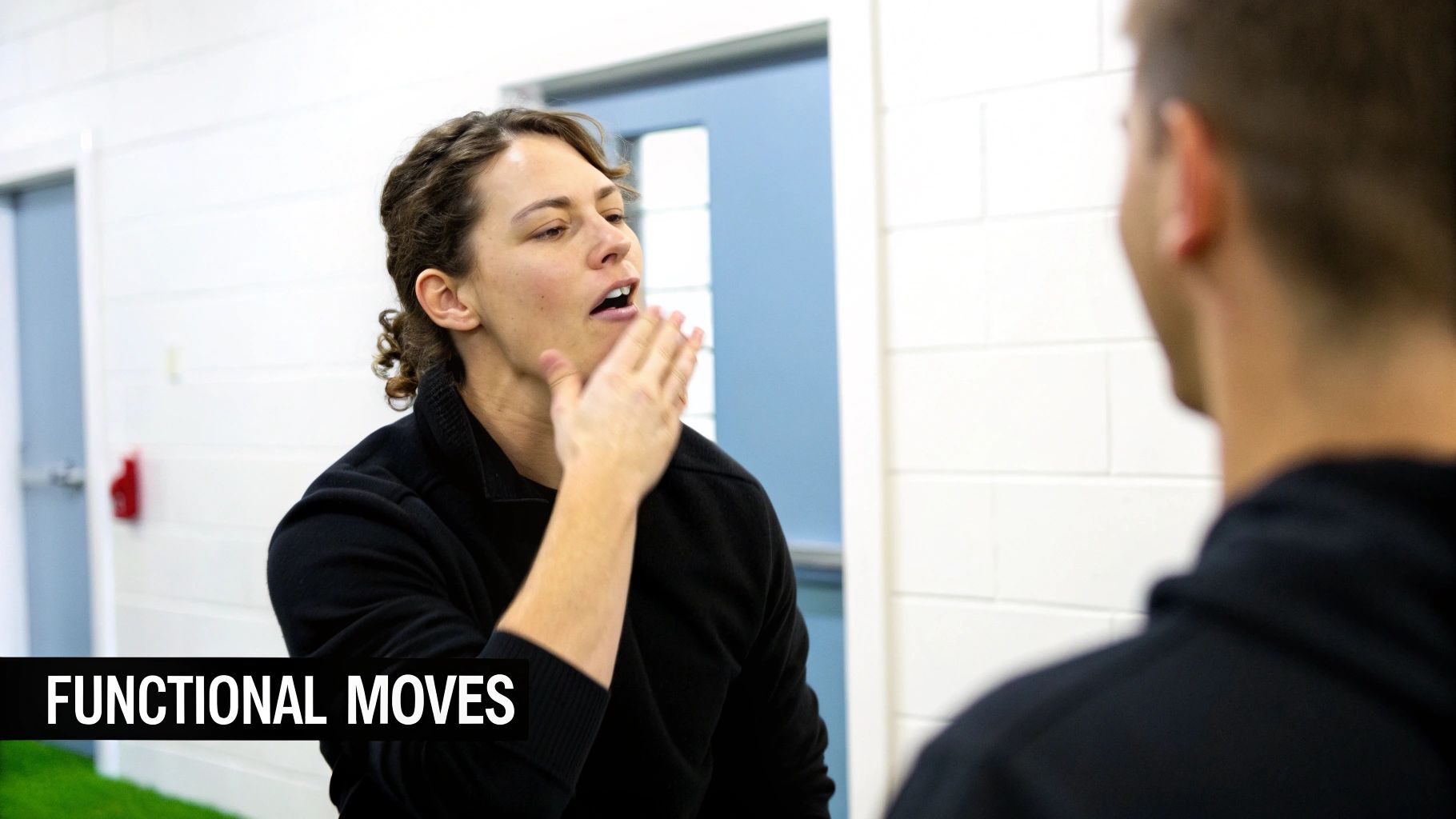
What distinguishes a truly effective myofunctional therapy course? It's the ability to empower clinicians with the practical skills and confidence to navigate real-world clinical situations. This involves a carefully constructed balance of theoretical understanding and practical application. Let's explore the essential elements that build a superior learning experience.
Balancing Theory and Practice
Effective myofunctional therapy courses understand that solid theoretical groundwork is paramount. This provides a deep understanding of orofacial anatomy, physiology, and the interconnectedness of bodily systems. But theory alone isn't enough. Practical skill development is equally important, offering ample opportunities to practice assessment techniques and treatment protocols.
For instance, a course might explain the anatomy of the tongue. It should also include practical sessions on assessing tongue posture and function. This combined approach bridges the gap between academic knowledge and practical application.
To illustrate the curriculum components of a well-rounded course, let's look at the following table:
Essential Myofunctional Therapy Course Components: A breakdown of critical curriculum elements and their importance in comprehensive training
| Course Component | Clinical Relevance | Learning Outcomes |
|---|---|---|
| Orofacial Anatomy & Physiology | Foundational understanding of the structures and functions of the mouth, face, and related systems | Ability to identify anatomical variations and their impact on function |
| Assessment Techniques | Develop practical skills in evaluating orofacial function, including posture, breathing, and swallowing | Accurate diagnosis of myofunctional disorders |
| Treatment Protocols | Learn evidence-based treatment approaches for various myofunctional disorders | Develop personalized treatment plans for individual patient needs |
| Case Studies & Simulations | Exposure to diverse clinical presentations and challenges | Enhance critical thinking and problem-solving skills |
| Interprofessional Collaboration | Understand the importance of working with other healthcare professionals | Develop effective communication and referral strategies |
This table outlines key components and their contribution to effective clinical practice. It highlights the integrated nature of the curriculum, combining theoretical knowledge with practical application.
Addressing Case Complexity
Clinical practice often involves complex cases that deviate from textbook examples. The best myofunctional therapy courses prepare clinicians for this reality by emphasizing case complexity. They go beyond simple procedures and promote critical thinking skills.
This could include analyzing complex case studies or participating in simulated patient interactions. It also involves receiving guidance on adapting treatment plans for patients with other health conditions. These activities build crucial problem-solving abilities, essential for successful outcomes. Top-tier programs often include discussions on ethical considerations and best practices for interprofessional collaboration.
Building Clinical Confidence
Several elements contribute to developing clinical confidence. Mentorship from experienced practitioners provides invaluable personalized feedback. Guided assessment practice lets clinicians refine their skills in a safe environment.
A well-structured course also addresses the practicalities of integrating new techniques. This includes clear guidance on patient communication and the necessary equipment. This realistic preparation empowers clinicians to apply their new skills confidently, leading to improved patient outcomes and professional growth.
Elevating Your Practice With Myofunctional Therapy Training

A myofunctional therapy course can significantly enhance your clinical skills and reshape your career. It can open new doors and help you become a sought-after specialist. Let’s explore the real-world impact of specialized myofunctional therapy training.
Building a Unique Practice Niche
A myofunctional therapy course can be the key to establishing a distinct clinical niche. Some practitioners choose to focus on pediatric myofunctional therapy, addressing issues like tongue ties and thumb sucking.
Others specialize in working with adults who have sleep-disordered breathing. By focusing on a specific patient population, practitioners can build recognized expertise and a strong professional identity. This targeted approach often leads to a more fulfilling career.
A specialized course can also expand your referral network. Advanced skills make you a valuable resource for other healthcare professionals, such as dentists, orthodontists, and sleep physicians. This can lead to more referrals and a larger patient base. Collaboration also builds interdisciplinary relationships, improving overall patient care.
Real Return on Investment
The return on investment (ROI) of a myofunctional therapy course extends beyond financial gains. Improved clinical skills directly translate into better patient outcomes and higher patient satisfaction. This strengthens your reputation as a skilled practitioner.
These courses also allow you to create a unique practice identity and become a leader in the field. Participants frequently report increased confidence and knowledge, fostering professional growth and better patient care. Explore the foundational aspects of orofacial myofunctional therapy here.
ROI also includes professional satisfaction. Mastering new skills and seeing the positive impact of your work creates a more rewarding career. A successful myofunctional therapy practice can increase revenue and promote long-term growth.
However, building a thriving practice takes time and dedication. Implementation challenges are common, and measurable growth typically occurs gradually.
Overcoming Implementation Hurdles
While myofunctional therapy training offers a solid foundation, integrating new skills can be challenging. Start with cases that build confidence, allowing you to refine techniques.
Develop efficient systems for assessment and documentation to streamline your workflow. Communicate clearly with patients and referral sources about the benefits of this specialized approach, managing expectations effectively.
From Classroom To Clinic: Building Confidence In Myofunctional Therapy

Congratulations on completing your myofunctional therapy course! This is a major accomplishment. However, the transition from the educational setting to real-world practice can feel daunting. This section offers practical guidance from seasoned clinicians to help you bridge this gap and cultivate a successful practice.
Selecting Your First Cases
Initially, choosing the right patients is paramount. Begin with simpler cases that allow you to apply your new skills comfortably. For example, a patient presenting with a simple tongue thrust could be an ideal starting point. This approach builds confidence and solidifies those fundamental techniques.
As you gain experience, progressively incorporate more challenging cases, such as patients with lateral lisps or sleep-disordered breathing. This gradual approach will refine your skills while minimizing stress.
Efficient Assessment And Documentation
Establishing efficient assessment and documentation systems specific to myofunctional therapy is essential. Use templates and checklists to ensure thorough evaluations and maintain consistent records. This not only saves time, but also minimizes the possibility of errors.
Furthermore, consider integrating digital tools for tracking patient progress and analyzing data. These resources can streamline your workflow and offer valuable insights into treatment efficacy.
Communicating Your Value
Clearly communicating your specialized approach is key to establishing trust and garnering referrals. Explain the benefits of myofunctional therapy to patients and their families in plain language, using relatable examples.
For instance, demonstrating how correct tongue posture can enhance breathing and sleep quality can resonate powerfully with patients. When communicating with referral sources, emphasize your unique qualifications and the value you offer. Mentioning your recent myofunctional therapy course completion showcases your commitment to continuing education.
Highlighting positive patient outcomes strengthens professional relationships and builds credibility.
Essential Equipment: Prioritizing Investments
Investing in appropriate equipment can significantly enhance your practice. Certain tools, such as intraoral mirrors and tongue depressors, are necessary from the outset. Other tools, like specialized software for orofacial exercises, can be added as your practice expands.
Prioritize purchases based on your immediate needs and budget. There's no need to acquire everything all at once. Research various options and consult with experienced myofunctional therapists for guidance.
Overcoming Clinical Challenges
Even with thorough training, you're bound to encounter challenges. Don't be discouraged! Connecting with mentors or joining professional organizations like the International Association of Orofacial Myology (IAOM) offers invaluable support and guidance.
These networks offer avenues for discussing cases, sharing best practices, and learning from seasoned colleagues. Such peer support can help you troubleshoot problems, prevent burnout, and promote professional development. Building a successful myofunctional therapy practice takes time. With patience, dedication, and a commitment to continuous learning, you can gain clinical confidence and positively impact your patients' lives.
Your Myofunctional Therapy Career Roadmap
Completing your first myofunctional therapy course is a big accomplishment, but it's really just the first step. What truly sets successful practitioners apart is their dedication to continuous learning and professional growth. This section explores how to build on your initial certification and create a thriving career in myofunctional therapy.
Specialized Advanced Training Pathways
Myofunctional therapy offers a wide range of specialization options. After establishing a strong foundation, consider advanced training in areas that resonate with your professional goals.
- Pediatric Myofunctional Therapy: This pathway focuses on orofacial issues in children, such as thumb sucking, tongue ties, and swallowing or speech difficulties. Articles like The Secret to Correcting Lateral Lisps showcase the critical role of myofunctional therapy in addressing speech impediments, emphasizing the need for specialized training in pediatrics.
- Sleep Disorder Management: By understanding the link between orofacial dysfunction and sleep-disordered breathing, like sleep apnea and snoring, practitioners can help patients improve their sleep and overall health.
- TMJ and Orofacial Pain: This specialization dives into the intricacies of temporomandibular joint disorders and other orofacial pain conditions, offering advanced techniques for pain management and improved jaw function.
These are just a few possibilities; your personal interests can guide you towards other niche areas. Advanced training allows you to develop a deeper level of expertise and become a sought-after specialist.
Balancing Continuing Education and Practice Demands
Balancing continuing education with the day-to-day demands of a practice can be tough. Successful clinicians prioritize ongoing learning through strategic time management and resource allocation. This could involve attending workshops, enrolling in online courses, or joining mentorship programs. Many professional organizations provide continuing education tailored specifically for myofunctional therapists. Keeping up with the latest research and advancements is essential for providing the best possible patient care.
Building Recognition as a Specialist
Becoming a recognized specialist takes more than just advanced training. Active involvement in professional organizations, presenting at conferences, and publishing articles or case studies can raise your profile within the field.
Developing a strong online presence with a professional website and active social media channels can boost your visibility and attract patients. Networking with other healthcare professionals, such as dentists, orthodontists, and sleep physicians can further establish your credibility and lead to referrals.
Transitioning into Teaching or Research
Some experienced myofunctional therapists transition into teaching, sharing their knowledge with aspiring practitioners. Others pursue research, contributing to the expanding evidence base for myofunctional therapy. These career paths offer unique ways to shape the future of the field and have a lasting impact on patient care.
Maintaining Certification and Cultivating Professional Networks
Maintaining your certification demonstrates your commitment to professional standards and is often required by certifying organizations through continuing education credits. Staying connected within professional networks provides ongoing support, mentorship, and collaborative opportunities.
Engaging in online forums, attending conferences, and joining local study groups helps you connect with fellow therapists and stay informed about the latest advancements.
Looking to improve your orofacial health? myohab offers personalized myofunctional therapy exercises for various conditions, from TMJ disorders and sleep apnea to tongue ties and breathing problems. Visit myohab.com to learn more and start your journey to better health.

