
Understanding the Foundations of Myofunctional Therapy
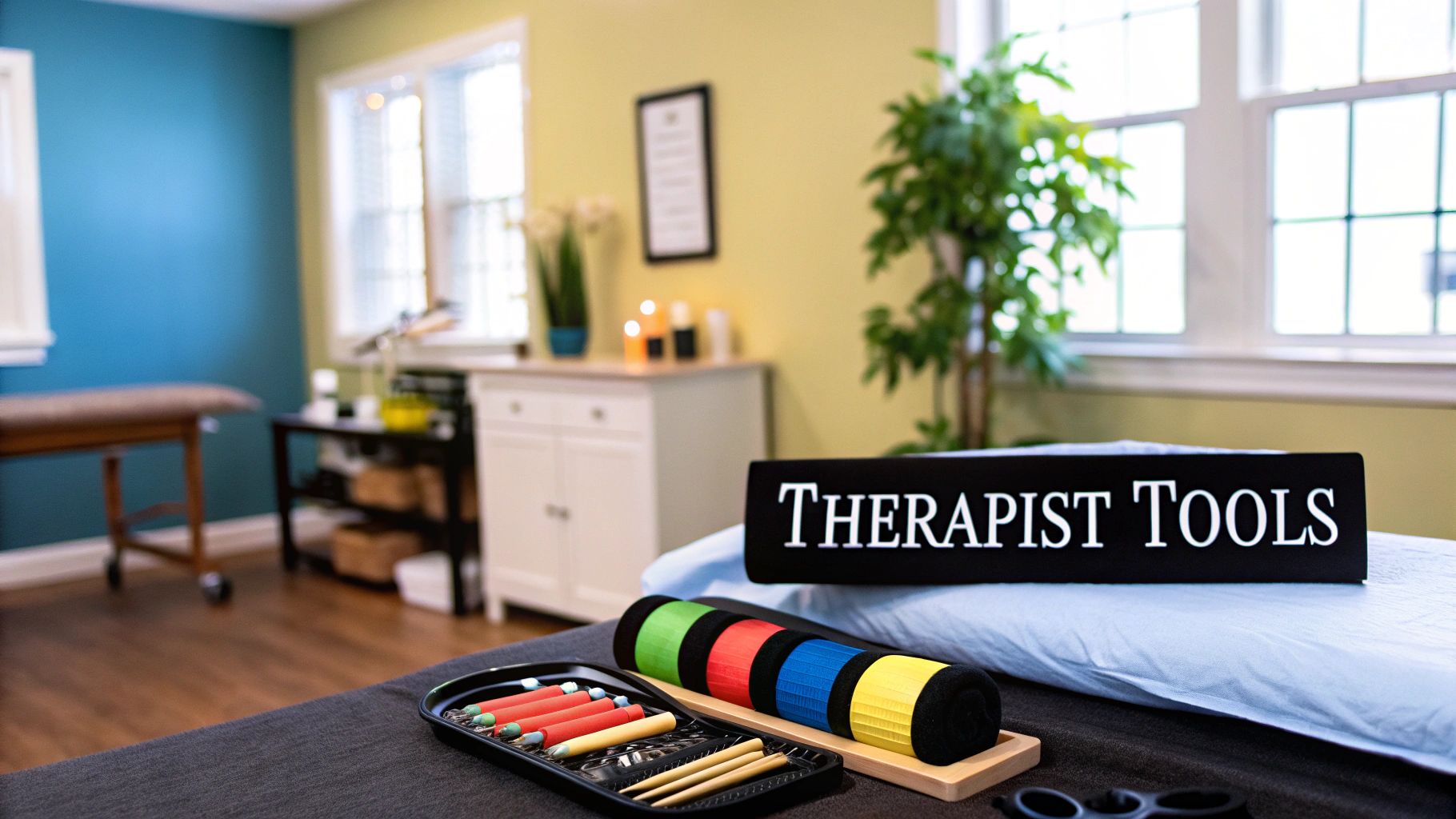
Getting started in myofunctional therapy requires mastering several essential building blocks. A well-trained myofunctional therapist needs to understand both the physical structures of the face and mouth and how they work together to support overall health. This comprehensive knowledge allows therapists to effectively help patients with a wide range of oral and facial concerns.
Core Knowledge Domains in Myofunctional Therapy
The practice of myofunctional therapy rests on several key pillars of knowledge. Orofacial anatomy forms the foundation, giving therapists a detailed understanding of facial muscles, bones, and soft tissues. This anatomical knowledge is essential for spotting problems and creating targeted treatment plans. Breathing mechanics also play a central role, since proper breathing directly impacts oral health and general wellness. Therapists must also master swallowing and chewing patterns to help patients overcome habits that can harm their dental health, speech, and sleep quality.
Integrating Foundational Concepts into Practice
Effective therapists blend these core concepts seamlessly in their daily work with patients. They put their anatomical knowledge to use during patient evaluations, carefully noting any muscle imbalances or structural issues. Based on these detailed assessments, they develop personalized exercise plans – for example, specific tongue strengthening exercises for patients who need help with tongue positioning. By understanding how different oral systems affect each other, therapists can address root causes rather than just symptoms.
The Role of Diverse Healthcare Backgrounds
The field attracts professionals from many healthcare areas, including dental hygiene and speech pathology. Each background adds unique value to myofunctional therapy practice. For instance, dental hygienists bring deep knowledge of oral health that enhances their understanding of myofunctional problems. Speech pathologists contribute expert insights about speech development that help address related oral issues. One key training program is the 'Foundations of Orofacial Myofunctional Therapy' course. This 60-hour, ten-module program gives healthcare professionals comprehensive training in everything from head and neck anatomy to assessment methods. Learn more about the Foundations of Orofacial Myofunctional Therapy course. Having practitioners from different specialties enriches the field and allows for well-rounded patient care. With solid training in these core areas, myofunctional therapists can significantly improve their patients' oral function, health and quality of life.
Selecting Your Optimal Training Pathway
Finding the right training program is one of the most important first steps in becoming a myofunctional therapist. The program you choose will shape your clinical skills and ability to help patients achieve better outcomes. With several options available, it's essential to understand what makes training programs effective.
Evaluating Program Quality
Look past marketing materials and focus on the core elements that determine a program's value. Experienced instructors who actively practice and have demonstrated success with patients should lead the training. Programs should include hands-on clinical practice with real patients to help you apply what you learn. Also check for ongoing support after completion – having access to mentorship and resources is invaluable when starting your practice.
Comparing Training Options
Different program formats suit different learning needs and career goals. Certification programs provide structured education covering fundamentals like orofacial anatomy and treatment planning, leading to formal credentials. Focused workshops allow you to dive deep into specific areas like pediatric care or integrating other modalities. For those with experience, advanced courses teach complex cases and newer techniques.
For those just starting out, the 'Myo Mindshift' masterclass offers a solid introduction. At $450, you'll learn seven research-backed exercises for addressing oral dysfunction. This provides an evidence-based foundation at an accessible price point. Learn more about choosing training programs.
Mapping Your Educational Journey
Take time to create a training plan aligned with your interests and goals. Think about your ideal patient population – do you want to work mainly with children or adults? Are you drawn to particular conditions like sleep breathing disorders? Your answers will point you toward relevant programs.
Research program details like curriculum content, instructor backgrounds, and clinical components. Consider how you learn best – some people thrive in online courses while others need in-person instruction. Factor in both cost and time requirements, as programs range from intensive full-time study to flexible part-time options. By carefully weighing these elements, you can choose training that fits your needs and sets you up to help patients effectively. A thoughtful approach now leads to better preparation for clinical practice.
Mastering Clinical Skills Through Practical Application

Getting the most from myofunctional therapy training requires more than just learning the fundamentals. Success comes from putting knowledge into practice through real patient work. The key areas to develop include clinical instincts, assessment abilities, and practical therapeutic tools.
Developing Clinical Instincts
Strong clinical instincts come from hands-on experience with patients. Much like a "sixth sense," these skills let therapists pick up on subtle signs during patient sessions. A therapist with well-developed instincts might notice small changes in tongue position that point to underlying issues. This ability to spot patterns and connect different symptoms helps deliver better care.
Mastering Patient Assessment Techniques
Thorough patient assessments are essential for effective treatment. Beyond basic health history, therapists need deep knowledge of mouth and facial structures and how they work together. Key assessment skills include:
- Evaluating breathing patterns
- Analyzing swallowing movements
- Observing tongue function and position
- Using specialized assessment tools
Taking the time to do detailed evaluations helps create treatment plans that fit each patient's needs.
Building Your Therapeutic Toolkit
Successful therapists develop a wide range of exercises and techniques to help different patients. This toolkit grows through:
- Learning new research-backed methods
- Gaining hands-on practice with various techniques
- Adapting approaches based on patient needs
While many training programs provide good foundational knowledge, some lack sufficient practical components. For example, introductory courses often include 30 hours of content but minimal hands-on training. Dental hygienists especially need practice applying these skills in clinical settings. Learn more about implementing myofunctional therapy in dental practices. The most valuable training programs emphasize real-world practice alongside theory, helping therapists build confidence and get consistent results with patients.
Integrating Research and Evidence-Based Practice
Developing a thriving career as a myofunctional therapist requires going beyond just clinical expertise. It means actively following current research and putting proven methods into practice. This scientific foundation helps you deliver better care while establishing yourself as a trusted expert in your field.
Evaluating Scientific Literature
Learning to critically assess research is essential for any myofunctional therapist. This means examining studies carefully to determine how reliable and relevant they are to your work. You'll need to look at factors like study design quality, number of participants, and researcher credentials. These analytical skills help you identify which findings will truly benefit your patients.
Applying Research Insights to Clinical Practice
The real value of research comes from using it to help patients. Successful therapists take scientific discoveries and carefully adapt them into their treatment plans. For instance, when studies validate a new tongue positioning exercise, experienced practitioners thoughtfully incorporate it into patient care based on individual needs. One notable pilot study explored myofunctional training for obstructive sleep apnea patients. Fifteen adults participated in 30-minute sessions, three days weekly for three months. The training used negative airway pressure exercises to build upper airway muscle strength. Read more details about this research here.
Contributing to the Growing Body of Evidence
The field of myofunctional therapy continues to evolve through ongoing research. Beyond staying current, you can help expand the field's knowledge base. Consider joining research projects, sharing case studies at professional events, or writing for academic journals. Taking an active role in research helps advance the entire profession while building your own expertise.
Building Credibility with Referring Healthcare Providers
Using proven, research-backed methods builds trust with both patients and other healthcare professionals. When you demonstrate your commitment to science-based care, you strengthen relationships with physicians, dentists and specialists who may refer patients. This collaborative approach, grounded in evidence, helps create a reliable referral network that benefits everyone involved. Making research part of your daily practice shows other professionals they can count on you for expert care.
Pursuing Advanced Specialization and Expertise
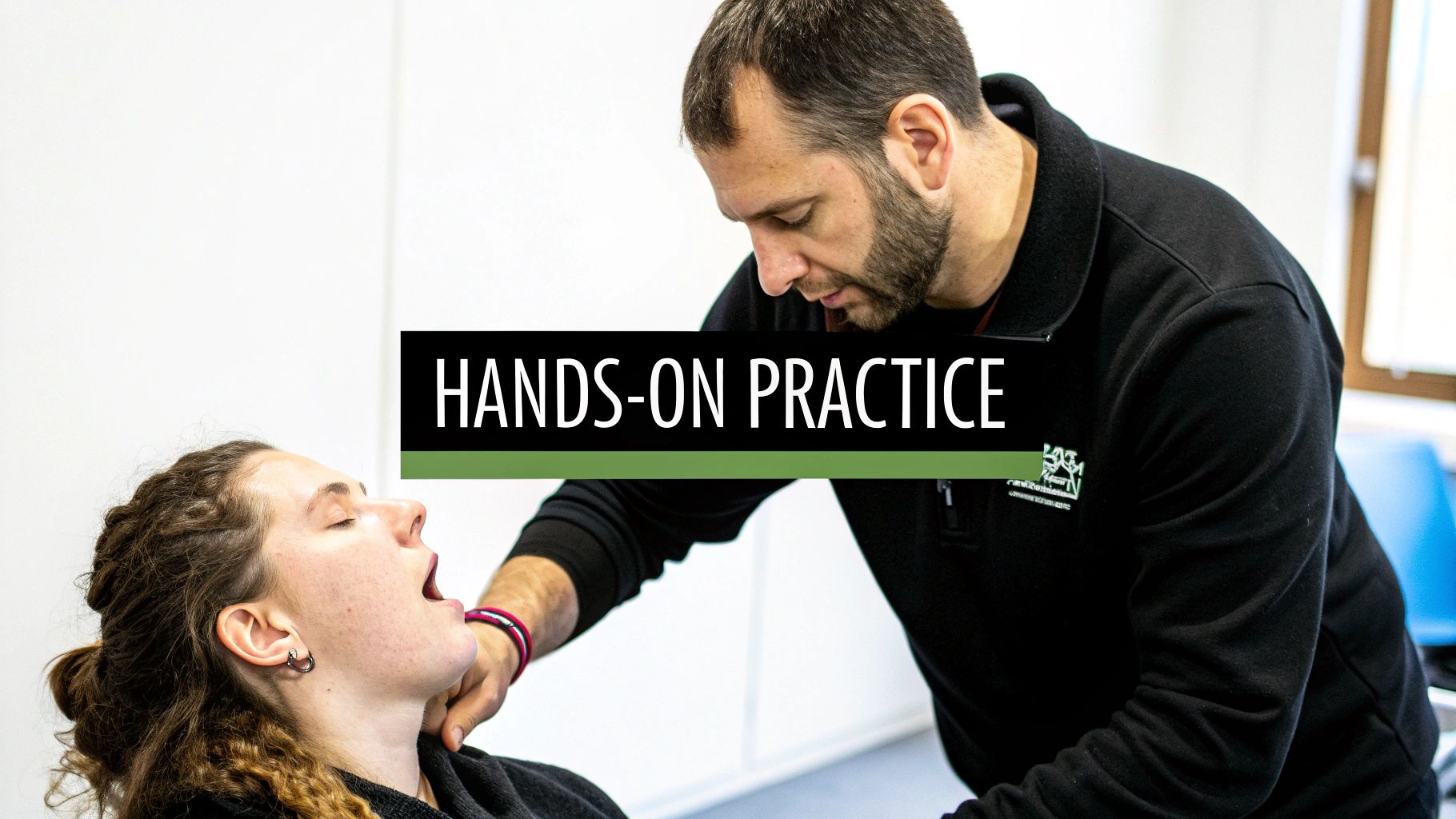
Once you have a strong foundation in myofunctional therapy, the next step is choosing an area of specialization. By focusing deeply on a specific aspect of the field, you can develop expert-level skills that make you a go-to resource for patients with particular needs.
Identifying Your Niche Market
The key to successful specialization is finding the right niche within myofunctional therapy. Some therapists focus on specific age groups like children or older adults. Others develop expertise in treating conditions such as obstructive sleep apnea, jaw joint problems (TMD), or tongue tie. By choosing a clear focus area, you can build specialized knowledge that helps you deliver exceptional care to patients with those specific challenges.
Developing Specialized Treatment Protocols
After selecting your focus area, create treatment protocols designed specifically for those patients. For example, if you work primarily with kids, you might incorporate games and fun activities into your exercises to keep them engaged. Having targeted approaches for your patient population helps achieve better outcomes and reinforces your specialized expertise.
Advanced Certification and Continuing Education
Ongoing education is essential for developing deeper expertise. Look for advanced training focused on your specialty area. For instance, a TMD specialist might take courses in orofacial pain management. Programs like "Beyond the Surface: Mastering Myofunctional Therapy" are designed for experienced therapists ready to handle complex cases. This program requires completing a 28-hour foundational course first. Pursuing advanced certifications shows your commitment to providing excellent care based on current best practices.
Establishing Yourself as an Authority
Share your specialized knowledge through conference presentations, articles, blog posts and professional forums. Having an active online presence through a well-designed website and social media helps potential patients find you. As you consistently demonstrate your expertise, more people will seek you out for your specialized skills. This leads to a thriving practice focused on the work you find most rewarding.
Rewritten Below
Creating a Thriving Myofunctional Therapy Practice

Success in myofunctional therapy takes more than excellent clinical abilities. You need solid business skills, strong professional relationships, and smart systems that help you deliver great care while growing your practice. Let's explore the key elements that set thriving practices apart.
Building a Sustainable Practice
The most successful practices excel at patient education. When clients truly understand their treatment plans and the importance of doing their exercises regularly, they're more likely to stick with the program and see results. Taking time to explain concepts like proper tongue posture and its effects on breathing helps patients take an active role in their recovery. Well-designed scheduling and documentation processes also free up more time for patient care.
Developing Strong Referral Networks
New patients are essential for any healthcare practice to thrive. Building connections with dentists, orthodontists, and pediatricians creates reliable referral sources. Consider hosting informative workshops or attending local medical meetings to share your expertise. When you consistently deliver excellent results, satisfied patients become your best advocates and naturally refer others.
Balancing Business Growth With Patient Care
Growing your practice requires thoughtful planning to maintain quality care. Set aside time for key business activities like updating your website and social media presence, while staying current with myofunctional therapy research and techniques. Free educational webinars can help attract new clients, while continuing education keeps your clinical skills sharp. Consider adding telehealth options to make your services more accessible to patients.
Creating Efficient Operational Systems
The foundation of a smooth-running practice is strong operational systems. Invest in user-friendly practice management software to handle scheduling, billing and patient communications efficiently. Create clear protocols for every aspect of patient care – from initial assessment through treatment completion. Well-designed systems help your practice run like clockwork, letting you focus on delivering excellent patient care.
Ready to simplify and enhance your myofunctional therapy practice? Myohab offers personalized exercises, expert therapist connections, and a user-friendly platform to support your journey. Transform your practice and improve patient outcomes with Myohab.

