
The Evolution of Myofunctional Therapy: From Medical Innovation to Modern Practice

The story of myofunctional therapy begins with a simple observation – the way we use our oral and facial muscles affects our overall health. Early dental professionals noticed that habits like mouth breathing and incorrect tongue positioning were linked to problems with teeth alignment and facial development. These insights laid the foundation for what would become a fascinating field of study.
The formal birth of myofunctional therapy came in 1918, when American orthodontist Alfred Rogers presented his paper on 'Myofunctional Therapy of Orthodontics' at the American Association of Orthodontists meeting. Rogers introduced specific exercises to help proper jaw growth and teeth alignment, marking the beginning of this specialized field. Want to dive deeper into these early developments? Learn more about the history of myofunctional orthodontics.
Early Pioneers and Key Breakthroughs
The first practitioners made crucial connections between muscle function and oral health. They saw how poor tongue posture and mouth breathing could throw off the natural balance of facial growth. This led them to develop targeted exercises – like specific tongue placement techniques – to help patients with issues such as tongue thrust that affected their speech and swallowing.
As research continued, the benefits of proper oral function became clear beyond just straight teeth. Studies showed links between breathing patterns and sleep quality, while correct tongue position proved important for keeping airways open. These findings helped expand myofunctional therapy from a purely dental treatment to one that supports overall health.
Modern Myofunctional Therapy: A Multidisciplinary Approach
Today's myofunctional therapy brings together expertise from many fields – dentistry, orthodontics, speech therapy, and physical therapy. Modern practitioners help patients with various conditions, including tongue-tie, thumb sucking, sleep apnea, and TMJ disorders. They create exercises and treatment plans based on the latest research and understanding of oral-facial development.
The field now emphasizes working as a team. Myofunctional therapists partner with dentists, orthodontists, and other health professionals to give patients the best care possible. This teamwork approach shows how far the field has come in understanding that oral health connects deeply with overall wellness. New techniques and tools continue to make treatments more effective while keeping the focus on each patient's individual needs.
Inside the Practice: How Myofunctional Therapists Transform Patient Care

Myofunctional therapy goes beyond simple exercises – it's a carefully crafted approach to improving how oral and facial muscles work together. When you visit a myofunctional therapist, they start by watching how you use your mouth, tongue, and facial muscles during everyday activities. They pay close attention to things like how you hold your mouth at rest, the way you swallow, and your breathing patterns. This detailed observation helps them understand exactly what needs work.
Assessment and Personalized Treatment Plans
Getting started with myofunctional therapy begins with a thorough evaluation. Your therapist will create a unique plan based on your specific needs and goals – much like getting a custom-fitted suit. For example, a young child who has trouble with tongue placement needs different exercises than someone dealing with sleep issues. This individual attention makes all the difference in getting real results.
The field has deep historical roots that shape how therapists work today. Back in 1907, Edward H. Angle wrote about how tongue position affects teeth alignment in his work "Malocclusion of the Teeth." You can learn more about these early findings here. His insights helped build the foundation for modern myofunctional therapy.
Collaboration with Other Healthcare Professionals
Myofunctional therapists regularly team up with other health experts like dentists, orthodontists, and speech therapists. This teamwork ensures patients get complete care that addresses all their needs. For instance, your therapist might coordinate with your orthodontist so that muscle exercises support your ongoing teeth alignment treatment.
Sometimes patients need help with sleep-related breathing problems. In these cases, the therapist works alongside sleep specialists to improve nighttime breathing patterns and sleep quality. This team approach recognizes that oral health connects to many other aspects of wellbeing.
Tools and Techniques for Effective Treatment
The toolkit of a myofunctional therapist includes everything from basic tongue exercises to specialized equipment. Young patients struggling with thumb-sucking might use special devices combined with behavior coaching. For adults dealing with jaw pain, therapists focus on exercises that help the jaw move more freely and comfortably.
Teaching patients about good oral habits is just as important as the exercises themselves. Therapists show you proper tongue position, explain the benefits of breathing through your nose, and share tips for healthy eating. This knowledge helps you take charge of your progress between sessions.
When patients understand why they're doing certain exercises and how small daily changes add up, they're more likely to stick with the program. Success comes from this partnership between therapist and patient, where both sides work together toward lasting improvements.
Breaking Down Common Conditions and Treatment Approaches
Think of myofunctional therapy like physical therapy for your mouth and face. Just as a physical therapist helps strengthen weak muscles in your body, myofunctional therapists work with oral and facial muscles to improve breathing, eating, speaking, and sleeping. Let's look at the main areas where this therapy can help.
Breathing Disorders and Their Impact
Poor breathing habits can seriously disrupt your daily life and health. Take mouth breathing for example – it seems harmless but can lead to dry mouth, bad breath, and poor sleep quality. Sleep apnea often follows, leaving you exhausted during the day. Myofunctional therapists teach specific exercises to strengthen throat muscles and promote nasal breathing, helping you breathe better day and night.
Speech and Swallowing Challenges
Ever notice someone's tongue pushing against their teeth when they talk or swallow? That's called tongue thrust, and it's more common than you might think. It can make speech unclear and even push teeth out of alignment over time. Through targeted exercises, therapists help patients learn proper tongue placement – think of it like teaching your tongue to dance to a new rhythm. This is especially helpful for kids who are still developing their speech patterns.
Facial Development and Orthodontic Concerns
Getting help early can make a big difference, especially for children's facial development. While braces have been the go-to solution for decades, myofunctional therapy offers a different approach by addressing the underlying muscle patterns. This early intervention can sometimes reduce the need for extensive orthodontic work later. For more background on how this field has evolved, check out this detailed history.
Treatment Approaches Based on Age and Severity
Every patient needs a different approach. For kids, therapy might look like fun games that secretly work those facial muscles. Adults typically follow more structured exercise routines. Think of it like training at the gym – some people need a quick tune-up while others benefit from a longer, more intensive program. The key is matching the treatment to each person's specific needs and goals.
Life-Changing Benefits: What Real Patients Experience
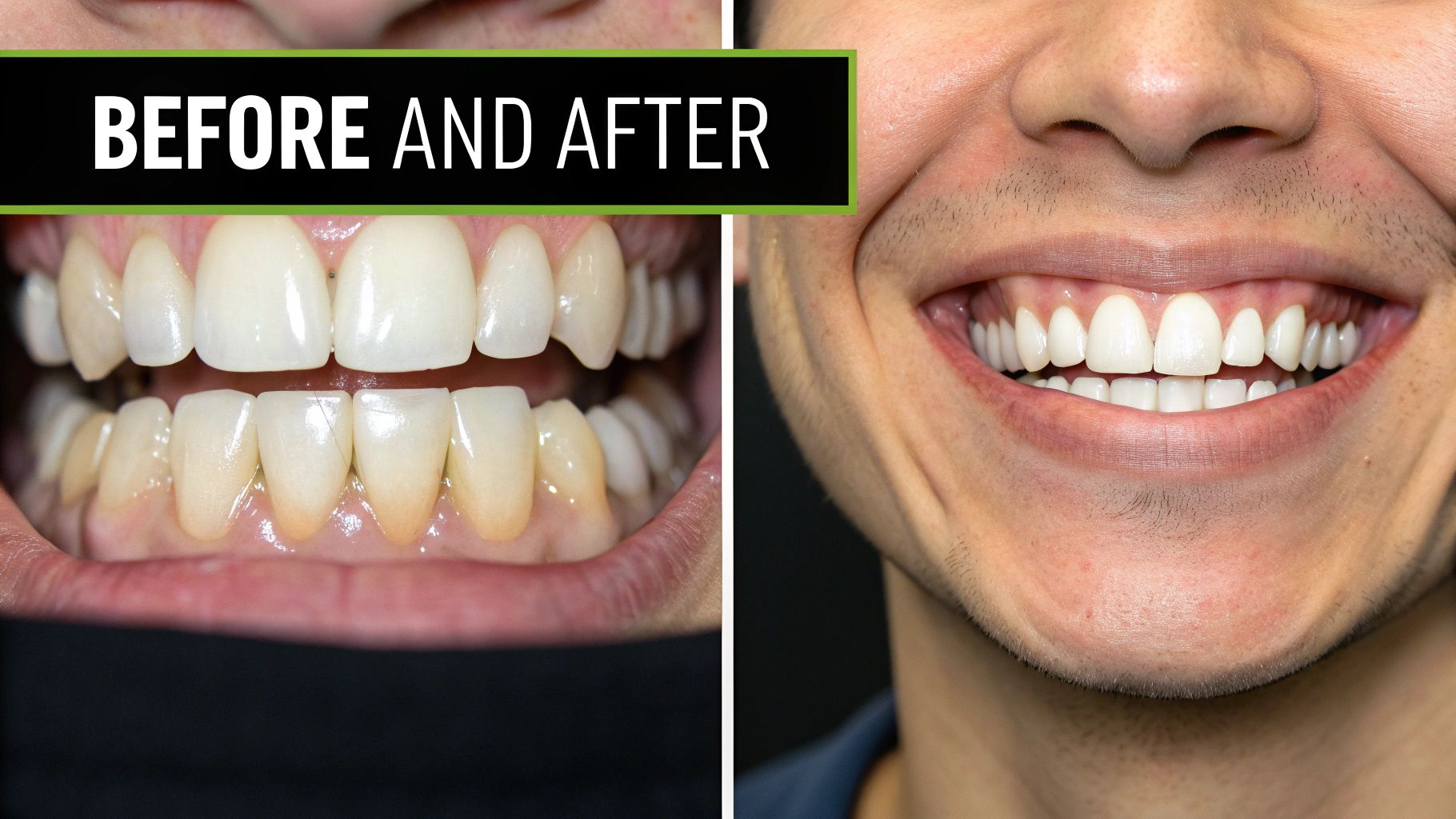
When patients start myofunctional therapy (MFT), they often discover benefits that go far beyond basic oral health. Many are surprised by how these simple exercises create positive changes in their daily lives. As they see real results, patients feel motivated to keep up with their practice routines.
Breathing Easier and Sleeping Soundly
One of the first changes patients notice is easier breathing. Those who previously relied on mouth breathing learn techniques to breathe through their nose instead. This switch to nasal breathing helps many sleep better at night, with less snoring and fewer sleep apnea episodes. As a result, patients wake up feeling refreshed and have more energy throughout their day.
Enhanced Speech and Swallowing
Clear speech and comfortable swallowing are key benefits of MFT. As patients strengthen their oral muscles, they often find they can speak more clearly and swallow without difficulty. For instance, children with speech delays or tongue thrust see major improvements in how they talk and eat. This boost in basic skills helps build their self-esteem and makes daily communication much easier.
A Healthier Smile and Facial Aesthetics
Many patients see physical changes that go beyond just function. Kids especially benefit from better jaw growth and alignment when muscle imbalances are fixed early. Adult patients often notice their facial muscles become more toned and balanced. While these appearance changes weren't the main goal, they're a welcome bonus that comes from fixing underlying muscle issues.
Improved Posture and Reduced Headaches
Patients often discover unexpected perks like better posture and fewer headaches. When MFT helps release tension in the head and neck area, it can ease chronic pain and help align the whole body. This shows how oral health connects to overall physical wellness, making MFT worth trying for anyone dealing with ongoing headaches or posture problems.
Long-Term Results and Patient Satisfaction
The real test of any treatment is how long the results last. Based on research and patient feedback, people who stick with their MFT exercises tend to keep their improvements over time. Success depends on doing the exercises regularly and making small lifestyle changes. Most patients find ways to work these simple exercises into their daily schedule, which helps them maintain better health long-term.
Finding Your Perfect Match: Selecting a Qualified Myofunctional Therapist
The search for a myofunctional therapist might feel overwhelming at first. Getting the right professional support can make all the difference in your treatment journey. Let's walk through how to find someone who's qualified, experienced, and well-matched to your needs.
Essential Credentials and Training
Your first step is checking credentials and training. A qualified myofunctional therapist needs proper certification from recognized training programs. Look for membership in the International Association of Orofacial Myology (IAOM), which shows their dedication to staying current with best practices. Think of this verification process like checking a dentist's license – it's a basic but crucial step in ensuring quality care.
Key Questions to Ask During Consultations
Your initial consultation is the perfect time to learn more about the therapist's approach. Ask specific questions about their experience with your condition, their success rates, and how they track progress. For instance, if you're seeking help for sleep apnea, find out how many similar cases they've handled and their typical outcomes. These conversations help you understand if their expertise matches your needs.
Evaluating Experience and Treatment Philosophy
Beyond years of practice, consider how the therapist approaches treatment. Some focus mainly on exercises, while others might include breathing techniques or posture work in their sessions. You might prefer someone who explains the science behind each exercise, or someone who takes a more practical, results-focused approach. The key is finding someone whose style helps you feel comfortable and motivated.
Practical Tips for Choosing the Right Therapist
- Check credentials: Make sure they have proper certification and professional memberships
- Review insurance coverage: Contact your insurance provider about coverage and network status
- Understand the treatment plan: Get clear details about session frequency, duration, and expected results
- Set realistic goals: Know that progress takes time and consistent practice
- Get recommendations: Ask your healthcare providers and trusted contacts for referrals
Take your time with this decision – rushing to pick a therapist rarely works out well. The right professional will understand your concerns, answer your questions clearly, and help create a treatment plan that fits your lifestyle and goals. When you find that match, you'll be well-positioned to start your myofunctional therapy journey with confidence.
Your Treatment Journey: From First Visit to Lasting Results

Starting myofunctional therapy can feel overwhelming at first. Let's walk through what you can expect at each stage of treatment – from your first appointment to maintaining your results long-term. Understanding this journey helps you get the most out of working with your therapist.
The Initial Evaluation: Understanding Your Baseline
Your first visit focuses on getting a clear picture of your current oral function. Your therapist will carefully examine how your tongue sits in your mouth, your swallowing patterns, and your breathing habits. They'll likely take photos or videos to document where you're starting from. This detailed assessment gives you both a reference point to measure your progress against as you move through treatment.
Developing a Personalized Treatment Plan
After your evaluation, your therapist creates a treatment plan that fits your specific needs. If you have tongue thrust, for example, you'll get exercises to build tongue strength and fix its position. The plan also tackles related issues like mouth breathing or thumb sucking that might be affecting your oral function. Your therapist will explain each exercise and make sure you understand how to do them correctly at home.
Progress Tracking and Adjustments
Your therapist checks your progress regularly and tweaks your exercises as needed. When you master one set of exercises, they'll introduce new challenges to keep you moving forward. For instance, once you've got your tongue exercises down, you might start working on lip strength or nose breathing. The key is steady practice – doing your exercises consistently helps create lasting changes in your muscle patterns.
Maintaining Long-Term Results: A Lifelong Commitment
The work doesn't stop when formal treatment ends. Your therapist will show you how to keep up your new healthy habits every day. This might mean doing maintenance exercises or paying attention to how you position your tongue and breathe throughout the day. These small but important actions help lock in your progress and prevent old patterns from creeping back in.
Ready to start your journey toward better oral function? myohab offers expert guidance and custom exercises to help you reach your goals and maintain them for the long run.

