
The Evolution of Myofunctional Orofacial Therapy

When myofunctional orofacial therapy (OMT) first emerged, it focused mainly on fixing muscle imbalances that affected teeth alignment. The early exercises were designed specifically to help improve orthodontic treatment outcomes. But over time, this field has grown in exciting new directions.
We now understand much more about how facial muscles connect to overall health. Research has shown the key roles that proper tongue position and nasal breathing play in basic functions like swallowing, speaking, and getting restful sleep. This deeper knowledge has led therapists to develop better techniques that look at the whole person.
The roots of myofunctional therapy trace back to early orthodontics in the 1900s. Dr. Alfred Rogers made a breakthrough in 1918 when he presented his work on muscle exercises at an orthodontics conference. He showed how facial muscles affect bone growth and why orthodontists needed to think beyond just straightening teeth. His pioneering research helped establish OMT as a way to improve orthodontic results and create balanced facial features. For more background on this therapy's history, check out this article from Dental Sleep Practice.
Modern Applications of OMT
Today's myofunctional therapy helps with many health issues:
- Sleep-disordered breathing: Better nasal breathing and less airway blockage help reduce sleep apnea and snoring
- TMJ problems: Special exercises can ease jaw pain and improve function
- Speech difficulties: Therapy helps fix speech problems and makes talking clearer
- Orofacial myofunctional disorders: Treatment corrects issues with tongue and lip position that affect basic functions
We keep learning more about how oral health connects to overall wellness. As research advances, we're finding new ways myofunctional therapy can help people feel better and function better. The field keeps growing to meet different health needs.
Building Your Dream Team: Healthcare Professionals in OMT
Working with the right team of specialists is crucial for success in myofunctional orofacial therapy (OMT). When multiple healthcare experts collaborate effectively, patients get better, more complete care that addresses all aspects of their condition.
Key Players in OMT
Your OMT journey may involve several specialists working together:
-
Myofunctional Therapists are at the heart of the treatment team. They evaluate muscle imbalances and guide patients through exercises to improve tongue position, swallowing, breathing and other core functions.
-
Dentists diagnose and treat dental issues connected to orofacial problems, like misaligned teeth. They work hand-in-hand with myofunctional therapists to coordinate care.
-
Orthodontists step in when significant bite problems need correction through braces or other devices. Their work pairs well with myofunctional therapy for the best results.
-
Speech-Language Pathologists (SLPs) help patients overcome speech and language challenges tied to muscle dysfunction. They focus on clear speech, proper pronunciation, and overall communication.
-
Dental Hygienists play a key role since they regularly examine patients' mouths and understand oral anatomy. Many can spot potential OMT issues early and either make referrals or provide some therapy elements themselves. Learn more about dental hygienists' expanding role in OMT.
-
Other Specialists: Depending on your needs, you may also work with ENTs, allergists, or sleep specialists to address related health concerns.
The Power of Collaboration
When specialists work together, patients get better results. For example, someone with sleep apnea benefits most when their myofunctional therapist, dentist, and sleep doctor create a coordinated treatment plan. This teamwork leads to better outcomes than treating each issue separately.
Clear communication between team members ensures everyone stays focused on the same goals. This coordination not only improves physical results but also makes treatment smoother and more satisfying for patients.
Choosing Your OMT Team
When looking for OMT providers, focus on finding qualified professionals who have experience working with other specialists. Look for those who actively promote team-based care and can show a history of successful outcomes. Pay attention to how well they communicate and their willingness to coordinate with your other healthcare providers. Taking time to find the right team significantly impacts your chances of achieving your treatment goals.
Health Conditions That Benefit From Orofacial Muscle Therapy (OMT)

Orofacial muscle therapy (OMT) helps improve many common health conditions by focusing on strengthening and retraining muscles in the face and mouth. This gentle, non-invasive approach offers real benefits for both children and adults.
Better Sleep and Breathing
OMT shows impressive results for people with sleep-disordered breathing, including sleep apnea and snoring. By teaching proper tongue position and nasal breathing techniques, OMT helps keep airways open during sleep. Many patients report better rest and less daytime tiredness after therapy, making it a good option alongside or instead of CPAP machines.
Balanced Facial Growth
Children and adults with facial development concerns often benefit from OMT. When tongue and mouth muscles don't work properly, it can lead to uneven growth of facial features. OMT exercises help balance these muscles, especially important in young patients to prevent the need for extensive orthodontic work later.
Relief for TMJ Pain and Speech Issues
People with TMJ disorders find that OMT exercises targeting jaw alignment can reduce pain and improve function. The therapy also helps those with speech problems caused by tongue placement issues or tongue-tie. Regular practice of specific muscle movements leads to clearer speech and better control.
Real Patient Success Stories
Research shows how OMT helps when other treatments fall short. For instance, one young patient who struggled with mouth breathing and focus saw major improvements after therapy – both academic performance and behavior got better.
| Condition | Main OMT Benefits |
|---|---|
| Sleep Problems | Less snoring, improved rest |
| Face Development | More balanced growth |
| TMJ Issues | Reduced pain, better jaw function |
| Speech Concerns | Clearer speaking ability |
Personal Treatment Plans
Every patient gets a unique OMT plan based on their specific needs. Therapists carefully assess each person's condition and create custom exercise programs. This focused approach helps fix both symptoms and root causes of muscle problems.
OMT offers practical help for many health issues by improving muscle function in the face and mouth. Whether someone needs better sleep, proper facial development, or improved speech, OMT provides gentle yet effective treatment that leads to lasting positive changes.
Your OMT Journey: From Assessment to Achievement
Myofunctional orofacial therapy (OMT) follows a clear path with definite steps to help improve your health. Like any journey, it starts with understanding where you are and where you want to go.
Initial Assessment: Charting Your Course
Your first meeting involves a detailed checkup by your therapist. They examine several key areas including your muscle function, breathing patterns, and tongue position. Using standard tests and careful observation, they create a therapy plan that matches your specific needs and health goals.
Customized Exercise Plans: Your Personal Path
After assessment, you'll receive specific exercises designed just for you. These focus on improving how you use your tongue, breathe through your nose, and strengthen facial muscles. For instance, if you tend to breathe through your mouth, you'll learn techniques for nasal breathing that can help reduce sleep problems.
- Main exercise areas include:
- Tongue strength and movement
- Nasal breathing practice
- Lip strength training
- Better swallowing habits
Tracking Progress: Measuring Growth
Your progress is checked regularly through both what you report and what your therapist observes. They look for improvements in muscle tone, breathing quality, and facial balance. Your feedback helps adjust exercises as needed.
| What We Check | How We Check |
|---|---|
| Muscle Function | EMG Tests, Visual Checks |
| Breathing | Breathing Tests, Sleep Studies |
| Facial Balance | Photo Analysis |
Staying Motivated: Meeting Challenges
Keeping up with therapy takes dedication. While everyone faces hurdles – like making time for exercises or getting techniques right – past success stories show that sticking with it works. Setting small goals and tracking your progress helps maintain drive.
Reaching Your Goal: Time to Celebrate
Finishing OMT marks an exciting moment, often celebrated as a "graduation day." This milestone means more than just completing therapy – it shows you've developed better breathing habits, improved posture, and enhanced overall wellness. Many find the benefits reach far beyond what they first expected, making daily life better in many ways.
Your OMT success story adds quality to your life through improved physical health and emotional wellbeing. Each step forward proves just how much positive change myofunctional orofacial therapy can bring.
Life-Changing Results: The Impact of Successful OMT

Myofunctional orofacial therapy (OMT) can dramatically improve both physical function and quality of life. Research and patient experiences show that successful OMT creates lasting positive changes that affect everything from facial appearance to overall wellbeing.
Better Daily Health
Better breathing and sleep are two of the most common benefits reported by OMT patients. Those with sleep-disordered breathing often notice higher energy levels and clearer thinking once they master proper nasal breathing techniques.
Research shows that 70% of patients have fewer sleep apnea symptoms after OMT, leading to better daytime alertness and mood. The positive effects continue well after the therapy sessions end.
Changes in Face and Mouth Function
Beyond internal health improvements, OMT creates visible changes in facial structure and function. Teaching proper tongue posture and muscle function helps create better facial symmetry and oral capabilities. This is especially important for children, since early OMT can guide proper facial growth and reduce the need for braces later.
Proper jaw alignment and stronger oral muscles also help reduce pain from TMJ disorders, making it easier and more comfortable to eat and speak.
Real Patient Stories
Patient experiences powerfully demonstrate OMT's impact. Take Sarah, who had severe TMJ pain that affected her daily life. After completing OMT, she could once again sing and speak in public without discomfort. Stories like hers show how the therapy helps people regain confidence and enjoy life more fully.
Key Benefits Overview
| Area | Changes | Results |
|---|---|---|
| Sleep and Breathing | Less snoring, better sleep quality | More energy and mental focus |
| Facial Features | Better symmetry and muscle tone | Increased confidence, reduced orthodontics |
| Mouth Function | Reduced TMJ pain, easier swallowing | More comfortable eating and speaking |
The targeted approach of myofunctional orofacial therapy creates lasting positive changes that improve both health and appearance. For those seeking real improvements in their daily life, OMT offers an effective path forward.
For expert guidance and personalized treatment plans, visit Myohab, where skilled therapists will help you achieve your health and appearance goals.
Launching Your OMT Success Story: Essential First Steps
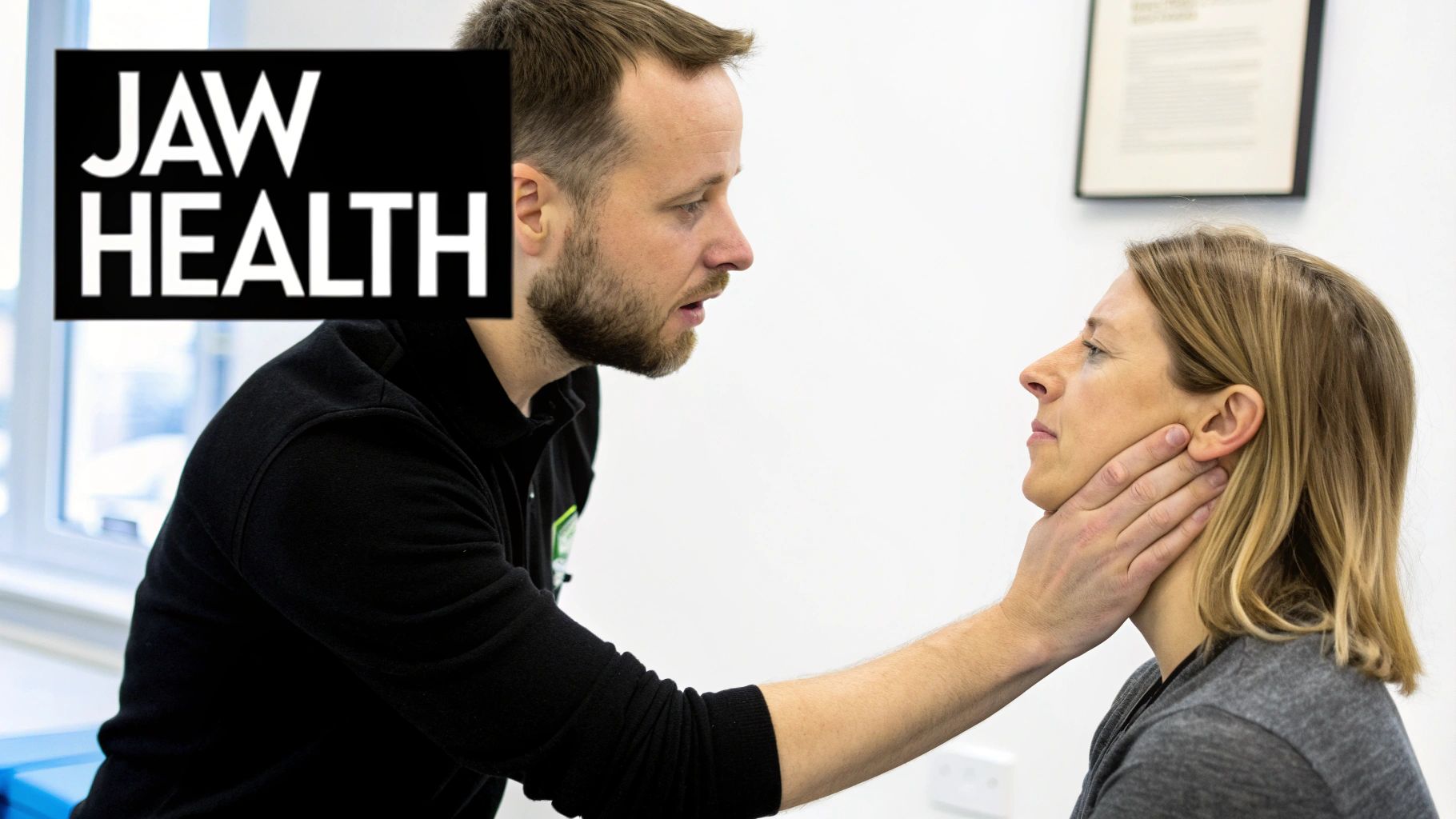
Starting myofunctional orofacial therapy requires careful planning and preparation. The right approach from the beginning helps create a smooth and successful experience.
Selecting the Right Myofunctional Therapist
Finding a qualified therapist is key to your success. Look for certified professionals who have worked with conditions like TMJ disorders, sleep apnea, or tongue ties. Schedule an initial meeting to discuss your needs and ensure a good fit. Consider these important factors:
- Professional Credentials: Check their training and specialty areas
- Past Patient Results: Read reviews from others with similar conditions
- Treatment Style: Make sure their methods match what you're looking for
Preparing for Initial Consultations
Getting ready for your first appointments helps make them more productive. Gather your medical history, especially anything related to oral health. Write down your symptoms and questions.
Before your visit:
- Note your daily symptoms and how they affect you
- List any treatments you've tried before
- Write down what you hope to achieve
Building Consistency and Support
Making therapy exercises part of your daily life takes planning, but it's worth the effort. Studies show that regular practice helps create lasting changes in muscle patterns. Stay on track by:
- Setting aside specific practice times each day
- Keeping a progress journal to see your improvements
- Getting family members involved for support and accountability
Practical Tips for Success
- Split exercises into shorter sessions throughout your day
- Use sticky notes or phone reminders for practice times
- Review and celebrate your progress regularly
For expert guidance in myofunctional therapy that focuses on better breathing, posture, and oral health for all ages, visit Myohab's personalized therapy programs.

