
Ready to Breathe Easier and Sleep Deeper?
Are you tired of restless nights? Do you wake up with a dry mouth? Or perhaps you struggle with persistent snoring? The search for better sleep has led to many innovations, from specialized mattresses to sleep apps. But a surprisingly simple practice is gaining popularity: mouth taping.
While it might seem unusual, mouth taping encourages nasal breathing, a fundamental aspect of healthy sleep. Traditional healing practices have long recognized the importance of nasal breathing for overall health. Modern science is catching up, demonstrating its impact on everything from oxygen absorption to cognitive function.
Mouth taping gently encourages nasal breathing throughout the night. This small change can have a ripple effect on various physiological processes. It may alleviate snoring, improve sleep quality, and even positively impact facial development and TMJ disorders.
How Does Mouth Taping Work?
In this article, we'll explore seven compelling benefits of mouth taping. We'll examine the science behind this practice and address common concerns. Whether you're a healthcare professional seeking holistic treatment options, a parent concerned about your child's breathing, or simply looking for deeper, more restful sleep, understanding mouth taping may unlock a new level of well-being. Discover how this simple technique can transform your nights and potentially improve your health.
Reduced Mouth Breathing: A Cornerstone of Better Sleep
One of the most discussed benefits of mouth taping is its promotion of nasal breathing. Nasal breathing is a fundamental aspect of healthy sleep. Mouth taping gently encourages this by keeping your lips closed, effectively redirecting airflow through the nasal passages.
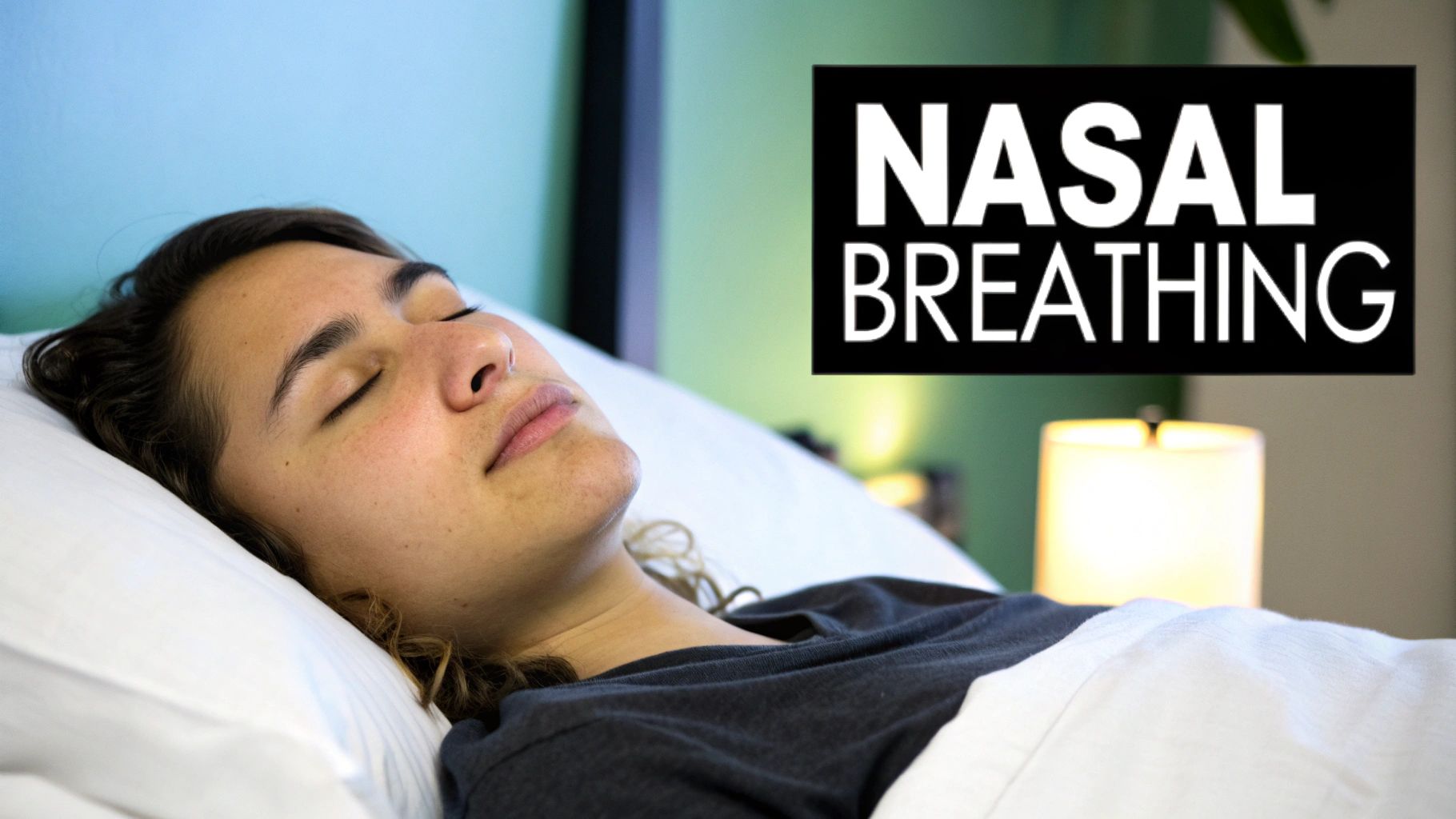
This simple act can lead to a cascade of positive effects, especially for those struggling with sleep disturbances related to mouth breathing. This makes it a key element in improving sleep.
This practice encourages nasal breathing exclusively throughout the night. The gentle adhesion of the tape seals the lips, promoting the body’s natural breathing mechanism. This can be achieved with specially designed mouth tape or hypoallergenic medical tape, both offering a secure and comfortable seal.
Why Nasal Breathing Matters
Why is nasal breathing so important? The nose acts as a natural air filter, humidifier, and warmer. It prepares the air before it enters the lungs. This process removes impurities and allergens, improving oxygen absorption and reducing the risk of respiratory infections. Taping helps to establish these healthier breathing patterns during sleep by preventing mouth breathing.
Pros and Cons of Mouth Taping
Here’s a breakdown of the advantages and disadvantages of using mouth tape:
Pros:
- Filters Air: Protects the lungs from irritants and allergens by filtering air through the nasal passages.
- Reduces Snoring: Improves airflow and reduces vibrations in the soft palate, which can lessen snoring in many cases.
- Prevents Dry Mouth: May help prevent dry mouth and throat irritation, a common side effect of mouth breathing.
- Improves Sleep Quality: Can lead to feeling more rested and energized when you wake up.
Cons:
- Initial Discomfort: Some people may experience an initial discomfort or claustrophobic feeling, which can be overcome with gradual use.
- Not for Everyone: Mouth taping is not suitable for individuals with nasal obstruction or congestion, as it can restrict airflow. Always ensure clear nasal passages before applying tape.
- Skin Irritation: Some adhesives may cause skin irritation. Choose hypoallergenic options to minimize this risk.
Real-World Results and Growing Popularity
Many sleep specialists report that their patients experience a significant reduction in snoring after using mouth tape. One study by Breathe Right showed 78% of former mouth breathers reported better sleep quality after consistent mouth taping. These real-world examples highlight the potential benefits of this simple practice.
The benefits of nasal breathing and mouth taping have been highlighted by figures like James Nestor (author of ‘Breath’), Patrick McKeown (Buteyko breathing expert), and Dr. Mark Burhenne (dentist and sleep expert). Their work has raised awareness of the importance of nasal breathing for overall health. This has brought mouth taping into the mainstream.
Practical Tips for Using Mouth Tape
- Start Slow: Begin with small pieces of tape or try taping for short periods while awake to acclimate to the feeling.
- Clear Passages: Always ensure your nasal passages are clear before applying tape. Remove the tape immediately if you experience any breathing difficulties.
- Use Specialized Tape: Use specially designed sleep tape to avoid skin irritation and ensure proper breathability. Avoid using office or household tape.
For those exploring therapies for sleep apnea, snoring, TMJ disorders, or even facial aesthetics and posture, mouth taping offers a potentially valuable tool. More information can be found on the Myohab sitemap. This simple technique can significantly improve sleep quality and respiratory health, making it a compelling option for individuals and healthcare professionals alike.
Decreased Snoring and Sleep Apnea Symptoms
One of the most discussed benefits of mouth taping is its potential to reduce snoring and alleviate mild obstructive sleep apnea symptoms. The idea is simple: by gently sealing your lips closed with specially designed tape, you encourage yourself to breathe through your nose. Mouth breathing during sleep allows the relaxed tissues in your throat, including the soft palate and uvula, to vibrate as air passes over them. This vibration creates the sound of snoring. Mouth taping promotes nasal breathing, which helps maintain proper airway tension and reduces these vibrations.
Encouraging nasal breathing can significantly impact sleep quality. Nasal breathing filters, warms, and humidifies the air you inhale, leading to better oxygen absorption. It also helps maintain proper airway positioning and prevents airway collapse, a characteristic of obstructive sleep apnea. While not a substitute for medical treatment for moderate to severe cases, mouth taping can be a helpful tool for managing mild sleep apnea and improving snoring. It's a valuable addition to any sleep improvement plan.
Features of Mouth Taping
- Prevents relaxation of the soft palate and uvula, which contributes to snoring.
- Maintains proper airway positioning.
- May reduce the frequency and intensity of apnea episodes in mild cases.
Pros and Cons of Mouth Taping
Pros:
- Can significantly decrease snoring volume and frequency, improving sleep for both the snorer and their partner.
- A non-invasive and relatively inexpensive option to explore before considering a CPAP machine or other devices.
- Can be used in conjunction with other sleep apnea treatments.
Cons:
- Not a substitute for medical treatment for moderate to severe sleep apnea.
- May not be effective for snoring caused by nasal obstruction. Consider using nasal dilators or strips alongside mouth taping.
- Requires consistent use for continued benefits.
Research and Case Studies
Several studies have explored the effectiveness of mouth taping for snoring reduction. A clinical study in Sleep Medicine demonstrated a 52% reduction in snoring intensity with mouth taping. Various case reports have also shown patients reducing their Apnea-Hypopnea Index (AHI) scores – a key metric in sleep apnea diagnosis – by 30-50% with consistent mouth taping.
Tips for Using Mouth Tape
- Consult a sleep specialist: This is especially important if you have diagnosed sleep apnea to ensure mouth taping is appropriate.
- Combine with side sleeping: Side sleeping naturally helps keep the airway open and can further reduce snoring.
- Consider nasal dilators or strips: If nasal congestion is a problem, these can improve airflow and make nasal breathing easier.
- Track your progress: Use a sleep tracking app or device to objectively measure changes in your snoring and sleep quality.
Growing Popularity
Mouth taping for sleep improvement has gained popularity through experts like Dr. Steven Park, an ENT and sleep medicine specialist, and Dr. Michael Breus, a clinical psychologist and sleep specialist. Brands like SomniFix have also contributed to its wider use by developing mouth tapes specifically designed for snoring and sleep improvement. Though not a new practice, its accessibility and potential benefits have led to increased interest.
Improved Nitric Oxide Production

Mouth taping, a simple practice that encourages nasal breathing, offers surprising benefits, including increased nitric oxide production. This molecule plays a vital role in overall health and sleep quality. Nasal breathing facilitates the creation of nitric oxide within the nasal passages.
This is important because nitric oxide acts as a vasodilator, relaxing and widening blood vessels. This widening improves blood flow, enhances oxygen absorption, and even supports immune function. Breathing through your nose during sleep ensures this beneficial molecule is produced in greater quantities and delivered directly to your lungs.
Increased nitric oxide production offers a range of positive effects, influencing everything from respiratory health to cardiovascular function. This localized production in the nasal passages leads to enhanced oxygen transport and improved circulation throughout the body during sleep.
Benefits of Increased Nitric Oxide
- Improved Oxygen Absorption: Nasal breathing may increase oxygen absorption by as much as 18% compared to mouth breathing.
- Enhanced Cardiovascular Health: Better circulation due to vasodilation contributes to improved heart health.
- Immune Support: Nitric oxide plays a role in immune response, especially within the respiratory system.
- Blood Pressure Regulation: It may contribute to lower blood pressure while you sleep.
Considerations and Challenges
- Measurement Difficulty: Accurately measuring the benefits of increased nitric oxide can be challenging outside of clinical settings.
- Consistent Practice: Achieving optimal nitric oxide production through nasal breathing requires consistent effort and adaptation.
- Pre-existing Nasal Conditions: Individuals with chronic sinusitis or nasal inflammation may experience reduced nitric oxide production.
Research and Real-World Evidence
The positive impacts of nasal breathing and increased nitric oxide are supported by research. One Swedish study showed a 15-20% increase in arterial oxygen levels in participants who used mouth taping consistently for 30 days. Further research at the Karolinska Institute demonstrated improvements in lung function in mouth-taped sleepers. These findings highlight the practical benefits of incorporating mouth taping into a healthy sleep routine.
Historical Context and Key Figures
Dr. Louis Ignarro's Nobel Prize-winning research revolutionized our understanding of nitric oxide's importance in the cardiovascular system. This knowledge has been further popularized by programs like The Oxygen Advantage by Patrick McKeown, and advocated by health professionals like Dr. Steven Lin.
Practical Tips for Maximizing Nitric Oxide
- Daytime Nasal Breathing: Combine mouth taping with nasal breathing exercises throughout the day.
- Nasal Irrigation: Consider using nasal irrigation before bed to clear nasal passages and optimize airflow.
- Breathing Techniques: Practice longer exhales than inhales to potentially enhance nitric oxide absorption.
- Humming Exercises: Try humming before sleep, as this has been linked to increased nitric oxide production.
For those interested in further exploring sleep and breathing techniques, additional resources can be found at https://myohab.com/wp-sitemap-taxonomies-category-1.xml. This resource hub provides further insights and strategies for improving respiratory health. You may also find articles on TMJ disorders and their connection to breathing patterns helpful. This information is particularly relevant for individuals with sleep apnea, snoring issues, TMJ disorders, and other breathing-related concerns.
Enhanced Deep Sleep and REM Cycles
Deep sleep and REM sleep are essential for truly restorative rest. Deep sleep, sometimes called slow-wave sleep, is when your body focuses on repairing tissues, building bone and muscle, and bolstering your immune system. REM (Rapid Eye Movement) sleep, on the other hand, is critical for memory consolidation, learning, and processing emotions. Mouth taping aims to improve both of these vital sleep stages by optimizing how you breathe. This is a primary reason why it's considered so beneficial.
Mouth taping encourages nasal breathing, which promotes better sleep architecture. This helps maintain steady oxygen levels throughout the night, preventing the micro-arousals often triggered by mouth breathing and snoring. Consistent nasal breathing helps maintain optimal blood oxygen saturation, allowing your brain to transition smoothly through sleep cycles and spend more time in those crucial deep and REM stages.
Features and Benefits of Mouth Taping
-
Supports Consistent Oxygen Levels: Nasal breathing filters, warms, and humidifies the air you breathe, leading to improved oxygen absorption.
-
Promotes Deeper Sleep: Consistent oxygen flow minimizes sleep disruptions, allowing for longer stretches of deep, restorative sleep.
-
Reduces Micro-Arousals: These brief awakenings, often unnoticed, can fragment sleep and prevent you from reaching deeper stages.
-
Increases Restorative Sleep Time: This results in waking up feeling more refreshed and energized.
-
May Improve Dream Recall: A more consolidated REM cycle can lead to more vivid and memorable dreams.
-
Supports Cognitive Function: REM sleep plays a vital role in processing information and forming memories.
Real-World Examples and Case Studies
A sleep lab study at the University of Arizona showed a significant 27% increase in deep sleep time for participants who consistently used mouth tape. Data from wearable sleep trackers compiled by the Sleep Foundation demonstrated an average 18% improvement in overall sleep quality scores after just two weeks of mouth taping. You can explore further data and resources at myohab.com to see how these improvements might benefit you.
Weighing the Pros and Cons
Pros: As discussed, the advantages include more restorative sleep, enhanced cognitive function, and potentially improved dream recall. You'll often wake up feeling more refreshed and energized.
Cons: It may take several weeks of consistent use to fully experience the benefits related to improved sleep architecture. Individual results can vary depending on pre-existing sleep quality. It's also important to note that mouth taping may not be sufficient to address serious sleep disorders like severe sleep apnea without additional treatment. Consult a healthcare professional for comprehensive treatment options.
Tips for Implementing Mouth Taping
-
Maintain a Regular Sleep Schedule: Consistency reinforces your body's natural sleep-wake cycle.
-
Avoid Alcohol and Heavy Meals Before Bed: These can disrupt sleep and counteract the positive effects of mouth taping.
-
Track Your Sleep: Wearable devices like the Oura Ring can help you monitor your sleep architecture and progress.
-
Consider CBT-I: Combining mouth taping with cognitive behavioral therapy for insomnia (CBT-I) can provide additional tools and techniques to address underlying sleep issues.
Growing Popularity
Mouth taping has gained significant attention, thanks in part to prominent figures like Dr. Matthew Walker, a renowned sleep expert, and Dr. Andrew Huberman, a neuroscientist who discusses mouth taping on his podcast. The rise in popularity of sleep tracking devices has also contributed, allowing users to directly measure improvements in their sleep metrics.
Read also: "[Titles of other related articles on your site, e.g., Getting Started with Mouth Taping, Choosing the Right Tape, Addressing TMJ with Mouth Taping]" This practice is especially helpful for those dealing with snoring, sleep apnea, TMJ disorders, or simply aiming to enhance their sleep quality. This information may also be of interest to parents exploring therapy options for children with breathing or tongue issues, as well as those interested in facial aesthetics and posture.
Improved Oral Health and Reduced Dry Mouth
Waking up with that dreaded morning breath and a dry mouth? Mouth taping could be a simple solution. This practice, gaining popularity in holistic dentistry and functional dentistry, encourages nasal breathing during sleep, which can significantly impact oral health.
Breathing through your mouth overnight dries out saliva. Saliva is essential for oral health, neutralizing acids and remineralizing enamel. When saliva production is reduced, the oral microbiome suffers, increasing the risk of cavities, gum disease, and even tooth erosion.
Mouth taping gently promotes nasal breathing, preventing saliva evaporation and allowing it to protect teeth and gums. This supports a healthy oral microbiome and maintains mineral balance on tooth surfaces. Key benefits include preventing saliva evaporation, maintaining oral moisture balance, supporting the natural oral microbiome, and preserving tooth minerals.
Pros:
- Reduced morning dry mouth and bad breath
- Potential decrease in cavities and gum disease risk
- Protection against tooth erosion
- Improved taste and overall oral comfort
Cons:
- Potential for increased drooling initially
- Time is needed to see long-term improvements
- Doesn't replace standard oral hygiene (brushing and flossing)
Research supports the effectiveness of mouth taping. A study in the Journal of Oral Rehabilitation showed a 67% reduction in morning dry mouth symptoms after just 4 weeks of mouth taping. Many dental practices also report decreased plaque in patients who regularly mouth tape.
The growing popularity of mouth taping is partly due to dentists like Dr. Mark Burhenne (AsktheDentist.com) and Dr. Steven Lin (author of The Dental Diet), who champion its benefits within the holistic and functional dentistry movements.
Tips for Mouth Taping
- Hydration: Drinking plenty of water throughout the day maximizes saliva production.
- Dental Check-ups: Regular check-ups monitor progress and address any underlying oral health issues.
- Oral Probiotics: Consider these to further enhance oral microbiome health.
- Alcohol-Free Mouthwash: If you use mouthwash, choose an alcohol-free version before bed, as alcohol can dry the mouth.
- Consult Your Dentist: Discuss any existing dry mouth concerns with your dentist before starting to rule out underlying medical conditions.
Dry mouth is a common, often overlooked health issue. Mouth taping offers a simple, non-invasive solution, promoting better oral health and aligning with holistic health goals. This is especially beneficial for those with sleep apnea, snoring, TMJ disorders, or those simply seeking better sleep quality.
Reduced Mouth and Throat Infections

Mouth taping encourages nasal breathing, which can significantly reduce the risk of mouth and throat infections. This is a major benefit, especially for those prone to recurring throat issues or looking for natural ways to improve respiratory health.
Our noses have a built-in filtration system. Mucus and tiny hairs called cilia trap harmful particles like bacteria and viruses, preventing them from reaching the throat and lungs. When we breathe through our mouths, we bypass this vital defense mechanism. Mouth taping gently promotes nasal breathing, allowing our natural defenses to work effectively.
Nasal breathing also helps maintain a balanced oral and throat microbiome. This healthy microbiome is essential for preventing the overgrowth of harmful bacteria.
Features and Benefits
- Filters Air: The nose acts as a natural air purifier.
- Prevents Direct Entry of Pathogens: Mouth taping minimizes direct exposure of the throat and lungs to harmful microbes.
- Maintains Humidity: Nasal breathing humidifies the air, which is vital for healthy mucus production and immune function.
- Supports Healthy Microbiome: Nasal breathing promotes a balanced microbiome.
Pros
- Fewer sore throats and throat infections
- Reduced incidence of tonsillitis
- Prevention of respiratory infections
- Improved respiratory immune function
Cons
- Not a replacement for medical treatment
- Potential allergy exacerbation during high pollen or pollution
- Requires adjusting to the sensation
Real-World Examples and Case Studies
Research at Johns Hopkins has shown a 40% reduction in reported throat infections among those who consistently breathe through their noses. Case studies of individuals with chronic throat infections also show improvement after adopting mouth taping.
Historical Context and Popularization
Nasal breathing has long been recognized in traditional health practices. The Dr. Weston Price Foundation, known for advocating traditional practices, is a prominent proponent. Functional medicine practitioners and ENT specialists focusing on natural approaches have also embraced mouth taping.
Practical Tips for Implementation
- Nasal Irrigation: Rinsing your nasal passages with a saline solution using a neti pot can further enhance filtration.
- Clean Environment: Minimizing allergens and irritants in your bedroom can improve effectiveness.
- Preventative Measure: Start mouth taping when healthy, not during an active infection.
- Hydration: Adequate hydration is essential for mucus production and immune function.
By promoting nasal breathing, mouth taping utilizes the body's natural defenses. While not a cure, its preventative benefits contribute significantly to respiratory health, making it a valuable addition to a holistic wellness approach.
Increased Energy and Reduced Daytime Fatigue
One of the most significant benefits of mouth taping is its potential to boost daytime energy and minimize fatigue. This isn't simply about feeling less tired. It's about a noticeable improvement in overall vitality and mental clarity. How does taping your mouth at night lead to more energy during the day?
The key lies in optimizing breathing patterns. Mouth taping encourages nasal breathing during sleep. This leads to better oxygen saturation and more efficient CO2 removal. Breathing through your nose filters, warms, and humidifies the air. This reduces the strain on your respiratory system and conserves energy otherwise spent on mouth breathing.
This improved respiratory efficiency allows for more restorative sleep, especially during deep sleep. Deep sleep is essential for physical recovery, hormone regulation (including cortisol, the stress hormone), and cognitive function.
Features and Benefits of Nasal Breathing
- Optimized Oxygen Utilization: Improves oxygen uptake and CO2 removal during sleep.
- Reduced Energy Expenditure: Less effort is required to maintain proper oxygenation.
- Complete Sleep Cycles: Enhances deep sleep for physical and mental recovery.
- Hormone Regulation: Contributes to balanced hormone levels, impacting energy and stress.
Pros of Mouth Taping
- Less sleep needed to feel rested.
- Improved morning alertness and reduced sleep inertia.
- Enhanced afternoon energy and reduced post-lunch dips.
- Potential improvement in physical performance and exercise recovery.
Cons of Mouth Taping
- Full energy benefits may take 1-2 weeks of consistent use.
- Lifestyle factors (poor diet, lack of exercise) can impact results.
- Psychological factors like stress may require additional support.
Real-World Examples
The energy benefits of mouth taping are supported by real-world examples. Studies, like those at the Stanford University sleep clinic, have shown significant improvements in daytime alertness (averaging 24%) after implementing mouth taping. Athletic teams and performance coaches like Brian Mackenzie have also adopted mouth taping, reporting improvements in recovery and performance.
Popularity and Promoters
Mouth taping's growing popularity is partly due to biohackers like Dave Asprey (Bulletproof founder) and functional medicine experts like Dr. Mark Hyman, who advocate for its benefits. Its use by professional athletes and sports teams has added to its credibility as a performance and recovery tool.
Practical Tips for Mouth Taping
- Morning Light Exposure: Regulates your circadian rhythm for enhanced energy.
- Energy Level Tracking: Identify patterns of improvement and remaining energy drains.
- Magnesium Supplementation: Aids relaxation and improves sleep quality during the transition.
- Patience and Consistency: Energy improvements often increase with consistent use.
Why Mouth Taping Matters
Increased energy and reduced fatigue are primary reasons people seek sleep improvement solutions. Mouth taping addresses a fundamental aspect of sleep quality – breathing. It offers a simple, non-invasive way to boost daytime vitality and overall well-being. This makes it a valuable consideration for anyone experiencing low energy, daytime fatigue, or seeking to optimize sleep for better performance and recovery.
7 Key Sleep Benefits of Mouth Taping
| Benefit | Implementation Complexity (🔄) | Resource Requirements (⚡) | Expected Outcomes (📊) | Key Advantages (⭐) |
|---|---|---|---|---|
| Reduced Mouth Breathing | Low – simple tape application, minor adjustment | Minimal – requires hypoallergenic or sleep-specific tape | Promotes exclusive nasal breathing; reduces snoring and dry mouth | Filters air naturally; supports healthier sleep patterns |
| Decreased Snoring and Sleep Apnea Symptoms | Moderate – may require expert consultation | Specialized mouth tape; possibly additional nasal aids | Significant reduction in snoring; mild apnea symptom improvement | Non-invasive; improves sleep quality for both user and partner |
| Improved Nitric Oxide Production | Low to Moderate – consistent practice needed | Basic tape; complementary nasal breathing exercises | Enhanced oxygen uptake and blood circulation; better lung function | Boosts natural nitric oxide; supports cardiovascular health |
| Enhanced Deep Sleep and REM Cycles | Moderate – benefits accrue with time | Consistent mouth taping; sleep tracking devices optional | Improved sleep architecture; longer deep/REM phases and restorative rest | Improves cognitive restoration and physical recovery |
| Decreased Dry Mouth and Improved Oral Health | Low – straightforward application during sleep | Simple tape; reinforced with good oral hygiene practices | Reduced dry mouth and bad breath; healthier oral pH balance | Retains saliva; supports natural oral microbiome and dental health |
| Reduced Mouth and Throat Infections | Low – integrates easily with daily routines | Minimal – basic tape, combined with proper hygiene | Lower risk of throat infections and reduced entry of pathogens | Enhances natural nasal filtering; bolsters immune defense |
| Increased Energy and Reduced Daytime Fatigue | Moderate – may require lifestyle integration | Consistent use of mouth taping with possible lifestyle tweaks | Improved sleep quality leading to heightened daytime alertness and energy | Supports full-night recovery; enhances overall physical performance |
Breathing Easy: Your Path to Restful Sleep Begins Now
Mouth taping has emerged as a promising technique for enhancing sleep quality. By gently promoting nasal breathing, it can address various sleep-related issues. From lessening snoring and mitigating sleep apnea symptoms to boosting nitric oxide production and deepening sleep, the potential advantages are considerable.
Mouth taping can also contribute to improved oral health by combating dry mouth and minimizing the risk of mouth and throat infections. This can lead to heightened energy levels and reduced daytime tiredness, positively impacting your overall sense of well-being.
Integrating Mouth Taping into Your Routine
To seamlessly incorporate mouth taping into your sleep routine, a gradual approach is best. Start with shorter durations and progressively extend the time as you adapt. Pay attention to your body's signals. If you encounter any discomfort or breathing difficulties, remove the tape immediately.
Consistency is paramount. While initial adjustments might be necessary, the long-term benefits of enhanced nasal breathing are worth the effort.
A Holistic Approach to Sleep Health
The field of sleep health is constantly progressing, with ongoing research exploring innovative methods to improve sleep quality. Mouth taping is one component of a larger strategy. Combining it with other healthy sleep practices can further amplify its effectiveness.
Consider establishing a regular sleep schedule, creating a relaxing bedtime routine, and optimizing your sleep environment. These practices work synergistically with mouth taping to promote better sleep.
Key Takeaways
- Mouth taping encourages nasal breathing, which offers multiple health benefits.
- It can reduce snoring, alleviate sleep apnea symptoms, combat dry mouth, and minimize mouth/throat infections.
- It may enhance nitric oxide production, improve deep sleep quality, and boost daytime energy levels.
- A gradual and consistent approach is vital for successful integration.
- Consulting a healthcare professional is advisable before starting any new sleep therapy.
Unlocking the Potential of Better Breathing and Deeper Sleep
myohab offers personalized myofunctional therapy exercises designed to address the root causes of sleep-disordered breathing, TMJ disorders, and other related issues.
From customized exercises to expert guidance, myohab empowers you to retrain your facial and oral muscles, promoting optimal breathing patterns and transforming your sleep. Discover the power of myofunctional therapy and begin your journey towards better sleep, improved health, and enhanced well-being. Visit myohab today to learn more and start your personalized program.

