
Understanding the Science Behind Mewing Transformations
The foundation of mewing lies in proper tongue posture and its fascinating interaction with key facial bones. Your tongue acts like a natural brace when positioned correctly against the roof of your mouth. This placement creates gentle but steady pressure on the maxilla (upper jaw) and influences the mandible (lower jaw).
Over time, particularly in younger people whose bones are still developing, this pressure can guide bone development. Rather than creating new bone tissue, mewing helps direct growth patterns – encouraging the maxilla to develop in a forward direction. When the upper jaw moves forward properly, it often leads to better jaw definition and facial balance. A major benefit is that mewing naturally promotes nasal breathing, which supports both facial development and overall health.
The Role of Consistent Practice in Mewing
Like building any habit, the key to seeing results with mewing is consistency. Brief or irregular practice won't create meaningful changes. You need to maintain proper tongue posture regularly to encourage gradual bone remodeling. The timeline for visible changes varies significantly between individuals. Some people notice subtle improvements in as little as 14 days, while more obvious changes typically emerge after 3 to 6 months. Full results can take up to two years to develop. Age plays a big role – children and teens often see faster changes since their bones are still growing, while adults need more patience and dedication. Learn more about transformation timelines here.
Mewing vs. Traditional Approaches
While traditional orthodontic treatments rely on external devices like braces to fix misalignment, mewing takes a different path. It aims to address root causes – specifically incorrect tongue position and mouth breathing patterns. By teaching the tongue to rest naturally against the palate, mewing supports proper facial development. This approach can sometimes reduce the need for more invasive treatments. While mewing shouldn't replace necessary orthodontic care, it can work alongside traditional methods, especially for those interested in natural, preventive options.
Real Success Stories: Transformations That Inspire

Stories of real people who've seen results can be incredibly motivating when starting your mewing journey. Let's look at some genuine experiences from folks who stuck with proper tongue posture and saw meaningful changes. Their stories show what's possible with dedication and proper technique.
A Closer Look at Individual Transformations
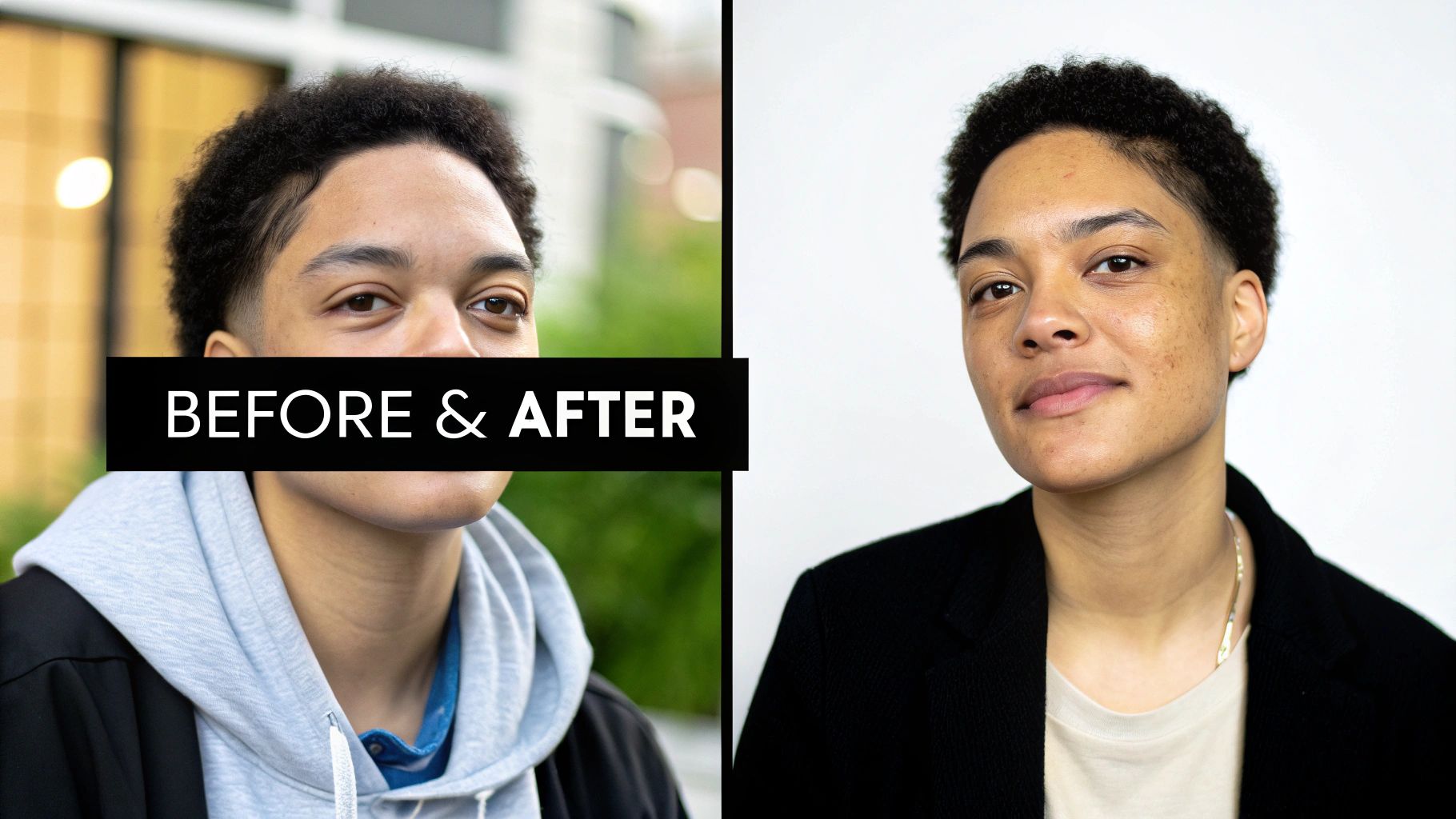
One person's year-long journey stands out – they documented clear improvements in their jawline definition through consistent practice. Their before and after photos show a more defined chin and less fat under it. Another success story focuses on facial balance, where regular mewing helped align their facial features more evenly. You might want to check out: How to master mewing.
The Power of Long-Term Commitment to Mewing
The most striking changes often come after months or years of steady practice. One detailed case study tracked changes over three years, showing:
- A stronger, more defined jawline
- Better chin projection
- More prominent cheekbones
- Changes in the gonial angle (where the jaw meets the ear)
Want to see more examples? Check out this detailed transformation story here.
Challenges and Breakthrough Moments
Let's be real – mewing isn't always easy. Many people struggle at first with keeping their tongue in the right spot or dealing with some initial discomfort. But those who stuck with it and got help when needed often saw the best results. Learning from others' experiences can help you avoid common pitfalls and stay motivated.
Beyond Aesthetics: The Whole-Body Benefits
While many start mewing for aesthetic reasons, the benefits often go deeper. People regularly report:
- Better breathing patterns
- Less snoring
- Improved sleep quality
- Better overall comfort
These wider benefits make mewing worth considering as more than just a facial exercise – it's a practice that can improve your daily life in several ways.
Mapping Your Transformation Timeline

Starting mewing takes time and realistic expectations. Let's look at what changes you might see during your mewing journey, how to track your progress, and ways to stay motivated along the way.
Early Stages: Building the Foundation (0-3 Months)
The first few months focus on learning proper tongue posture. At first, it feels strange – like learning a new skill. You're teaching your tongue a new resting spot, which takes daily practice. Don't expect visible changes yet. Instead, work on making the technique feel natural and automatic.
Subtle Shifts and Increased Awareness (3-6 Months)
Around the six-month point, small improvements may appear. You might notice your palate feels different or your teeth align slightly better. These small wins show that your tongue's steady pressure is working. Taking regular photos helps track these tiny changes that are hard to spot day-to-day.
Emerging Definition and Growing Confidence (6-12 Months)
After a year of consistent practice, more noticeable changes often appear. Many people report a sharper jawline, better facial balance, or less fullness under the chin. These visible results help keep you going. Remember though – everyone's results happen at their own pace. Real success stories back this up. One 16-year-old who mewed for over a year saw big improvements in jaw definition and chin appearance. They credited steady practice and proper swallowing. Another person only noticed their improved jaw shape and cheek hollows after mewing for nearly two years. Learn more about these journeys at Mewing App.
Long-Term Refinement and Maintenance (12+ Months)
Past the one-year mark, mewing becomes second nature. Keep practicing to maintain your results and possibly see more subtle changes. Add good breathing habits and mindful chewing to boost your progress. Remember the mental side too – celebrate your wins big and small, and connect with others in the mewing community for support and inspiration.
Overcoming Common Obstacles to Success
Let's talk about the real challenges that come up when practicing mewing and how to handle them effectively. Getting the technique right takes time and practice, but understanding these common hurdles will help you stay on track.
Tongue Positioning Challenges
Getting your tongue position right can feel awkward at first. The goal is to rest your entire tongue against the roof of your mouth – including that tricky back portion. If you've spent years with your tongue resting down, this new position might feel strange or even impossible at first.
Many people also experience jaw and neck tension when starting out. This discomfort is normal but needs attention to prevent it from becoming a bigger issue. Taking breaks and being gentle with yourself in the beginning helps tremendously.
Breathing and Swallowing Difficulties
Nasal breathing is a key part of mewing, but it's not always easy. If you deal with allergies or congestion, breathing through your nose while keeping proper tongue position can feel like quite a challenge. Start by practicing when your airways are clear and gradually build up your comfort level.
Swallowing with your tongue pressed up can also feel strange at first. You might need to modify how you swallow to work with this new tongue position. Think of it like learning any new physical skill – it takes practice to feel natural.
Maintaining Proper Form Throughout Daily Activities
The real test comes when trying to keep good form during everyday activities. Speaking, eating, and especially sleeping can make it hard to maintain proper tongue position. Many people find their tongue dropping back to old habits during sleep.
The key is building new habits slowly. Start by checking your tongue position during specific daily activities, then gradually expand to longer periods.
Recognizing and Correcting Issues
Pay attention to warning signs like jaw pain, headaches, or breathing difficulties – they're your body's way of saying something needs adjustment. Making small corrections early prevents bigger problems later. You might find helpful information in this guide about How to master mewing.
Practical Solutions and Tips
Here's what really works when facing these challenges:
- Take it slow: Start with short periods of correct positioning and build up gradually
- Set reminders: Use your phone to check your tongue position throughout the day
- Build strength: Do simple tongue exercises to improve control and endurance
- Get help: Work with a myofunctional therapist if you're struggling
- Keep perspective: Remember that lasting changes take time
Understanding these common roadblocks helps you approach mewing with realistic expectations. Focus on steady progress rather than perfection, and you'll see positive changes over time. Remember, everyone's journey looks different – what matters is finding what works for you.
Securing and Enhancing Your Results

Getting those first noticeable changes in your mewing before and after photos feels great. But the real challenge? Making those improvements stick around for good. It's about turning mewing into something as natural as breathing.
Making Mewing a Lifestyle
Think about how you learned to ride a bike. At first, you had to focus on every little move. Now you just hop on and go. Mewing works the same way – with time and practice, it becomes second nature. Just like brushing your teeth became a habit you don't think about, mewing can too.
Advanced Techniques and Extra Help
Once you've got the basics down, you can level up your mewing game. Try playing with different tongue positions or pressure points. Add some exercises that work together with mewing for better results. Want to dig deeper? Check out How to master mewing and related exercises for more tips and tricks to boost your practice.
The Big Picture
Your body is like a team – everything works together. What you eat helps build strong bones and tissues, which makes mewing work better. Getting enough sleep lets your body heal and grow properly. Even something simple like eating foods rich in calcium and vitamin D can make a big difference in how well mewing works for you.
Getting the Most from Mewing
Want the best results? Make mewing part of your overall health routine. Here's what helps:
- Watch How You Eat: Pay attention to your chewing and swallowing – it's like practice for proper tongue position
- Keep Stress in Check: When you're relaxed, your face and jaw muscles work better
- Drink Enough Water: Your muscles need water to work right, including the ones that help you keep proper tongue posture
Think of these tips as pieces of a puzzle. When you put them all together, you're not just making mewing work better – you're improving your whole health picture. This way, the changes you see will stick around for the long haul.
Advanced Strategies for Optimal Results
Ready to take your mewing practice to the next level? Once you've got the basics down, you can explore advanced techniques to improve your results. Let's look at specific methods that build on the foundation you've created.
Targeted Exercises for Specific Facial Features
Think of your tongue like a sculptor's tool – you can focus pressure on different areas for specific effects. Want more defined cheekbones? Try directing gentle upward pressure to the front of your palate. Looking to enhance your jawline? Focus on maintaining firm contact toward the back. The key is being precise and patient with these targeted movements.
The Role of Nutrition and Lifestyle
Your body needs the right building blocks to support positive changes. Make sure you're getting plenty of calcium and Vitamin D – they're essential for strong bones and facial structure. Good sleep habits matter too – aim for 7-9 hours each night to give your body time to adapt to the changes you're creating.
Enhancing Tongue Strength and Palatal Expansion
Just like any muscle, your tongue gets stronger with exercise. Try this simple workout: press your tongue firmly against your palate and hold for 30 seconds. Release and repeat. As you build strength, you'll find it easier to maintain proper position throughout the day.
Optimizing Your Mewing Routine for Maximum Impact
Small tweaks to your daily habits can make a big difference:
- Mindful Chewing: Take time with each bite – this naturally engages your jaw muscles and supports proper tongue positioning
- Water Intake: Drink plenty of water to keep mouth tissues flexible and comfortable
- Posture Check: Keep your head and neck aligned – it makes proper tongue placement much easier
Want personalized guidance to perfect your technique? Myohab offers custom programs that can help you achieve better results with expert support. Their targeted approach helps you focus on the specific improvements you want to see.

