
The Science Behind Your Digestive Success

If you've ever struggled with the uncomfortable symptoms of Irritable Bowel Syndrome (IBS), you're likely familiar with the constant search for relief. The low-FODMAP diet has proven to be an effective approach for many people dealing with IBS symptoms. Let's explore how this diet actually works to improve digestion and why it can make such a noticeable difference.
Understanding FODMAPs and Their Impact
FODMAPs are specific types of carbohydrates that many people have trouble properly digesting in their small intestine. Think of lactose in dairy products as a prime example – when someone lacks enough of the enzyme lactase, that undigested lactose continues moving through the digestive tract until it reaches the large intestine. There, gut bacteria feed on these undigested carbohydrates, similar to how yeast feeds on sugar when making bread.
When bacteria break down these FODMAPs, they produce gas as a byproduct, leading to that uncomfortable bloated feeling many IBS sufferers know too well. At the same time, FODMAPs pull extra water into the intestines through a process called osmosis. The combination of excess gas and water creates the perfect storm for IBS symptoms like stomach pain and changes in bowel habits. By reducing FODMAPs in your diet, you can minimize these problematic reactions.
Why the Low-FODMAP Diet Works
Unlike general dietary advice that often takes a broad-brush approach, the low-FODMAP diet specifically targets foods that commonly trigger IBS symptoms. Instead of just covering up symptoms, this diet gets to the root cause by removing the foods that feed problematic gut reactions.
Research backs up its effectiveness too. Scientists looking at twelve different studies found that people following a low-FODMAP diet saw significant improvements in their IBS symptoms compared to other diets. The numbers are convincing – about 70% of people with IBS feel better when following this approach. This success comes from the diet's careful method of identifying exactly which foods cause problems for each person.
Beyond Symptom Relief: A Personalized Approach
The beauty of the low-FODMAP diet lies in its step-by-step process of discovery. Think of it like being a detective – first, you remove all the suspect foods (high-FODMAP items) to let your system calm down. Then, once your symptoms improve, you strategically test one food at a time to figure out exactly which ones cause issues for you specifically.
Working with a registered dietitian through this process is key to success. They'll help ensure you're still getting all your essential nutrients while avoiding problem foods. More importantly, they'll guide you through properly testing foods so you can build a diet that works for your body long-term. This careful approach helps you understand your personal triggers and eventually enjoy the widest possible variety of foods while keeping symptoms under control.
Making Sense of Clinical Evidence
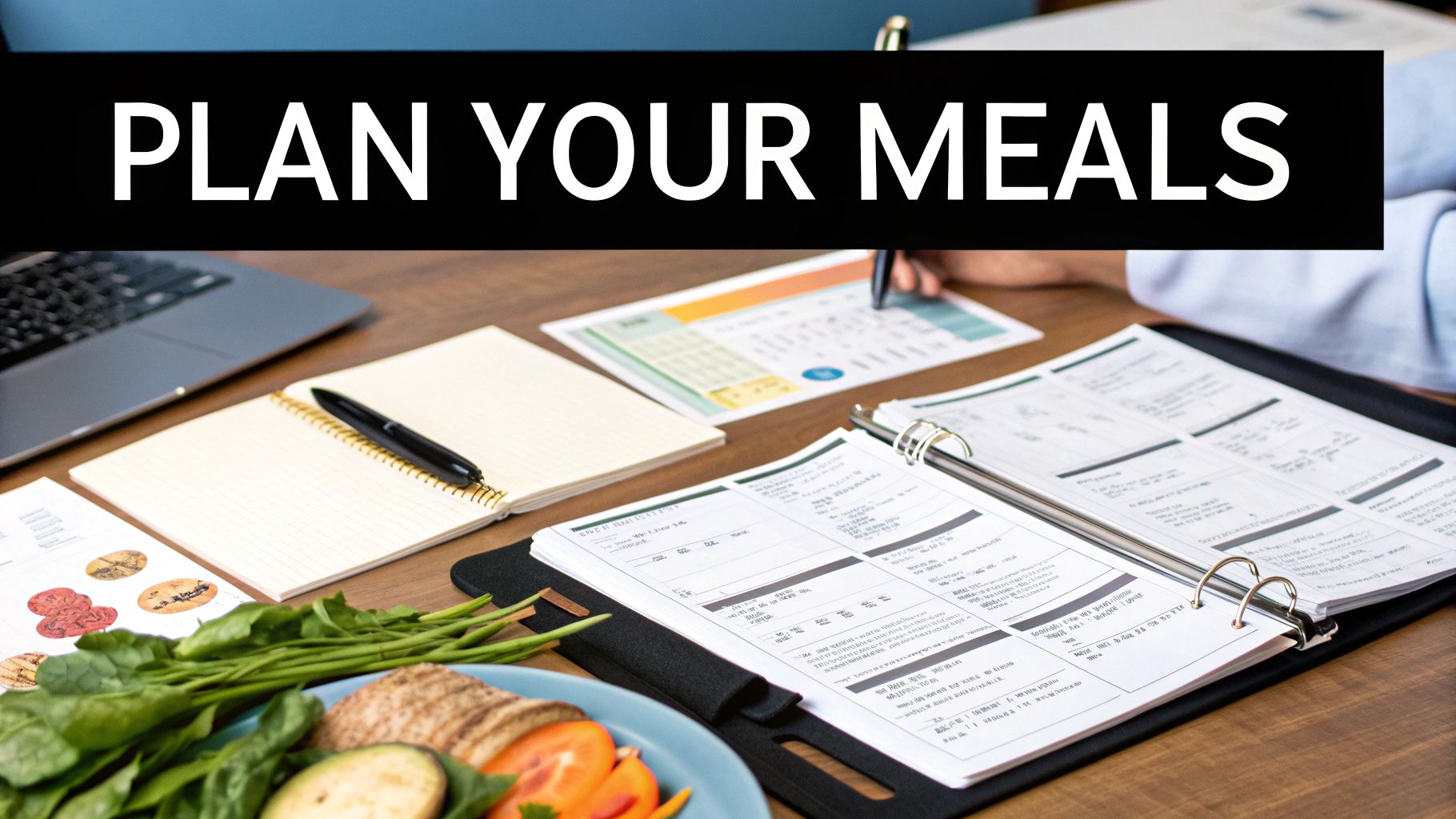
The low-FODMAP diet stands out from other IBS treatments because of its methodical approach of eliminating and then carefully reintroducing foods. To help you understand if this diet might work for you, let's look at what research tells us about its effectiveness. Multiple studies have shown promising results, giving both patients and healthcare providers valuable insights into how and why this diet can help manage IBS symptoms.
Key Research Findings on the Low-FODMAP Diet
The science behind the low-FODMAP diet is compelling. When researchers analyzed twelve different studies, they found that people following this diet experienced notable improvements in their IBS symptoms compared to those on other diets. About 70% of IBS patients felt better after making these dietary changes. Even more impressive, when scientists compared thirteen clinical trials, they discovered that the low-FODMAP diet worked better than other recommended treatments for reducing overall IBS symptoms, stomach pain, and bloating. In fact, the data showed a 99% likelihood that this diet is the most effective dietary approach for managing IBS.
Understanding Success Metrics and Interpreting Your Body's Responses
While feeling better is the main goal, success with the low-FODMAP diet goes beyond just reducing symptoms. Many people find they can do more in their daily lives – from enjoying meals out with friends to focusing better at work. For instance, someone who used to skip social events because of unpredictable IBS symptoms might now confidently accept dinner invitations.
Remember that everyone responds differently to dietary changes. The key is paying attention to how your body reacts as you remove and reintroduce different foods. Keeping a detailed food diary can help you spot patterns and figure out which foods cause problems for you specifically. This information becomes your personal road map for managing symptoms long-term.
Long-Term Management and the Importance of Personalization
The goal isn't to stay on a strict low-FODMAP diet forever. Instead, the diet helps you identify your trigger foods so you can create an eating plan that works for your body. Research shows this personalized approach works well – studies found that 57-67% of people maintain improvement in their symptoms over time when they receive proper guidance on restricting and reintroducing FODMAPs. Even better, up to 83% of people reported major improvements in how severe their IBS symptoms were. These findings show why personalizing your approach is so important. By understanding which foods you can and can't tolerate, you can build an eating plan that keeps you feeling good while still enjoying a wide variety of foods you love. This balanced approach helps ensure you're getting good nutrition while keeping IBS symptoms under control.
Your Practical Guide to Getting Started

Starting a low-FODMAP diet takes careful planning and understanding, but don't worry – we'll break it down into simple, manageable steps. This guide will walk you through exactly what you need to do to begin, while helping you avoid common pitfalls that can derail your progress. Getting off to a strong start sets you up for long-term success with this way of eating.
Planning Your Low-FODMAP Journey
The first step is to remove high-FODMAP foods from your diet. This means taking a close look at what you currently eat and spotting potential trigger foods. Many people focus only on obvious sources of FODMAPs, but they can hide in unexpected places. For instance, many store-bought sauces, processed snacks, and even some supplements contain problematic ingredients.
Creating a detailed meal plan focused on low-FODMAP options will help you stay on track. By planning ahead, you won't find yourself hungry and reaching for foods that might upset your stomach. Keep low-FODMAP snacks handy for when hunger strikes between meals.
- Identify and eliminate: Take stock of your typical meals and make note of high-FODMAP foods you eat often
- Meal prepping: Cook low-FODMAP meals ahead of time, especially for busy weekdays
- Read labels diligently: Learn which ingredients to watch for and check food labels carefully
- Stock your pantry: Keep your kitchen full of low-FODMAP basics so you always have good options available
These first steps create a strong foundation. By removing foods that may cause problems, you give your digestive system a chance to calm down. This makes it easier to identify which specific foods affect you most.
Navigating the Low-FODMAP Diet in Social Settings
Eating out and social events can be tricky when you're following specific food guidelines. But with some planning ahead, you can handle these situations smoothly. Start by letting friends and family know about your dietary needs – most people are happy to help once they understand.
When eating at restaurants, do some homework first. Look up menus online and find dishes that work with your diet or can be modified easily. Many restaurants now offer options for different dietary needs, like gluten-free or vegetarian meals. This often means you can find something that fits your low-FODMAP requirements.
- Communicate clearly: Tell people about your dietary needs in a simple, straightforward way
- Research restaurants: Check menus before you go and call ahead about possible modifications
- Bring your own snacks: Pack some safe options when you're unsure about available food choices
Remember that adjusting to a low-FODMAP diet takes time and patience. But by following these practical steps and getting help when needed, you can manage your IBS symptoms better and feel healthier overall. Working with a registered dietitian can give you personalized advice and help you develop strategies that work for your specific situation.
Mastering the Reintroduction Phase

If your symptoms have improved during the elimination phase of the low-FODMAP diet, you're ready for the next step – reintroduction. During this crucial phase, you'll methodically bring back FODMAP food groups to identify which ones affect you. Think of it like being a detective, investigating how different foods impact your body. The goal isn't permanent restriction but rather finding what works best for you.
Why Reintroduction is Key to Long-Term Success
The reintroduction phase serves two main purposes. First, it helps you pinpoint exactly which FODMAPs cause your symptoms. You might discover that lactose bothers you while fructose doesn't – this personal insight lets you make smarter food choices. Second, it opens up your diet as much as possible while keeping symptoms in check. Research backs this up – studies show that 57-67% of people maintain better symptoms long-term when they properly complete both the elimination and reintroduction phases.
A Systematic Approach to Reintroduction
Think of reintroduction like a scientific experiment, where you test one variable at a time. You'll try each FODMAP group separately – fructose, lactose, fructans, GOS, and mannitol/sorbitol. Start small with one food, like a splash of regular milk to test lactose. Watch how your body responds over 2-3 days. If you feel fine, try a larger portion. But if symptoms return, you know to either reduce the amount or avoid that food. For instance, you might learn that a small yogurt is fine but a large glass of milk isn't. Repeat this process with each FODMAP group until you have a clear picture of your tolerances.
Building Your Personalized Low-FODMAP Diet
As you complete the reintroduction phase, you'll create a personalized "yes," "no," and "maybe in small amounts" list for different FODMAPs. This becomes your roadmap for a sustainable diet that fits your needs – much better than avoiding all FODMAPs forever.
| FODMAP Group | Test Food Examples |
|---|---|
| Fructose | Honey, Mango |
| Lactose | Milk, Yogurt |
| Fructans | Wheat bread, Garlic |
| GOS | Baked beans, Lentils |
| Mannitol/Sorbitol | Avocado, Apples |
This careful testing process helps you build a varied diet while keeping IBS symptoms under control. Working with a registered dietitian can make this journey smoother – they'll ensure you're getting proper nutrition while managing your symptoms effectively. Remember, the end goal is finding your personal balance between food variety and symptom control, leading to better digestive health and quality of life.
Building Your Long-Term Success Strategy
The low-FODMAP diet goes beyond just temporary symptom relief. For long-term success, you need to understand your specific food triggers, adapt to life's ups and downs, and take care of your gut health. Let's look at how you can build good habits that last.
Maintaining Microbial Diversity and Nutritional Adequacy
Cutting out certain foods, even for a short time, can affect your gut bacteria. Since a healthy gut is key to feeling your best, you'll want to keep those beneficial bacteria thriving throughout your low-FODMAP journey. While you remove FODMAPs at first, adding foods back thoughtfully helps support your gut microbiome. The goal isn't to avoid FODMAPs forever – it's to find out which ones work for your body. A registered dietitian can help make sure you're getting all the nutrients you need during each phase.
Take prebiotics, for example. These special fibers feed the good bacteria in your gut. Though some high-FODMAP foods contain prebiotics, you can still get them from foods like oats and unripe bananas at the right time. This smart approach keeps your gut healthy while preventing IBS flare-ups. Your dietitian can also spot any nutrient gaps and suggest supplements if needed, giving you a complete plan that fits your needs.
Adapting Your Low-FODMAP Diet to Life's Changes
Life throws curveballs – trips, holidays, dinner parties – and sticking to any diet during these times can be tricky. The secret is planning ahead. When traveling, look up restaurant options beforehand and pack low-FODMAP snacks. For social events, let people know about your dietary needs and bring a dish you can enjoy. Taking charge this way lets you join in the fun without upset stomach issues later.
Remember that slip-ups happen to everyone. Instead of getting frustrated when symptoms flare, treat it as a chance to learn. Understanding what caused the problem helps you handle similar situations better next time. After all, everyone's IBS experience is different, and finding what works for you takes time.
Maintaining Momentum for Lasting Wellness
Long-term success with the low-FODMAP diet comes from staying consistent and being proactive. Keep track of what you eat, how you feel, and any symptoms in a food diary. This simple habit helps you spot hidden FODMAPs and patterns in how your body reacts. Studies show that when people carefully remove and reintroduce FODMAPs based on their needs, 57-67% keep feeling better over time. Regular check-ins with your dietitian using your food diary help fine-tune your approach.
Don't forget about managing stress – it's a known IBS trigger. Simple relaxation practices like deep breathing or meditation can help keep symptoms in check and improve your overall wellbeing. Taking care of both your body and mind creates lasting positive changes that go beyond just following a diet. This complete approach helps you feel your best for the long run.
Integrating Mental Wellness and Lifestyle Balance
A low-FODMAP diet requires more than just changing what you eat – it needs a complete approach that includes taking care of your mental health and creating sustainable daily habits. When you bring together good nutrition, stress management, and lifestyle adjustments, you set yourself up for long-term success in managing IBS symptoms.
The Gut-Brain Connection: Understanding the Link
Your gut and brain are in constant communication through a complex network of nerves and chemical signals. This two-way connection means that what happens in your gut affects your mood and mental state, while your thoughts and emotions impact your digestion. Research shows that people with IBS often deal with higher levels of anxiety and depression compared to those without IBS. While one doesn't directly cause the other, this link shows why treating both physical symptoms and emotional wellbeing leads to better results in managing IBS.
Managing Stress and Anxiety While on a Low-FODMAP Diet
Following a restricted diet can add extra stress to your life, which may trigger more IBS symptoms – creating an ongoing cycle that's hard to break. Simple practices like deep breathing, meditation, or mindfulness can help calm both your mind and your digestive system. Even light exercise like a daily walk or gentle yoga practice can make a big difference by reducing stress hormones and improving your overall health.
Navigating Social Situations and Communicating Your Needs
Food is central to many social gatherings, which can be tricky when you're following specific dietary guidelines. The key is planning ahead and being open about your needs. Before going to a dinner party, talk with the host about your dietary requirements or offer to bring a dish you know you can eat. Keep some low-FODMAP snacks with you so you don't feel left out or tempted by foods that might trigger symptoms.
Cultivating a Positive Relationship with Food
Instead of seeing the low-FODMAP diet as a list of restrictions, think of it as a path to discovering new foods and recipes that work for your body. There are many delicious low-FODMAP options to explore, and getting creative in the kitchen can make the process more enjoyable. Try adapting your favorite recipes by swapping high-FODMAP ingredients with suitable alternatives. This keeps mealtime interesting while helping you stick to foods that make you feel good.
Are you tired of struggling with IBS symptoms and the challenges of the low-FODMAP diet? myohab offers personalized support and resources to help you find relief and achieve long-term digestive health. Visit myohab today to learn more and start your journey towards a healthier, happier you.

