
Understanding The Science Of FODMAPs
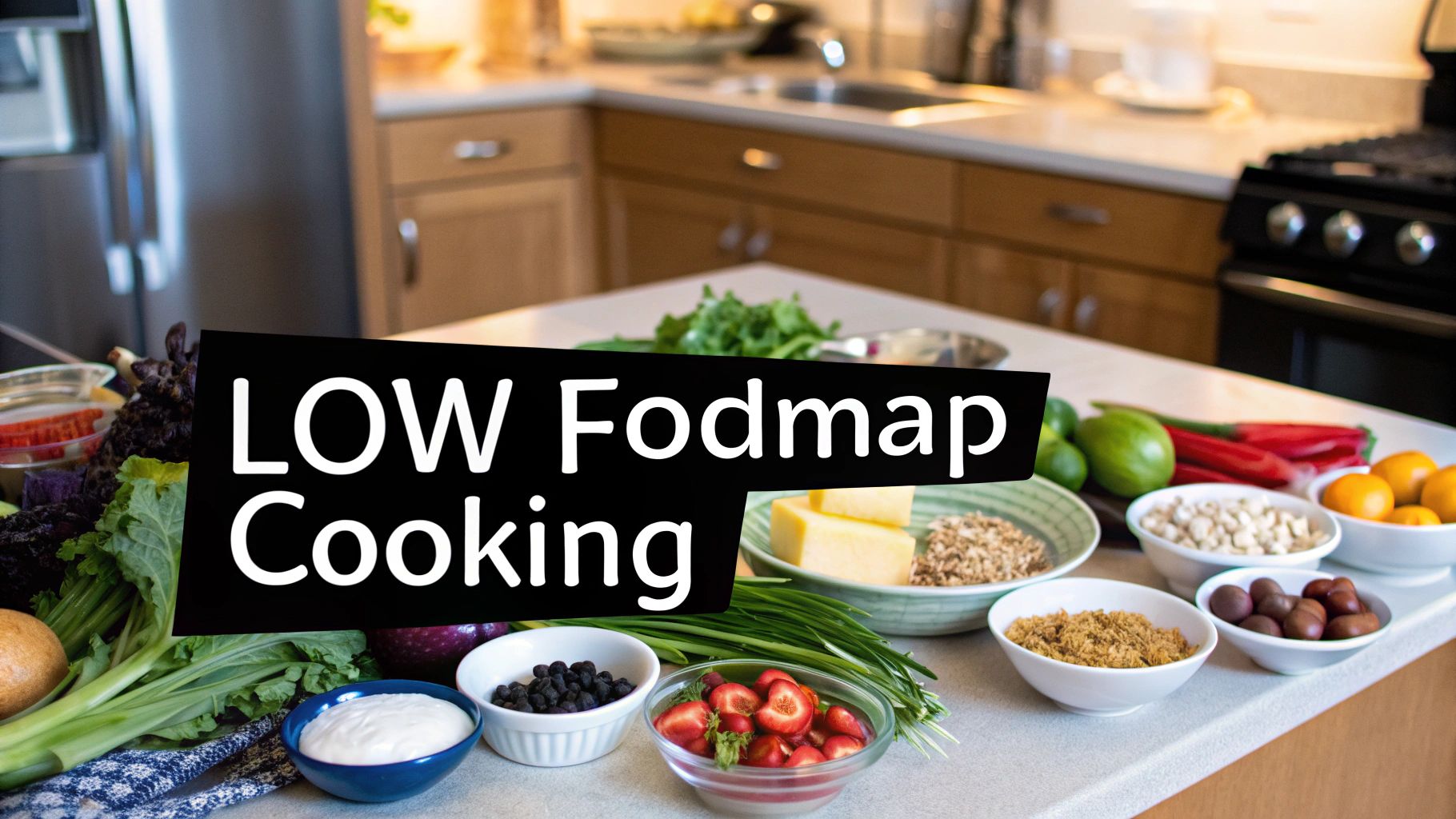
If you have Irritable Bowel Syndrome (IBS), you've probably heard about FODMAPs – but what are they exactly? FODMAPs stands for Fermentable Oligosaccharides, Disaccharides, Monosaccharides, and Polyols. These short-chain carbohydrates don't get properly absorbed in your small intestine. Instead, they travel down to your large intestine, where they can cause problems for people with IBS.
The Fermentation Process and IBS Symptoms
When FODMAPs reach your large intestine, they become food for the bacteria living there. As these bacteria break down the FODMAPs, they release gases like hydrogen, methane, and carbon dioxide. For people with sensitive digestive systems, this extra gas buildup leads to uncomfortable bloating, stomach pain, and that awful feeling of being overly full. It's similar to blowing up a balloon too much – the pressure gets uncomfortable. To make matters worse, FODMAPs pull water into your intestines, which can trigger diarrhea in some people. This explains why cutting back on FODMAPs often helps ease IBS symptoms.
Why A Low FODMAP Diet Works
Following a low FODMAP diet helps because it limits these troublesome carbohydrates. The goal isn't to cut out FODMAPs completely – that would be too restrictive and unnecessary. Instead, you reduce them to a level your body can handle comfortably. This gives your gut a chance to calm down and helps reduce inflammation. Many people find relief when they identify and avoid their trigger foods. For example, someone who has trouble with fructose might feel much better after cutting back on foods like apples and honey.
The Importance Of Individualized Approaches
Here's the interesting part – FODMAPs affect everyone differently. You might get terrible bloating from eating garlic, while your friend with IBS can eat it without any problems. But maybe they can't handle lactose, which doesn't bother you at all. That's why there's no one-size-fits-all solution. The most effective approach involves three steps: first eliminating high-FODMAP foods, then carefully reintroducing them, and finally creating your own personalized eating plan. This way, you can enjoy a varied diet while keeping your IBS symptoms under control. Remember – it's not about following strict rules, but rather understanding what works best for your body.
Real Results: What The Research Actually Shows

People with IBS often wonder if a low FODMAP diet can really help their symptoms. Let's look at what scientific studies tell us about how well this dietary approach actually works.
Quantifiable Improvements: A Look at the Data
The numbers speak for themselves – research shows that up to 80% of people with IBS feel better when following a low FODMAP diet. This isn't just people saying they feel better – clinical studies have documented clear improvements in key symptoms. Many patients report less bloating, reduced pain, and more normal bowel movements. For example, one study found that participants had significantly fewer IBS symptoms after just 3 weeks on the diet. This suggests that for many people, a low FODMAP approach offers real, measurable relief.
Symptom-Specific Responses and Timeframes
Different IBS symptoms tend to improve at different rates on the diet. Many people notice their bloating and stomach pain getting better within just a few days of starting. Changes in bowel habits, whether diarrhea or constipation, often take a bit longer to normalize. Every person responds differently though – some feel better quickly while others need more time. The key is paying attention to your own body's signals and keeping track of changes.
Factors Influencing Success
Getting good results depends on following the diet correctly. This means being thorough during the elimination phase and patient during reintroduction. Working with a registered dietitian who knows IBS and FODMAPs can make a big difference. They help ensure you're getting proper nutrition while figuring out which foods work for you. They can also help troubleshoot if you hit any roadblocks. Having this support increases your chances of long-term success.
Addressing Limitations and Variability
While the low FODMAP diet helps many people, it's important to understand what it can and can't do. It's not a cure for IBS – rather, it's a way to identify and manage trigger foods. Some people see dramatic improvements while others have more modest results. The diet can also be tricky to follow at first because it limits many common foods. That's why the reintroduction phase is so important – it helps you figure out which FODMAPs you actually need to avoid and which ones you can eat. This lets you develop an eating plan that controls symptoms while still being practical for everyday life.
Navigating The Three-Phase Journey
Following a low FODMAP diet is like learning a new language – it takes time, patience and practice. The journey involves three key phases: elimination, reintroduction, and personalization. Each phase builds on the previous one to help you understand exactly how different foods affect your body.
Phase 1: Elimination
Think of the elimination phase as pressing the reset button on your digestive system. For 4-8 weeks, you'll remove all high FODMAP foods from your diet to create a clean slate. This means temporarily avoiding common trigger foods like onions, garlic, certain fruits, and dairy products. But don't worry – there are plenty of alternatives to keep your meals varied and nutritious. For instance, you can swap regular milk for lactose-free options or almond milk. Being thorough during this phase is key, as it sets you up to accurately identify problem foods later.
Phase 2: Reintroduction
Once your symptoms improve during the elimination phase, it's time to systematically bring FODMAPs back into your diet, one group at a time. Working with a dietitian can be really helpful during this detective work. You'll test each FODMAP type in specific amounts and watch how your body responds over 24-48 hours. For example, you might try having some yogurt one day to test lactose tolerance. This careful testing helps pinpoint exactly which FODMAPs cause issues for you personally. It's important not to skip this phase, since staying on a very restricted diet long-term isn't great for your gut health.
Phase 3: Personalization
This final phase is where everything comes together into your own custom eating plan. Using what you learned during reintroduction, you can now make informed choices about which foods to include or limit. Maybe you discover that a small serving of berries is fine, but apples cause problems. Or perhaps you can handle certain FODMAPs in moderation but need to completely avoid others. The beauty of this phase is that it's flexible – you can adjust portions and food choices based on how you feel. While following a low FODMAP diet takes commitment, sticking with all three phases leads to lasting improvements in both digestive comfort and your relationship with food. The end goal isn't perfection, but rather finding an approach that works for your unique body and lifestyle.
Beyond The Gut: Mental Wellness And Quality Of Life

Following a low FODMAP diet is about more than just food choices – it deeply affects your emotional wellbeing and daily life. The specific food restrictions can create real mental challenges that need attention. Many people feel anxious about accidentally eating trigger foods, especially in social settings. The long process of eliminating foods and slowly reintroducing them can also feel discouraging when symptoms don't improve right away. That's why taking care of your mental health is just as crucial as following the diet itself.
The Psychological Impact of Dietary Restrictions
The low FODMAP diet often requires big changes to your regular eating habits, which can weigh on your mental health. Simple things like going out to eat with friends or attending family dinners can become sources of stress. This worry stems from the very real possibility of triggering IBS symptoms. The daily reality of reading every ingredient label and preparing special meals takes time and can make you feel isolated from others. Recognizing these emotional hurdles is the first step to handling them better.
Practical Strategies for Managing Anxiety
There are several effective ways to reduce stress while following the low FODMAP diet. Planning ahead makes a big difference – like checking restaurant menus online before going out to identify safe options. Being open with friends and family about your dietary needs helps create understanding and support. This honest communication prevents feelings of being left out or misunderstood. Simple relaxation techniques like deep breathing or meditation can also help calm worries about food choices and improve your emotional state throughout the day.
Building Confidence and Maintaining Social Connections
The low FODMAP diet doesn't have to stop you from enjoying time with others. With some planning, you can keep an active social life. Consider hosting dinner parties where you control the menu and can make low FODMAP-friendly dishes. When going to events where you can't control the food, bringing a dish you know is safe helps put your mind at ease. Remember – this restricted diet isn't forever. The reintroduction phase lets you gradually add foods back and figure out your specific triggers. As you learn what works for your body, you'll feel more confident and flexible with food choices. Focus on the progress you make and celebrate small wins along the way – they add up to make the whole experience more manageable.
Making It Work In The Real World
Successfully managing a low FODMAP diet requires putting all the concepts into daily practice. While understanding the principles is important, figuring out how to actually make it work in real life is what matters most. Let's explore practical strategies for handling meals, social situations, and travel while sticking to this way of eating.
Mastering Meals At Home
Getting started with low FODMAP cooking at home doesn't have to be overwhelming. The key is to build meals around naturally compliant foods like rice, quinoa, chicken, fish, and simple vegetables such as spinach and carrots. Since onion and garlic are off limits, experiment with FODMAP-friendly seasonings like ginger, turmeric, and chives to add plenty of flavor.
Meal prep can make a huge difference in staying on track. Try cooking several portions of proteins, roasting batches of vegetables, and preparing grain dishes on the weekend. Having these components ready to go makes it much easier to throw together quick meals during busy weeknights instead of reaching for foods that might trigger symptoms. A little planning goes a long way in making this diet sustainable.
Dining Out and Social Events
Eating away from home requires some extra thought but is totally doable. When dining out, call restaurants ahead to ask about options and modifications. Many places are familiar with dietary restrictions and happy to help. Keep orders simple and be specific about your needs – for example, asking for dressings and sauces on the side lets you control potential problem ingredients.
For social gatherings, offering to bring a dish you can eat ensures you'll have something safe. Let hosts know about your dietary needs in advance – most people want their guests to feel comfortable and included. Being open about your requirements helps maintain relationships while taking care of your health.
Travel and A Low FODMAP
With some preparation, traveling on a low FODMAP diet is manageable. Look up restaurant options at your destination beforehand and pack appropriate snacks to avoid getting caught hungry. Consider booking places with kitchens so you can prepare some meals yourself, giving you more control over ingredients.
For air travel, check meal choices in advance or bring your own food. Road trips are easier when you pack a cooler of safe snacks and simple meals. Even in unfamiliar places, you can usually find basic low FODMAP items like rice, eggs, and canned tuna at grocery stores for quick meals. Being flexible and resourceful lets you stick to the diet while enjoying your travels.
Addressing Common Challenges
Even with good planning, you may face some hurdles. Family members might question your choices, coworkers may not understand, and special occasions can present tempting off-limits foods. Handle these situations with patience and clear communication. Explain your needs simply and share resources showing how satisfying this way of eating can be.
Remember that the purpose of following a low FODMAP diet is to feel better, not to make life harder. Focus on what you can eat rather than what you can't. Finding the right balance between following the guidelines and being realistic about occasional flexibility will help you maintain this approach successfully long-term. With practice, it becomes much easier to navigate while still enjoying food and life.
Building Your Long-Term Success Plan

Following a low FODMAP diet is like learning a new language – it takes time, practice, and patience to master. Rather than viewing it as a temporary fix, think of it as developing new eating habits that will serve you well for years to come. Let's explore how to create an approach that fits naturally into your daily life while effectively managing IBS symptoms.
Maintaining Nutritional Adequacy
Getting enough nutrients can be tricky when eliminating certain foods. The key is finding smart substitutions for restricted items. For example, if dairy products trigger symptoms, you can get calcium and vitamin D from lactose-free milk, fortified plant milks, or dark leafy greens.
Many nutritious fruits and vegetables are high in FODMAPs, but there are plenty of healthy alternatives. Swap apples and pears for berries and bananas, or trade onions and garlic for chives and the green parts of spring onions. Since everyone's needs are different, working with a registered dietitian helps ensure you're meeting all your nutritional requirements while following the diet.
Protecting Your Gut Microbiome
Your gut bacteria play essential roles in digestion and overall health. Since limiting FODMAPs can affect these beneficial microbes, it's important to maintain diversity through the foods you eat. This is why properly reintroducing foods after the elimination phase matters so much – it helps you identify your specific triggers while keeping unnecessary restrictions to a minimum. Including probiotic foods or supplements may also support gut health during this process.
Adapting to Your Changing Needs
Just as your life changes over time, so can your tolerance to different foods. Some people find they can handle small amounts of previously problematic FODMAPs, while others may develop new sensitivities. Regular check-ins with yourself (and ideally a dietitian) help you adjust your approach as needed. Try periodically retesting your reactions to certain foods to see if anything has changed. Think of your plan as a work in progress rather than a fixed set of rules.
Tracking Progress and Identifying Warning Signs
Keeping detailed food and symptom records helps you spot patterns and make informed choices. For instance, if you experience unexplained symptoms, your food diary can help identify hidden FODMAP sources you may have overlooked. This awareness allows you to fine-tune your diet and prevent future discomfort.
Pay attention to red flags that suggest you need additional support. If you've strictly followed the elimination phase for several weeks without improvement, or if symptoms get worse, consult your healthcare provider. They can investigate other potential causes and help develop an effective management plan.
Struggling with sleep disorders, TMJ, or breathing difficulties? Myohab offers personalized myofunctional therapy exercises to address these concerns. Check out their website to learn more and start your journey towards better breathing, sleep, and overall well-being: https://myohab.com/

