
Understanding Psoriasis: Beyond the Surface
When you think of psoriasis, red, scaly patches might come to mind. But this condition, affecting over 125 million people worldwide, goes much deeper than skin-level symptoms. Let's explore what really happens inside the body when psoriasis develops and how it impacts people's daily lives.
The Body's Misguided Attack: How Psoriasis Develops
Think of psoriasis like your body's skin cell production line going into overdrive. In normal conditions, your skin cells follow a steady rhythm of growth and shedding. But with psoriasis, your immune system gets its signals crossed and starts attacking healthy skin cells. This triggers a chain reaction where new skin cells form much too quickly – about 10 times faster than normal. The result? Thick, red patches covered in silvery scales that can show up anywhere on your body, though they're most common on elbows, knees, and scalp.
Geographic Puzzles: Unraveling the Prevalence of Psoriasis
Here's something fascinating – where you live might affect your chances of developing psoriasis. For example, in Norway, about 4.6% of people have psoriasis, while in Malaysia, it's only 0.34%. This huge difference isn't random. Scientists think it comes down to a mix of genes, environment, and lifestyle. Western countries consistently show higher rates than Asian countries, which raises important questions about why these patterns exist and how we can better help different populations manage the condition.
Early Diagnosis: A Dermatologist's Perspective
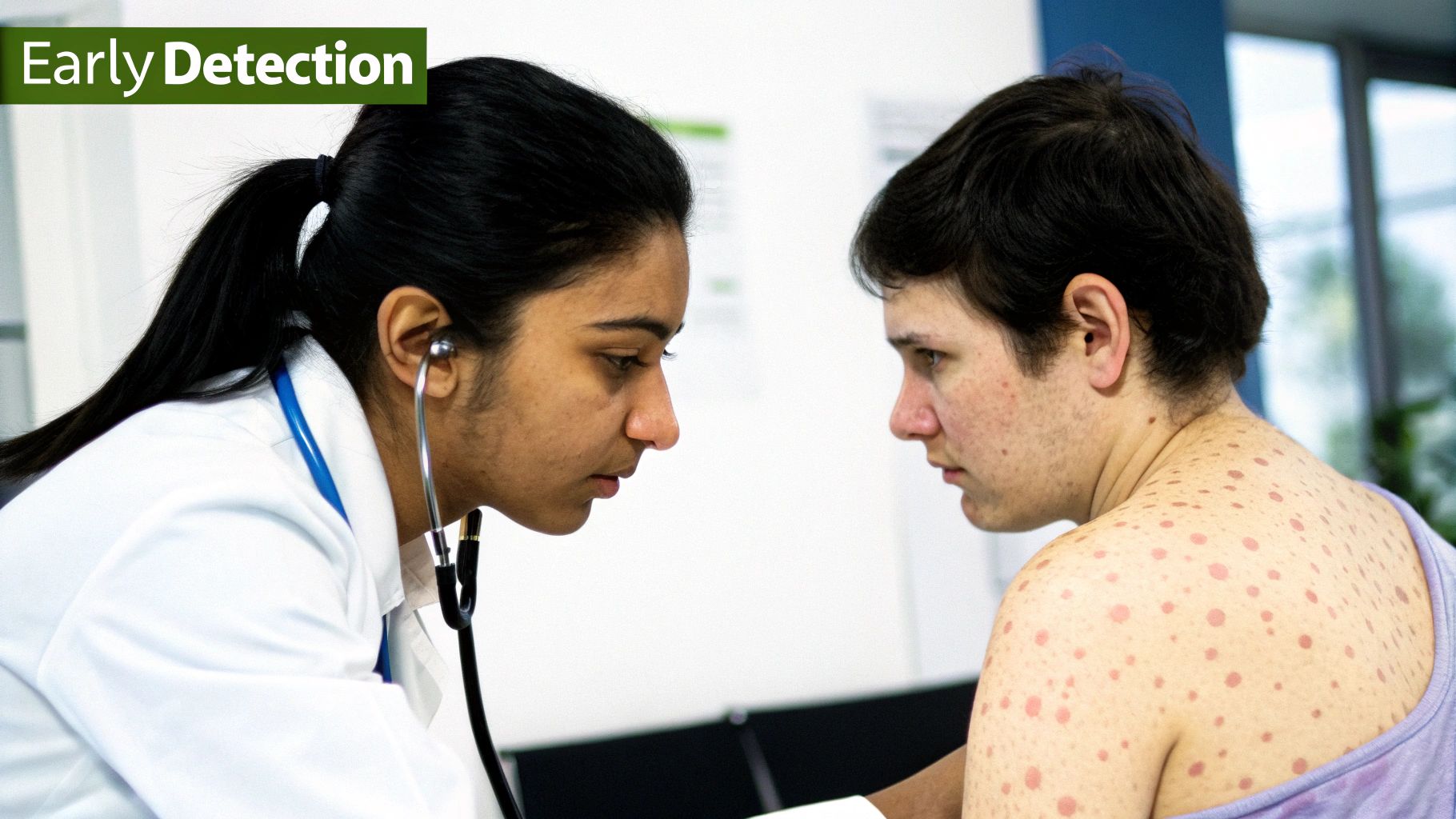
Catching psoriasis early makes a big difference in how well you can manage it. When examining patients, dermatologists look for specific clues while considering the person's full health history.
Key Indicators of Psoriasis:
- Red, raised patches of skin covered with silvery scales: These telltale signs often appear first on elbows, knees, and scalp
- Pitting or discoloration of nails: Sometimes nail changes are the first hint something's wrong
- Joint pain or swelling: This might signal psoriatic arthritis, which often goes hand-in-hand with psoriasis
The age when symptoms first appear also tells an important story. Psoriasis typically shows up during two main life stages: between 15 and 30 years old (early-onset) or around age 60 (late-onset). While both types look similar on the surface, they can have different genetic patterns and triggers. Early-onset cases often run stronger in families and tend to be more severe. Understanding these differences helps doctors create more effective treatment plans for each person.
Decoding Your Genetic Risk Factors

Beyond the visible signs of psoriasis lies a complex genetic story that helps explain why some people develop this condition while others don't. Let's explore what scientists have discovered about the genetic factors that influence psoriasis risk and how this knowledge can help you better understand your own situation.
Unraveling the Genetic Markers of Psoriasis
At its core, psoriasis has strong genetic roots. Scientists have identified specific variations in our DNA, called single nucleotide polymorphisms (SNPs), that play key roles in determining who develops psoriasis. Think of these SNPs as genetic switches – when certain ones are flipped "on," they can trigger the overactive immune response that leads to psoriasis symptoms. These genetic variations help explain why your immune system might start attacking healthy skin cells, causing them to multiply too quickly and create those characteristic plaques.
Heritage and Susceptibility: Exploring the Connection
Your ethnic background can affect your chances of developing psoriasis. Studies show that people with European ancestry tend to get psoriasis more often than those with Asian heritage. While lifestyle and environment certainly matter, these population-level differences point to genetic factors passed down through generations. This knowledge helps doctors better assess risk levels for different patient groups.
The Influence of Family History: Assessing Your Risk
Having a close relative with psoriasis – especially a parent, sibling, or child – significantly raises your chances of developing it too. While this doesn't mean you'll definitely get psoriasis, it's valuable information that can help you and your doctor stay alert for early signs. Knowing your family history allows you to take preventive steps and catch symptoms early if they do appear.
Early-Onset vs. Late-Onset Psoriasis: Distinct Genetic Patterns
Psoriasis typically shows up during one of two main periods: early in life (between ages 15-30) or later (around age 60). Though the symptoms look similar, the underlying genetic patterns often differ. Early-onset cases usually run more strongly in families and tend to be more severe, suggesting genes play a bigger role. Late-onset psoriasis still has genetic elements but seems more influenced by environmental factors and age-related changes in immune function. Understanding these differences helps doctors provide more targeted treatment approaches based on when your psoriasis first appeared.
Global Patterns and Treatment Accessibility

While genetics play a key role in psoriasis, where you live can make a huge difference in how you experience and manage the condition. From varying rates of occurrence to differences in available care, location matters more than you might think. Let's look at how psoriasis affects people differently around the world and what that means for treatment.
Geographic Disparities in Psoriasis Prevalence
The numbers tell an interesting story – psoriasis doesn't affect all regions equally. Take Norway and Malaysia, for example. In Norway, about 4.6% of people have psoriasis, while in Malaysia, it's only around 0.34%. Western countries consistently show higher rates than Asian nations. These stark differences make us wonder: what role do factors like genes, environment, and lifestyle choices play? Understanding these patterns helps health organizations better plan their resources and programs.
Access to Treatment: A Global Perspective
Getting good psoriasis care isn't the same everywhere. If you live in a developed country, you'll likely have easier access to skin specialists and modern treatments. This often means catching and treating psoriasis earlier, which can make a big difference in managing symptoms. But in many developing regions, finding a dermatologist or getting advanced treatments can be tough. This gap often leads to delayed diagnosis and less effective care for many people living with psoriasis.
Bridging the Gap in Care
Many medical centers and health organizations are working hard to fix these care gaps. For instance, some groups use online consultations to help people in remote areas talk to skin specialists. Others focus on teaching local healthcare workers how to spot and treat psoriasis effectively. These efforts make a real difference in helping more people get the care they need, no matter where they live.
The Influence of Cultural Factors
Culture shapes how people think about and deal with psoriasis too. In some places, skin conditions carry social stigma, which might make people hesitant to seek help. Many communities have their own traditional remedies that people use alongside or instead of standard medical treatments. These cultural differences matter – they affect how doctors should approach treatment and education. The most effective programs take these cultural factors into account, helping reduce stigma and encourage people to get proper medical care when they need it.
Building Your Personal Treatment Strategy

Managing psoriasis effectively requires creating a treatment plan that's unique to you and your symptoms. Everyone experiences psoriasis differently, so what works for one person may not work for another. Let's walk through how to build a treatment approach that fits your specific needs.
Assessing Your Psoriasis: The First Step
Before diving into treatment options, take time to understand your specific case of psoriasis. Think about these key factors:
- Severity: What percentage of your body has plaques? Are they thick and widespread or contained to small patches?
- Location: Which parts of your body are affected? Sensitive areas like the face need different care than tougher spots like elbows.
- Lifestyle: What daily activities might affect your treatment? Consider things like your work environment, exercise habits, and other health conditions.
For example, if you only have a few small patches, you might do well with just topical creams. But if psoriasis covers larger areas, you may need oral medications or light therapy. The spots affected matter too – facial psoriasis often needs gentler treatment than patches on your knees or back.
Treatment Options: A Multifaceted Approach
While there's no cure for psoriasis yet, many treatments can help control symptoms and improve your daily life. Here are the main types:
- Topical Treatments: These are creams and ointments you apply directly to affected skin. They're usually the first treatment doctors recommend for mild cases.
- Phototherapy: This treatment uses UV light to slow down overactive skin cell growth.
- Systemic Medications: Pills or shots that work throughout your body to calm an overactive immune system. Doctors typically prescribe these for moderate to severe cases.
- Biologics: These newer medications target specific parts of your immune system that trigger psoriasis flares.
Many people find the best results by combining different treatments. You might use a cream for everyday maintenance but add phototherapy during bad flares. Or you could take a systemic medication while using topical treatments for stubborn patches.
Working with Your Doctor and Insurance: Practical Considerations
Creating your treatment plan should be a team effort between you and your doctor. Be honest about what bothers you most about your psoriasis and any concerns about different treatments. Your input helps ensure you get care that fits your life.
Cost matters too. Psoriasis treatments can be expensive, and insurance coverage varies widely. Talk with your insurance company about what they cover. Ask your doctor about less expensive options if needed. Many drug companies offer financial help programs – don't hesitate to ask about these resources.
Remember that finding the right treatment mix takes time and patience. Keep track of what works and what doesn't, and share this information with your doctor. With careful attention and good communication, you can develop a plan that helps you take control of your psoriasis and live more comfortably.
Mastering Daily Life With Psoriasis
Managing psoriasis effectively goes beyond just medical treatments – it's about making your daily routine work for you. By understanding what sets off your symptoms and adjusting your habits accordingly, you can take control of both the physical and emotional aspects of living with psoriasis. Let's explore practical ways to make everyday life more comfortable and manageable.
Identifying and Avoiding Your Triggers
Everyone's psoriasis responds differently to various factors. Some people flare up in cold, dry weather, while others react to stress or certain foods. The key is becoming a detective of your own symptoms. Try keeping a simple diary noting when flares occur and what happened in the days before. This can reveal clear patterns – maybe you notice breakouts after particularly stressful work weeks, or during winter months when the air is dry. Armed with these insights, you can take specific actions like adding a humidifier to your bedroom or building in regular relaxation time. For smokers, working with your doctor on a quit plan could make a real difference in reducing flares.
Skincare and Wardrobe Strategies
Small changes to your daily routine can have a big impact on your comfort. When it comes to skincare, gentle is better – look for fragrance-free products designed for sensitive skin. Skip the hot showers (even though they feel great!) and opt for lukewarm water instead, since heat can dry out your skin and trigger flares. Your clothing choices matter too. Natural, breathable fabrics like cotton feel better against your skin than synthetic materials. Loose-fitting clothes help prevent the friction and irritation that tight garments can cause, especially in areas where you tend to break out.
The Power of Support and Self-Care
Living with a visible skin condition isn't just physically challenging – it takes an emotional toll too. Having people who understand what you're going through makes a world of difference. Consider joining a psoriasis support group, either locally or online, where you can share experiences and tips with others who really get it. Taking good care of yourself overall helps too – focus on getting enough sleep, eating well, and staying active. These basics of good health can help reduce how often and severely your psoriasis flares up.
Navigating Social and Professional Situations
Psoriasis can make social and work situations feel tricky, but being open about it often helps. When you matter-of-factly explain to friends, family, or coworkers what psoriasis is – emphasizing that it's not contagious and sharing a bit about your triggers – you help them understand and support you better. This straightforward approach lets you focus on living your life rather than worrying about what others might think. Remember, while psoriasis is part of your life, it doesn't define who you are. By dealing with it directly and keeping perspective, you can maintain your confidence and relationships while managing your condition effectively.
Tomorrow's Breakthroughs: Research and Innovation
The future of psoriasis treatment looks bright as researchers work to improve existing therapies and explore new possibilities. These ongoing discoveries could transform how we manage psoriasis and help millions of people living with this condition.
Personalized Medicine: Tailoring Treatments to You
Each person's psoriasis journey is unique, shaped by their genes and environment. That's why researchers are moving away from one-size-fits-all approaches toward more personalized treatments. Scientists are studying biomarkers – specific genes and proteins – that can predict how well someone will respond to different therapies. For instance, a simple blood test might soon tell doctors which medication will work best for you while causing the least side effects. This shift toward individualized care means treatments can be matched to each person's specific needs.
Biotechnology Advances: Targeting the Root Cause
New developments in biotechnology are helping scientists create more effective psoriasis treatments. Current research focuses on addressing the immune system problems that trigger psoriasis symptoms. Biologic medications, which are already helping many patients, are being refined to work even better. Scientists are also exploring exciting possibilities in gene editing that could lead to longer-lasting relief from symptoms. While a cure isn't here yet, these advances are bringing us closer to better treatment options.
International Research Collaborations: A Global Effort
Psoriasis affects people worldwide, making international teamwork essential for progress. Research teams across different countries share their findings, resources, and expertise to better understand this complex condition. These partnerships help scientists study how psoriasis affects various populations and develop treatments that work for everyone. By working together, researchers can solve problems faster and create better solutions for patients everywhere.
Staying Informed: Navigating New Treatment Options
With new treatments constantly emerging, keeping up with the latest options can feel daunting. Fortunately, there are reliable sources to help you understand your choices. The National Psoriasis Foundation provides updates on new research, clinical trials, and treatment breakthroughs. Your dermatologist can also explain which new options might work well for you. Regular conversations with your healthcare team ensure you're getting the most appropriate care for your situation.
For those interested in complementary approaches to overall health, consider exploring myofunctional therapy. Myohab offers exercises that may help with related issues like sleep apnea, snoring, and breathing problems. These techniques could complement your psoriasis treatment plan and improve your general wellbeing.

