
Understanding the Science of Facial Transformation

People are increasingly turning to jawline trainers to achieve a more defined facial structure. But what exactly happens in your face when you use these devices? Let's explore the biological mechanisms that create the changes we see in before and after photos.
How Jawline Trainers Work: Resistance Training for Your Face
Just like weight training builds muscle in your body, jawline trainers build muscle in your face through resistance training. These devices specifically target the masseter and temporalis muscles – the key muscles that control chewing and jaw movement. When you exercise with a jawline trainer, you create tiny tears in these muscle fibers. As these tears heal, the muscles become stronger and more defined, just like biceps respond to curls at the gym. The increased blood flow during training also helps nourish the muscles and support their development.
The Impact of Modern Lifestyles on Facial Muscles
Our current eating habits and lifestyle choices often mean we use our jaw muscles less than our ancestors did. Processed foods that require minimal chewing and poor posture habits have led many people to develop weaker jaw muscles over time. Think about how much more work your jaw does when chewing a tough steak compared to eating soft, processed foods. This reduction in natural jaw exercise can result in less muscle tone and definition. Jawline trainers aim to make up for this lack of natural exercise by providing targeted resistance training.
Measuring Transformation: From 3D Scans to Muscle Activation
Scientists are using advanced methods to study how jawline training changes facial structure. 3D scanning technology can now track subtle changes in muscle volume and facial contours over weeks and months of training. Researchers also monitor which specific muscles activate during different exercises. This combination of precise measurements and user experiences helps paint a clear picture of how these devices affect facial structure.
Training Approaches and Their Effectiveness
Success with jawline training depends heavily on using the right techniques. Studies show that consistent, twice-daily sessions with gradually increasing resistance tend to produce the best results. This follows the same principle that works so well in traditional strength training – progressive overload. Users should start with lighter resistance and slowly work their way up as their muscles adapt. By understanding these fundamental principles and following proper form, people are more likely to see the kind of transformation they're looking for in their before and after photos.
Real Transformations: Beyond the Hype

Let's look at what real users have achieved with jawline trainers, going beyond marketing claims to examine actual results and evidence. By reviewing authentic before and after photos and user experiences, we can better understand what these devices can realistically accomplish.
Documenting Progress: Photos, Measurements, and Testimonials
The best way to evaluate jawline trainer effectiveness is through documented progress. Before and after photos show visible changes in jawline definition and facial contours. Strength measurements provide concrete data – studies have found users increasing jaw strength by up to 255% with regular use. User testimonials also offer valuable first-hand accounts of both successes and challenges people encounter while using these devices.
Realistic Results Across Diverse Users
Results vary significantly between individuals based on factors like age, face shape, and starting muscle condition. While many users see improved definition, the degree of change differs for each person. Looking at before and after results from a range of users gives a balanced view of potential outcomes. Studies indicate that about 84% of consistent users notice visible improvements, though dramatic transformations aren't guaranteed.
The Influence of Consistency and Technique
Success with jawline trainers depends heavily on consistent use and proper form. Random, occasional training yields minimal benefits. Most users see the best results with twice-daily sessions done regularly. Using correct technique is essential – poor form can lead to uneven muscle development or discomfort. Just like weightlifting at the gym, maintaining proper form helps build muscle safely and effectively.
Individual Anatomy and Its Impact
Your natural facial structure plays a big role in visible results. People with more prominent bone structure often see more dramatic changes since they have a stronger foundation for muscle development. Those with less defined bone structure may notice more subtle improvements. While jawline trainers effectively strengthen muscles, they can't change underlying bone structure. Understanding your natural features helps set realistic goals based on your unique anatomy. This means everyone can gain jaw strength and muscle tone, but the visual impact varies based on individual facial features.
Mastering Your Training Protocol
Getting the best results from your jawline trainer requires more than just using the device – you need a well-planned approach. Like any form of strength training, three key elements determine your success: staying consistent, using proper form, and gradually increasing the challenge over time.
The Gold Standard: 3×30 Twice Daily
Research shows that training twice per day using the "3×30 method" leads to the best improvements in jawline definition and strength. This approach involves doing 3 sets of 30 repetitions with your jawline trainer in both morning and evening sessions. Think of it like caring for a plant – regular, consistent watering helps it thrive, while irregular care stunts its growth. The same principle applies here – steady, daily training produces the most noticeable changes in your jawline.
Progressive Overload: Level Up Your Training
Just as with training any muscle group, your jaw muscles need increasing challenges to keep getting stronger. Most jawline trainers come with multiple resistance settings for this reason. Start with the lowest resistance level for the first few weeks to build proper form and muscle memory. Then, every 2-4 weeks, move up to the next level based on how your strength improves. This steady progression prevents plateaus and ensures continued progress.
Timing and Technique: The Pillars of Success
Good timing and proper form are essential foundations – without them, even consistent training won't give optimal results. Each rep should use controlled movements through the full range of motion. Compare it to lifting weights – a slow, complete rep builds more strength than rushing through partial movements. Using correct technique ensures you target the right muscles while avoiding strain. Training at consistent times each day, like morning and evening, helps establish a sustainable routine.
Avoiding Common Pitfalls
Several common mistakes can slow your progress with jawline training. These include overtraining by doing too much too soon, skipping sessions regularly, and using poor form. For example, jumping to high resistance before you're ready risks injury and muscle fatigue. Missing workouts disrupts the steady progression needed for muscle development. Focus on maintaining proper technique and sticking to your training schedule to avoid these setbacks.
| Pitfall | Consequence | Solution |
|---|---|---|
| Overtraining | Muscle fatigue, pain, injury | Gradually increase resistance, rest days |
| Inconsistency | Slowed progress, minimal results | Establish a routine, set reminders |
| Poor Form | Uneven muscle development, discomfort | Focus on controlled movements, full range of motion |
Following a structured training approach, increasing difficulty gradually, maintaining proper form, and avoiding common mistakes will help you get the most from your jawline trainer. Keep in mind that results vary between individuals, but staying consistent with your training is key to reaching your goals.
Health Benefits Beyond Aesthetics
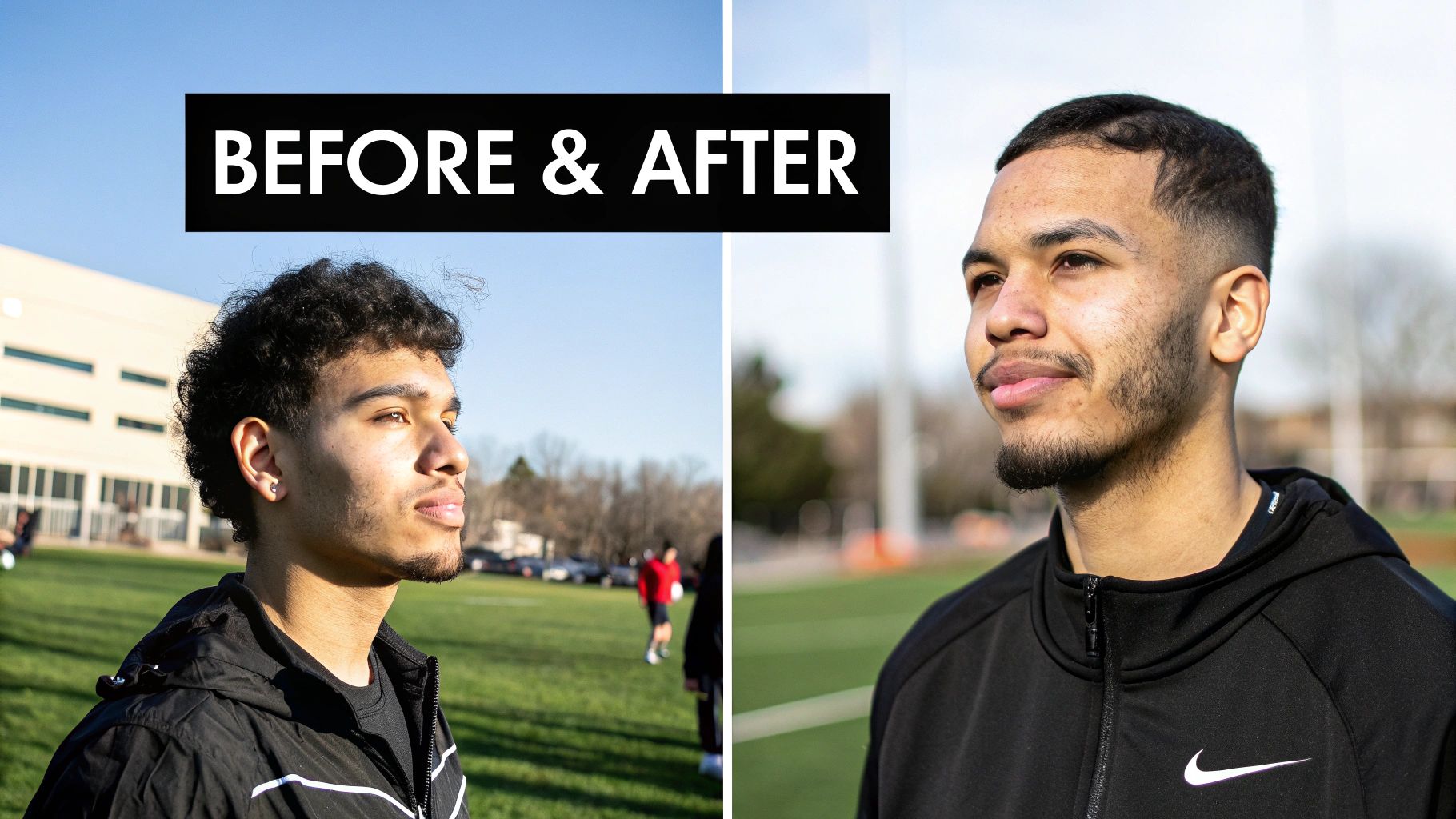
When people think about jawline trainers, they often focus on the aesthetic benefits. However, these devices offer far more than just cosmetic improvements. Regular training can significantly impact your oral health and overall wellbeing in several surprising ways.
Addressing Temporomandibular Disorders (TMD)
Pain and discomfort from TMD affects many people's daily lives. Through specific exercises, jawline trainers help build strength in the muscles that control jaw movement and stability. This targeted strengthening can help reduce TMD symptoms by improving jaw positioning and decreasing joint strain. Many users find that clicking and popping sounds in their jaw diminish after consistent practice – a clear sign of better joint mechanics.
Enhancing Bite Force and Chewing Efficiency
Just like working out any other muscle group, jawline training builds strength over time. Research shows impressive results – one study found participants increased their bite force by 255% after just one month of regular use. Beyond just making it easier to bite into firm foods, this improved strength helps break down food more effectively for better digestion and nutrient absorption.
Improving Oral Posture and Function
Our modern diet of soft, processed foods often leads to weak jaw muscles and poor oral habits. Many people develop issues with tongue position, mouth breathing, and even disrupted sleep breathing patterns. Regular jawline training helps counter these effects. Users frequently report improved breathing patterns and more natural tongue positioning. The stronger muscles also help maintain proper facial structure and symmetry.
Unexpected Benefits: Sleep and Headaches
Interestingly, some people notice improvements in their sleep quality and fewer tension headaches after using jawline trainers. While more studies are needed, the connection likely stems from reduced jaw tension and better alignment. Less nighttime clenching and grinding allows for more restful sleep. Similarly, proper jaw positioning takes pressure off surrounding muscles and nerves, which may explain the reduction in headaches. These additional benefits show how jaw training can positively affect overall health in unexpected ways.
Creating Your Success Timeline

Getting real results from a jawline trainer takes time and consistent effort. While before and after photos can motivate us, it's important to set realistic expectations about the changes you'll see. Understanding the typical timeline helps you stay focused and recognize genuine progress along the way.
Week-by-Week Changes: The Initial Phase
The first few weeks focus mainly on building muscle activation and endurance. You'll notice your jaw muscles working harder during exercises, similar to how any new workout routine feels at the start. Like going to the gym for the first time, your body adapts to handling more work. The visible changes are usually subtle at this point – you might see a slight improvement in muscle tone, but dramatic changes rarely happen this early.
Month-by-Month Progress: Building Definition
With steady training, more noticeable improvements appear over the following months. The masseter and temporalis muscles become more defined as they strengthen through repeated exercise. Many people also find that their skin looks firmer around the jawline since the stronger muscles provide better support underneath. By months 3-4, most users can spot clear differences when comparing current photos to their starting point. This shows that putting in regular work for a few months can lead to visible changes in your jawline's appearance.
Factors Influencing Your Timeline
Several things affect how quickly you'll see results. Age plays a role since younger muscles typically respond faster to training. Your starting point matters too – someone with naturally strong jaw muscles may progress differently than someone just beginning to work these muscles. But above all else, consistency makes the biggest impact. Think of it like learning a new skill – practicing regularly leads to improvement, while sporadic effort brings limited progress. No matter your age or starting level, sticking to your training routine is key to seeing results.
Tracking Your Jawline Trainer Before and After Progress
Taking regular progress photos helps you monitor changes over time. Just like tracking weight loss, these visual records let you compare different stages of your journey. Keep notes about your training sessions, including the resistance levels and rep counts you complete. You might also measure your jawline with a soft tape measure to track changes in size. Using multiple tracking methods gives you a complete view of your progress and helps maintain motivation throughout your training.
Measuring Success: Beyond the Mirror
Physical changes are just one part of the jawline training journey. True success encompasses both visible improvements and important functional gains that can enhance daily life.
Quantifying the Transformation: Strength and Definition
One clear way to track progress is through measurable improvements in jaw strength. Research has shown that consistent jawline training can increase bite force by up to 255% in just one month. This boost in strength means more than just easier apple-biting – it can improve overall chewing ability and digestion. To document physical changes, many people take regular progress photos or use 3D scanning to capture subtle changes in their facial contours over time.
The Psychological Impact: Confidence and Self-Esteem
The benefits often go far beyond physical changes. Studies show that 76% of people report feeling more attractive after using a jawline trainer regularly. This boost in confidence makes sense – a defined jawline is linked to looking youthful and vibrant. For instance, someone who previously felt self-conscious about their profile may find themselves more outgoing in social settings. This renewed self-assurance can positively impact everything from work interactions to personal relationships.
Long-Term Success: Maintenance and Lifestyle
Like any fitness goal, maintaining jawline results requires ongoing dedication. While you may not need the same intense training schedule forever, incorporating regular jaw exercises into your wellness routine helps preserve gains. Simple habits like maintaining good posture and mindful chewing can help prevent jaw muscle weakness that often comes from modern lifestyles and eating habits.
Tracking Progress: A Holistic Approach
Using multiple methods to monitor your progress gives the clearest picture of improvement:
- Before and after photos: Take consistent weekly or monthly photos to see visual changes
- Strength measurements: Track bite force when possible to quantify strength gains
- Journaling: Record details about training sessions, including resistance levels and repetitions
- Self-assessment: Note changes in how you feel about your appearance and confidence levels
A well-defined jawline represents more than just looks – it shows improved function and increased confidence. By taking a complete approach to measuring progress and building sustainable habits, you can get lasting benefits from jawline training. Want to start your own jawline transformation? Visit myohab to explore personalized exercise programs designed to strengthen your facial muscles.

