
Understanding Jaw Pain and TMJ
Pain in your jaw can make everyday activities like eating and speaking feel impossible. That clicking, popping, or persistent ache doesn't just affect your mouth – it can trigger headaches, disrupt sleep, and take a real toll on your quality of life. For many people, these symptoms trace back to the temporomandibular joint (TMJ), the complex hinge joint connecting your jaw to your skull.
In the past, TMJ disorders were often treated with surgery or complicated dental appliances. But research has shown that simple, targeted exercises can address many TMJ issues effectively. A good treatment plan focuses on strengthening muscles, improving jaw movement, and promoting proper alignment. This is especially important for people who deal with sleep apnea, snoring, tongue tie, or breathing problems, since jaw position directly impacts airway function.
This article will walk you through practical exercises to help manage jaw pain and TMJ discomfort. Whether you're looking for a non-surgical way to handle TMJ issues, wanting to improve your facial posture, or a healthcare provider seeking natural treatment options for patients, these exercises can help restore comfortable jaw function. You'll learn the mechanics behind each movement and how they can help with various conditions – from sleep issues to tongue tie recovery. Let's get started on your path to pain-free jaw movement and better overall comfort.
1. Gentle Jaw Stretching
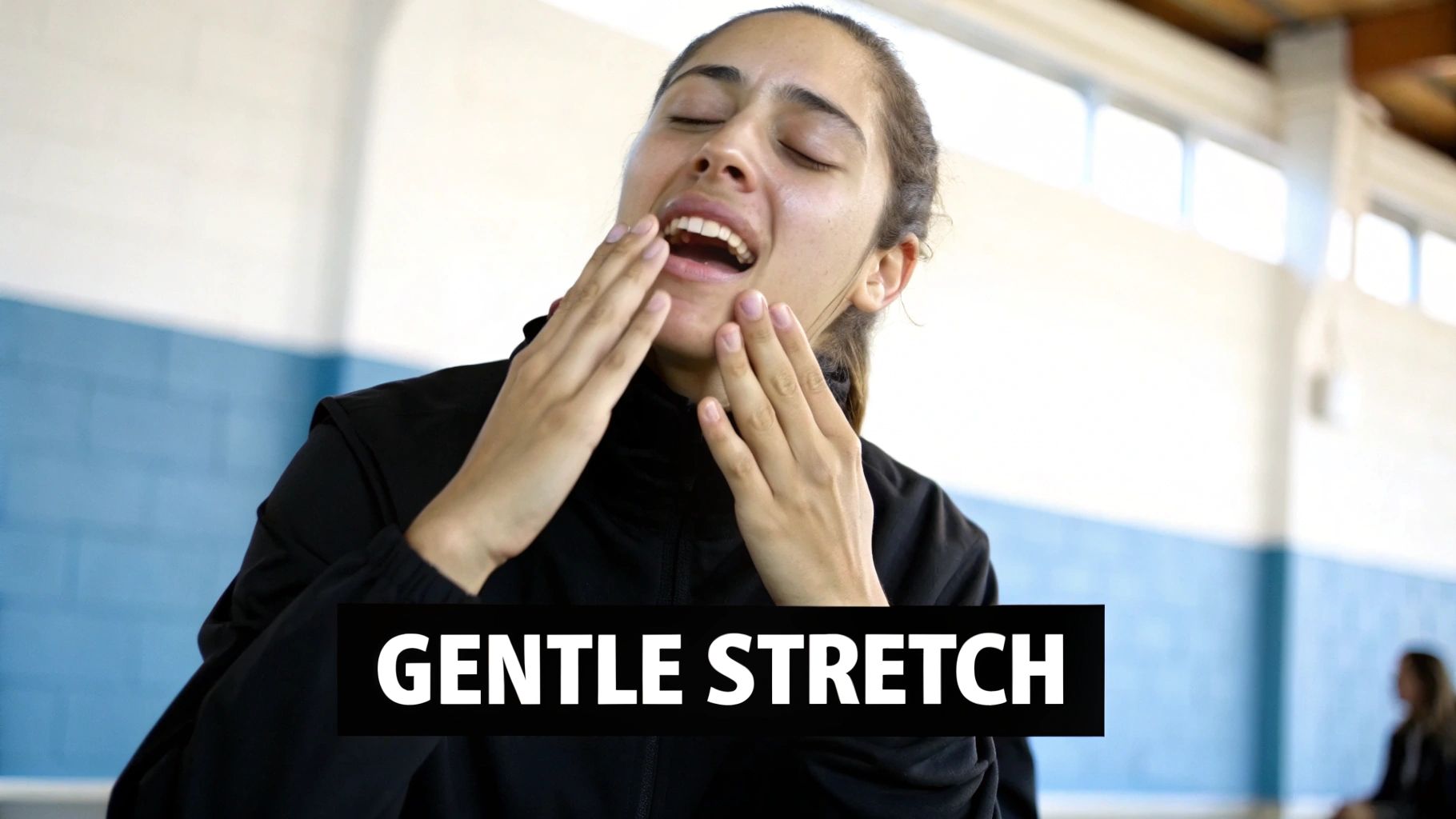
The gentle jaw stretch is one of the most effective exercises for reducing temporomandibular joint (TMJ) pain and improving jaw movement. As a simple yet powerful exercise, it helps release muscle tension and restore natural jaw motion. This stretch can benefit people with sleep apnea, snoring, TMJ disorders, and even those looking to improve facial posture. With proper guidance, it can also help children with breathing or tongue position issues.
The exercise is straightforward – slowly open and close your mouth with control. This basic movement targets key jaw muscles like the masseter and temporalis that often cause TMJ discomfort. Regular practice helps loosen tight muscles, ease pain, and promote better jaw function.
Key Benefits:
- Safe, controlled movement that prevents overextension
- Quick sessions of 5-10 repetitions build strength gradually
- Three to four daily practices for lasting improvement
- Immediate tension relief felt by many people
Advantages:
- Very safe when done properly
- No special equipment needed
- Can practice anywhere, anytime
Limitations:
- Takes time to see major mobility improvements
- Regular practice required for best results
- Initial guidance helpful to ensure proper form
Tips for Success:
- Lightly touch your jaw joints while exercising to monitor movement
- Stop if you feel sharp or increasing pain
- Keep good posture during the exercise
- Stay within a comfortable range of motion
Background:
This simple stretch emerged from physical therapy principles as a proven way to treat TMJ disorders without surgery. More healthcare providers now recommend it as research shows its effectiveness for jaw pain, limited motion, and sleep-related issues. Many patients report significant improvement in both comfort and function with consistent practice.
Read also: Further TMJ exercises. Consider this foundational exercise as part of a complete TMJ care routine. Many health professionals start their TMJ treatment programs with gentle jaw stretching due to its safety and reliability.
2. Resistance Opening Exercise
This simple yet effective jaw exercise focuses on strengthening muscles and improving control through targeted resistance training. By applying gentle pressure under your chin while slowly opening your mouth, you create controlled resistance that builds stability in key jaw muscles.
Many people find this exercise helpful for managing TMJ issues, sleep apnea, and snoring. The technique also supports better facial posture and can reduce jaw clicking. By focusing specifically on the opening muscles, it helps create better stability and smoother jaw movement.
The method builds on basic resistance training principles, adapted specifically for jaw muscles. Dr. Jeffrey Okeson, an expert in TMJ treatment, helped establish this approach through his research showing how targeted resistance can improve jaw function and decrease pain. Clinical experience has helped refine the technique over time.
A case study in the Journal of Orofacial Pain showed promising results – one patient with chronic TMJ pain experienced major improvements in both pain levels and jaw mobility after several weeks of regular practice. Speech therapists have also successfully used this exercise to help children with tongue thrust develop better muscle control.
Key Features:
- Manual resistance using your hand
- Targets specific jaw opening muscles
- Easy to adjust pressure level
Benefits:
- Stronger jaw muscles
- Better stability
- Less clicking
Potential Drawbacks:
- Risk of strain if done incorrectly
- Requires careful attention to form
- May cause mild soreness at first
Tips for Success:
- Begin with very light pressure
- Hold positions for 3-5 seconds
- Do 5-7 repetitions per session
- Stop if you feel sharp pain
When done properly and consistently, this exercise can help improve jaw function and reduce discomfort. However, always check with a healthcare provider or TMJ specialist for guidance specific to your situation before starting any new exercise routine.
3. Tongue-to-Roof Exercise
The tongue-to-roof exercise is a simple but useful method to help relieve jaw pain and improve oral health. The exercise involves gently placing your tongue against the roof of your mouth, right behind your upper front teeth, while letting your jaw muscles relax.
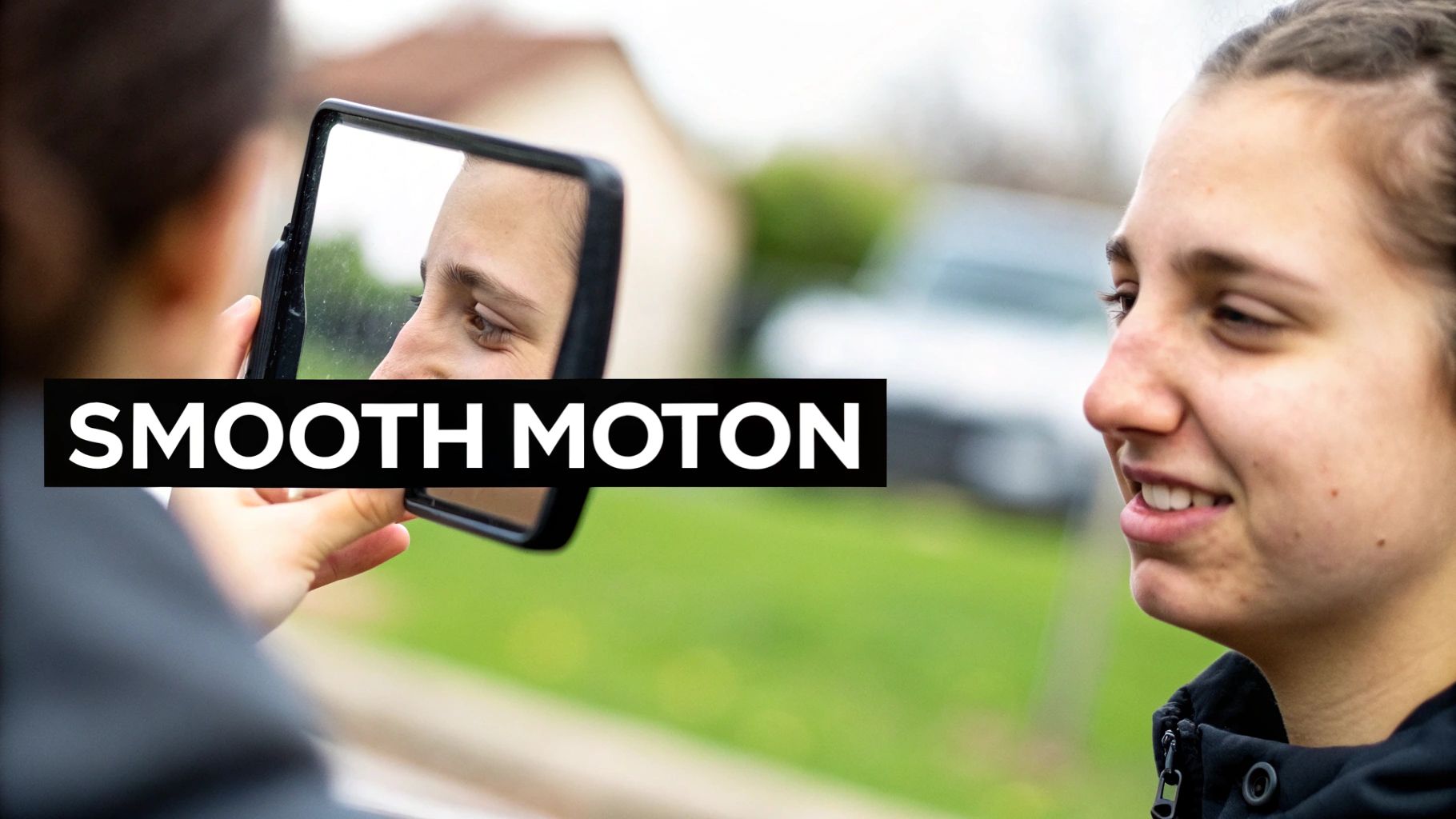
This technique has gained recognition for connecting tongue position, jaw alignment, and breathing in a natural way. The practice emerged alongside developments in orofacial myofunctional therapy, which helps correct muscle patterns in the face and mouth. Research shows promising results – children with speech issues have improved their articulation after using this method, while adults report less snoring and better sleep. Many people also notice improved facial appearance, as proper tongue posture can help define the jawline.
Features and Benefits:
- Muscle Relaxation: Helps release tension in jaw muscles and reduce pain
- Proper Tongue Positioning: Trains the tongue to rest naturally against the roof of the mouth
- Natural Jaw Rest Position: Promotes a relaxed, aligned jaw position
Pros:
- Gentle Approach: Safe and non-invasive for most people
- Anytime, Anywhere: Easy to practice throughout your daily activities
- Increased Awareness: Helps you notice and release jaw tension
Cons:
- Initial Awkwardness: May feel strange at first and take practice
- Habit Formation: Requires time to develop consistent tongue placement
- Delayed Results: Benefits typically appear gradually with regular practice
Practical Tips for Implementation:
- Teeth Slightly Apart: Keep a small gap between teeth to avoid clenching
- Maintain for 1-2 Minutes: Hold the position briefly, extending time as comfort improves
- Integrate into Daily Routine: Practice during regular activities like reading or working
The tongue-to-roof exercise stands out for its simplicity and effectiveness in addressing jaw pain at its source. By promoting proper positioning and muscle relaxation, it offers an accessible way to improve oral comfort and function. This technique benefits people with TMJ issues, breathing problems during sleep, and anyone looking to improve their facial posture. While it takes patience, the potential improvements make it worth adding to your daily routine.
4. Side-to-Side Jaw Movement
Jaw pain can make everyday activities like eating, talking, and sleeping difficult. Side-to-side jaw movement is a basic exercise that helps loosen jaw stiffness, boost mobility, and ease discomfort. The exercise specifically works the lateral pterygoid muscles – the ones responsible for moving your jaw sideways.
This technique has become a popular option for people with temporomandibular joint (TMJ) disorders, which affect the jaw joint and surrounding muscles. While TMJ issues often need professional care, simple movements like this one can provide relief when used as part of a treatment plan. It's especially helpful for those with TMJ problems, sleep apnea, or snoring challenges, since jaw position affects these conditions. Parents working with children on breathing or tongue issues may also find this movement beneficial for developing better oral motor control.
Key Benefits:
- Works the side jaw muscles to improve strength and flexibility
- Reduces stiffness and increases range of motion
- Helps with pain that's worse on one side
- Makes daily activities like chewing and speaking easier
- Can be done anywhere without special equipment
- Fits easily into a daily routine
Important Considerations:
- Incorrect form may cause temporary discomfort
- Requires careful attention to technique
- Not recommended during acute TMJ pain flare-ups
Tips for Success:
- Start Small: Begin with tiny movements, increasing range gradually
- Move Slowly: Use smooth, controlled motions – no jerking
- Watch Form: Check in a mirror to ensure straight side-to-side movement
- Right Amount: Do 10 repetitions on each side
- Stay Safe: Stop if you feel pain and check with your healthcare provider
For more exercises and oral health information, visit: Myohab Sitemap
Real Patient Example: One person with TMJ pain and limited mouth opening found that doing side-to-side jaw movements along with other prescribed exercises significantly improved their mobility and reduced pain over several weeks of practice.
This exercise earns its spot on our list because it directly targets sideways jaw motion in a simple, accessible way. While not a complete solution on its own, it's a key part of maintaining jaw health. Remember – if you have ongoing jaw pain, talk to a healthcare provider to get proper diagnosis and treatment guidance. They can identify what's causing your discomfort and recommend the best approach.
5. Fish Face Exercise
The Fish Face Exercise (or "cheek suck" exercise) is a proven way to build facial muscle strength. It helps reduce jaw pain and improve alignment by working key muscles that impact jaw function. People with TMJ disorders, sleep apnea, snoring issues, or those wanting better facial tone can benefit from this simple but effective exercise.
How it Works: When you suck in your cheeks and lips to make a "fish face," you engage multiple facial muscles including the buccinator (cheek), orbicularis oris (lip), and masseter and temporalis (jaw) muscles. Training these muscles helps build jaw stability and can decrease TMJ-related discomfort.
Key Applications: Beyond basic strengthening, this exercise serves several purposes. For sleep apnea and snoring, it can tone weak facial muscles that may contribute to airway blockage. Parents working with children on breathing or tongue positioning often use it to build oral motor control. Some people also practice it to define their cheekbones and firm facial contours.
Historical Context: While its exact origins aren't known, the Fish Face Exercise became more widely used as awareness of TMJ disorders grew. Many people now incorporate it into their daily routines since it's a simple, non-invasive way to address muscle imbalances that can cause jaw problems.
How to Do It Properly:
- Hold the "fish face" for 5-10 seconds
- Do 10 repetitions
- Practice 2-3 times per day
- Use gentle pressure – start slowly and increase hold time gradually
- Combine with other exercises like chin tucks and jaw stretches for better results
Benefits:
- Works multiple muscles at once: Gives facial muscles a thorough workout
- Easy to do anywhere: Can be practiced discreetly throughout the day
- Helps reduce tension: Can ease facial muscle tightness and discomfort
Potential Drawbacks:
- May feel awkward at first: Best practiced in private until comfortable
- Results take time: Requires consistent practice to see changes
- Technique matters: Proper form prevents strain and maximizes benefits
Research Support: A study in the Journal of Orofacial Pain found that facial exercises like the fish face helped TMJ patients reduce pain and improve jaw movement. The study group showed significant improvements compared to those who didn't do the exercises, though individual results varied.
This accessible exercise offers a natural way to improve jaw health and facial muscle function. Whether dealing with TMJ issues or seeking better facial tone, the Fish Face Exercise can be a helpful addition to your daily routine.
6. Chin Tuck Exercise
The Chin Tuck exercise helps reduce jaw pain from temporomandibular joint (TMJ) disorders by strengthening neck and head alignment muscles. This basic but essential exercise stands out for targeting the root cause of TMJ issues while being easy to do anywhere.
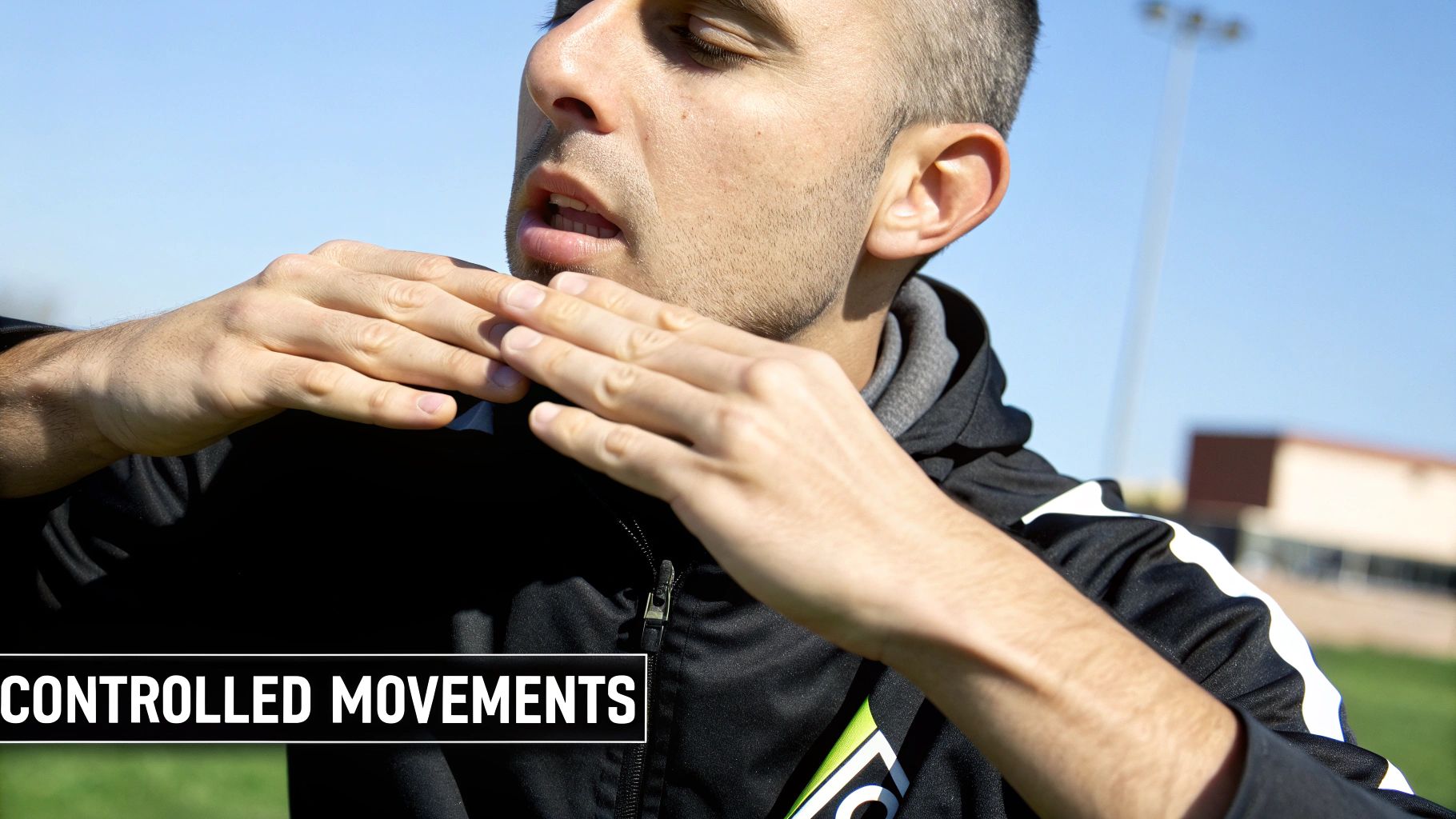
Poor posture, especially forward head position, often leads to jaw pain. The chin tuck helps correct this by realigning the head and neck. This improved alignment supports better breathing, reduces neck tension, and can enhance facial appearance. For more information on this connection, see: [Articles on sleep apnea and posture connection].
How to perform the Chin Tuck:
- Keep shoulders relaxed: Don't hunch or tense up
- Pull chin straight back: Create a slight double chin with gentle control
- Hold for 10 seconds: Focus on proper form
- Do 10 repetitions: Complete multiple sets daily
- Practice regularly: Make it part of your daily routine
Benefits:
- Improves posture
- Decreases neck strain
- Can do while working
- No equipment needed
Potential Challenges:
- Initial discomfort possible
- Needs regular practice
- Proper form essential
Physical therapists recommend the Chin Tuck as a key part of TMJ treatment. Studies show patients who regularly do chin tucks report less jaw pain and better function. See: [Further research on TMJ and posture]. This exercise also helps children with breathing or tongue issues and can improve facial symmetry and jawline definition. Many healthcare providers include chin tucks in treatment plans for TMJ, sleep problems, and oral muscle disorders.
For more information about myofunctional therapy and related topics, visit https://myohab.com/wp-sitemap-taxonomies-category-1.xml.
7. Goldfish Exercise
The Goldfish Exercise is designed to improve jaw function and relieve TMJ pain through gentle, precise movements. It helps people with jaw issues and those looking to improve their facial alignment through simple but targeted exercises.
How It Works:
Place one or two fingers on each TMJ (the joint where your jaw meets your skull, just in front of your ears) and one finger on your chin. Make small mouth-opening movements – similar to a goldfish – while using your fingers to monitor the movement. Your fingers on the TMJ help ensure even opening on both sides, while the finger on your chin guides proper alignment. Focus on smooth, controlled motions rather than wide opening.
Why It Deserves Its Place on the List:
This exercise stands out because it's both gentle and highly effective. The low-risk approach makes it suitable for most people, from beginners to those with existing TMJ issues. By focusing on body awareness and controlled movements, it helps retrain jaw muscles and improve function. It's especially helpful for people experiencing jaw clicking, popping, or limited range of motion.
Features and Benefits:
- Small, Controlled Movements: Minimizes risk of overextending the jaw
- Built-in Feedback System: Fingers provide real-time awareness of movement
- Proper Alignment: Promotes correct jaw mechanics
Pros:
- Direct Feedback: Allows you to feel and correct movements immediately
- Better Body Awareness: Improves connection with jaw muscles
- Safe Approach: Minimal risk for sensitive or painful TMJs
Cons:
- Requires Both Hands: Makes multitasking difficult
- Learning Curve: May need initial guidance to perform correctly
- Precision Required: Proper form is essential for results
Examples and Popularity:
Physical therapists and dentists regularly recommend the Goldfish Exercise in TMJ treatment programs. Research shows it helps reduce pain, improve motion range, and decrease jaw clicking. Its effectiveness and simplicity have made it a go-to exercise for at-home jaw care.
Tips for Implementation:
- Keep movements minimal: Think tiny goldfish, not whale shark
- Use a mirror at first: Watch yourself to ensure even movement
- Start with 6-8 reps: Don't overdo it
- Do 3 sets each day: Consistency brings results
Always check with your healthcare provider before starting these exercises, especially if you have specific jaw concerns or conditions.
Jaw Pain Relief Exercise Comparison: 7 Effective Techniques Analyzed
| Method | Difficulty | Time Required | Results | Best For | Key Benefit |
|---|---|---|---|---|---|
| Gentle Jaw Stretching | 🔄 Low | ⚡ Short (3-4 times daily) | 📊 Gradual tension relief | Beginners, low-risk users | Immediate tension reduction |
| Resistance Opening Exercise | 🔄 Moderate | ⚡ Short sessions | 📊 Improved muscle strength | Those needing stability | Strengthens jaw muscles |
| Tongue-to-Roof Exercise | 🔄 Low | ⚡ 1-2 minute periods | 📊 Optimized jaw rest position | Relaxation & awareness | Promotes proper tongue positioning |
| Side-to-Side Jaw Movement | 🔄 Low | ⚡ Short reps | 📊 Increased mobility | Flexibility improvement | Enhances lateral range of motion |
| Fish Face Exercise | 🔄 Moderate | ⚡ Brief, discreet routines | 📊 Engages facial muscles | Facial tension relief | Improves muscle coordination |
| Chin Tuck Exercise | 🔄 Low | ⚡ Brief, repeated sessions | 📊 Better posture & alignment | Office workers, posture correction | Reduces neck and jaw strain |
| Goldfish Exercise | 🔄 Moderate | ⚡ Moderate, multiple sets | 📊 Enhanced control | TMJ therapy participants | Develops muscle awareness |
Finding Lasting Relief from Jaw Pain
Managing TMJ discomfort starts with proper jaw exercises – from gentle stretches to targeted tongue and chin movements. These exercises help by strengthening jaw muscles, improving coordination, and reducing tension. The key is to start slowly and pay attention to proper form. Increase repetitions gradually as your comfort level grows, and stop any movements that cause sharp pain.
Make these exercises part of your daily routine for the best results. Pick a specific time each day to do them, perhaps setting a phone reminder to help you stay consistent. Notice how your jaw responds and adapt the exercises based on what works best for you. It's normal to find certain movements more helpful than others.
Research in jaw therapy continues to advance, bringing new insights into treatment approaches. From mobile apps that help track progress to customized exercise programs, there are more tools than ever to support jaw health improvement. Staying informed about these developments helps you take better care of your jaw.
Key Takeaways:
- Consistency is key: Regular practice is crucial for achieving long-term relief.
- Proper form matters: Perform exercises correctly to avoid exacerbating pain.
- Listen to your body: Adjust repetitions and exercises based on your individual needs.
- Seek professional guidance: Consult a healthcare professional or physical therapist for personalized advice.
- Stay informed: Keep up-to-date with advancements in myofunctional therapy.
While these exercises give you a solid foundation, professional guidance can enhance your progress. Myohab specializes in myofunctional therapy programs that target the root causes of jaw pain, TMJ disorders, and sleep apnea. Our experienced therapists create personalized exercise plans and guide you through proper technique. Whether you're dealing with ongoing jaw pain, want better sleep, or aim to improve facial muscle tone, we can help. Ready to take control of your jaw health? Visit myohab.com to schedule a consultation.

