
The Adult Jaw Expansion Journey: What You Need To Know
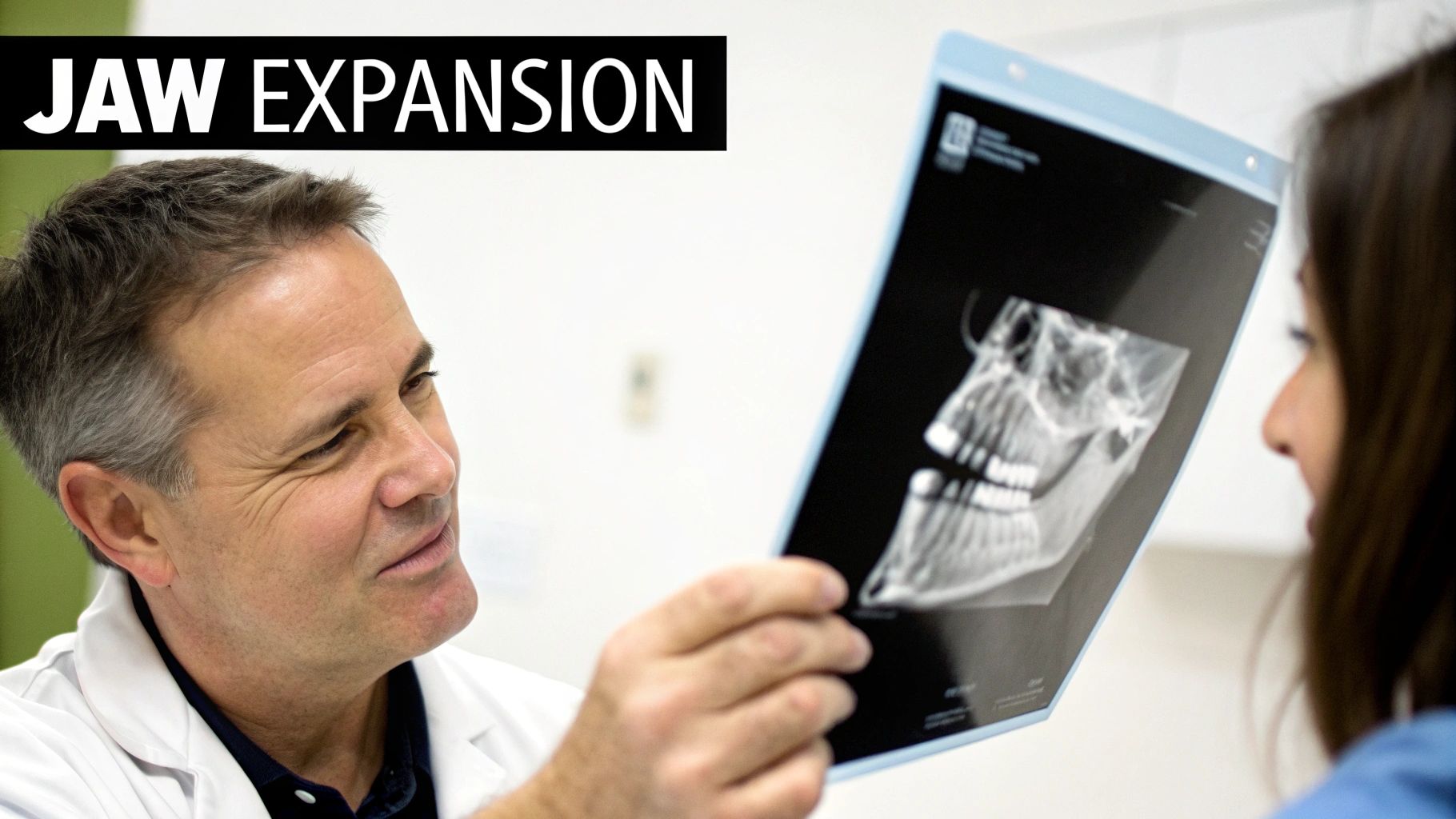
Jaw expansion for adults is a different ballgame compared to the same procedure for children. This difference boils down to bone structure. A child's maxillary bones are still developing and haven't fused yet, making expansion relatively straightforward. However, in adults, these bones are fully fused. This makes the process more intricate and often requires a longer treatment timeline. Let's explore the details of adult jaw expansion.
Understanding The Adult Jaw Structure And Expansion Challenges
The fused maxillary bones in adults create unique hurdles for expansion. Unlike a child's flexible jaw, an adult jaw needs more force to expand. This can sometimes lead to discomfort or the need for surgery.
Surgically Assisted Rapid Palatal Expansion (SARPE) is one such procedure. SARPE involves surgically separating the maxillary bones before using a palatal expander. This approach allows for quicker and more effective widening.
Adult palatal expansion is complex because of the fully formed jawbones. Adults require more time and sometimes surgery, unlike children whose maxillary bones are not yet fused. Studies show that between 8% and 22% of orthodontic patients have a transverse maxillary deficiency, correctable through palatal expansion. The process involves applying steady pressure to the upper jaw, gradually widening the bone. Since adult bones are fused, expansion is slower and might require SARPE for optimal results. Learn more about palatal expanders for adults here.
Types Of Jaw Expanders For Adults
Various jaw expanders are available for adults, each with its own mechanics and advantages. Understanding these differences helps you make informed decisions.
- Hyrax Expanders: These common expanders have a screw attached to bands cemented onto the molars. Turning the screw gradually widens the palate.
- Haas Expanders: Similar to Hyrax expanders, Haas expanders have an acrylic plate touching the palate for even force distribution.
- MARPE Appliances: These appliances use mini-implants for anchorage, providing more controlled and predictable expansion, especially when significant widening is needed.
- Quad Helix: While primarily for growing patients, the Quad Helix can sometimes be used in adults for minor expansion and arch development.
Choosing the right expander depends on individual needs and case complexity. Factors like the degree of expansion, bone structure, and overall oral health play a role.
Consulting with a qualified orthodontist is essential. They will assess your situation and recommend the best expander to achieve your desired outcome.
Life-Changing Benefits Beyond Just Straighter Teeth

Jaw expanders for adults offer a surprising range of advantages that extend beyond simply straightening teeth. These benefits can significantly enhance both physical well-being and overall quality of life. Addressing a constricted upper jaw can create positive changes throughout the body.
Breathing Easier: Improved Airway and Reduced Snoring
One of the most notable benefits of jaw expansion is improved breathing. Expanding the maxilla (upper jaw) creates more room for the nasal passages.
This expansion can make nasal breathing easier, which is essential for good health. For those who experience snoring or mild sleep apnea, jaw expansion can potentially lessen or even eliminate these issues.
By opening up the airway, jaw expansion can contribute to better sleep and increased energy levels during the day.
Addressing TMJ and Headache Relief
Many adults suffer from temporomandibular joint (TMJ) disorders and persistent headaches. Jaw expansion can alleviate pressure on the TMJ and the surrounding muscles by improving jaw alignment.
This can bring considerable relief from pain and discomfort. By addressing the root cause, jaw expansion offers a more sustainable solution than simply managing symptoms.
Enhanced Facial Aesthetics and Symmetry
While not the primary objective, jaw expansion often results in noticeable improvements in facial aesthetics. Expanding the upper jaw can lead to a broader, more symmetrical smile and improved facial balance.
This can increase self-confidence and enhance overall appearance. This aesthetic improvement is a welcome bonus for many adults undergoing the procedure.
Improved Oral Function: Chewing, Speaking, and Swallowing
Correct jaw alignment is essential for optimal oral function. Jaw expansion can enhance chewing efficiency by providing adequate space for teeth to align correctly.
It can also improve speech clarity and ease swallowing. These functional improvements contribute to better oral health and overall well-being.
Reducing the Need for Extractions
When teeth are crowded, jaw expansion can create the space needed for proper alignment without requiring tooth extractions. This helps preserve natural teeth and avoids potential complications associated with tooth removal.
Keeping your natural teeth is always the preferred option for long-term oral health.
Surgical Vs. Non-Surgical Jaw Expansion for Adults
Choosing between surgical and non-surgical jaw expansion can feel like navigating a maze. This guide breaks down the key differences between Surgically Assisted Rapid Palatal Expansion (SARPE) and non-surgical methods, empowering you to have a productive discussion with your orthodontist.
Non-Surgical Jaw Expansion: A Gentler Approach
Non-surgical expansion uses appliances like the Hyrax, Haas, or MARPE expanders to gradually widen the upper jaw. These devices apply consistent, gentle pressure, encouraging bone remodeling over time.
This approach is ideal for patients with mild to moderate expansion needs who prefer to avoid surgery. However, it typically involves a longer treatment timeline. One study showed the Haas expander achieved an average expansion of 4.6 mm at the first molars and 4.7 mm at the first premolars in adult patients. Learn more about non-surgical approaches in this detailed article: Palatal Expansion in Adults: The Non-Surgical Approach.
SARPE: Expedited Expansion
SARPE involves a surgical procedure to separate the maxilla, allowing for rapid expansion. A palatal expander then stabilizes the jaw in its new position. While SARPE provides quicker results, it also requires a surgical recovery period.
This method is often recommended for adults with significant expansion needs or dense bone structure that might hinder non-surgical expansion. It’s a more invasive procedure, but it can deliver significant changes in a shorter timeframe.
Choosing the Right Path: Factors to Consider
The best approach depends on individual factors, including:
- Age: Younger adults with denser bone might be better suited for non-surgical expansion.
- Bone Density: Denser bone can make non-surgical expansion more challenging.
- Expansion Goals: The extent of expansion needed influences the choice between gradual and rapid methods.
- Anatomy: Specific anatomical factors can impact the suitability of each approach.
To help you visualize the key differences, let's look at a comparison table:
The following table summarizes the key differences between surgical and non-surgical jaw expansion:
| Factor | Surgical Expansion (SARPE) | Non-Surgical Expansion |
|---|---|---|
| Procedure | Surgical separation of the maxilla followed by expansion | Gradual expansion using an appliance |
| Speed | Rapid | Gradual |
| Recovery Time | Longer, involves surgical recovery | Shorter, typically minimal discomfort |
| Invasiveness | More invasive | Less invasive |
| Best Suited For | Significant expansion needs, dense bone | Mild to moderate expansion needs, preference for non-surgical options |
| Cost | Typically higher | Typically lower |
As you can see, both methods offer distinct advantages and disadvantages. Choosing the right one depends on your individual circumstances and preferences.
Recovery, Comfort, and Cost Considerations
Recovery, comfort, and cost also differ significantly between the two methods. Non-surgical expansion usually involves minimal discomfort and a shorter recovery time. SARPE, however, necessitates surgical recovery and may involve more initial discomfort. Costs vary depending on the complexity, chosen method, and individual provider fees.
Making an Informed Decision
Choosing the right path requires careful consideration of your individual needs and goals. By understanding the differences between surgical and non-surgical jaw expansion, you can have a more informed conversation with your orthodontist. Consulting with a specialist experienced in adult jaw expansion is crucial for navigating the complexities of each option.
Understanding The Risks: What Doctors Don't Always Tell You

While jaw expansion can offer several advantages for adults, it's important to understand the potential downsides. Knowing the risks allows you to approach treatment with realistic expectations and make informed choices about your oral health.
Common Side Effects: Temporary Discomfort and Speech Changes
Initially, some discomfort is common with jaw expansion. You might experience soreness in your jaw, teeth, or gums. Some people also notice temporary speech changes, such as a lisp, while adjusting to the expander.
These side effects are typically mild and improve as your mouth adapts. However, any persistent or increasing discomfort should be discussed with your orthodontist.
More Serious Risks: Tooth Mobility, Root Resorption, and TMJ Issues
Although less frequent, more serious risks can occur. Tooth mobility, where teeth loosen, and root resorption, a shortening of the tooth roots, are potential complications. Jaw expansion can sometimes worsen existing temporomandibular joint (TMJ) issues.
A thorough pre-treatment evaluation is crucial to identify any potential risk factors and discuss them with your doctor.
FDA Concerns and Adult Jaw Expansion
The FDA has issued warnings regarding the use of fixed palatal expanders in adults. Reported complications include chronic pain, tooth dislocation, and bone erosion. More detailed statistics can be found here.
These devices are not yet considered entirely safe or effective for treating adult conditions like sleep apnea or TMJ disorders, and the FDA is currently investigating these safety concerns. Choosing a qualified provider and maintaining open communication with your healthcare professional are essential.
Minimizing Risks: Proactive Strategies For a Safer Journey
Many risks can be reduced with careful planning and proactive strategies. Choosing an experienced orthodontist specializing in adult jaw expansion is paramount. A comprehensive pre-treatment evaluation, including imaging and a thorough assessment of your oral health and anatomy, is essential.
Ongoing monitoring during treatment allows for early detection and management of any potential complications. Taking these precautions can significantly decrease the chance of adverse effects. Additionally, incorporating myofunctional therapy, such as that offered by Myohab, can complement your treatment and help strengthen oral and facial muscles, potentially further minimizing risks and improving overall results.
Your Week-by-Week Guide to Adult Jaw Expansion
Thinking about getting a jaw expander as an adult? This guide breaks down each stage of the journey, from your first appointment to the final retention phase. We'll cover practical tips and real-world advice to help you along the way.
Initial Consultation and Evaluation
Your journey starts with a comprehensive consultation. The orthodontist will assess your jaw, bite, and overall oral health. They'll likely take X-rays and digital scans to create a 3D model of your mouth. This detailed evaluation helps determine the ideal type of expander and treatment plan for your specific needs.
Device Fitting and Activation
Once your treatment plan is finalized, the next step is fitting your custom-made expander. The orthodontist will carefully place the appliance, ensuring a comfortable fit. The initial activation often happens the same day. You'll get clear instructions on how to activate the expander at home, typically using a special key. This gradual activation starts the expansion process.
Active Expansion Phase: Weeks 1-12
The active expansion phase typically lasts several weeks, depending on your individual needs. You'll turn the key as directed by your orthodontist, usually once or twice a day. Expect some pressure and mild discomfort as your palate expands. Regular check-ups are vital to monitor progress and address any questions.
Managing Discomfort and Oral Hygiene
Some discomfort during active expansion is normal. Over-the-counter pain relievers like Ibuprofen can help manage any soreness. Maintaining excellent oral hygiene is also essential. Brush carefully around the expander to prevent food buildup and plaque. An antiseptic mouthwash can further promote a clean and healthy mouth.
Retention Phase: Maintaining Your New Smile
Once the active expansion phase is complete, the retention phase begins. The expander stays in place for a few months to allow new bone growth and stabilization, preventing the jaw from shifting back. Your orthodontist will continue to monitor your progress and make adjustments as needed.
Dietary Adjustments and Social Situations
You might need to adjust your diet during treatment. Avoid sticky or hard foods that could damage the expander. Choose softer, easier-to-chew options instead. Talking might feel different initially, but you'll adapt quickly. Open communication with your orthodontist about any challenges is encouraged.
To help you visualize the process, here's a detailed timeline:
Timeline of Adult Jaw Expansion Treatment
A comprehensive timeline showing the stages of jaw expansion treatment for adults, from initial consultation through final retention.
| Treatment Stage | Duration | What to Expect | Care Instructions |
|---|---|---|---|
| Consultation | 1-2 hours | Evaluation, X-rays, treatment planning | Discuss concerns, ask questions |
| Device Fitting | 1-2 hours | Placement of the expander, initial activation | Understand activation instructions, practice turning the key |
| Active Expansion | Several weeks | Gradual widening of the palate, potential discomfort | Turn key as instructed, manage discomfort, maintain oral hygiene |
| Retention | Several months | Stabilization of new jaw position, monitoring | Regular check-ups, follow orthodontist's instructions |
This table summarizes the key stages of treatment, highlighting the duration and what you can expect at each step. It also emphasizes the importance of proper care and communication with your orthodontist.
This week-by-week guide provides a clear overview of the adult jaw expansion process. Each stage is crucial for achieving optimal results and long-term oral health. Remember, open communication with your orthodontist is key throughout your treatment journey.
Real Results: Adult Patients Share Their Expansion Journeys
Beyond the clinical details, what's it truly like to undergo jaw expansion as an adult? This section offers a glimpse into the real-life experiences of patients who've been through this treatment. We'll explore their challenges, successes, and the rewarding outcomes they achieved.
Adapting To The Expander: Initial Challenges and Strategies
The first few weeks with a jaw expander require an adjustment period. Many patients experience initial pressure or tightness in the palate. Some also notice temporary speech changes, such as a slight lisp.
One patient, Sarah, described her first week as "definitely noticeable, but not unbearable." She found practicing tongue twisters helpful in adapting to her speech changes. This highlights the importance of patience and proactive strategies early on.
Managing Discomfort: Tips and Tricks From Experienced Patients
While some discomfort is expected, there are effective ways to manage it. Many patients find relief with over-the-counter pain relievers like Ibuprofen.
John, another patient, shared, "I used a warm saltwater rinse several times daily, which really soothed any soreness." These practical tips, drawn from patient experiences, offer valuable guidance for navigating the initial treatment stages.
Emotional Aspects: From Self-Consciousness To Confidence
The emotional journey of jaw expansion is as important as the physical one. Initially, some patients may feel self-conscious about the expander.
However, as they see positive changes, their confidence grows. Maria, who completed treatment, described, "At first, I hesitated to smile, but now I can't stop! The change in my bite and facial symmetry is incredible." These stories offer encouragement and inspiration for those considering the procedure.
Milestones and Timelines: Tracking Progress and Celebrating Successes
The expansion journey is marked by key milestones. Initially, patients focus on adapting to the expander and managing any discomfort.
As weeks pass, noticeable changes appear in their bite and jaw alignment. One common change is increased space between the teeth. Most patients become comfortable with their expander within a few weeks, with significant results typically appearing within a few months. Celebrating these wins keeps motivation high throughout the process.
Specific Results Achieved: Real Patients, Real Transformations
The outcomes of jaw expansion can be life-altering. Patients report improvements in breathing, speech, and overall oral function. Some experience relief from TMJ pain and headaches.
James, a patient who underwent expansion, remarked, "My sleep apnea has greatly improved, and I no longer wake up with headaches." These real-world results highlight the potential of jaw expansion to positively impact not just smiles but also overall well-being. Understanding typical timelines and patient experiences can empower you to approach your own journey with optimism. These personal accounts offer a realistic view of the challenges and rewards ahead.
Finding Your Ideal Jaw Expansion Expert: Recognizing Red and Green Flags
Choosing the right provider for adult jaw expansion is crucial for a successful and comfortable treatment. Adult needs differ significantly from children's, and not all orthodontists possess the same level of experience with this specialized procedure. This guide will equip you with the knowledge to evaluate potential providers effectively.
Key Questions to Ask Potential Providers
Asking the right questions can reveal a provider's true expertise in adult jaw expansion. Consider these essential questions during consultations:
- "How many adult jaw expansion cases have you treated?" A higher number often indicates more experience with the complexities of adult treatment.
- "What are your success rates with adult expansion?" Ask about specific outcomes and quantifiable results, rather than general statements.
- "What is your approach to managing potential complications?" A well-prepared provider will have established protocols for addressing any challenges.
- "Do you use 3D imaging and digital planning for adult cases?" 3D imaging and digital planning allow for more precise and predictable treatment.
- "Do you collaborate with other specialists, like oral surgeons, for complex adult cases?" Collaboration with other specialists can be vital for complex cases.
These targeted questions can offer valuable insights into a provider's experience and approach to patient care.
Red Flags: Warning Signs of Limited Experience
Be cautious of providers who exhibit these red flags:
- Dismissing your concerns: A good provider listens attentively and addresses all your questions thoroughly.
- Lack of specific adult case examples: If they can't showcase successful adult cases, their experience in this area might be limited.
- Overpromising results: Be wary of guarantees, as each patient's situation is unique.
- Pushing for one-size-fits-all solutions: Adult jaw expansion requires personalized treatment plans.
- Hesitation to collaborate with other specialists: Complex cases often benefit from a team approach.
Recognizing these red flags can help you avoid a provider who isn't the right fit.
Green Lights: Signs of a Qualified Expert
Look for these green lights when evaluating potential providers:
- Board certification in orthodontics: This signifies specialized training and adherence to high professional standards.
- Membership in professional organizations like the American Association of Orthodontists: This demonstrates a commitment to continuing education and keeping up-to-date with advancements.
- Emphasis on patient education and communication: A qualified expert will take the time to explain the procedure clearly and answer your questions comprehensively.
- Personalized treatment plans tailored to adult needs: Your treatment plan should be specifically designed for your individual circumstances.
- A focus on long-term stability and retention: A good provider will discuss strategies for maintaining results after active expansion.
Finding a provider with these qualities can significantly improve your chances of a successful outcome. Many experienced orthodontists also recognize the value of incorporating myofunctional therapy, like the programs offered by myohab, to enhance treatment results.
Seeking a Second Opinion and Ensuring Clear Communication
Don't hesitate to get a second opinion if you're unsure about a recommended treatment plan. Gathering different perspectives can help you make a confident decision. Maintain clear communication with your chosen provider throughout your treatment journey. Openly discuss realistic outcomes and any concerns you may have. Clear communication is key to a positive and successful experience. By understanding these red flags and green lights, you can make an informed choice for your adult jaw expansion journey and achieve your desired results safely and effectively.
Ready to start your journey towards a healthier smile? Explore personalized myofunctional therapy options at myohab to complement your jaw expansion treatment and enhance your results.

