
Understanding the Science Behind Proper Mewing
Mewing may seem simple – just resting your tongue against the roof of your mouth. But there's fascinating science at work involving the interplay of muscles, bones and breathing patterns. The technique focuses on the maxilla – the bone forming your upper jaw and central face. This bone shapes your cheekbones, nose, and overall facial structure, making it key to understanding mewing's effects.
The Role of the Maxilla
Think of the maxilla like clay that can be gently molded over time through consistent pressure. When you maintain proper tongue posture through mewing, you create steady upward force that may guide maxillary development. Just as clay slowly takes shape under careful hands, your facial structure can adapt to tongue positioning with patience and proper technique.
Breathing and Facial Development
Good mewing naturally promotes nasal breathing, which offers important health benefits. When your tongue rests correctly on the palate, it helps expand your airway for easier nose breathing. Nasal breathing filters, warms and adds moisture to incoming air – supporting better respiratory function. Many people find their sleep quality and focus improve with consistent nasal breathing.
Correct Technique: The Key to Success
Success with mewing depends entirely on proper form. You need full tongue contact against the palate, especially engaging the back third to create gentle, steady pressure for potential maxillary changes. For technique guidance, check out: How to master the mewing technique. Much like the growing interest in specialized wellness practices, research shows the global pet grooming market will reach USD 16.8 billion by 2032. Learn more in this extensive report on pet grooming market trends. This reflects increasing focus on personal care and health optimization across many areas. Understanding mewing's principles and practicing with proper form gives you the best chance at positive results.
Mastering Essential Mewing Techniques

Proper mewing involves more than just placing your tongue on the roof of your mouth. To get real results, you need to master tongue posture, pressure control, and breathing coordination. Let's break down the key techniques and common mistakes to help you mew effectively.
To help guide your practice, here's a detailed comparison of correct and incorrect mewing techniques:
| Aspect | Correct Technique | Common Mistakes |
|---|---|---|
| Tongue Position | Full tongue contact with palate, including back third | Only tip touches palate; gaps between tongue and roof |
| Pressure Level | Gentle, even pressure throughout | Too much force; uneven pressure spots |
| Breathing | Smooth nasal breathing | Mouth breathing; restricted airflow |
| Duration | Consistent daily practice | Sporadic practice; giving up too soon |
| Muscle Tension | Relaxed jaw and face muscles | Clenched jaw; facial strain |
Perfecting Your Tongue Posture
The key to successful mewing starts with proper tongue placement. Your entire tongue should rest against your palate (roof of mouth), with special attention to positioning the back third. Think of it like gently pressing a soft sponge upward – firm enough to stay in place, but not so hard that it causes strain.
Distributing Pressure Evenly
Balance is crucial when applying pressure with your tongue. Imagine spreading butter evenly on toast – you want consistent contact across the whole palate surface. Too much force in one spot not only feels uncomfortable but can also work against your goals.
Breathing Coordination: The Missing Piece
When you mew correctly, nasal breathing becomes natural and effortless. A proper tongue position opens your airway and encourages healthy breathing patterns. This helps improve sleep quality and mental focus. Speaking of wellness trends, it's interesting to note that in the United States, the pet grooming industry commands 56% of the global market share, showing how Americans prioritize care and wellbeing. Learn more about these statistics at Dogster.
Common Mistakes and How to Fix Them
Many people make basic errors that limit their mewing success. Watch out for only using the tip of your tongue, pushing too hard, or practicing inconsistently. Fixing these mistakes early helps build better habits and leads to better results.
Practical Exercises for Muscle Memory
Building muscle memory makes proper mewing feel natural and automatic. Practice targeted exercises like holding your tongue position for set time periods, practicing proper swallowing, and doing gentle tongue presses. These simple drills help train your muscles to maintain correct form throughout the day.
Maximizing Health Benefits Through Proper Form
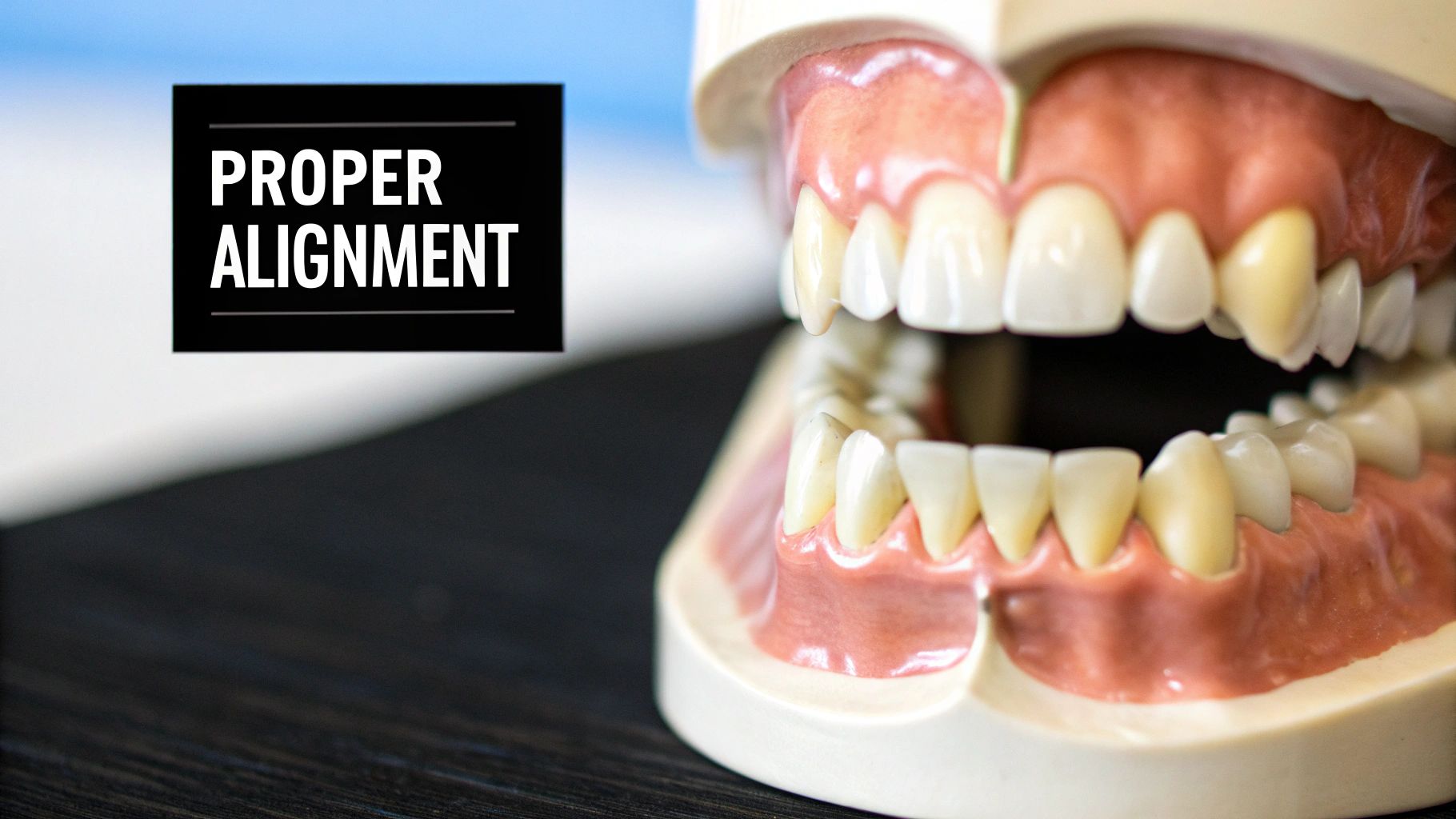
Mewing is about more than just looks – it's about optimizing your overall health. When you understand how proper tongue posture affects your breathing, facial development, and sleep quality, you'll be more motivated to maintain good form. The right technique can lead to real improvements in multiple areas of health.
Breathing Easier with Proper Mewing
When you position your tongue correctly against your palate, you naturally open up your airways. This makes breathing through your nose much easier and more effective. Nasal breathing helps filter, warm and moisturize the air before it reaches your lungs. Many people notice improvements in snoring and mild sleep breathing issues once they master proper tongue posture.
Enhanced Facial Symmetry: A Gradual Transformation
The gentle pressure from your tongue can help shape facial features over time. While everyone's results vary based on age, genes and bone structure, consistent practice may lead to more defined features. The key is patience – meaningful changes take dedication and time. Focus on maintaining good form rather than rushing for quick results.
Recognizing Progress and Staying Motivated
Look for small wins as you develop proper mewing technique. Early signs might include better nasal breathing or increased tongue awareness. As your muscles adapt, you may notice gradual changes in your facial features. Most people need several months or even years of consistent practice to see significant structural changes. Interestingly, this growing interest in personal health spans many markets. For example, pet grooming services are booming in Asia-Pacific as more people focus on wellness. Learn more in this market research report.
Maintaining Consistency for Long-Term Benefits
Like any healthy habit, consistency is crucial for mewing. Make proper tongue posture part of your daily routine, including while you sleep. Regular practice helps maintain steady pressure on the maxilla, which optimizes your chances of seeing positive changes. While it takes conscious effort at first, the potential benefits make it worthwhile to develop good tongue posture as a lifelong habit.
Overcoming Common Mewing Challenges

Building proper mewing habits isn't easy. Many people face roadblocks on their journey. Let's explore some common challenges and practical solutions to help you succeed with mewing.
Here's a breakdown of key challenges and how to overcome them:
| Challenge | Impact | Solution |
|---|---|---|
| Tongue Fatigue | Difficulty maintaining position | Start with short sessions, gradually build up time |
| Inconsistent Position | Reduced effectiveness | Set reminders, link to daily activities |
| Sleep Mewing | Lost progress during sleep | Focus on daytime practice first, try side sleeping |
| Discomfort | Pain or strain | Use gentle pressure, do tongue stretches |
| Motivation | Giving up too soon | Track progress with photos, focus on health benefits |
Tongue Fatigue
The most common hurdle is tongue muscle exhaustion. Your tongue may tire quickly when you first start mewing, since these muscles aren't used to extended positioning. This fatigue often leads to dropping proper form. The fix? Start with 5-10 minute sessions several times per day. As your muscles strengthen, slowly increase duration. Think of it like training at the gym – consistent, manageable workouts beat sporadic marathon sessions.
Keeping Proper Position
Many people struggle to maintain correct tongue posture through their daily activities. It's easy to forget proper form, especially during meals or while concentrating on work. Try setting phone alerts or linking mewing checks to routine actions like drinking water or checking the time. For more tips, check out how to make mewing a consistent habit.
Sleep Mewing Struggles
Maintaining tongue position during sleep poses a unique challenge. Many find their tongue drops and mouth opens while sleeping, undoing daytime progress. Focus first on mastering mewing while awake. This builds muscle memory that can carry over into sleep. Some find sleeping on their side helps keep proper form through the night.
Managing Discomfort
Some discomfort when starting is normal, but sharp pain means something's wrong. Initial soreness often comes from tension, tongue restrictions, or poor technique. For mild discomfort, try gentle tongue stretches and facial massage. If you experience real pain, stop and check with a medical professional. Remember – proper mewing should feel natural, not forced.
Staying on Track
Like any healthy habit, mewing requires dedication over time. Results come gradually, which can test patience. Focus on the broader benefits – better breathing, improved oral posture, and potential facial changes. Take progress photos monthly to track small changes. Having visual proof of improvement, even minor, helps maintain motivation for the long haul.
Essential Tools for Proper Mewing Practice
Good mewing technique requires dedication and consistency. While you don't need fancy equipment, some basic tools can help you stay on track and perfect your form. Here are some practical resources to support your mewing journey.
Using Everyday Items for Progress Tracking
You likely already have everything you need to monitor your mewing progress at home. Your smartphone camera is perfect for taking weekly profile photos to track facial changes over time. A simple handheld mirror is also invaluable – keep one nearby to check your tongue position throughout the day, especially when you're first building the habit.
Mewing Apps and Digital Tools
There are now several apps made just for mewing, offering helpful features like posture reminders and progress photos. While these can be useful, remember they're just aids – focus first on mastering proper technique. For deeper learning, check out: How to master additional helpful information about mewing.
Evaluating Mewing Devices
Some companies sell special mewing tools like tongue posture trainers or orthotropic devices. These range from retainer-style appliances to specialized chewing gum. Be cautious with any device – research thoroughly and talk to a dental professional before purchasing. The most important tools are often the simplest ones.
Expert Guidance: When to Seek Professional Help
While many people practice mewing successfully on their own, some situations call for professional support. If you experience ongoing discomfort or struggle with proper tongue placement, consider seeing a myofunctional therapist or orthodontist. They can check your technique and provide personalized guidance. Poor mewing form can potentially cause TMJ problems, so don't hesitate to get expert help if needed.
Choosing the Right Tools for Your Needs
The best mewing tools depend on your individual goals and experience level. Start with basics like mirrors and photo tracking while learning proper technique. As you advance, you might find certain apps or tools helpful for consistency. Remember – focus on mastering fundamental mewing principles rather than looking for quick fixes or miracle devices.
Building a Sustainable Mewing Routine

Making mewing a natural part of your daily life goes beyond just knowing the proper technique. You need to develop consistent habits and find ways to make it work for your lifestyle. Let's explore practical strategies to help you succeed.
Creating Environmental Triggers and Reminders
Link mewing to activities you already do each day. Check your tongue position when you brush your teeth, take a drink of water, or start work at your desk. These daily activities become natural reminders to maintain proper form. Setting phone alerts can also help, especially when you're first starting out.
Developing Accountability Systems
Having support makes a big difference in sticking with any new habit. Team up with a friend who's also interested in mewing, or join an online mewing community where you can share experiences. Take progress photos to track changes – seeing results, even small ones, helps keep you motivated and focused on your goals.
Establishing Regular Check-In Routines
Take time each day to review your technique. A quick evening check-in before bed lets you assess your tongue posture and spot areas that need work. These daily reviews help you catch and fix any form issues early on. Regular self-checks also let you adjust your approach as you get better at mewing.
Adapting Your Approach Over Time
Everyone's mewing journey is different. Pay attention to what works best for you and be willing to make changes. For example, you might start by focusing on proper form during the day, then gradually work on maintaining good tongue posture while sleeping as your muscles get stronger.
Building lasting mewing habits takes time and dedication. By using these practical strategies, you can turn mewing from something you have to think about into something that feels natural. For personalized guidance on improving your facial muscle function, check out myohab for expert help with myofunctional therapy.

