
Understanding Your Facial Structure Blueprint
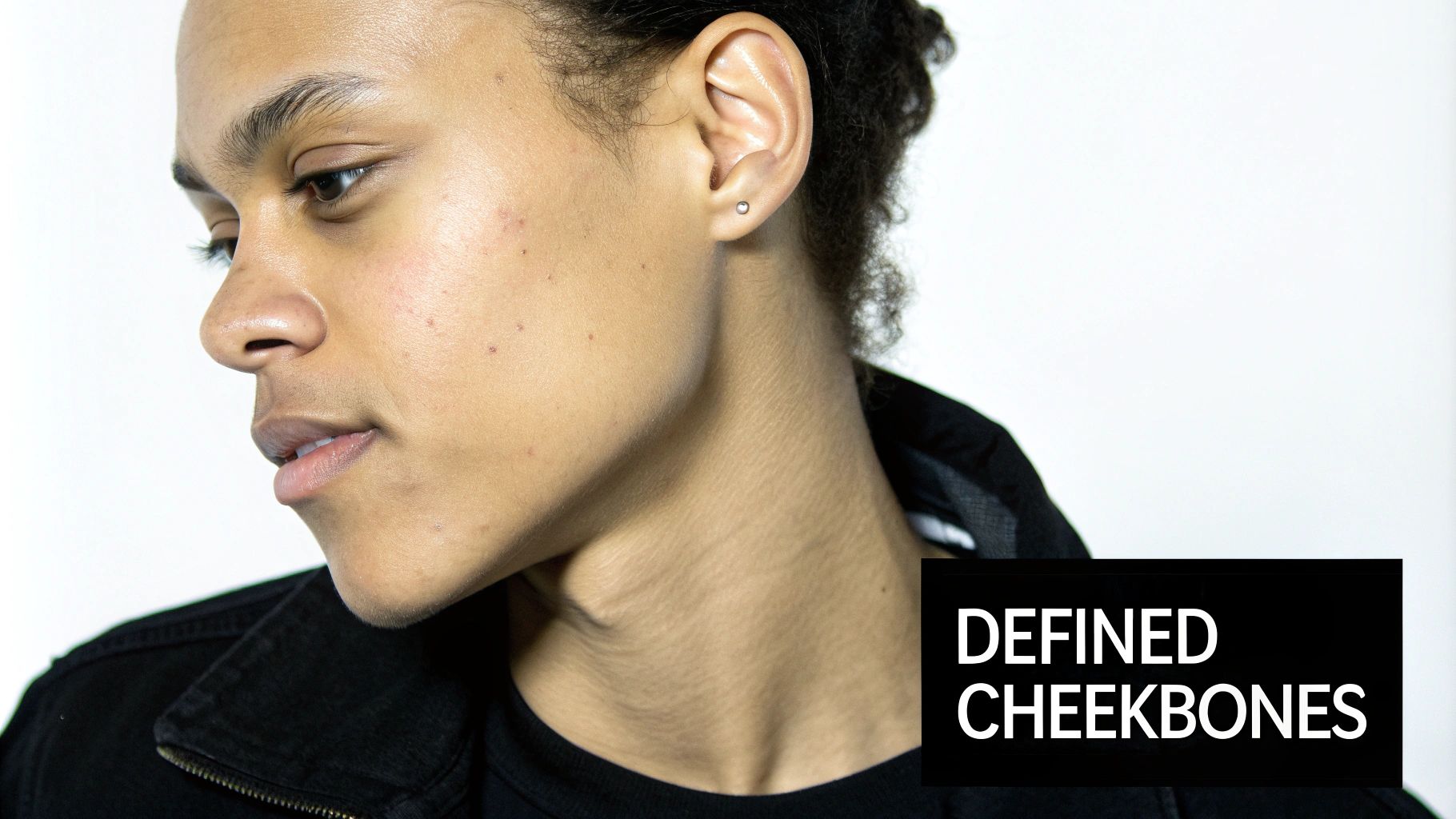
When aiming for hollow cheekbones, it's essential to first understand how your unique facial features work together. Think of your face like a puzzle – the bones, fat, and muscles all connect in specific ways that create your natural look. Some people are born with naturally defined cheekbones, while others may need different approaches to achieve a similar appearance.
The Role of Bone Structure in Cheek Definition
Your facial bones are like the framework of a house – they determine your basic facial shape. The position and prominence of your cheekbones greatly affect how hollow your cheeks appear. People with naturally angular faces tend to have more defined hollow cheeks due to the sharp angle between their cheekbones and jawline. But don't worry if you weren't born with prominent cheekbones – there are still ways to enhance what you have.
The Impact of Fat Distribution
The amount and location of facial fat directly affects how defined your cheeks look. Even if you have high cheekbones, excess facial fat can mask their definition. Your overall body fat percentage plays a big part here – just look at male models, who typically maintain very low body fat (8-12%) to achieve that chiseled look. Reducing overall body fat can help reveal more cheekbone definition by reducing facial padding.
Muscle Placement and Its Influence
Your facial muscles work alongside your bone structure and fat distribution to shape your appearance. Strong, toned facial muscles can help lift and define your cheeks. Face exercises, including facial yoga and muscle-toning techniques, can strengthen these muscles over time. Regular practice helps create more definition and lift in your cheek area.
Setting Realistic Expectations: Embracing Your Individuality
While it's fine to work toward your ideal look, it's important to understand what's possible for your face. Your genes set certain limits on how hollow your cheeks can become. Age also changes things – as we get older, we naturally lose facial volume, but this differs from the youthful hollowed look many people want. Focus on working with your natural features rather than fighting against them. Remember that beauty comes in many forms, and your unique facial structure is what makes you, you.
Mastering Body Composition for Enhanced Definition
The path to well-defined cheekbones involves much more than simple weight loss – it requires understanding how your body's composition affects facial features. When most people focus solely on losing weight, they miss the crucial interplay between muscle and fat that creates facial definition. A balanced approach that builds muscle while reducing fat is essential for achieving that sought-after hollow cheek appearance.
The Impact of Body Fat Percentage on Facial Aesthetics
The amount of fat stored in your face directly relates to your overall body fat percentage. For instance, male models who are known for their sharp, defined features typically maintain body fat levels between 8% and 12%. At these lower percentages, facial bones become more visible, creating that coveted chiseled look. But don't worry – you don't need to reach such extreme levels to see improvements. Some people naturally carry less facial fat due to their genetics, showing more definition even at higher body fat percentages.
Targeted Nutritional Strategies for Facial Fat Reduction
While spot reduction of facial fat isn't possible, a well-planned diet supports overall fat loss that will show in your face. Focus on building meals around whole foods – lean proteins, complex carbs, and healthy fats. Pay special attention to sodium intake, as excess salt leads to water retention that can make your face appear puffy. Choose fresh, minimally processed foods instead of packaged snacks and ready meals that are often loaded with hidden salt.
The Role of Hydration and Skin Elasticity
Good hydration does more than quench thirst – it's essential for maintaining skin elasticity as you lose fat. Think of your skin like a balloon – without proper hydration, it can become wrinkled and saggy when deflated. Drinking enough water while eating foods rich in skin-supporting nutrients helps maintain a firm, youthful appearance during fat loss. Load up on vitamin C-rich foods like citrus fruits and dark leafy greens, which help your body produce collagen for firmer skin.
Actionable Steps Towards Optimal Body Composition
Ready to put this knowledge into practice? Start by creating a moderate calorie deficit through smarter food choices and regular exercise – no crash diets needed. Add strength training to your routine since muscle tissue burns more calories than fat, even at rest. Don't forget about quality sleep and stress management, as these factors affect hormones that influence where your body stores fat. For example, high stress levels can increase cortisol, promoting stubborn belly fat. By taking this comprehensive approach to body composition, you'll create the conditions needed for more defined facial features, including those striking hollow cheekbones you're after.
Natural Enhancement Techniques That Actually Work

Ready to take your facial definition to the next level? The secret lies in a combination of targeted techniques that work with your body's natural processes. While we can't change our genetic makeup, consistent practice of these methods can make a real difference in accentuating your facial features, especially when paired with the healthy habits we discussed earlier.
The Power of Posture and Tongue Placement
Your daily habits shape your appearance more than you might think. The way you hold your head and position your tongue can gradually influence your facial structure. Good neck posture helps prevent unwanted fullness under the chin while making your natural bone structure more visible. Many people have found success with "mewing" – the practice of keeping your tongue pressed against the roof of your mouth. While more studies are needed to fully understand its effects, many users report positive changes in their facial definition over time.
Targeted Facial Exercises for Muscle Definition
Just like you'd hit the gym to tone your body, your face can benefit from specific exercises that target key muscle groups. Two simple but effective moves to try: Create a "fish face" by pulling in your cheeks and holding that position for several seconds. You can also practice the "cheek lifter" by smiling as wide as possible and maintaining that expression. These aren't quick fixes, but with regular practice, you'll start noticing more definition in your cheek area.
Myofunctional Therapy: A Holistic Approach
Want to take your facial exercises to the next level? Myofunctional therapy offers structured training for oral and facial muscles. This method goes beyond basic exercises to address fundamental patterns in how you use your facial muscles, from the way you swallow to how you breathe. By improving these everyday functions, you're not just working toward better looks – you're supporting better breathing, sleep quality, and overall facial muscle health.
A Consistent Approach to Long-Term Results
Success with these techniques comes down to patience and dedication. Think of it like learning a new skill – you wouldn't expect to master a musical instrument overnight, and the same goes for changing your facial structure. Most people start seeing real changes after several months of consistent practice. The key is making these techniques part of your daily routine and sticking with them. Focus on progress, not perfection, and you'll be well on your way to achieving more defined facial features naturally.
Professional Makeup Secrets for Instant Results
Now that we've covered natural ways to enhance your features, let's explore how makeup can give you those coveted hollow cheekbones – instantly and effectively. Whether you're getting ready for a special event or want to add definition to your everyday look, these professional makeup techniques can help you achieve beautifully sculpted cheekbones. I'll share the exact methods used by makeup artists to create this sought-after look, even if you're just starting out.
Mastering the Art of Contouring
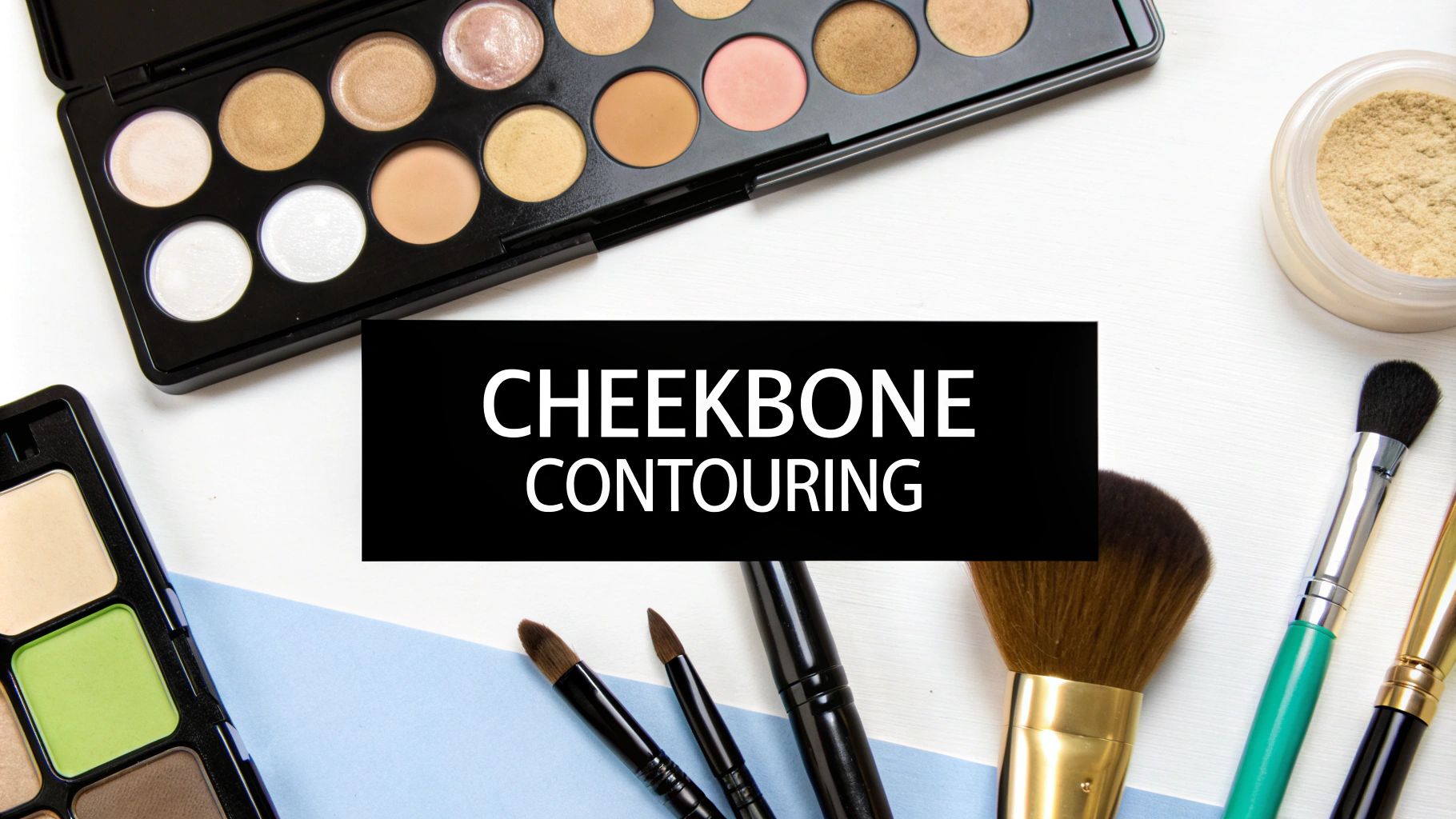
Think of contouring as painting shadows on your face – it's all about creating depth in the right places. By using makeup products a few shades darker than your natural skin tone, you can sculpt and define your features. For instance, applying contour powder or cream beneath your cheekbones creates the illusion of natural shadows, making your cheekbones appear more pronounced. The key is working with your unique face shape while keeping the application subtle and well-blended.
Choosing the Right Products for Your Skin
Your skin type should guide your product choices. If you have oily skin, powder contours work best since they help control shine and stay put throughout the day. On the other hand, cream contours are perfect for dry skin – they blend seamlessly and add a touch of hydration. For beginners, cream products are more forgiving and easier to work with. When selecting shades, go for colors that are two to three shades deeper than your skin tone to create realistic-looking shadows.
Step-by-Step Contouring Guide for Hollow Cheekbones
Let's break down the contouring process into simple, manageable steps:
- Identify Your Cheekbones: Make a fish face to find the natural hollow beneath your cheekbones – this is your target area for contouring.
- Apply the Contour: Using your preferred tool (brush or fingers), draw the contour product along this hollow. Start near your ear and work toward your mouth, stopping about two fingers' width away.
- Blend, Blend, Blend: This is where the magic happens. Use a clean brush or beauty sponge to softly blend the product upward, eliminating any harsh lines.
- Set with Powder (Optional): If you want your contour to last all day or you're heading to an event, dust some translucent powder over your work. This helps lock everything in place.
Adapting Contouring Techniques for Different Lighting
Lighting can make or break your makeup look. For everyday wear in natural light, keep your contour subtle and soft. If you're going to be photographed or under bright lights, you might need to apply your contour slightly stronger – but remember, blend well! Test your makeup in different lighting conditions before important events to ensure it looks good in person and in photos. With practice and these professional techniques, you can create beautifully defined cheekbones that enhance your natural features.
Understanding Professional Enhancement Options
When natural methods and makeup techniques aren't enough to achieve the defined cheekbones you want, professional treatments can help create more dramatic results. From quick fixes to permanent changes, several medical options exist – each with its own benefits and drawbacks. Let's explore these choices so you can make the best decision for your goals.
Exploring Non-Surgical Enhancement Techniques
If you're not ready for surgery, dermal fillers offer a temporary but effective solution. These injectable treatments use hyaluronic acid to add volume and shape to your cheeks, creating more defined contours. They work especially well for people who've lost facial volume with age. You'll see results right away, though they typically last 6 months to 2 years before needing a touch-up. The cost varies based on how much filler you need, making it easier to work within different budgets.
Surgical Procedures for Long-Term Cheekbone Definition
For those seeking lasting changes, surgical options provide permanent results. Buccal fat removal surgery takes out small fat pads from your cheeks to create a more sculpted look with deeper hollows. Another choice is cheek implants – artificial pieces placed during surgery to enhance your natural bone structure. While these procedures give more dramatic results than fillers, they need more recovery time and careful consideration.
Weighing the Risks and Benefits of Each Procedure
Every medical procedure comes with potential complications. Fillers might cause bruising, swelling, or uneven results. Surgical options carry more serious risks like infections, nerve problems, or results you're unhappy with. That's why careful research and finding the right doctor is so important. Make sure to choose a board-certified plastic surgeon or dermatologist who specializes in facial work. They'll help determine what's best for your face and set realistic expectations.
Making Informed Decisions for Your Facial Goals
Creating hollow cheekbones is a personal choice that depends on what matters most to you – whether that's cost, recovery time, or how long results last. Fillers give you an easy starting point with less downtime, while surgery offers permanent changes but requires more investment and careful planning. Take time to think through all the information here so you can choose confidently. Remember to consider how facial changes might affect you emotionally, and make sure you're doing this for yourself, not anyone else.
The Psychology of Facial Features

While makeup and cosmetic treatments can enhance our looks, it's fascinating to explore why certain features like hollow cheekbones have become such desired traits. What drives our attraction to specific facial characteristics? Let's examine the psychological and social factors that shape our beauty ideals and influence how we view these features.
The Cultural Significance of Facial Features
Beauty standards vary widely across different societies and time periods. In Western culture, high cheekbones often represent youth and beauty, partly because we naturally lose facial volume as we age. This creates an interesting paradox where both plump, youthful cheeks and defined, hollow cheekbones are considered attractive but for different reasons. In other cultures, facial features carry their own unique meanings and symbolism. For example, some East Asian cultures traditionally value a softer, more rounded face shape. These differences show how beauty ideals are deeply rooted in cultural context.
Media's Influence on Beauty Standards
The images we see in magazines, on TV, and across social media shape what we consider beautiful. When celebrities and models with sharp, defined features appear constantly in our feeds, these traits become the "norm" we measure ourselves against. Photo filters and editing tools make these ideals even more unrealistic. Many people don't realize that the perfectly chiseled cheekbones they admire online are often digitally enhanced, leading to impossible standards that can harm self-image and confidence.
The Psychology of Attraction and Perceived Health
Research shows we make quick judgments about health and attractiveness based on facial features. Defined cheekbones and jawlines often signal physical fitness in our minds, possibly due to old evolutionary instincts. When our ancestors saw these traits, they might have linked them to good health and survival ability. Face symmetry, which prominent cheekbones can enhance, also plays a big role in what we find attractive. These deep-seated associations help explain why many people find hollow cheekbones so appealing.
Self-Image and the Pursuit of Facial Modification
Before trying to change your facial features, it's worth asking yourself why you want to. Are you hoping to boost your confidence? Following a trend? Or do you genuinely want to enhance your natural features? There's nothing wrong with wanting to look your best, but changes should come from a place of self-awareness rather than pressure to fit in. Focus on making choices that help you feel good about yourself while appreciating your unique characteristics.
Ready to improve your facial muscle strength naturally? Myohab offers myofunctional therapy programs that can enhance both the function and appearance of your facial muscles. Visit their website to learn about personalized exercises tailored to your needs.

