
Understanding Your Asymmetrical Jawline

Most people naturally have some differences between the two sides of their face – in fact, studies show that around 85% of people have facial asymmetry to some degree. While perfect symmetry is rare and slight variations are completely normal, a noticeably uneven jawline can sometimes affect confidence and deserve a closer look. Let's explore what causes jawline asymmetry and what you can do about it.
Common Causes of Jawline Asymmetry
Several key factors often work together to create an asymmetrical jawline. Understanding these underlying causes helps determine the best way to address your specific situation:
- Genetics: Your jaw's basic shape and structure come from your genes. If asymmetry runs in your family, you may naturally have an uneven jawline.
- Developmental Factors: During childhood and teen years, uneven bone growth can lead to asymmetry. This might happen due to problems with the jaw joint (TMJ) or differences in how the upper and lower jaw develop.
- Lifestyle Habits: Simple daily behaviors like always chewing on one side, sleeping on the same side each night, or having poor posture can gradually create muscle imbalances that affect your jawline over time.
- Injuries: Face injuries, especially during childhood when bones are still growing, can disrupt normal jaw development and create noticeable unevenness.
- Dental Issues: Problems like missing teeth, crooked teeth, or a misaligned bite change how your jaw sits and moves, which can make your face look uneven. Your teeth and jaw work as a team, each affecting the other's position.
Understanding Hwang's Classification System
Doctors use Hwang's system to categorize different types of facial asymmetry. This helps them identify exactly what's causing the unevenness and choose the right treatment approach:
- Type 1: The chin points to one side and the vertical parts of the lower jaw have different lengths
- Type 2: The vertical jaw sections differ in length but the chin is centered
- Type 3: The chin points to one side but the vertical jaw sections are even
- Type 4: One side of the jaw is fuller than the other, but the chin is centered and vertical sections are even
This system shows how asymmetry can show up in different ways. Knowing your specific type is essential for finding the right solution for your uneven jawline.
Separating Fact from Fiction
Many myths exist about facial asymmetry. While most cases are simply natural variations, major changes in jaw symmetry – especially with pain or chewing problems – should be checked by a doctor. Don't rely on internet advice for medical concerns. Getting evaluated by a qualified professional is key to understanding what's really causing your asymmetry and finding safe, effective ways to address it.
Getting an Expert Assessment That Actually Helps
When you're concerned about your asymmetrical jawline, getting a professional evaluation is essential. This involves much more than just looking in the mirror – it requires a thorough analysis of your facial structure, bite mechanics, and overall jaw function. By understanding what experts look for during these assessments, you'll be better equipped to ask the right questions and understand your treatment options.
The Initial Consultation: More Than Just a Glance
Your first appointment with a specialist, whether an orthodontist or maxillofacial surgeon, lays the groundwork for your treatment plan. During this visit, they'll carefully examine your face and jaw from different angles to identify any obvious imbalances. They'll also check how your teeth fit together since dental alignment plays a big role in jawline symmetry. For example, if you consistently chew more on one side due to an uneven bite, the muscles on that side can become overdeveloped and create visible asymmetry.
Advanced Imaging: Unveiling the Underlying Structure
After the visual examination, most specialists use modern imaging technology to get a detailed view of your jaw's internal structure. This typically includes X-rays, panoramic radiographs, or 3D CT scans that show your bones, joints, and soft tissues in detail. These images help reveal hidden issues that aren't visible on the surface and are essential for planning effective treatment. Your specialist can see exactly what's causing the asymmetry – whether it's related to bone structure, muscle development, or both.
Interpreting the Findings and Choosing a Path
Once all assessments are complete, your specialist will explain what they found, including the type and severity of your asymmetry. They'll often reference Hwang's classification system we discussed earlier to categorize your case. Based on these findings, they'll recommend treatment options ranging from non-surgical approaches like orthodontics or muscle therapy to surgical procedures if needed. Take time to understand their recommendations and ask questions – this is your chance to be actively involved in planning your treatment. After all, achieving better facial symmetry is a team effort between you and your healthcare providers.
Non-Surgical Solutions That Really Work
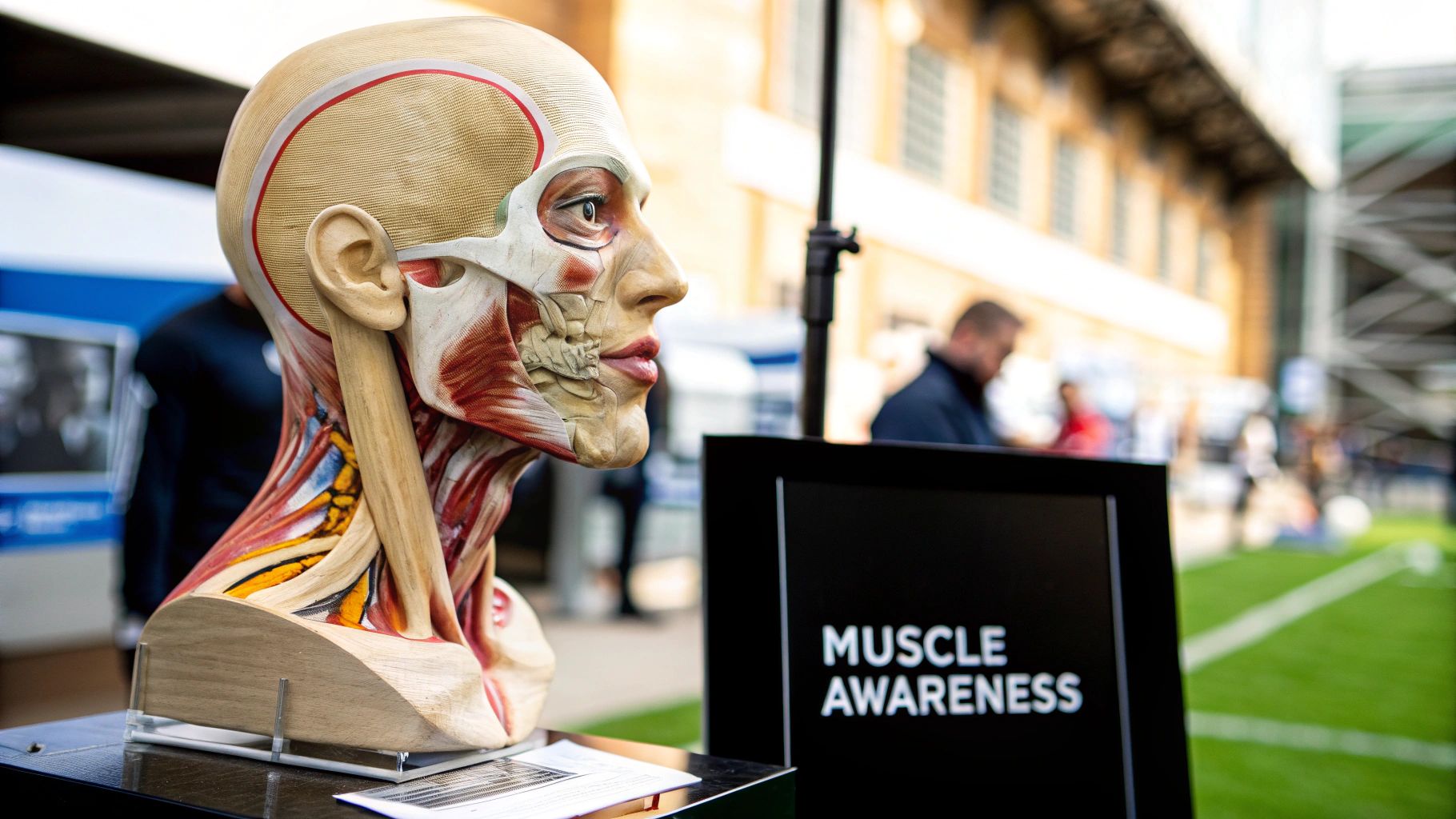
After carefully examining your specific case, your specialist will recommend the best approach for correcting your asymmetrical jawline. For mild to moderate asymmetry, several non-surgical treatments can create significant improvements without surgery. When combined thoughtfully, these options often produce excellent results.
Modern Orthodontic Approaches: Realigning for Symmetry
Invisalign and traditional braces do more than just straighten teeth – they help fix underlying skeletal issues that cause jawline asymmetry. When your bite is misaligned, it can lead to uneven muscle development on one side of your face. Orthodontic treatment helps balance out these muscle patterns by correcting your bite alignment. Many adults especially appreciate Invisalign's clear aligners since they're barely noticeable while still being effective.
TMJ Therapy: Addressing Jaw Joint Dysfunction
Problems with your temporomandibular joint (TMJ) can create visible asymmetry in your jaw. Targeted TMJ treatments work to restore proper function and reduce muscle tension through several key approaches:
- Custom-fitted oral appliances: These devices help position your jaw correctly and take pressure off the joint
- Physical therapy exercises: Specific movements strengthen and stretch jaw muscles to improve function and decrease pain
- Myofunctional therapy: These exercises retrain facial and mouth muscles to fix habits like tongue thrusting that can worsen asymmetry. Programs like myohab provide personalized exercise plans to address TMJ issues, sleep apnea, and facial muscle imbalances.
Non-Invasive Technologies: Shaping the Future of Treatment
New non-surgical techniques have emerged as effective options for fixing asymmetrical jawlines:
- Botox injections: Precisely placed Botox can relax overactive jaw muscles that make one side appear larger than the other. This works especially well when muscle tension creates visible asymmetry.
- Dermal fillers: Adding volume with fillers helps balance areas that look hollow or underdeveloped compared to the other side of the face.
Combining Treatments for Optimal Outcomes
Using multiple non-surgical treatments together often provides the best results. For instance, pairing orthodontics with TMJ therapy and Botox addresses both skeletal and muscular causes of asymmetry. While perfect symmetry may not be possible, this comprehensive approach can significantly improve facial balance and boost confidence. Your specialist will help determine which combination makes sense based on your specific asymmetry type, severity, and goals. They'll also make sure you understand what kind of improvements you can realistically expect.
Surgical Options: Making Smart Choices
When non-surgical approaches aren't enough to fix moderate to severe jawline asymmetry, surgery may be the best path forward, especially for issues caused by skeletal differences. Let's explore the key surgical options and what you need to know to make an informed choice about your treatment.
Understanding Common Surgical Procedures
The two main surgical approaches for correcting jaw asymmetry are mandibular osteotomy and genioplasty, each targeting specific aspects of jaw structure.
-
Mandibular Osteotomy: This surgery reshapes the lower jaw by making precise bone cuts that allow the surgeon to reposition it more symmetrically. For instance, if your left jaw side extends noticeably longer than your right, an osteotomy can trim and realign it to match. Think of it like carefully adjusting puzzle pieces to fit together properly.
-
Genioplasty: This procedure focuses specifically on the chin area. The surgeon can either add an implant to build out the chin's projection or reshape the existing bone to create better facial balance. Many patients benefit from combining this with mandibular osteotomy for the most complete improvement.
In some cases, your treatment plan may also include orthodontic work alongside surgery to achieve optimal results.
Evaluating Surgical Options and Recovery
Jaw surgery is a significant step that requires careful consideration and realistic expectations about the process.
-
Choosing the Right Surgeon: Take time to find a board-certified maxillofacial surgeon with extensive experience in jaw procedures. Ask to see before and after photos of their work, get multiple consultations, and come prepared with questions about their surgical approach and success rates.
-
Understanding Recovery Timelines: Recovery varies by procedure but typically involves several weeks of swelling and eating soft foods. Plan ahead by arranging time off work, stocking up on suitable foods, and having help available for daily tasks in the early recovery period.
-
Setting Realistic Expectations: While surgery can greatly improve jaw symmetry, perfect mirror-image balance isn't always possible. Your natural bone structure, healing response, and starting asymmetry all affect the final outcome. Focus on achieving noticeable improvement rather than perfection.
Preparing for Your Procedure and Long-Term Success
Good preparation and aftercare play huge roles in successful surgical outcomes. While your surgeon will provide specific instructions, here are key points to keep in mind:
-
Pre-Operative Preparation: You'll need medical clearance, may need to stop certain medications, and should follow dietary guidelines before surgery. Following these steps carefully helps reduce risks and supports better healing.
-
Post-Operative Care: Recovery requires dedication to wound care, pain management, and a modified diet. Keep all follow-up appointments so your surgeon can monitor your healing and address any concerns early on.
Choosing jaw surgery is a personal decision that deserves thorough research and consideration. Understanding your options, recovery process, and working with a skilled surgeon sets you up for the best possible outcome. While the journey takes patience, many patients find the improved facial balance well worth the investment of time and effort.
Mastering Your Recovery Journey

Getting the best results from jawline asymmetry treatment takes more than just the initial procedure. The recovery period plays a key role in achieving and maintaining improvements. By taking an active approach during this phase, you can ensure proper healing and long-lasting results.
Navigating the Initial Healing Phase
The first few days and weeks after treatment are critical for proper healing. During this time, closely following your doctor's post-treatment instructions helps minimize discomfort and supports recovery. Key aspects include:
- Pain Management: Taking prescribed medications or recommended pain relievers helps keep you comfortable and reduces stress on the jaw during healing.
- Swelling Reduction: Expect some swelling as part of the natural healing process. Regular ice pack application according to your doctor's guidance can help minimize swelling and ease discomfort.
- Dietary Modifications: Stick to soft foods initially, especially after surgery. This prevents strain on the jaw as it heals. Your doctor will guide you on gradually returning to regular foods.
Embracing Long-Term Lifestyle Adjustments
Once initial healing is complete, maintaining your results requires some ongoing lifestyle changes. Think of it like keeping up with an exercise routine – consistency is essential. Key habits to develop include:
- Mindful Chewing Habits: Make an effort to chew evenly on both sides. This helps keep jaw muscles balanced, much like working out both arms equally at the gym.
- Posture Awareness: Good posture supports proper jaw alignment. Poor posture can gradually affect facial symmetry over time.
- Ongoing TMJ Management: If TMJ issues contributed to your asymmetry, keep up with recommended exercises and therapies like myohab offers. Regular practice keeps symptoms from returning.
- Regular Check-ups: Schedule follow-up visits with your specialist to track progress and catch any issues early.
Addressing Potential Challenges and Setbacks
Recovery rarely follows a perfectly straight path. Understanding common challenges helps you handle them effectively when they arise:
- Managing Expectations: While treatment can create major improvements, remember that some subtle asymmetry is normal and natural. Focus on the positive changes rather than seeking perfection.
- Dealing with Discomfort: Some temporary discomfort during recovery is expected. Let your doctor know about any ongoing pain or unusual symptoms so they can address concerns promptly.
- Staying Motivated: Long-term changes take commitment. Keep before and after photos to remind yourself of your progress. Celebrate small victories along the way.
Taking an active role in your recovery through these steps helps ensure the best possible outcome from your jawline treatment. With consistent attention to proper healing and maintenance, you can enjoy lasting improvements in facial symmetry and confidence.
Building Confidence Beyond Symmetry

When someone addresses an asymmetrical jawline, the impact extends far beyond physical appearance. Research has shown that facial symmetry directly influences how attractive we perceive someone to be, making this journey about much more than aesthetics – it's about feeling confident and comfortable in your own skin. Let's explore how achieving better jawline balance can boost self-esteem and discover practical ways to maintain a positive outlook throughout the process.
Managing Expectations for a Positive Outcome
Before starting treatment, it's important to set realistic goals. Studies show that up to 85% of people have some degree of facial asymmetry – it's completely natural and normal. Instead of chasing perfect symmetry, focus on meaningful improvements that enhance your overall facial harmony. For example, you might notice that subtle changes in jawline balance make your smile appear more natural or your profile more defined. This mindset helps you appreciate positive changes without getting caught up in minor details.
Building Confidence Throughout the Process
Getting to your desired results takes time and patience. During treatment, focus on self-care and celebrate small wins along the way. Many people find it helpful to connect with others going through similar experiences – whether through support groups or online communities. Hearing how others handled challenges and achieved their goals can provide encouragement and practical tips. These connections remind us we're not alone and help maintain motivation when progress feels slow.
Maintaining Long-Term Confidence
Once you achieve better jawline symmetry, the real work of integrating this enhanced self-image begins. Try putting yourself in situations you might have avoided before – speaking up in meetings, taking photos without hiding your profile, or simply smiling freely. Remember that while improved symmetry can boost confidence, true self-worth comes from who you are as a whole person. Focus on all the qualities that make you unique while appreciating the positive changes you've achieved.
Real Stories, Real Transformations
Nothing illustrates the impact of addressing jawline asymmetry better than hearing from those who've been through it. Here's what some individuals have shared:
- "I used to avoid smiling in photos because of my uneven jaw. After treatment, I feel so much more confident and comfortable in my own skin." – Sarah M.
- "The improvement in my jawline symmetry has not only boosted my self-esteem but also improved my overall facial harmony. I feel like a more balanced and confident version of myself." – John D.
These stories show how addressing jawline asymmetry can truly change someone's life, leading to greater self-assurance and improved quality of life.
For those interested in non-surgical options to improve facial muscle balance and enhance jawline symmetry, consider exploring myofunctional therapy programs like myohab. Their specialized exercises can help retrain facial muscles for better overall facial harmony.

