
Understanding the Silent Threat of Sleep Apnea
Sleep apnea is far more serious than just disruptive snoring – it's a medical condition that can profoundly impact your health. Many people don't realize they have sleep apnea until significant health problems develop, making it especially dangerous. Understanding how this condition affects your body is essential for recognizing symptoms and getting proper treatment.
The Dire Statistics of Untreated Sleep Apnea
The numbers paint a stark picture of just how dangerous untreated sleep apnea can be. Research shows that people with severe sleep apnea face three times the risk of dying compared to those without the condition. Even more concerning, about 19% of individuals with severe sleep apnea face fatal outcomes, compared to just 4% in the general population. These sobering statistics highlight why getting diagnosed and treated is so critical.
Why Early Diagnosis Is Critical
Getting diagnosed early can make an enormous difference in managing sleep apnea and preventing serious complications. For example, heart problems cause 42% of sleep apnea-related deaths, as each interrupted breath strains the cardiovascular system and raises the risk of heart disease, high blood pressure, and stroke. Fortunately, treatments like CPAP therapy can effectively manage these risks when started early enough.
Recognizing the Difference Between Snoring and Sleep Apnea
While snoring can signal sleep apnea, not all snoring means you have the condition. Normal snoring tends to be steady and relatively quiet. Sleep apnea, however, involves repeated breathing pauses followed by gasping or choking sounds. People with sleep apnea also often feel exhausted during the day, wake up with headaches, and have trouble focusing. If you notice these symptoms along with loud, irregular snoring, it's important to see your doctor.
The Impact of Sleep Apnea on Overall Well-being
The effects of sleep apnea go far beyond disturbed sleep and snoring. When breathing repeatedly stops during sleep, it deprives your brain of oxygen, which can impair memory, concentration and decision-making over time. The condition also disrupts your body's hormone balance, interfering with cellular repair and potentially leading to metabolic problems like Type 2 diabetes. Left untreated, sleep apnea can steadily chip away at your quality of life while raising your risk for other chronic health issues. Understanding these wide-ranging effects helps explain why proper diagnosis and treatment are so important for protecting your long-term health.
The Growing Crisis: Why Sleep Apnea Is on the Rise
Sleep apnea has become a serious health concern affecting millions of people worldwide. Recent studies show this sleep disorder is becoming more common, with potentially severe consequences for public health. Understanding why cases are increasing can help us better address this growing medical challenge.
The Changing Landscape of Sleep Apnea Prevalence
The numbers paint a clear picture – sleep apnea diagnoses have risen sharply in recent years. Research shows men have seen a 27% increase in cases, while women have experienced a 25% rise. This upward trend isn't spread equally across all groups. Middle-aged men face a particularly high risk, with one in four developing obstructive sleep apnea (OSA). These statistics highlight how this condition has become increasingly common across different demographics.
Unpacking the Contributing Factors
Several key factors help explain why sleep apnea cases continue to climb. Rising obesity rates play a major role, since excess weight around the neck and throat can block airways during sleep. Changes in how we eat and move also matter – more processed foods and less physical activity create conditions that increase risk. But there's more to the story than lifestyle alone. Genetics influence who develops sleep apnea, with some ethnic groups showing higher rates than others. For instance, African Americans tend to experience sleep apnea more frequently than Caucasians, pointing to inherited factors that affect breathing during sleep.
Identifying At-Risk Populations
Age significantly impacts sleep apnea risk, with older adults more likely to develop the condition. This increased risk stems from normal aging processes and years of accumulated lifestyle factors. Gender also shapes who gets sleep apnea – men generally face higher odds than women. Physical characteristics matter too. People with larger neck sizes or narrower airways tend to have more breathing problems while sleeping. These patterns emphasize why it's crucial to know your personal risk factors and get checked if you notice potential symptoms. Without more awareness and early detection, sleep apnea and its health complications will likely continue affecting more people. Understanding who faces the highest risk helps doctors identify and treat cases sooner, potentially slowing this concerning health trend.
Your Heart Under Siege: The Cardiovascular Connection
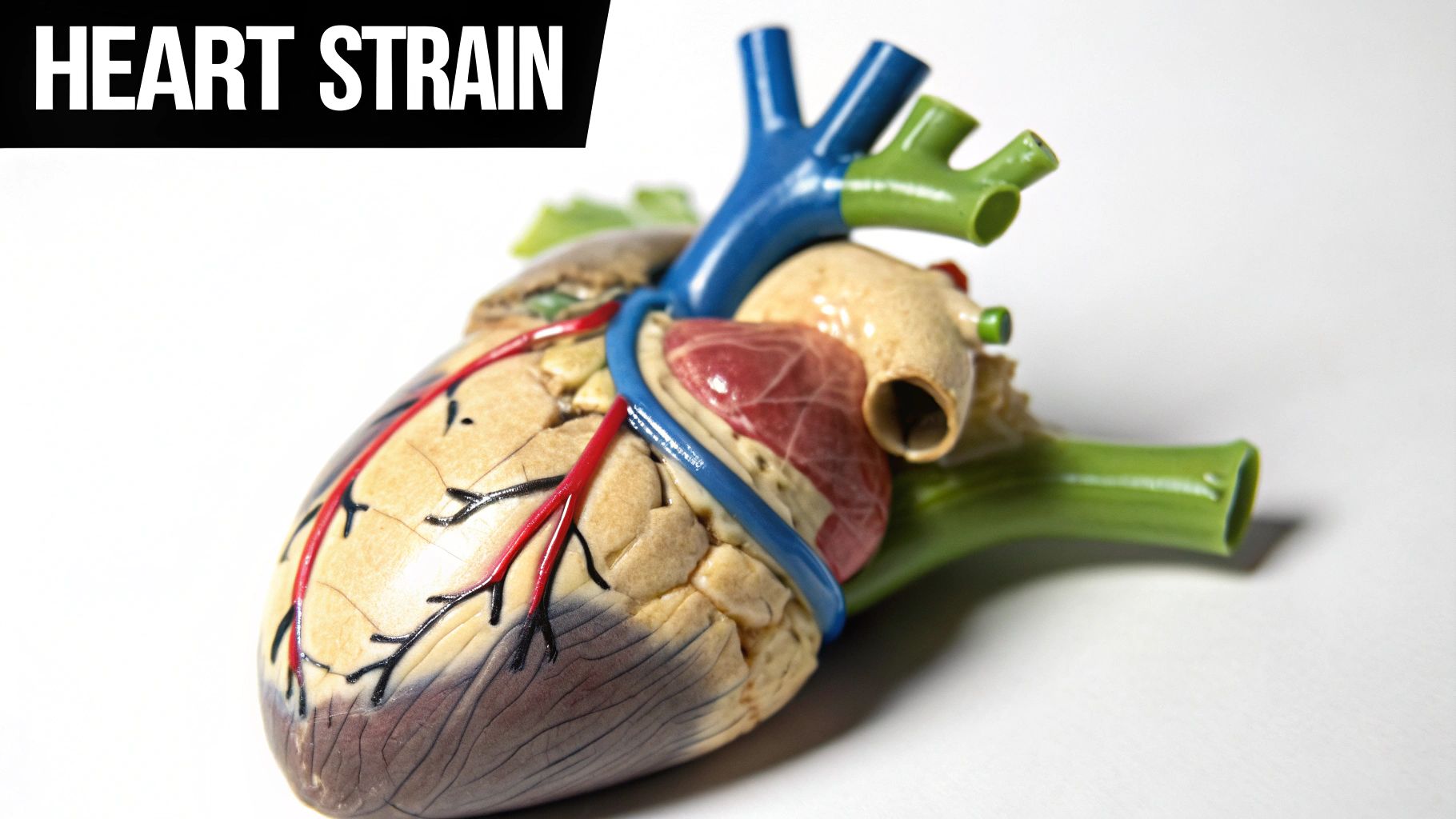
Sleep apnea doesn't just disrupt your rest – it puts intense pressure on your heart and blood vessels night after night. While many view sleep apnea primarily as a breathing disorder, its effects on cardiovascular health can be severe and long-lasting. Let's explore exactly how this common sleep disorder impacts your heart's well-being.
The Strain of Each Interrupted Breath
When breathing stops during sleep apnea episodes, oxygen levels in the blood drop sharply. Think of your circulatory system like city streets during rush hour – each time breathing pauses, it creates a traffic jam that forces your heart to work harder. The body responds by releasing stress hormones and increasing blood pressure to maintain oxygen flow. Over time, this nightly stress takes a serious toll on the cardiovascular system.
The Link to Hypertension
High blood pressure is one of the clearest consequences of untreated sleep apnea. The constant cycle of oxygen drops and hormone surges disrupts your body's natural ability to regulate blood pressure. Research shows that people with sleep apnea face a much higher chance of developing hypertension compared to those who sleep normally. This elevated blood pressure then creates additional strain on the heart and blood vessels.
Increased Risk of Heart Disease and Stroke
Beyond high blood pressure, sleep apnea can lead to even more serious cardiovascular problems. The ongoing stress of oxygen deprivation can damage blood vessel walls and promote blood clot formation, raising the risk of both heart disease and stroke. Medical studies have found that heart-related complications are a leading cause of death among people with untreated sleep apnea.
The Protective Power of CPAP Therapy
While these cardiovascular risks are concerning, effective treatment can help protect your heart. CPAP therapy, which delivers steady airflow to keep airways open during sleep, helps maintain normal oxygen levels throughout the night. This allows the cardiovascular system to function properly instead of constantly struggling against low oxygen. Research confirms that consistent CPAP use can lower blood pressure and reduce the risk of dangerous heart problems. Getting diagnosed and treated early is essential – it's not just about better sleep, but about safeguarding your heart for the long term.
Beyond Breathing: Hidden Health Impacts Revealed
Sleep apnea's effects go far beyond just feeling tired during the day. This breathing disorder reaches into multiple areas of health, creating ripple effects throughout the body that many people don't realize. Understanding these wide-ranging impacts is key for both patients and their healthcare providers to properly manage the condition.
The Brain Fog and Beyond: Cognitive Impacts
The impact of sleep apnea on brain function becomes apparent in daily life. When breathing repeatedly stops during sleep, oxygen levels in the blood drop, starving brain cells of the oxygen they need to work properly. For someone with sleep apnea, this leads to real difficulties with:
- Staying focused on tasks
- Remembering information
- Responding quickly
- Making good decisions
These mental challenges can seriously affect someone's work, studies, and safety. Research shows that people with sleep apnea are 2.5 times more likely to get into car accidents compared to those without the condition.
Metabolic Mayhem: Disrupting the Body's Balance
The body's chemical processes take a hit from sleep apnea too. Regular oxygen drops and broken sleep patterns can make cells resist insulin, raising the risk of Type 2 diabetes. The liver also suffers, sometimes developing fatty deposits that can lead to disease. These problems tend to build on each other, creating health issues that get harder to solve over time.
The Mind-Body Connection: Mental Health Implications
Sleep apnea affects emotional wellbeing in significant ways. Night after night of poor sleep and physical stress from breathing problems can cause:
- Quick mood changes and irritability
- Higher rates of depression and anxiety
- Problems handling everyday stress
The connection between sleep apnea and mental health shows why treatment needs to address both physical and emotional symptoms. Often, getting sleep apnea under control helps improve mental health significantly.
A Domino Effect: Understanding the Interconnectedness
All these health effects of sleep apnea connect to and influence each other. Poor sleep leads to hormone changes, which affect metabolism, which impacts mental state – and the cycle continues. This highlights why catching and treating sleep apnea early is so important. Taking action promptly can help prevent this cascade of health problems and improve overall quality of life.
Treatment Strategies That Transform Lives
Sleep apnea can seriously impact health in many ways, from heart problems to brain function. Thankfully, there are several proven treatments that can help patients regain healthy sleep and improve their quality of life. Understanding these options is key for anyone looking to take control of their health and reduce the risks of this condition.
Continuous Positive Airway Pressure (CPAP) Therapy
CPAP therapy is the main treatment choice for many sleep apnea patients. It works by having patients wear a mask over their nose or mouth during sleep, which connects to a machine that pushes air into the airway to keep it open. This steady airflow helps ensure the brain and body get enough oxygen all night long. Research shows how well it works – studies found CPAP therapy can lower the death risk in severe sleep apnea cases from 4.3 to 3.2, showing it truly can save lives.
Alternative Treatment Options
While CPAP works great for many people, some find it hard to sleep with a mask on. Fortunately, other good options exist:
- Oral Appliances: These are custom-made devices worn at night that shift the jaw and tongue forward to help keep airways clear. They often work well for mild to moderate cases.
- Lifestyle Changes: Simple steps like losing weight, avoiding alcohol before bed, and stopping smoking can make breathing easier during sleep. While these changes alone may not completely fix sleep apnea, they can help reduce symptoms.
- Surgery: Some patients may need surgery to fix physical issues causing their sleep apnea, like removing excess throat tissue or adjusting jaw position.
- Myofunctional Therapy: This therapy teaches exercises to strengthen face and mouth muscles for better breathing and tongue position. Services like myohab offer exercises you can do at home to help with sleep apnea, snoring and jaw problems.
Measuring Treatment Success and Maintaining Compliance
After starting treatment, it's important to track how well it's working by monitoring symptoms like daytime sleepiness and snoring, sometimes with follow-up sleep studies. The key is sticking with treatment long-term to get the full health benefits. For CPAP users, this means wearing the mask every night, which can be tough at first. Support groups and regular check-ins with doctors can help overcome any challenges that come up.
Choosing the Right Treatment Path
Picking the best treatment depends on factors like how severe the sleep apnea is, overall health, and personal preferences. Working closely with a sleep doctor helps ensure you choose an approach that fits your specific situation and gives you the best chance of success. By learning about these options and understanding how sleep apnea affects health, patients can take meaningful steps toward better sleep and improved wellbeing.
Taking Control: Prevention and Early Intervention
Sleep apnea affects health significantly, but there are clear ways to prevent and catch it early. With one in four middle-aged men developing obstructive sleep apnea (OSA), understanding what puts you at risk and taking action matters. By being proactive, you can reduce both the condition itself and its effects on your health.
Identifying Your Risk Factors
Some risk factors for sleep apnea can be changed, while others cannot. Understanding which factors affect you helps target your prevention efforts. Extra weight around the neck and throat, for instance, often leads to OSA by putting pressure on the airway during sleep. The shape of your airway also plays a key role – think of it like a garden hose where a narrow spot restricts flow. Here are the main factors to consider:
- Age: Your risk goes up as you get older
- Gender: Men face higher risk than women
- Family History: Sleep apnea often runs in families
- Ethnicity: Some groups, like African Americans, have higher rates
- Smoking: Irritates airways and increases inflammation
- Alcohol Consumption: Relaxes throat muscles and blocks breathing
Lifestyle Changes for Prevention and Management
The good news is that you can address many risk factors through simple lifestyle changes. Even modest weight loss often improves symptoms by reducing pressure on the airway. Regular physical activity combined with healthy eating not only helps with weight but boosts overall health. Here are key changes to consider:
- Regular Exercise: Get 30 minutes of moderate activity most days
- Balanced Diet: Choose whole foods over processed ones
- Quit Smoking: Ask your doctor about cessation support
- Moderate Alcohol: Limit drinks, especially before bed
- Consistent Sleep: Keep regular sleep and wake times
- Sleeping Position: Sleep on your side using special pillows if needed
Early Detection: Recognizing the Signs
Catching sleep apnea early makes a big difference. While loud snoring is well-known, watch for these other warning signs:
- Gasping or Choking During Sleep: Shows breathing stops briefly
- Excessive Daytime Sleepiness: Feeling tired despite enough sleep
- Morning Headaches: Often from low oxygen at night
- Difficulty Concentrating: Poor sleep affects brain function
- Irritability and Mood Swings: Lack of quality sleep impacts mood
If you notice several of these signs, see your doctor for proper testing. Starting treatment early, whether through CPAP therapy or dental devices, can prevent long-term health issues.
Looking to improve your breathing and potentially reduce sleep apnea symptoms? Check out myohab for exercises you can do at home to strengthen your airway muscles.

