
Why Your Posture Matters More Than You Think
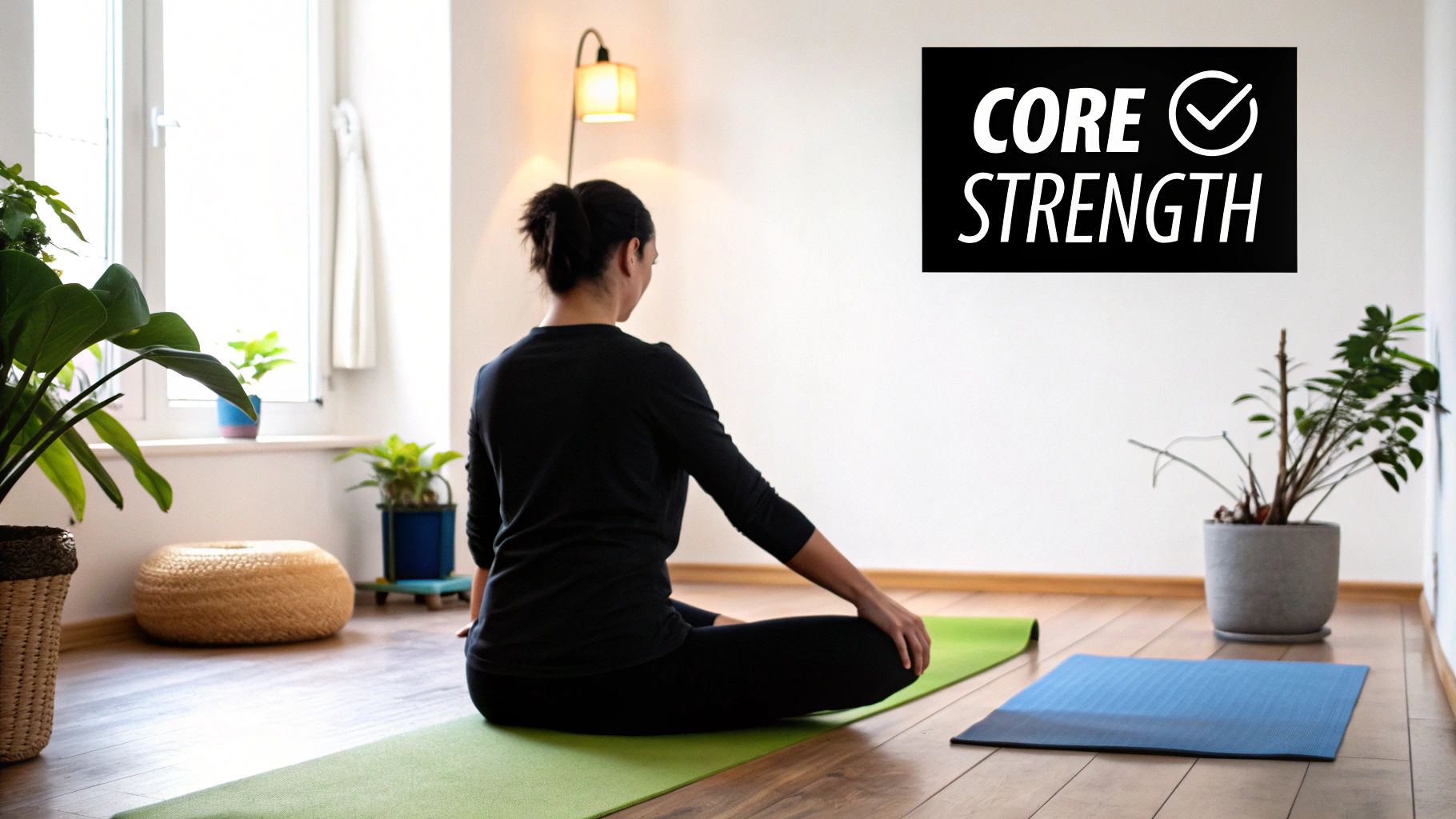
Good posture affects far more than just how you look. While we often think about posture in terms of standing up straight or avoiding a slouch, its effects ripple through your entire body and impact your daily wellbeing in surprising ways. Let's explore why paying attention to your posture matters for your overall health.
The Posture-Pain Connection
Most of us have experienced the aches and stiffness that come from sitting hunched over a desk or looking down at our phones. These positions put extra strain on our neck, back and shoulder muscles that weren't designed for prolonged forward bending. Over time, this muscle tension can develop into chronic pain and reduced mobility. Many people also develop tension headaches from tight muscles in their upper back and neck. But addressing posture issues early can help prevent these problems from becoming long-term conditions.
Beyond the Ache: Posture's Surprising Impact
The effects of poor posture go deeper than muscle strain and pain. Research shows that slouching actually restricts how much air your lungs can take in, which can leave you feeling tired and foggy-headed. Scientists have also found interesting links between posture and brain function – studies suggest that sitting and standing up straight may help you think more clearly and feel more positive. Simply adjusting your posture could give your mood and mental performance a natural boost.
Rethinking "Sit Up Straight": The Importance of Natural Alignment
The old advice to "sit up straight" misses an important point – good posture isn't about rigidly forcing your body into position. Instead, it's about finding and maintaining your body's natural, balanced alignment. This means understanding how your muscles work together to support your spine and distribute weight evenly. Programs like those offered by myohab take this whole-body approach, helping retrain not just posture but also breathing patterns and muscle function throughout your face and mouth. By addressing these connected systems together, you can develop better posture habits that feel natural and sustainable.
When you combine targeted exercises with a better understanding of how your body is designed to move and align, you set yourself up for lasting improvements in comfort, energy and overall wellbeing. Small changes in how you carry yourself can add up to make a big difference in how you feel each day.
Building Your Posture Power Center
Good posture starts with understanding how different muscle groups work together to support proper alignment. While many people focus only on "standing up straight," creating lasting postural improvements requires building strength in the right places. Let's explore how to develop a strong foundation for better posture through specific exercises and training.
Why Traditional Core Exercises Aren't Enough
Most common core workouts don't address the full picture of posture. Take crunches, for example – while they build the visible six-pack muscles, they can actually make posture worse by tightening the front of the body and encouraging a rounded upper back. Focusing too much on abdominal exercises without balancing them with back strength creates muscle imbalances that pull the body out of alignment. Getting stronger abs alone won't fix poor posture if the supporting muscles remain weak.
Activating Your Deep Stabilizers: The Key to Posture Power
The real secret to better posture lies in training the deep stabilizing muscles that support your spine. Think of muscles like the transverse abdominis and multifidus as internal support cables – they provide steady, subtle stability that keeps your spine properly aligned. Just as a tall ship needs strong rigging to stay upright in rough seas, your body needs these stabilizers working well to maintain good posture throughout daily activities. Programs like myohab can help retrain often-neglected muscles in the face and mouth that also impact overall posture.
Exercises for Better Posture: Building a Balanced Approach
Here are key exercises that target postural strength in a balanced way:
-
Plank Variations: Rather than crunches, do planks to engage your whole core. Try forearm planks, side planks, and planks with leg lifts to build stability. Keep your spine neutral – no sagging or arching.
-
Back Extensions: Counter all that forward hunching with gentle back strengthening. Lying face down, lift your chest slightly off the floor to work the muscles along your spine. Progress to Superman holds as you get stronger.
-
Bird-Dog: This move improves balance while strengthening your core and back. Start on hands and knees, then reach one arm forward as you extend the opposite leg back. Go slowly and stay stable through your middle.
-
Scapular Wall Slides: Fix rounded shoulders by training the muscles between your shoulder blades. Stand against a wall with arms up, elbows bent. Slide your arms up and down while keeping your back flat. This helps pull shoulders back into proper position.
Building posture takes more than basic core work – it requires a complete approach that addresses alignment, stability and strength through targeted exercises like these. By training the right muscles consistently, you'll develop better posture that feels natural and comfortable, helping you move with greater ease in everything you do.
Movement Patterns That Transform Alignment

Good posture starts with a strong core, but lasting changes come from moving your body the right way. Instead of just holding static stretches, it's essential to combine strength and mobility exercises that teach your body better movement patterns. When you retrain how you move, you address the root causes of poor alignment.
Why Traditional Posture Exercises Fall Short
Most standard posture exercises focus on single muscle groups without considering how the whole body works together. Take the common advice to "pull your shoulders back" – while this might temporarily fix slouching, it doesn't solve the muscle imbalances causing the poor posture in the first place. It's like putting a bandage on a wound without treating the infection underneath. These old-school approaches often skip mobility work too, leaving you stiff and struggling to maintain good form throughout your day.
The Power of Integrated Movement
Natural movement patterns engage multiple muscles and joints working together, just like your body does in real life. Think about daily actions like reaching up to a shelf or throwing a ball – these involve your whole body moving as one coordinated unit. When you practice these kinds of fluid movements, you build strength and mobility that naturally leads to better posture. This approach especially helps desk workers break free from the effects of sitting all day. With around 40% of people worldwide using computers regularly, more of us need exercises that counter long periods of stillness.
Dynamic Exercises for Posture Transformation
Here are some effective exercises that can help you achieve lasting improvements in your alignment:
- Cat-Cow: This flowing spine movement increases flexibility and promotes healthy alignment. It's perfect for warming up and relieving stiffness from sitting.
- World's Greatest Stretch: By targeting multiple areas like hips, hamstrings, back and shoulders at once, this dynamic stretch helps lengthen tight muscles that pull your posture out of place.
- Walking Lunges with Rotation: This exercise builds leg and core strength while challenging your balance and coordination. The twisting motion develops functional strength that supports good spine alignment.
- Thoracic Spine Rotations: The mid-back often gets stiff from sitting. These gentle rotations improve mobility in this key area so you can stand taller with less effort.
Making these movements part of your regular routine helps you move better overall – with less pain and stiffness and more ease in daily activities. Programs like myohab take this whole-body approach, looking at all the factors that affect posture. Remember to focus on proper form and stick with it consistently to get the full benefits. As you become more aware of how your body feels, you can adjust and progress your exercises to build lifelong posture habits.
Customizing Your Posture Protocol

Creating good posture takes more than just following generic advice – it requires an approach that fits your specific needs. With about 40% of people worldwide regularly using computers, many of us face unique postural challenges based on our daily activities and physical condition. Just like a doctor treats each patient differently, your posture exercises should match your particular situation.
Addressing Specific Posture Problems
Different posture issues need different fixes. Take "tech neck" for example – that forward head tilt we get from looking at screens all day. If you're dealing with this, you'll want to focus on strengthening the muscles that hold your head up properly, using exercises like chin tucks and gentle neck stretches. But if rounded shoulders and an upper back hunch are your main concerns, you'll need different moves like wall slides and spine twists instead. No matter what specific issues you're working on though, basic core exercises like planks and bird-dogs help provide the foundation for better posture overall.
Lifestyle Integration: Making Posture a Priority
Your daily activities shape your posture needs in important ways. An office worker who sits for long stretches needs different strategies compared to someone who stays active throughout their workday. If you're desk-bound, try mixing in standing breaks, using a height-adjustable desk, and doing hip stretches to counter all that sitting time. Good posture isn't just about exercise sessions – it's about building better habits into your whole day. Tools like myohab can help address facial and mouth muscle patterns that affect both posture and breathing.
Adapting and Progressing Your Routine
As your body changes and gets stronger, your posture work needs to evolve too. You might start with basic moves like regular planks, then work up to harder versions with leg lifts or side variations as you improve. This gradual progression helps you keep making gains and avoid getting stuck. Pay attention to how your body feels – if you notice new aches or strains, adjust your routine accordingly. You may need to modify exercises, dial back the intensity, or check in with a physical therapist. Like any fitness goal, getting lasting posture improvements takes consistent effort and smart adjustments over time.
Building Your Daily Alignment Practice
Just like brushing your teeth is essential for dental health, good posture requires daily attention and practice. Making small changes to how you move and hold yourself throughout the day can add up to significant improvements over time. Let's explore practical ways to build better posture habits that stick.
Designing Your Personalized Posture Plan
Your posture needs are as unique as you are. Start by looking at how you spend your days – are you sitting at a desk for hours, constantly moving around, or doing physically demanding work? Someone who spends all day typing needs different exercises than someone who's always on their feet. For example, office workers often benefit from chest-opening stretches and upper back strengthening to counter hunched shoulders. Programs like myohab can help address the connection between facial muscles and overall posture – an aspect many people overlook.
The Power of Habit Stacking
One of the best ways to make posture exercises stick is to connect them to things you already do every day. Try doing neck stretches while brushing your teeth, or wall slides during bathroom breaks at work. When you link a new habit to an existing one, it becomes much easier to remember and maintain. Setting gentle reminders on your phone can also help you stay on track until these practices become second nature.
Sample Schedules for Different Lifestyles
-
The Desk Dweller: Begin your day with gentle cat-cow stretches to wake up your spine. Take hourly breaks to stand, walk, and roll your shoulders. End your workday with focused exercises like planks and stretches for tight hips.
-
The On-the-Go Professional: Use your commute time wisely – practice good breathing and neck stretches while waiting in line or sitting in traffic. During breaks, find a wall for quick posture resets with wall slides or try a few rounds of bird-dog pose.
-
The Athlete: Make posture work part of your warm-ups and cool-downs. Include dynamic stretches and core work that target your sport's specific demands. Pay special attention to mobility and stability exercises that complement your training.
Staying Motivated for the Long Haul
Remember that lasting posture changes take time – you're retraining patterns your body has held for years. Instead of looking for overnight changes, focus on small wins like feeling less stiff or having more energy. Take progress photos or keep notes about how you feel to track improvements. These little victories will keep you going as you build stronger posture habits for life.
Creating a Posture-Friendly Lifestyle
Good posture requires more than just doing the right exercises. It's about the choices you make throughout your day that affect how you hold your body. Think of exercises as your daily workout, but your lifestyle habits as the environment that enables real, lasting improvement. By considering everything from sleep position to desk setup, you'll develop better posture that sticks.
Rethinking Your Environment: Ergonomics and Everyday Habits
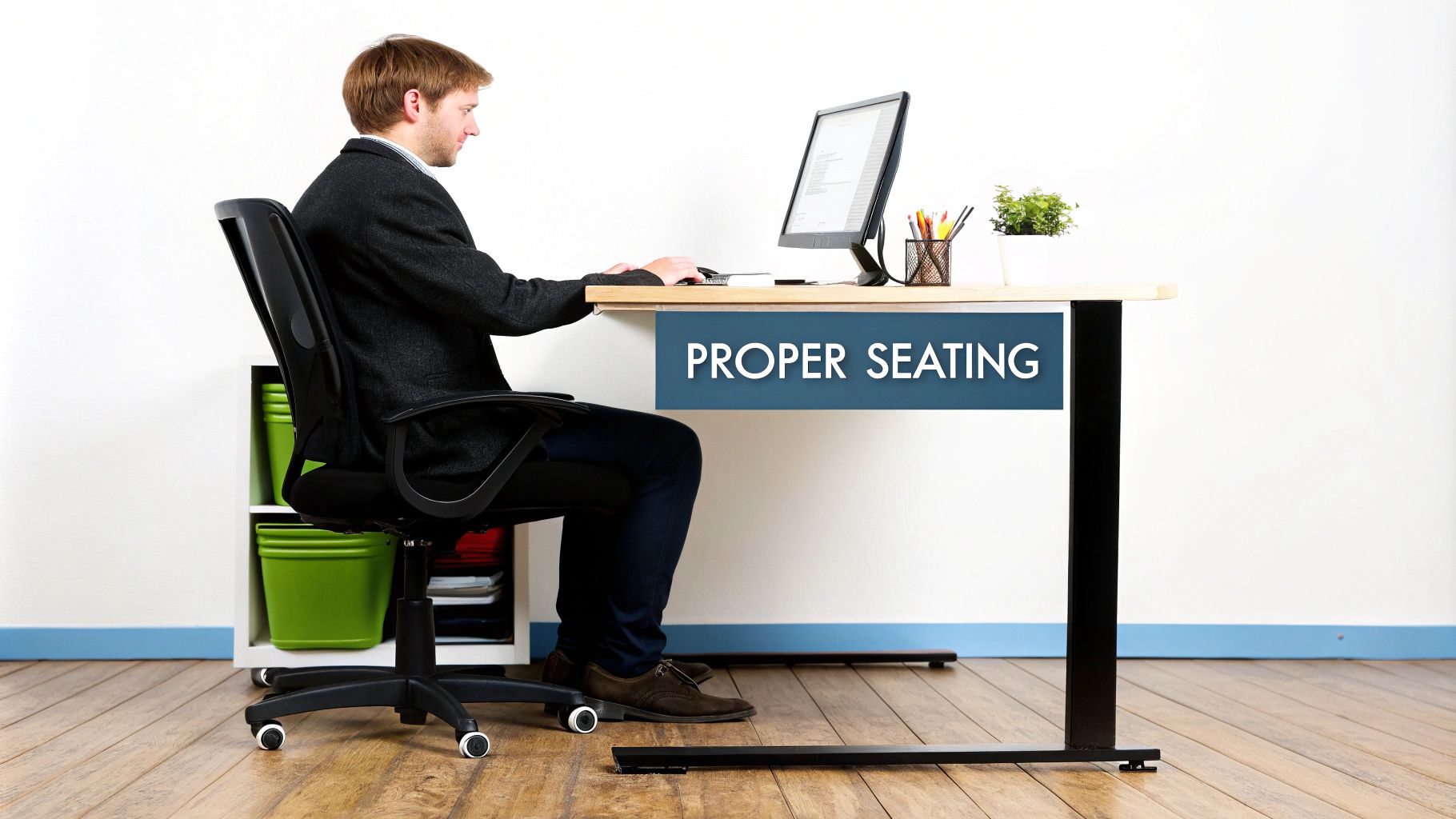
Look around your workspace and home – chances are your environment pushes you toward poor posture without you realizing it. With about 40% of people worldwide regularly using computers, hunched shoulders and forward head tilt have become incredibly common issues. The solution starts with thoughtfully arranging your space. Good ergonomics – designing your environment to work with your body – makes a big difference. For instance, a quality chair that supports your spine's natural curves helps prevent back strain during long work sessions. Positioning your screen at eye level keeps you from constantly looking down and developing neck pain.
Beyond the Desk: Posture Throughout Your Day
Good posture matters in everything you do, not just while working. Pay attention to how you carry yourself during daily activities like driving, watching TV, or doing household chores. When lifting something heavy, bend your knees and engage your core instead of rounding your back – this spreads the weight evenly and protects your spine. Your sleeping position also affects your alignment. Try sleeping on your side with a pillow between your knees to keep your spine neutral. Avoid stomach sleeping, which can strain your back and reinforce poor posture patterns. Small tweaks like these add up to make a real difference in how you hold yourself.
The Myohab Approach: Integrating Facial and Oral Muscle Training
Your posture depends on more than just your back and core muscles. Surprisingly, the muscles in your face and mouth play a key role too. myohab focuses on this connection by providing personalized exercises to improve breathing, tongue position, and overall alignment. By retraining these often-forgotten muscles, you can improve your head position, which affects your neck, shoulders and spine alignment. This complete approach helps create lasting posture improvements.
Building a Sustainable Posture Practice
Real change happens through consistent small steps. Look for specific ways to make your daily routine more posture-friendly. Maybe that means getting a standing desk, taking regular movement breaks, or adding facial muscle exercises to your day. You don't need to overhaul everything at once – focus on building good habits gradually. Remember that improving your posture is an ongoing process, not a quick fix. By combining targeted exercises with mindful daily choices, you'll develop posture that supports your health for the long term.
Ready to feel better through improved posture? Start your journey with myohab today and discover what better alignment can do for you.

