
Understanding The Science: Beyond Basic Digestive Health
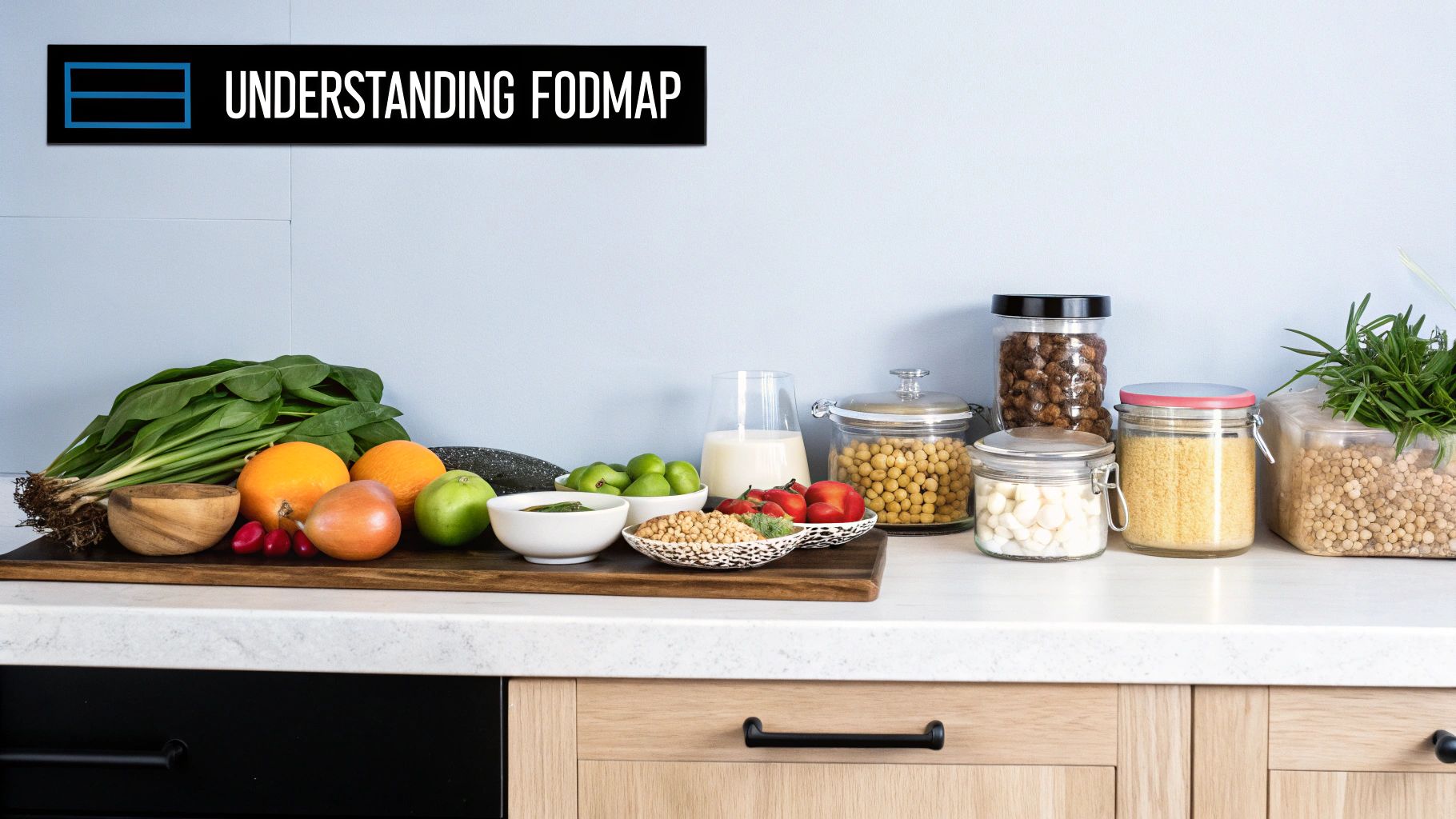
The low FODMAP diet represents a major advance in managing digestive health, thanks to groundbreaking research from Monash University. But to understand why it works so well for many people, we need to look at what actually happens in our digestive system when we eat certain carbohydrates. This deeper understanding helps explain both why some foods cause discomfort and how strategic dietary changes can provide relief.
The Role of FODMAPs in Digestive Distress
When we eat foods containing FODMAPs (Fermentable Oligosaccharides, Disaccharides, Monosaccharides, and Polyols), these short-chain carbohydrates don't get fully absorbed in our small intestine. Instead, they continue traveling through our digestive tract until they reach the large intestine. Here's where things get interesting – our gut bacteria feast on these unabsorbed carbohydrates through fermentation. While this process is completely normal, it can spell trouble for people with sensitive digestive systems.
Think of it like this: as bacteria break down these carbohydrates, they produce gases like hydrogen and methane. For many people, this gas production leads to uncomfortable bloating, stomach pain, and that awful feeling of being overly full. What's more, these poorly absorbed carbohydrates pull water into the intestines through osmosis – kind of like a sponge soaking up liquid. This extra water can trigger loose stools or diarrhea in sensitive individuals.
Why The Low FODMAP Diet is Different
Many elimination diets take a sledgehammer approach, removing entire food groups and potentially creating nutritional gaps. The low FODMAP diet offers something much more precise. Rather than completely banning broad categories of food, it focuses on reducing specific types of carbohydrates that cause problems. This targeted strategy helps maintain good nutrition while still addressing symptoms.
How the Low FODMAP Diet Works
The beauty of the low FODMAP diet lies in its systematic, two-phase approach. During the first phase, you'll remove high FODMAP foods for several weeks to give your digestive system a break and let symptoms settle down. But here's the clever part – phase two involves carefully reintroducing FODMAP groups one at a time. For example, you might discover that lactose doesn't bother you at all, but fructans in wheat products send your stomach into knots. This detective work reveals exactly which foods you need to avoid and which ones you can enjoy freely.
This personalized approach explains why the diet helps so many people – it's not about following a one-size-fits-all plan, but rather about uncovering your own unique triggers. Armed with this knowledge, you can create an eating pattern that keeps you feeling good while still including as many foods as possible. The end result? A practical, sustainable way to manage digestive symptoms without unnecessary restrictions.
Mastering The Two-Phase Journey

The low FODMAP diet follows a clear two-phase approach that helps you identify exactly which foods trigger your digestive symptoms. By carefully working through both the elimination and reintroduction phases, you'll discover the specific FODMAPs that affect your body and develop an eating plan that works for you.
Phase 1: The Elimination Phase
During the first 2-6 weeks, you'll remove all high FODMAP foods from your diet to give your digestive system a chance to settle down. This means saying goodbye to common triggers like onions, garlic, regular dairy products, and certain fruits and vegetables for a while. But don't worry – this isn't about restricting yourself. Instead, focus on swapping high FODMAP foods for tasty alternatives. For example, replace regular milk with lactose-free options, or enjoy a fresh salad with low FODMAP vegetables instead of onion-heavy dishes. These simple switches help maintain good nutrition while reducing digestive discomfort. As your symptoms improve, you'll establish a clear baseline for testing foods in the next phase.
Phase 2: The Reintroduction Phase
Once your symptoms have calmed down, it's time to play detective. The reintroduction phase helps you systematically test different FODMAP groups to identify your personal triggers. You'll start by eating a small amount of one type of FODMAP – like having a bit of milk to test lactose tolerance. Then watch how your body responds over the next day or two before testing the next group, such as fructan-rich foods. Keep a detailed food diary noting any symptoms that pop up.
This careful testing process reveals exactly which FODMAPs and portion sizes work for your body. Some people might handle certain FODMAPs just fine while others cause problems. The beauty of this approach is that you won't need to avoid foods unnecessarily – you can enjoy everything that doesn't trigger symptoms. This leads to a more varied and satisfying long-term diet tailored to your needs.
Timing and Progress: Keys To Success
While most people follow the typical timeline, everyone's journey is unique. You might notice improvements within two weeks of elimination, or it could take longer. The reintroduction phase often spans several weeks as you methodically test each FODMAP group.
The key is paying attention to your body's signals and working with a registered dietitian who knows the ins and outs of the low FODMAP diet. They can guide your progress, ensure you're meeting nutritional needs, and help adjust the timing to fit your situation. Look for positive changes like less bloating, reduced stomach pain, and more regular bowel movements – these show you're on the right path. This personalized approach helps you develop sustainable eating habits that keep your digestion happy for the long run.
"Making Smart Food Choices That Actually Work" section
Making Smart Food Choices That Actually Work

The key to following a low FODMAP diet is knowing exactly how FODMAPs show up in your everyday food choices. Beyond just memorizing lists of "good" and "bad" foods, you need to understand how specific ingredients and portions affect your digestion. Let's break down the practical side of making FODMAP-friendly choices whether you're cooking at home or eating out.
Understanding FODMAP Content in Food
Foods can surprise you when it comes to FODMAPs – even items in the same food group can affect you differently. Take avocados, for example. While a small portion works fine for most people, eating too much can trigger symptoms because of a sugar alcohol called perseitol. This is why portion sizes matter so much on a low FODMAP diet. The Monash University FODMAP Diet app has become the go-to resource for many people, giving clear guidance on safe serving sizes that let you enjoy more foods without overdoing it.
Getting portions right makes a big difference in what you can eat. You might handle a quarter of an avocado perfectly well, but eating the whole thing could spell trouble. By paying attention to these details, you can actually include more variety in your meals, not less.
The way food is prepared matters too. For instance, ripe avocados contain fewer FODMAPs than unripe ones. So when you're choosing foods, think about both the type of food and how it's been prepared or processed.
Reading Food Labels Like a Pro
Learning to spot FODMAPs on ingredient lists takes some practice. Many high FODMAP ingredients hide behind scientific-sounding names. For example, when you see "inulin" or "fructooligosaccharides" listed, those are actually types of fructans that could trigger symptoms. Regular corn syrup is usually fine, but "high-fructose corn syrup" often causes problems.
Here's what to look for when reading labels:
- Check the order: Ingredients appear by weight – if a high FODMAP item is near the start, there's probably too much of it
- Know your sugars: Watch for ingredients like honey, agave, and scientific terms like "isomaltooligosaccharide (IMO)" or "galactooligosaccharide (GOS)"
- Mind the additives: Some ingredients like soy lecithin are usually fine in small amounts, but check trusted sources if you're unsure
Making Informed Choices: Home and Away
Once you understand FODMAPs and portions, both cooking and dining become much easier. At home, try swapping high FODMAP ingredients for better options. For instance, you can get the same great garlic flavor by using garlic-infused oil instead of fresh garlic, since FODMAPs don't transfer into oil.
Don't shy away from restaurants – most places today understand dietary needs and will work with you. Just explain that you're following a special diet and ask about ingredients and cooking methods. Being open about your needs helps you enjoy eating out while taking care of your digestion. With practice, following a low FODMAP diet becomes less about what you can't eat and more about making smart choices that help you feel your best.
Breaking Down The Research Success Story

Now that we understand the basics of FODMAPs and the two-phase diet approach, let's look at the science that proves why this diet works so well. The research shows exactly how the low FODMAP diet helps relieve digestive issues for many people with IBS by addressing the root causes of their symptoms. Getting clear on what makes a FODMAP diet effective requires diving into the research behind it.
Why This Diet Works: Exploring The Mechanisms
The low FODMAP diet succeeds by focusing on specific problem carbohydrates rather than eliminating entire food groups. These carbohydrates, called FODMAPs, don't get properly absorbed in the small intestine. As a result, they travel mostly intact to the large intestine where gut bacteria feed on them.
When bacteria break down these carbohydrates, they produce gas that leads to common IBS symptoms like bloating and pain. FODMAPs also pull water into the intestines, which can cause diarrhea in some people. By carefully reducing FODMAP intake, the diet removes these trigger foods while still allowing a good mix of nutrients. This makes it more balanced than other restrictive diets that cut out whole categories of food.
Clinical Evidence and Patient Outcomes
The research clearly shows this diet helps manage IBS symptoms. Studies find that about 75% of people with IBS feel much better after following the low FODMAP diet. For instance, one key study showed that three out of four IBS patients had fewer symptoms when they ate less FODMAPs. These results show how much this diet can help improve daily life for people struggling with IBS.
The reintroduction phase also helps people identify their personal trigger foods. In one study where researchers secretly reintroduced six types of FODMAPs, 85% of participants had their symptoms come back. Fructans and mannitol caused the most problems. This confirms that the diet needs to be personalized since different FODMAPs affect each person differently.
Ongoing Research and Refinements
Scientists keep studying and improving the low FODMAP diet. Current research focuses on long-term effects, better ways to reintroduce foods, and preventing nutrient deficiencies. This ongoing work means people following the diet get the most up-to-date, science-based advice. Rather than staying fixed, the diet keeps getting better as we learn more. New research constantly helps us understand more clearly what makes a FODMAP diet work best for each person.
Overcoming Real-World Challenges
Living with a low FODMAP diet has its share of everyday challenges. But don't worry – with some practical strategies and a positive mindset, you can successfully manage your digestive health while keeping your social life active and your meals interesting. Let's look at some common challenges and practical ways to handle them.
Social Gatherings and Dining Out
Eating out with friends or attending social events can feel overwhelming when you're following a low FODMAP diet. The good news? A little preparation goes a long way. Before heading to restaurants, check their menus online and look for dishes that naturally contain fewer FODMAPs or can be easily modified. Call ahead to discuss your dietary needs – most restaurants are happy to help once they understand your requirements. When going to parties or gatherings, bring along a dish you know is safe for you to eat. Not only does this ensure you'll have something to enjoy, but it also gives others a chance to try delicious low FODMAP options.
Holidays and Special Occasions
Food-centered celebrations like holidays can be especially challenging. The sight and smell of traditional dishes that don't fit your dietary needs might tempt you to stray from your plan. The solution? Take control by planning ahead. Volunteer to bring some low FODMAP versions of holiday favorites. Let your hosts and family members know about your dietary needs – you'll likely find they're understanding and supportive. Remember, it's perfectly fine to politely decline foods that don't work for you. Your health comes first.
Adapting Recipes and Maintaining Variety
Following a low FODMAP diet doesn't mean giving up on tasty food. Many creative solutions exist to adapt your favorite recipes. For example, using garlic-infused oil gives you that wonderful garlic flavor without the troublesome compounds. Try exploring different herbs and spices to keep your meals exciting and flavorful. This approach helps you discover new favorite dishes while taking care of your digestive health.
Nutritional Balance and Long-Term Sustainability
While the low FODMAP diet helps manage digestive issues, it's essential to maintain good nutrition, especially during the elimination phase. Working with a registered dietitian can make a big difference. They'll help create a balanced meal plan that meets all your nutritional needs and guide you through any challenges. With professional support, you can develop sustainable eating habits that keep you feeling good for years to come. Focus on building a positive relationship with food that supports both symptom management and overall health.
Building Your Long-Term Success Strategy
Making the low FODMAP diet work long-term means going beyond just avoiding trigger foods – it's about creating an enjoyable and sustainable way of eating that keeps digestive issues at bay. Let's look at some real-world strategies to help make this diet a natural part of your daily routine.
Meal Planning and Preparation: Setting Yourself Up for Success
Planning ahead makes any dietary change much easier to stick with. With some simple organization, following a low FODMAP diet can actually make your weekly meal routine more straightforward. Here's how to make it work:
- Batch Cooking: Spend a few hours on the weekend preparing larger portions of low FODMAP basics like rice noodles, quinoa, or roasted vegetables. Having these ready-to-go components makes throwing together quick weeknight meals much easier.
- Theme Nights: Give each weeknight a theme (like Meatless Mondays or Taco Tuesdays). This simple structure makes grocery shopping and meal planning feel less overwhelming.
- FODMAP-Friendly Recipes: Check out recipe websites and cookbooks focused on low FODMAP cooking. Many offer easy, tasty recipes perfect for beginners and experienced cooks alike.
Taking time to plan and prep means you'll always have satisfying low FODMAP options ready when hunger strikes. This makes it much easier to stay on track with your dietary goals.
Grocery Shopping Strategies: Navigating the Supermarket Maze
Food shopping on a low FODMAP diet can feel tricky at first, but having a clear plan makes it much more manageable. Try these proven approaches:
- The Monash University FODMAP Diet App: Keep this essential tool handy while shopping to check FODMAP content and serving sizes of different foods. It takes the guesswork out of building your shopping list.
- Focus on Fresh Foods: Build meals around naturally low FODMAP options like lean proteins, eggs, permitted fruits and vegetables, and gluten-free grains. This naturally steers you away from processed foods with hidden high FODMAP ingredients.
- Read Labels Carefully: Learn to spot common high FODMAP ingredients on food labels. Even small amounts can add up, so checking ingredients lists is key. For example, while soy lecithin is usually fine in small amounts, other ingredients might still trigger symptoms.
These simple strategies help make shopping trips smoother and ensure your cart contains foods that work for your body.
Flexibility and Adaptation: Life Beyond the Kitchen
Real life includes social events, holidays, and travel – but following a low FODMAP diet doesn't mean missing out. Here's how to handle various situations:
- Communicate Your Needs: Be open with friends, family, and restaurant staff about your dietary needs. Most people are happy to help once they understand.
- Plan Ahead: Research restaurant options before special occasions, pack low FODMAP snacks when traveling, and consider bringing a dish to share at gatherings. This ensures you'll always have something safe to eat.
- Stay Flexible: While consistency matters, occasional treats won't ruin everything. Learning how your body responds to different foods and portions is part of the journey.
Success with a low FODMAP diet isn't about perfection – it's about finding what works for you while still enjoying life. This balanced approach helps build a better relationship with food over time.
Maintaining Motivation and Seeking Support: The Journey Ahead
Making lasting dietary changes takes time, but you don't have to go it alone. Build a support system to help stay on track. Consider working with a registered dietitian who specializes in digestive health for personalized guidance. Online communities and support groups also offer valuable tips and encouragement from others following the same path.
Remember that improving your digestive health is a gradual process. Be patient with yourself, celebrate small wins, and know that developing new habits takes time.
Ready to feel better? Myohab offers personalized exercises that work alongside dietary changes to address underlying digestive issues. Visit our website to learn more and start your journey to better health today!

