
Beyond The Mask: Exploring Alternative Sleep Apnea Treatments
For millions, the continuous positive airway pressure (CPAP) machine has been the go-to solution for the disruptive breathing pauses of sleep apnea. While effective for many, the CPAP's cumbersome design leads many individuals to explore other options. Understanding these alternatives is vital not only for those who find CPAP use difficult but also for anyone seeking a more comprehensive approach to managing this serious condition. From time-honored practices to modern technologies, the field of sleep apnea treatment has expanded, offering a broader range of options.
Effective sleep apnea treatment hinges on addressing the underlying cause of the breathing obstruction. This might involve repositioning the jaw, strengthening specific muscles, enhancing airflow through the nasal passages, or even stimulating certain nerves. Historically, treatments focused mainly on physical interventions. More recent developments incorporate neurological and technological strategies. The evolution of these therapies shows a growing recognition of the complex interplay of anatomical, physiological, and neurological factors in sleep apnea.
In this article, we’ll explore eight promising alternative sleep apnea treatments, from non-invasive therapies for children and adults to innovative surgical procedures. Whether you’re dealing with snoring, temporomandibular joint (TMJ) disorders, or looking to enhance your facial aesthetics and posture while addressing sleep apnea, this exploration will offer valuable insights into potential solutions beyond the CPAP mask.
Alternative Treatment Options and Considerations
We'll examine the science behind each approach, covering its potential benefits and drawbacks, and providing guidance on whether a specific treatment might be suitable for you. Some of these treatments may involve interventions like oral appliances or surgery. Others focus on lifestyle adjustments, such as weight management or positional therapy.
- Oral Appliances: These custom-fit devices help reposition the jaw and tongue to keep the airway open.
- Surgery: Several surgical procedures can address anatomical issues contributing to sleep apnea.
- Positional Therapy: This involves techniques and devices to prevent sleeping on your back, a position that can worsen sleep apnea.
- Weight Management: Losing even a modest amount of weight can significantly improve sleep apnea symptoms for some individuals.
Prepare to uncover a range of possibilities for easier breathing and better sleep.
1. Oral Appliance Therapy (OAT)
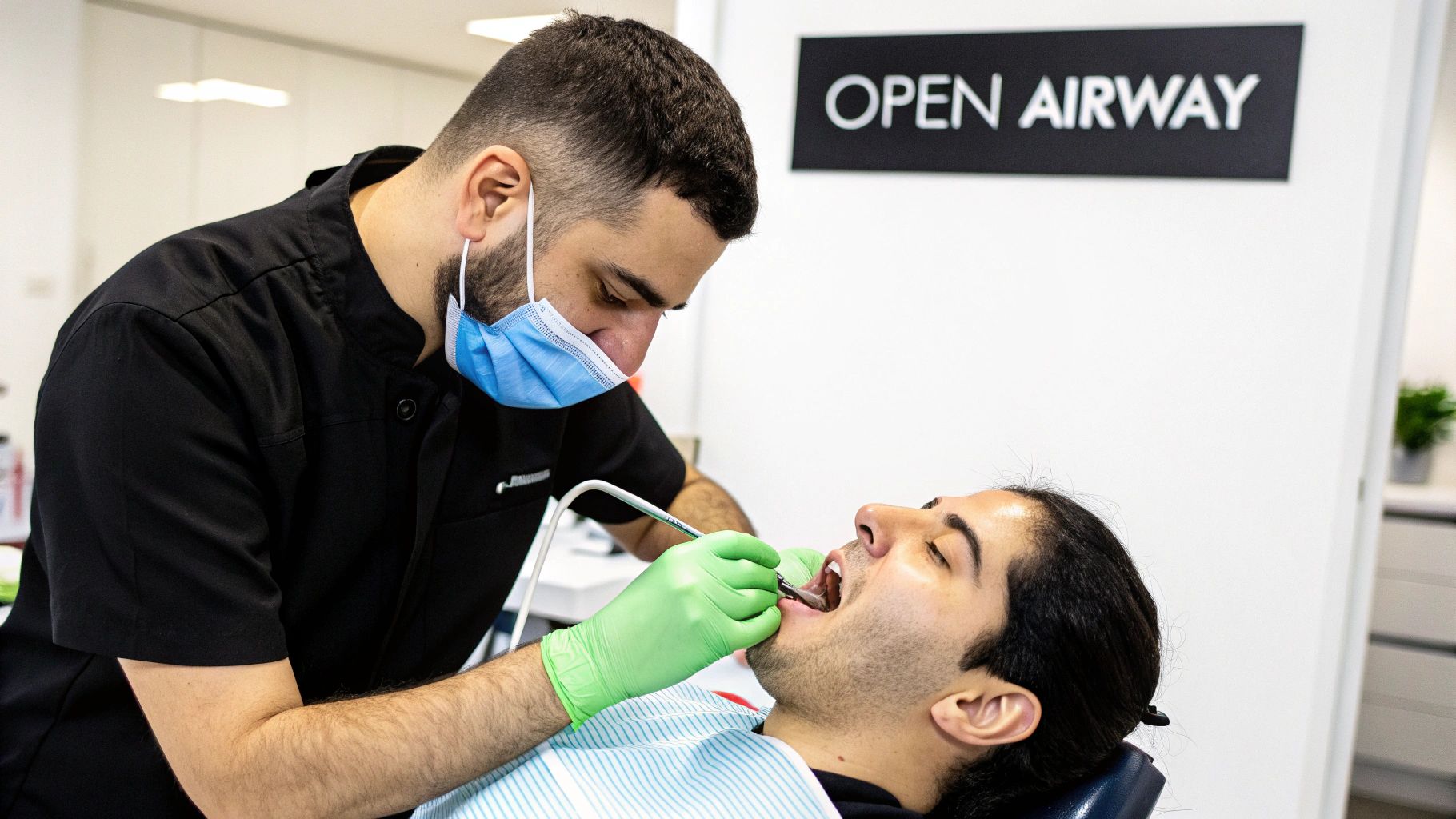
Oral appliance therapy (OAT) is a non-invasive alternative to CPAP machines for treating snoring and mild to moderate obstructive sleep apnea (OSA). Instead of pressurized air, OAT uses custom-fitted dental devices to keep the airway open during sleep. These devices reposition the jaw and/or tongue to prevent the collapse of tissues that can obstruct breathing. OAT's portability, convenience, and higher compliance rates compared to CPAP therapy have earned it a spot on our list.
There are two main types of oral appliances:
- Mandibular Advancement Devices (MADs): MADs bring the lower jaw forward, pulling the tongue and soft tissues away from the back of the throat. This creates more space in the airway. Examples include the SomnoDent MAS and the Thornton Adjustable Positioner (TAP).
- Tongue Retaining Devices (TRDs): TRDs hold the tongue forward using a suction bulb, preventing it from falling back into the airway. The EMA (Elastic Mandibular Advancement) combines aspects of both MADs and TRDs.
The American Academy of Dental Sleep Medicine has been instrumental in the development and popularization of OAT. Companies like SomnoMed and ProSomnus Sleep Technologies have also invested heavily in research and development. Growing awareness of OSA and its health implications has increased demand for less cumbersome treatments, further driving the advancement and adoption of OAT.
Benefits of OAT
- Higher Compliance: Many patients find OAT more comfortable and easier to use than CPAP, leading to better treatment adherence.
- Portability: Oral appliances are small and travel-friendly.
- Silent Operation: OAT devices are silent, creating a peaceful sleeping environment.
- No Masks or Hoses: OAT eliminates the need for bulky equipment and the discomfort of masks and hoses.
- Effective for Mild to Moderate OSA: OAT is a proven treatment for many individuals with these levels of OSA severity.
Considerations (Cons) of OAT
- Potential Side Effects: Some users experience temporary jaw pain, tooth movement, or excessive salivation. These often resolve with time and device adjustments. Check out Our Sitemap for more on oral health.
- Less Effective for Severe OSA: OAT might not be suitable for severe OSA; CPAP may be a better option.
- Dental Check-ups: Regular dental check-ups are needed to monitor device fit and effectiveness.
- Insurance Coverage: OAT isn't always covered by insurance.
Tips for Successful OAT Implementation
- Consult a Qualified Dentist: Seek treatment from a dentist specializing in dental sleep medicine.
- Adjustment Period: Allow for a 1-2 week adjustment period.
- Jaw Exercises: Perform recommended jaw exercises to reduce soreness.
- Device Hygiene: Clean your device daily as instructed.
- Follow-up Sleep Studies: Periodic sleep studies ensure ongoing therapy effectiveness.
OAT is a valuable alternative for those looking for a less intrusive treatment for snoring and mild to moderate OSA. Understanding its features, benefits, and potential drawbacks helps individuals make informed decisions about their sleep apnea treatment.
2. Positional Therapy
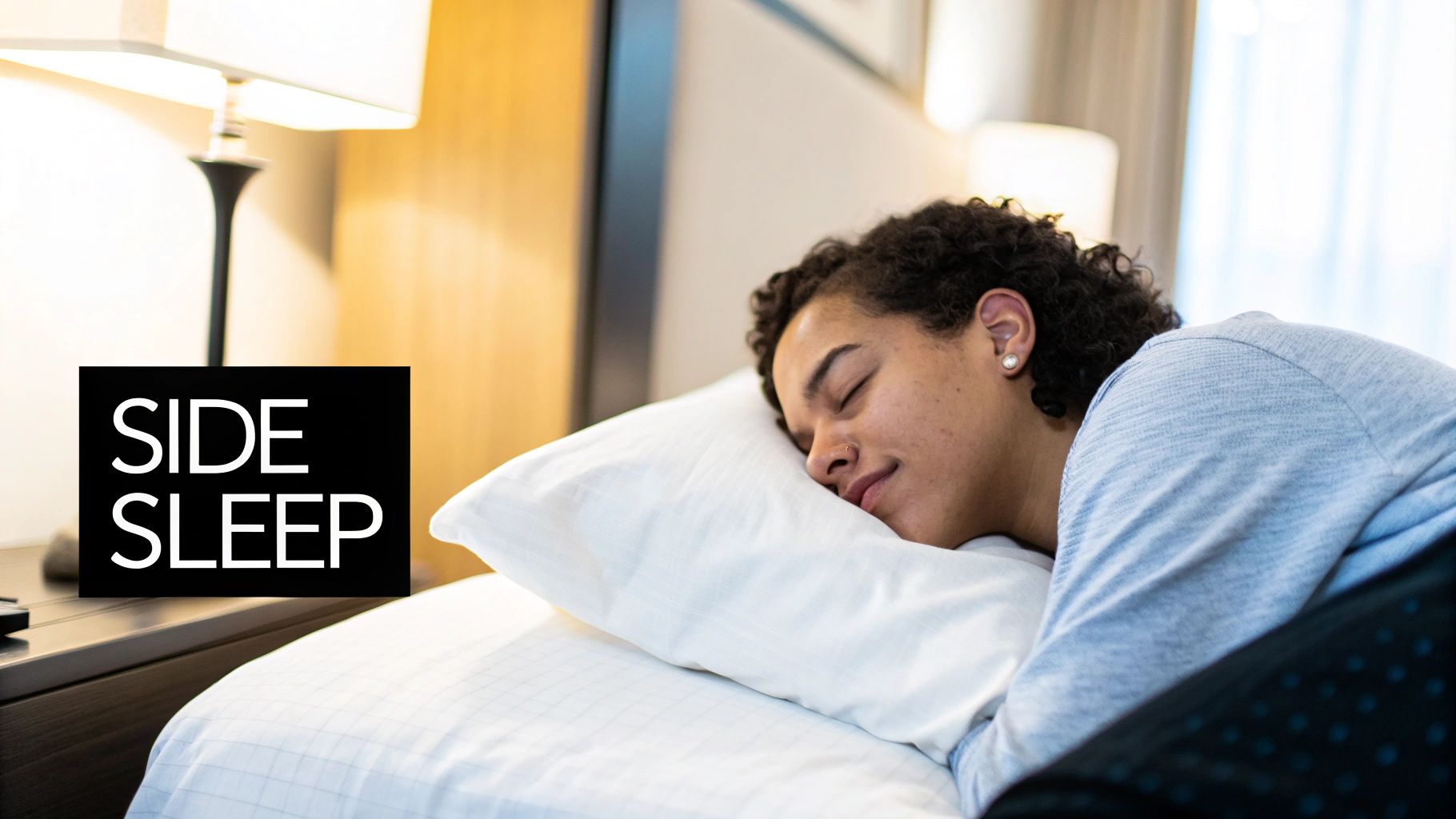
Positional therapy offers a non-invasive, often cost-effective approach to managing sleep apnea. It's particularly helpful for those whose apnea is triggered or worsened by sleeping on their backs (supine position). In the supine position, gravity can cause the tongue and soft tissues in the throat to relax and collapse into the airway. This obstructs airflow, leading to apnea episodes. Positional therapy aims to prevent this by encouraging side sleeping, which helps maintain a more open airway.
How It Works
Positional therapy uses various devices and techniques to discourage supine sleeping. These range from simple DIY solutions like the tennis ball technique (sewing a tennis ball into the back of a pajama top) to more sophisticated electronic devices.
Devices like the Philips NightBalance or the Zzoma Positional Device use vibration or gentle nudges to prompt the sleeper to roll onto their side without fully waking them. The SlumberBump, a positional therapy belt, provides a comfortable cushion that makes it less comfortable to sleep on the back.
Why It Deserves a Place on the List
Positional therapy is a valuable alternative sleep apnea treatment because of its non-invasive nature and affordability compared to CPAP therapy or oral appliances. It’s also relatively easy to implement, especially with passive devices. As a drug-free option with minimal side effects, it's appealing to many. Furthermore, for cases of positional OSA, it can be remarkably effective.
Pros and Cons
Pros:
- Low Cost: Significantly more affordable than CPAP machines or custom-fitted oral appliances.
- Non-invasive: No masks, tubes, or surgery are involved.
- Easy to Implement: Simple solutions like the tennis ball technique require minimal effort.
- No Power Source Needed (for passive devices): No need for electricity or batteries for options like the tennis ball technique or positional belts.
- Effective for Positional OSA: Can significantly reduce or eliminate apnea episodes in individuals whose apnea is primarily position-dependent.
Cons:
- Limited Effectiveness: Only works for positional sleep apnea, not other types of OSA.
- Compliance Challenges: Some find it difficult to adapt to sleeping only on their side.
- Initial Sleep Disruption: May cause some sleep disturbance as the body adjusts.
- Less Effective for Severe OSA: May not be sufficient for individuals with severe sleep apnea.
- Discomfort: Some devices may cause discomfort, requiring an adjustment period.
Real-World Examples and Case Studies
While individual results vary, studies show positional therapy can significantly reduce the Apnea-Hypopnea Index (AHI) in patients with positional OSA. Dr. Richard Schwab, a sleep researcher at the University of Pennsylvania, has conducted extensive research on positional therapy and its effectiveness. Companies like Philips Respironics (with their NightBalance device) and Advanced Brain Monitoring (makers of Night Shift) have popularized and advanced the technology behind positional therapy devices.
Practical Tips for Implementation
- Confirm Positional OSA: Undergo a sleep study to determine if your apnea is position-dependent.
- Start Simple: Begin with low-cost solutions like the tennis ball technique before investing in more expensive devices.
- Strategic Pillow Placement: Use pillows to support your back and prevent rolling onto your back. A body pillow can be particularly helpful.
- Consider Combination Therapy: Positional therapy can be used with other treatments for better results.
- Elevate Head of Bed: Raising the head of the bed 4-6 inches can help reduce gravity's effect on the airway.
Positional therapy is a valuable tool in managing positional sleep apnea. By understanding its benefits and limitations, and by following these practical tips, individuals can explore whether this approach is suitable for improving their sleep quality and overall health.
3. Weight Loss Programs
Obstructive sleep apnea (OSA) is often linked to excess weight, particularly around the neck. This extra weight can constrict the upper airway during sleep, disrupting breathing. Weight loss programs offer a way to tackle this underlying issue, rather than just managing symptoms. By addressing obesity, these programs can significantly improve or even resolve sleep apnea for some, offering a valuable alternative treatment.
These programs typically combine dietary changes, exercise plans, and behavioral therapy to encourage lasting weight loss. Some programs also include medical interventions such as appetite suppressants or bariatric surgery. This multi-pronged approach addresses the various factors contributing to obesity and its impact on sleep.
Key Features of Weight Loss Programs
- Comprehensive Approach: Combines diet, exercise, and behavior modification.
- Medical Supervision: May involve doctors, dietitians, and therapists.
- Focus on Root Cause: Aims to resolve the underlying issue contributing to OSA.
- Varied Program Options: Ranges from self-directed plans to medically supervised programs.
The benefits extend beyond improved sleep. Weight loss improves overall health and reduces the cardiovascular risks associated with both obesity and OSA. Unlike CPAP machines or oral appliances, weight loss requires no equipment, and the benefits are long-term if weight is maintained.
Pros and Cons of Weight Loss Programs
| Pros | Cons |
|---|---|
| Improves overall health | Results take time |
| Potential to reduce or eliminate OSA | Requires significant lifestyle changes |
| No equipment needed | High rate of weight regain |
| Long-lasting benefits | May not fully resolve severe OSA |
| Reduces cardiovascular risks | Challenges with compliance and motivation |
Institutions like the Johns Hopkins Weight Management Center and the Mayo Clinic offer OSA-specific weight loss programs, highlighting the growing recognition of this approach. Some protocols combine CPAP therapy with weight loss interventions for a more holistic treatment strategy. Dr. Michael Breus, "The Sleep Doctor," has also raised awareness of the link between weight and sleep. Organizations like the American Academy of Sleep Medicine provide weight management resources. For additional information on sleep health, see our guide.
Tips for Weight Loss Success
- Start Small: Aim for a realistic 5-10% weight reduction initially.
- Sustainable Changes: Focus on long-term lifestyle adjustments, not quick fixes.
- Track Progress: Monitor sleep quality improvements for continued motivation.
- Combine With Interim Treatments: Consider CPAP or oral appliances while pursuing weight loss.
- Seek Support: Join support groups specifically for OSA patients.
While weight loss requires commitment and might not fully resolve severe OSA in every case, its potential to improve overall health and address a root cause of sleep apnea makes it a worthwhile treatment option.
4. Myofunctional Therapy
Myofunctional therapy (MFT) offers a non-invasive approach to addressing sleep apnea. It focuses on strengthening and retraining the muscles of the face, mouth, and throat. Unlike CPAP machines or oral appliances, MFT tackles the underlying causes of sleep apnea related to muscle weakness and improper tongue posture. It's a potential long-term solution, especially for mild to moderate cases, and can even benefit children with related breathing issues.
This therapy involves a series of isometric and isotonic exercises. These exercises are designed to improve the tone and function of the tongue, soft palate, and other orofacial muscles. Performed daily for 5-10 minutes, they aim to improve airway stability and reduce the tendency for these muscles to collapse during sleep, a primary contributor to sleep apnea. It's essentially physical therapy for your face and throat.
Features of Myofunctional Therapy
- Targeted Exercises: Exercises focus on the tongue, soft palate, and facial muscles.
- Daily Practice: Consistent practice is key, usually 5-10 minutes per day.
- Professional Guidance: Often provided by speech-language pathologists or certified myofunctional therapists.
- Addresses Root Causes: Works on correcting improper tongue posture and swallowing patterns that contribute to airway obstruction.
Pros of Myofunctional Therapy
- Non-invasive: No surgery or devices are needed.
- Side-effect Free: A safe approach with no known adverse effects.
- Cost-effective: No equipment is required.
- Addresses Underlying Causes: Corrects the muscle weakness contributing to sleep apnea, not just the symptoms.
- Additional Benefits: May improve swallowing, speech, and facial aesthetics.
- Combinable: Can be used with other sleep apnea treatments.
Cons of Myofunctional Therapy
- Requires Diligence: Consistent daily practice for several months is necessary to see results.
- Therapist Availability: Finding a qualified therapist might be difficult in some areas.
- Evolving Evidence: While research supports its effectiveness, more studies are ongoing.
- Time Commitment: Results take time and patience.
- Limited Efficacy for Severe OSA: May not be enough as a standalone treatment for moderate to severe obstructive sleep apnea.
Real-World Examples and Evolution
Myofunctional therapy has gained recognition thanks to specialists like Dr. Kathy Winslow and Dr. Joy Moeller, who advocate for its use in sleep apnea and other orofacial conditions. Dr. Christian Guilleminault, a Stanford sleep researcher, has also contributed to its development and application in sleep medicine. Research, such as the Brazilian protocol by Dr. Guimarães published in the American Journal of Respiratory and Critical Care Medicine, validates its effectiveness. The Buteyko breathing method has also incorporated myofunctional principles for sleep apnea treatment.
Practical Tips for Implementation
- Consistency is Key: Make the exercises a daily habit.
- Visual Feedback: Record yourself doing the exercises to monitor your technique.
- Gradual Progression: Start with easier exercises and gradually move to more complex ones.
- Reminders and Habit Formation: Use reminders or link the exercises to another daily activity to build a routine.
- Nasal Breathing: Combine MFT with proper nasal breathing techniques for best results.
Myofunctional therapy offers a promising alternative or complementary treatment for sleep apnea. By targeting the muscular issues that contribute to airway obstruction, it can improve breathing and sleep quality long term. While dedication is needed, and it may not be suitable for everyone, its non-invasive nature and potential for lasting benefits make it worth exploring.
5. Hypoglossal Nerve Stimulation (Inspire Therapy)
For those struggling with traditional sleep apnea treatments like CPAP, hypoglossal nerve stimulation (HNS) offers a compelling alternative. This therapy utilizes an implanted device to stimulate the hypoglossal nerve, responsible for tongue movement, ensuring a clear airway during sleep. It's a significant step forward in surgical treatments for obstructive sleep apnea (OSA), providing a much-needed solution for patients who find CPAP challenging.
How It Works
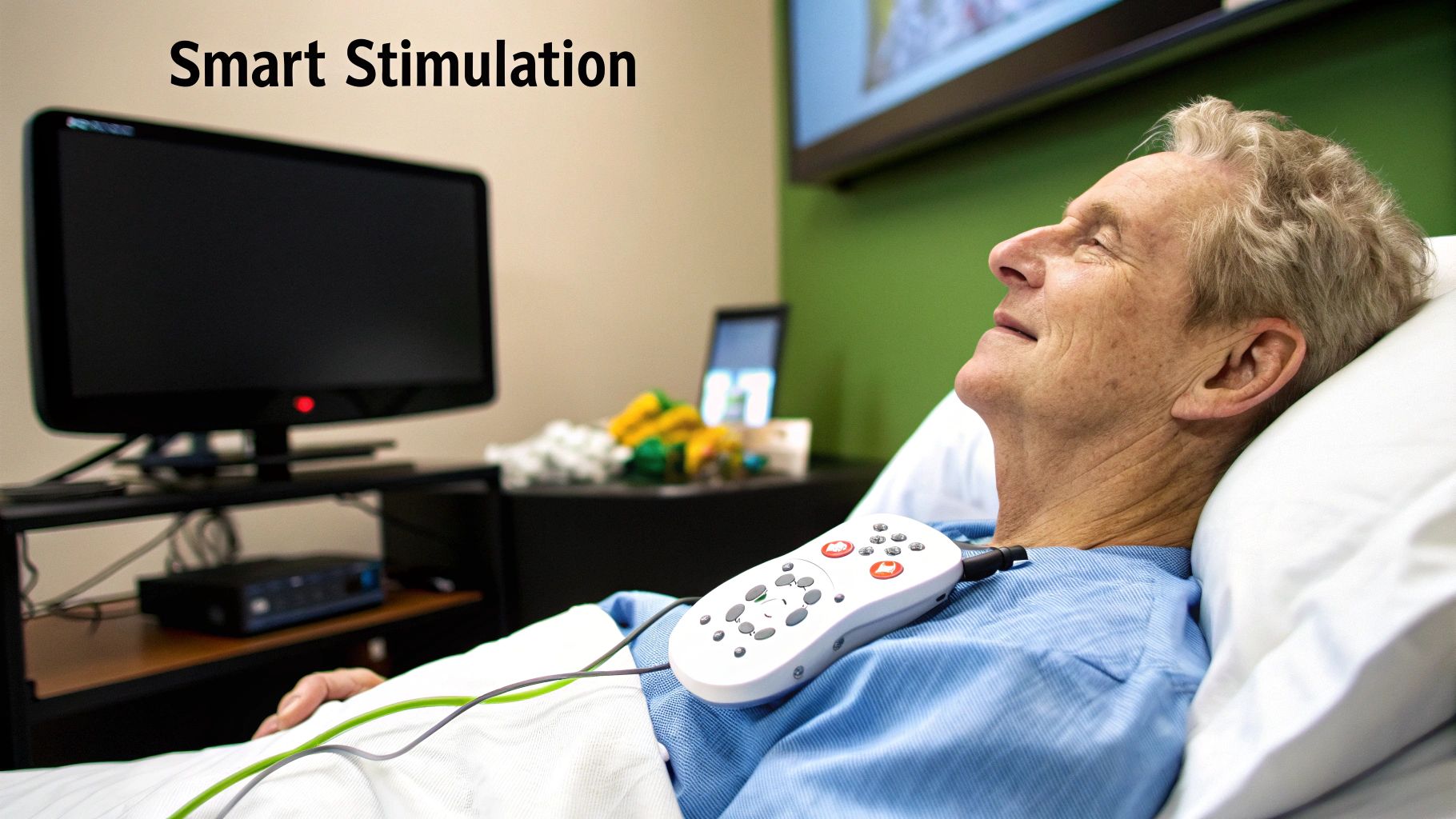
The Inspire system, a leading HNS device, comprises three implanted components: a small generator in the upper chest, a breathing sensor near the rib cage, and a stimulation lead around a branch of the hypoglossal nerve. The patient activates the system with a remote before sleep. The sensor detects the patient's breathing rhythm and relays this to the generator, which sends mild electrical pulses to the hypoglossal nerve. This causes the tongue to move slightly forward, preventing airway obstruction.
Why It's on the List
HNS is included here for its impressive success rate and positive effect on quality of life. It's an excellent option for individuals unable to tolerate CPAP or oral appliances, providing a truly mask-free and appliance-free experience. Clinical trials like the STAR (Stimulation Therapy for Apnea Reduction) trial showed significant AHI reductions and improvements in sleep quality and daytime function. The therapy boasts >85% compliance rates even after 5 years, demonstrating long-term effectiveness.
Features and Benefits
- Mask-free and Appliance-free: Eliminates the need for masks or oral devices.
- High Compliance: Patients are more likely to use HNS consistently.
- Proven Efficacy: Clinically proven to reduce AHI and improve sleep.
- Long Battery Life: The device typically lasts 8-11 years.
- Patient Control: Easy activation and adjustment with a remote.
Pros and Cons
Pros:
- No mask or oral appliance required
- High compliance rates (>85% after 5 years)
- Proven efficacy in moderate to severe OSA
- Long battery life (8-11 years)
- Patient-controlled operation
Cons:
- Requires surgery and associated risks
- High cost ($30,000-$40,000 before insurance)
- Not suitable for all OSA patients (BMI and anatomical restrictions)
- Requires maintenance and eventual battery replacement
- Potential for initial tongue soreness
Examples and Evolution
Inspire Medical Systems, Inc. pioneered this technology, and their Inspire Upper Airway Stimulation system is the most widely used. Researchers like Dr. Paul Van de Heyning played a key role in its development and validation. Dr. Ryan Soose, from the University of Pittsburgh Medical Center, is another prominent figure in the HNS field. ImThera Medical's aura6000 System is another example of a hypoglossal stimulator, though less common. Increased awareness and positive clinical outcomes have made HNS a mainstream alternative to traditional OSA therapies.
Practical Tips for Implementation
- Candidacy: Undergo a drug-induced sleep endoscopy (DISE) to determine suitability.
- Healing: Allow about 30 days for post-implantation healing before activation.
- Optimization: Collaborate with a sleep specialist to optimize stimulation settings.
- Usage: Use the remote to activate/deactivate and adjust settings.
- Monitoring: Schedule regular follow-up sleep studies for assessment and adjustments.
Who Can Benefit
HNS is especially beneficial for adults with moderate to severe OSA who struggle with CPAP. While not directly linked to TMJ disorders, facial aesthetics, or pediatric tongue issues, the technology may inspire future innovations in these areas. Anyone experiencing CPAP compliance issues should consult their sleep physician about HNS. Learn more about Inspire Therapy at www.inspiresleep.com.
6. Didgeridoo and Other Wind Instrument Therapy
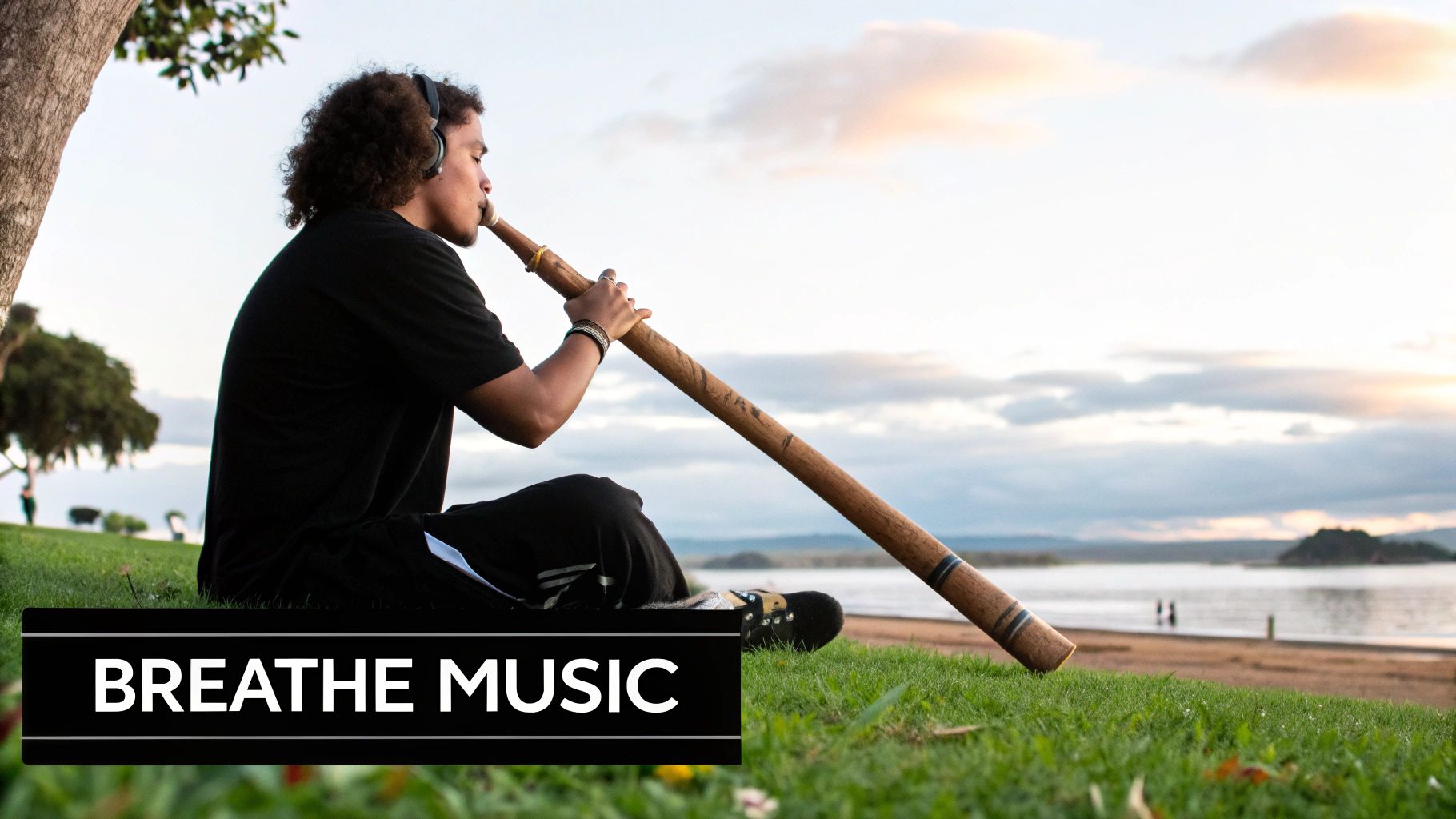
For a truly unique approach to sleep apnea treatment, consider the therapeutic potential of wind instruments like the didgeridoo. This ancient Australian Aboriginal instrument employs a specialized breathing technique known as circular breathing, which strengthens key airway muscles. This makes playing the didgeridoo a potential non-invasive therapy for Obstructive Sleep Apnea (OSA).
Circular breathing involves exhaling through the mouth while simultaneously inhaling through the nose. This continuous airflow engages and strengthens the tongue, throat, and other respiratory muscles. These are the same muscles that can collapse and obstruct the airway during sleep, causing the breathing pauses characteristic of OSA.
How Didgeridoo Therapy Works
Regular practice of circular breathing, typically 20-30 minutes daily, builds strength and endurance in the upper airway. This can improve airway stability during sleep, reducing the frequency and severity of apneic events. While the didgeridoo is most commonly associated with this therapy, other wind instruments requiring similar breathing techniques, such as the oboe, clarinet, and saxophone, can also be beneficial.
Real-World Evidence and Popularity
Didgeridoo therapy gained significant attention after a 2005 study published in the British Medical Journal (BMJ) by Dr. Milo Puhan and colleagues. This study showed a 25% reduction in the Apnea-Hypopnea Index (AHI)—a key measure of sleep apnea severity—in participants who practiced didgeridoo playing regularly for four months.
This research, combined with the advocacy of didgeridoo innovator Charlie McMahon, helped popularize the therapy and led to programs like the Sleep Apnea Didgeridoo (SAD) program in Australia. Furthermore, specialized windpipe wind resistance trainers offer a more targeted approach to muscle strengthening.
Pros and Cons
Pros:
- Enjoyable Activity: Playing a musical instrument is a more engaging alternative to traditional airway muscle exercises.
- Non-invasive and Safe: Didgeridoo therapy has no known side effects.
- Cost-Effective: The primary cost is the instrument itself.
- Additional Benefits: Improved respiratory function benefits overall health and well-being, adding a cultural and artistic dimension to treatment.
Cons:
- Requires Consistent Practice: Results depend on regular, dedicated practice.
- Limited Research: More research is needed to solidify long-term efficacy compared to established treatments.
- Severity Limitations: May not be sufficient for moderate to severe OSA.
- Learning Curve: Mastering circular breathing can be challenging.
- Delayed Results: Noticeable improvements may take several months.
Tips for Implementing Didgeridoo Therapy
- Learn Proper Technique: Focus on mastering circular breathing using online tutorials or guidance from experienced players.
- Consistent Practice: Aim for at least 20 minutes of daily practice.
- Join a Group: A didgeridoo group offers motivation and support.
- Combine with Healthy Sleep Habits: Practice good sleep hygiene.
- Track Progress: Monitor sleep quality improvements.
Why This Therapy Deserves Its Place on the List
Didgeridoo and wind instrument therapy offer a novel and accessible approach to managing sleep apnea. While not a replacement for CPAP therapy in moderate to severe cases, it presents a valuable complementary therapy and a potential standalone option for milder cases. Its non-invasive nature, potential health benefits, and inherent enjoyment make it worth considering for those seeking alternative or supplementary treatment options. It empowers individuals to actively participate in their health journey through a unique and engaging activity.
7. Nasal Expiratory Positive Airway Pressure (EPAP)
Nasal Expiratory Positive Airway Pressure (EPAP) offers a simpler approach to treating sleep apnea and snoring. Unlike Continuous Positive Airway Pressure (CPAP) therapy, which uses a constant airflow, EPAP uses small, adhesive valves placed over the nostrils to create resistance during exhalation. This resistance creates a slight back pressure, keeping the airway open.
How Does EPAP Work?
EPAP devices operate on a straightforward principle. During inhalation, micro-valves within the adhesive strips allow air to flow freely into the nose. During exhalation, these valves partially close, creating resistance. This increased pressure helps keep the upper airway open, preventing the collapse of soft tissues in the back of the throat that causes snoring and obstructive sleep apnea (OSA).
Features and Benefits
- Minimalist Design: EPAP devices are small, disposable, and self-adhesive, eliminating the need for bulky masks, hoses, and machines.
- Portability: Their compact size makes them perfect for travel. No electricity is needed.
- Silent Operation: The absence of a motor makes EPAP completely silent.
- Reduced Claustrophobia: Many users who find CPAP masks claustrophobic prefer EPAP devices.
Pros and Cons
Pros:
- No mask, hoses, or machine
- Portable and travel-friendly
- Silent operation
- No power source needed
- Less claustrophobic than CPAP
Cons:
- Less effective than CPAP for severe OSA
- Ongoing cost of disposable devices
- May cause nasal irritation or difficulty exhaling
- Not covered by all insurance plans
- Cannot be adjusted for pressure
Real-World Examples and Case Studies
While more research comparing EPAP to CPAP is ongoing, smaller studies and anecdotal evidence suggest its effectiveness for mild to moderate OSA and snoring. Provent Sleep Apnea Therapy, developed by Ventus Medical (now owned by Theravent), has been shown to reduce AHI (Apnea-Hypopnea Index) and improve sleep quality. Bongo Rx, by AirAvant Medical, offers a reusable option. Over-the-counter versions like Theravent are available for primary snoring. Some practitioners are also exploring potential applications of EPAP for children with breathing or tongue issues.
Tips for Implementation
- Proper Application: Follow the product instructions carefully.
- Start Slow: Begin with the lower resistance option if available.
- Skin Preparation: Clean and dry the skin around your nostrils before application. Avoid oily skin products.
- Nasal Saline: Use nasal saline spray if you experience dryness or irritation.
- Trial Period: Allow at least two weeks of consistent use to assess effectiveness.
Why EPAP Deserves a Place on This List
EPAP offers a valuable alternative for individuals who cannot tolerate CPAP or want a simpler solution for mild to moderate sleep apnea or snoring. Its ease of use and minimalist design make it a compelling option for those seeking a less intrusive approach to improving sleep quality. While not suitable for everyone, especially those with severe OSA, EPAP is a viable alternative worth considering.
8. Acupuncture and Traditional Chinese Medicine
Acupuncture and Traditional Chinese Medicine (TCM) offer a drug-free, holistic approach to sleep apnea, setting it apart from conventional treatments like CPAP machines or oral appliances. Instead of solely focusing on the mechanics of breathing, TCM views sleep apnea as a symptom of an underlying imbalance in the body's energy flow (qi), often involving several organ systems. This approach seeks to restore balance and enhance overall well-being, not just alleviate apnea symptoms.
TCM practitioners use a variety of diagnostic methods, including tongue and pulse assessments, to identify the specific imbalances contributing to a patient's sleep apnea. Treatment typically involves inserting fine needles at precise points related to respiration and sleep. These points, often located along meridians believed to influence lung function, the nervous system, and sleep regulation, are stimulated to encourage easier breathing and improved sleep quality.
Acupuncture is often combined with other TCM modalities. Herbal formulas personalized to the individual's needs can address underlying deficiencies and bolster respiratory function. Dietary changes and specific exercises like Qi Gong can further improve the treatment's effectiveness by promoting overall health and balance. Electroacupuncture, which involves passing a mild electrical current through the needles, may also be used to increase stimulation and produce a stronger effect.
This approach offers a number of advantages. It's non-invasive and generally side-effect free when administered by a qualified practitioner. By addressing the root causes and not just the symptoms, TCM has the potential to enhance overall sleep quality, going beyond just apnea reduction. Furthermore, it can be used alongside conventional treatments. For those having difficulty with CPAP compliance, acupuncture may offer a supplementary path to better sleep. You might find helpful information in our guide on available categories related to sleep and other health concerns.
While promising, it's important to acknowledge the limitations of this approach. Extensive clinical research on acupuncture for sleep apnea is still somewhat lacking. Effectiveness can vary significantly depending on the practitioner, underscoring the importance of finding someone experienced in treating sleep disorders. Treatment typically involves an initial 8-12 weekly sessions, followed by ongoing maintenance, which may not be covered by insurance. Additionally, while demonstrating positive outcomes in certain studies, including a Brazilian randomized controlled trial showing a 47% reduction in AHI, and studies exploring auricular (ear) acupuncture in Korea, and combined tongue acupuncture/myofunctional approaches in China, acupuncture may not be sufficient for moderate to severe OSA.
Growing Recognition of TCM
TCM's approach to sleep apnea gained recognition through the work of practitioners like Dr. Zhi-Chun Jin, a TCM sleep specialist, and institutions like the Shanghai TCM University sleep disorders clinic. The American Academy of Medical Acupuncture has also established protocols for using acupuncture in sleep medicine, further advancing its acceptance within integrative healthcare.
Tips for Implementing Acupuncture for Sleep Apnea:
- Seek experienced practitioners: Look for a licensed acupuncturist with a demonstrated history of successfully treating sleep apnea.
- Inquire about tongue acupuncture: Tongue acupuncture points can directly target the upper airway muscles, crucial in OSA.
- Maintain conventional treatments: Do not stop CPAP or other prescribed therapies without first talking to your doctor.
- Commit to regular maintenance: Acupuncture for sleep apnea often requires ongoing treatment to maintain benefits.
- Explore herbal remedies: Consider adding herbal formulas specifically designed for respiratory support.
Acupuncture and TCM offer a worthwhile addition to available sleep apnea treatments, particularly for those seeking a holistic, drug-free option. While not a substitute for conventional treatment in moderate to severe cases, it presents a promising complementary therapy and a potential solution for addressing underlying imbalances contributing to sleep disorders.
8-Point Comparison of Alternative Sleep Apnea Treatments
| Treatment Option | 🔄 Complexity | 💡 Resources Needed | ⭐ Expected Outcomes | ⚡ Ideal Use Cases | 📊 Key Advantages |
|---|---|---|---|---|---|
| Oral Appliance Therapy (OAT) | Moderate – custom fitting and adjustments | Dental professional; custom oral device | Good for mild–moderate OSA with high compliance | Patients preferring non-invasive, travel-friendly options | Portable, silent, non-invasive alternative to CPAP |
| Positional Therapy | Low – simple techniques/devices | Minimal – inexpensive devices or even home remedies | Effective when OSA is position-dependent | Patients diagnosed with positional sleep apnea | Low cost, non-invasive, easy to implement |
| Weight Loss Programs | High – significant lifestyle changes | Multidisciplinary program (diet, exercise, counseling) | Gradual overall health improvement; may lower AHI | Overweight/obese patients with OSA | Addresses root cause; benefits extend beyond sleep apnea |
| Myofunctional Therapy | Moderate – requires consistent daily practice | Minimal equipment; guided exercise program | Gradual AHI reduction and improved airway muscle tone | Patients with mild OSA or as an adjunct to other therapies | Non-invasive; additional benefits for swallowing and speech |
| Hypoglossal Nerve Stimulation (Inspire Therapy) | High – surgical implantation and follow-up | Expensive implantable device; surgical procedure | Proven efficacy for moderate–severe OSA | CPAP-intolerant patients meeting specific clinical criteria | High long-term compliance; patient-controlled settings |
| Didgeridoo and Wind Instrument Therapy | Low–Medium – learning new technique | Purchase of an instrument and regular practice time | Modest improvement over months in mild cases | Patients open to alternative, enjoyable therapy methods | Non-invasive, cost-effective, culturally engaging |
| Nasal EPAP | Low – simple, disposable application | Disposable adhesive device with microvalves | Reduction in AHI for mild–moderate OSA | Those seeking a minimal, maskless alternative to CPAP | Portable, silent, and no electricity required |
| Acupuncture and Traditional Chinese Medicine | Moderate–High – multiple treatment sessions | Skilled practitioner; multiple sessions and herbal remedies | Variable outcomes; supportive improvement in sleep quality | Patients interested in holistic, non-pharmacological treatments | Non-invasive; holistic approach addressing multiple symptoms |
Breathing Easier: Choosing the Right Alternative Sleep Apnea Treatment
Navigating the world of alternative sleep apnea treatments can feel overwhelming. From oral appliances and positional therapy to myofunctional exercises and even playing wind instruments, the options are diverse. The key takeaway is personalization. What works for one person might not work for another. Factors like the severity of your sleep apnea, underlying medical conditions, lifestyle, and personal preferences all contribute to finding the most effective treatment.
Choosing the right treatment begins with consulting a sleep specialist or a qualified healthcare professional. They can accurately diagnose your condition and help you understand the root causes of your sleep apnea. This first step is crucial for ensuring you're on the right path and avoids wasted time and effort. After receiving a diagnosis, discuss the various alternative treatments and collaboratively decide on a course of action.
Adapting to a new therapy requires time and commitment. Whether it's adjusting to a new sleeping position, practicing myofunctional therapy exercises, or learning a wind instrument, consistency is key. Track your progress, celebrate small victories, and don't be discouraged by setbacks. Maintaining open communication with your healthcare provider is vital; they can offer adjustments, provide encouragement, and ensure you’re making progress.
Staying Informed About Advancements
The field of sleep apnea treatment is constantly evolving. Ongoing research leads to new innovations and refinements in existing therapies. For example, advancements in myofunctional therapy are providing increasingly personalized and effective treatment options. Stay informed about the latest developments and discuss them with your healthcare provider to ensure you’re benefiting from the most up-to-date approaches.
Finding the right alternative sleep apnea treatment requires a proactive and informed approach. Prioritize consulting with a sleep specialist, explore various options, and commit to consistent practice and adaptation. By embracing these principles, you can significantly improve your sleep quality, overall health, and well-being.
Ready to experience the benefits of myofunctional therapy? myohab offers personalized exercises designed to address the root causes of sleep apnea, snoring, TMJ disorders, and more. Improve your breathing, sleep quality, and overall well-being with tailored programs for both adults and children. Connect with expert myofunctional therapists and begin your journey towards better health today. Discover the power of myofunctional therapy with myohab!

